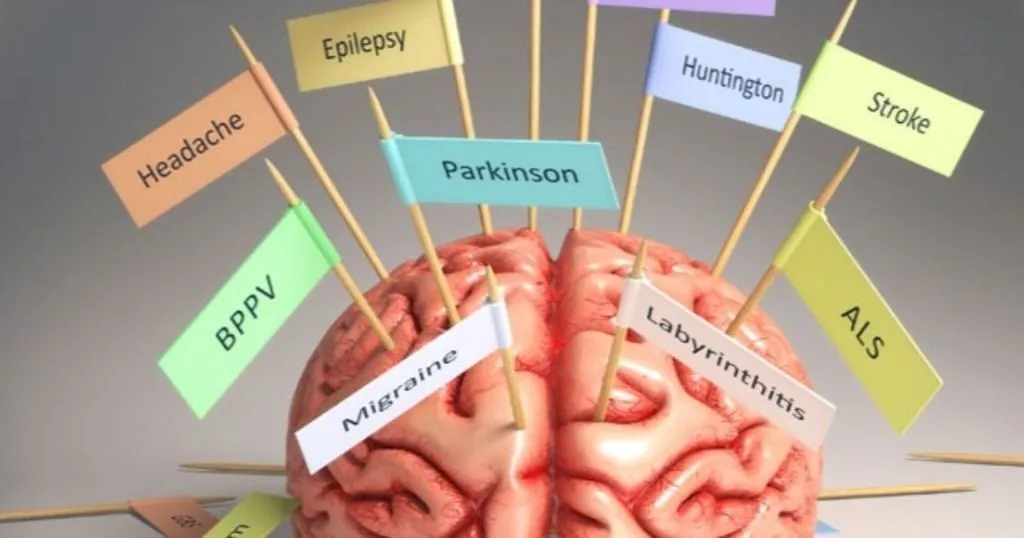
Did you know that Alzheimer's and diabetes are linked? Patients with diabetes have an increased risk for Alzheimer's disease (AD) and patients with AD show impaired insulin function and glucose metabolism. The tau protein might be one of the connecting factors. This protein, found in neurons, can get hyperphosphorylated, causing it to tangle and 'clog up' the neuron - one of the pathological hallmarks of AD.
Investigating tau as the possible link between AD and diabetes
Serena Abbondante and her colleagues (The American Journal of Pathology, 2014) investigated the protein tau as a possible link between the two diseases, because according to them, recent evidence from animal models of diabetes shows that impaired insulin signaling causes tau hyperphosphorylation.
Tau-knockout and diabetic mice
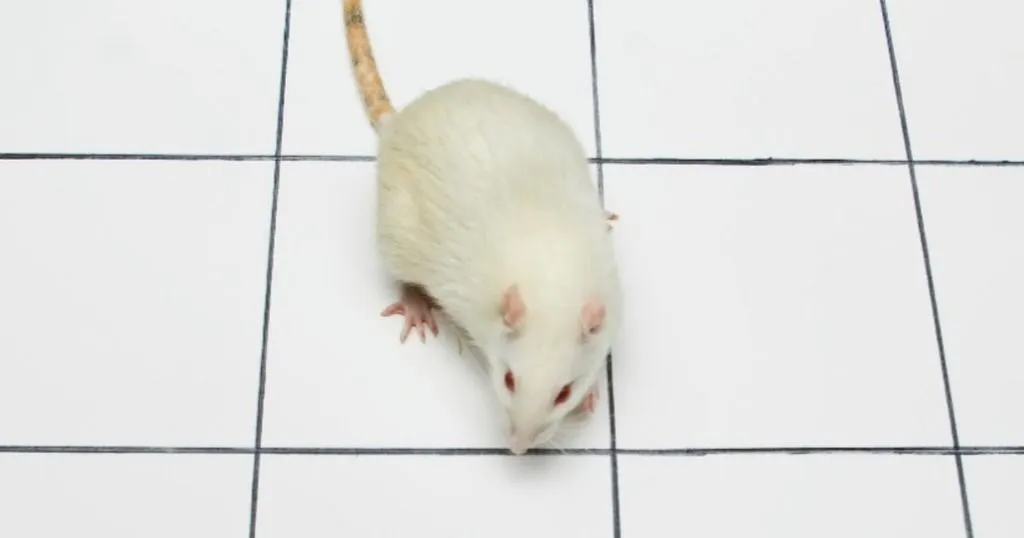
In order to investigate this relationship, they tested both non-transgenic (Ntg) mice as well as a knock-out strain for tau (tau-KO). From both groups a selection of mice were treated with streptozotocin (STZ), a chemical that causes a type 1 diabetes-like disease in mice. This resulted in four testing groups:
- Ntg
- Ntg STZ
- tau-KO
- tau-KO-STZ
All four groups were tested for hippocampal dependent cognitive impairments in the Morris water maze test.
Morris water maze testing
In the water maze, the platform was located at a fixed position. Mice were tested in four trials a day, placing them at a different starting location each time around, and were trained for as many days as it took for them to reach to platform within 25 seconds. Every time it took them longer than one minute to find the platform, they were guided to it and left there for 5 seconds. After the last training session a 60-second probe-trial was performed. This data was gathered and analyzed with EthoVision XT.
FREE TRIAL
Try EthoVision XT yourself!
Request a free trial and find out what EthoVision XT can do for your research!
-
check_circle
A cost-effective solution
-
check_circle
Powerful data selection
-
check_circle
Most cited video tracking system
Free Trial
arrow_forward
Diabetes impairs learning only in non-transgenic mice
The Ntg STZ mice showed impaired learning in the water maze compared to the untreated Ntg mice. Within the tau-KO group the treatment with STZ did not have this effect. Interestingly, the Ntg mice performed better than both tau-KO groups, (completing the training in 3 versus 4 days), while Ntg STZ mice did not reach the training criterion after five days. This indicates that the removal of tau mitigates the negative effects of STZ on learning in mice.
Can we live without tau?
Looking at the results of this study, one might conclude that getting rid of the tau protein prevents the negative effects that diabetes can have on memory, however, it is not that simple. Tau has a function in the human body, serving as a binding factor between microtubules, providing structure and flexibility in the axons of the neuron. Interestingly though, the tau-knockout mice in this study did not show behavioral or synaptic disabilities…
At the very least, this study indicates that tau is an important key in the interaction between Alzheimer's and diabetes, making it an interesting target for new patient treatments.
Further reading
Learn more about this study: