
LIFESTART project
The importance of good nutrition for human babies is well known. But what about young animals?
Read More arrow_forwardWorm infections can cause cognitive problems. But it’s unclear if it affects learning, memory, or both.
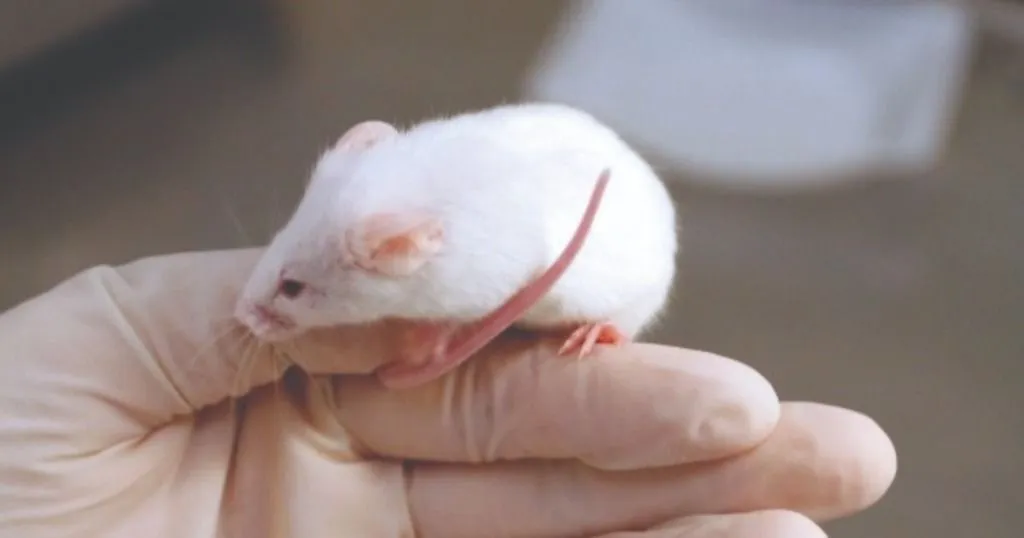
Hookworm infection is an infection in the intestine by parasites. Aside from abdominal pain and other physical discomforts, it also causes cognitive problems. It is also still endemic in developing countries.
Although impaired cognition as a result of parasitic infections has been widely reported, it is unclear specifically what kind of cognition is affected and how. Dr. Brombacher and her colleagues from the International Centre for Genetic Engineering and Biotechnology in Cape Town, South Africa, set out to investigate.
The effect of worm infection was tested using a mouse model. In this case, mice were infected with N. brasiliensis, a roundworm with a life cycle similar to human hookworms. The researchers used a Morris water maze test and EthoVision XT video tracking software to assess mouse behavior as well as learning and memory capabilities.

FREE TRIAL
Request a free trial and find out what EthoVision XT can do for your research!
The Morris water maze task was used to test learning and memory, but the authors used additional parameters to measure general activity and anxiety.
Mouse cognition was tested over a period of eight days. The first four days were used as an acquisition phase in which the mice learned to locate the platform hidden just beneath the surface of the water. A light was used as a distal navigational cue. This is because the balb/c mice subjects had poor vision, but were able to clearly distinguish light from dark.
To rule out any bias due to differences in locomotor abilities caused by the infection, velocity and distance swum were compared between the mice. No differences were found, so worm infection did not seem to affect locomotion or activity.
Mice infected with roundworm performed just as well as the other mice, indicating that learning itself was not affected.
Reference memory was tested using a probe trial without the platform on day five. Infected mice spent less time swimming over the area where the platform was previously located, so memory did seem to be affected by the infection.
To make sure this effect was not caused by anxiety, scientists measured how often the mice swam near the edges, froze in response to stimuli, and were rendered immobile. No differences were found, so it seems that the roundworm infection impaired the subjects' reference memory.
During a reversal phase on days six and seven, the mice were trained using the platform located at the opposite quadrant. On day eight, the platform was moved again, but stayed visible during the test. These phases were used to test more complex learning, and again, there were no differences between the infected and non-infected mice.
While the infection did not affect learning significantly, it did disrupt memory consolidation. To further investigate this, the number of macrophages and microglia in the hippocampi of the mice were counted. These increased in number in the infected mice, which might explain the interference of optimal reference memory.
The importance of good nutrition for human babies is well known. But what about young animals?
Read More arrow_forward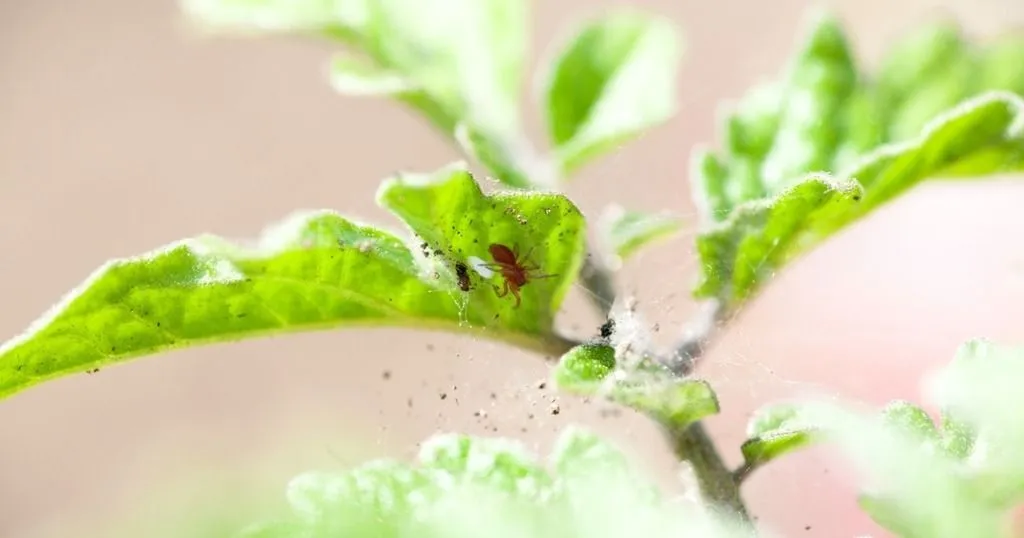
In my previous life as Entomologist, I was a pioneer in video tracking with extremely small creatures. I worked with mites, which are about 0.5 mm in size. In fact, I was an overall pioneer in video tracking.
Read More arrow_forward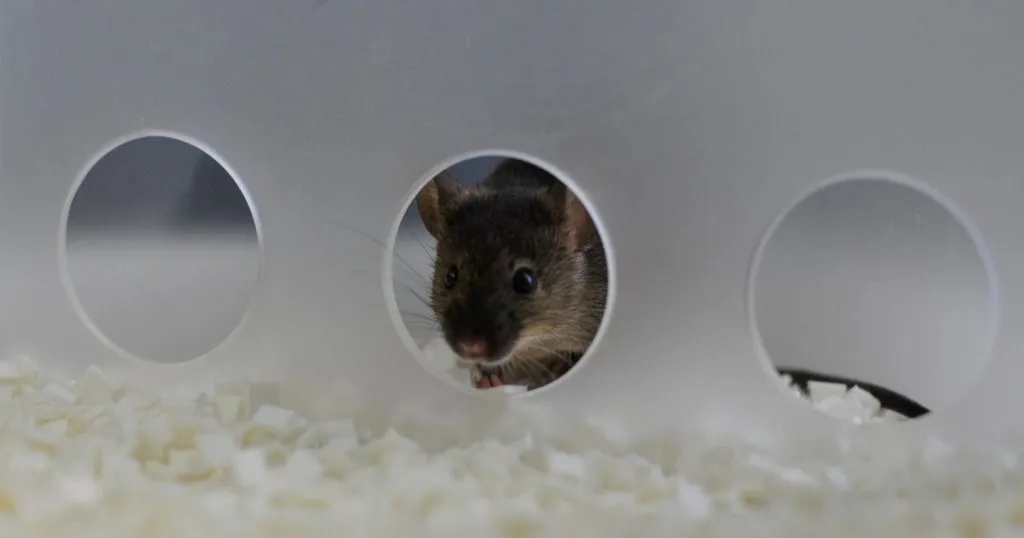
Sylics recently introduced CognitionWall, a new paradigm for discrimination learning in the home cage that avoids the necessity for food restriction and handling in learning tests.
Read More arrow_forwardWe'll get back to you shortly.
Please correct the following errors:
We look forward to seeing you at the NoldusViso launch event.
Please correct the following errors: