Blog Posts Tagged: locomotion
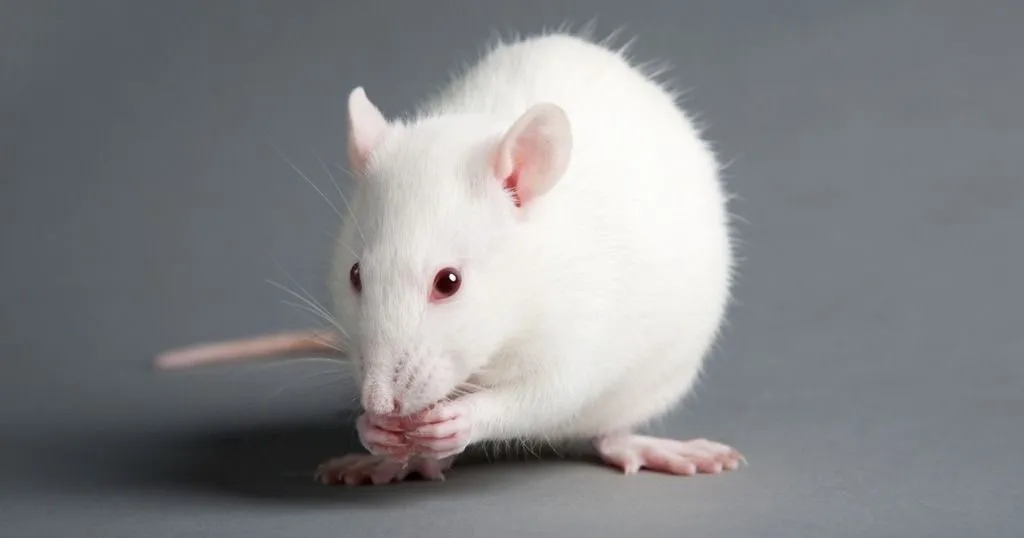
Gait analysis after a bone fracture
Recovery after a bone fracture is more than just healing bone and soft tissue. Research on gait analysis is necessary in order to improve knowledge about bone regeneration and rehabilitation after lower extremity fractures!

Traumatic Brain Injury: effects on the brain and motor coordination
Do you think of wearing a helmet while skiing, cycling or horseback riding? Read more about how the brain is affected after the head injury and how you can examine locomotion in a mouse model with TBI.
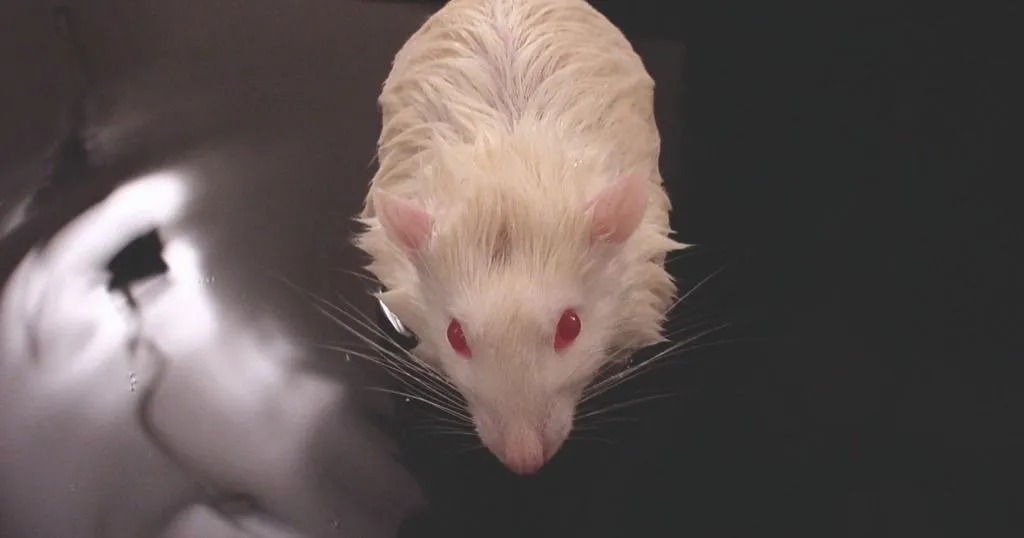
Diazepam in the battle against Alzheimer’s
Scientists have found out that a low dose of the tranquilizer diazepam reduces the breakdown of neurons, seen in the development of Alzheimer’s disease.
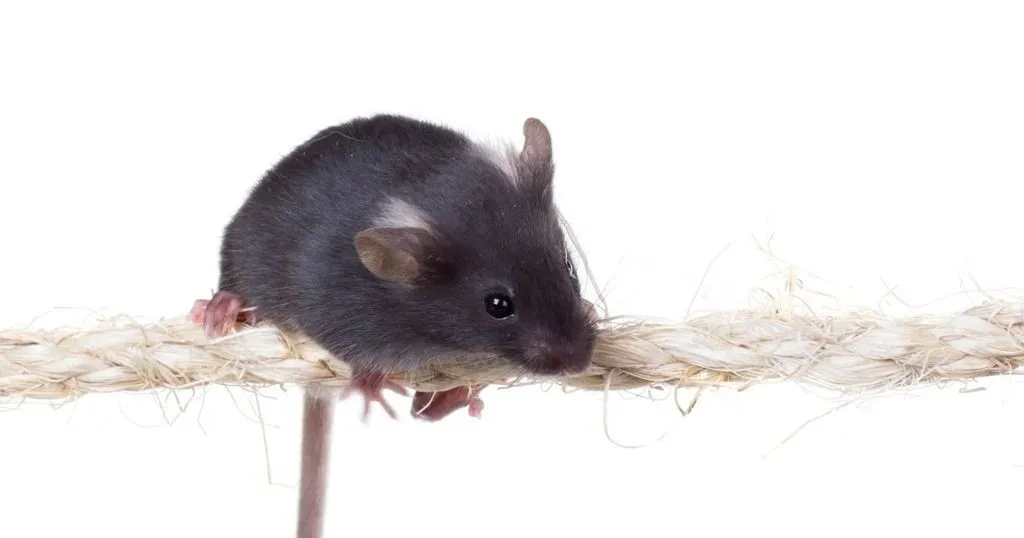
Parkinson's disease research - Relevant measures in pre-clinical studies
Parkinson’s disease: the neurodegenerative disorder that affects mobility in a life-changing way. Learn more about relevant measures in pre-clinical studies.
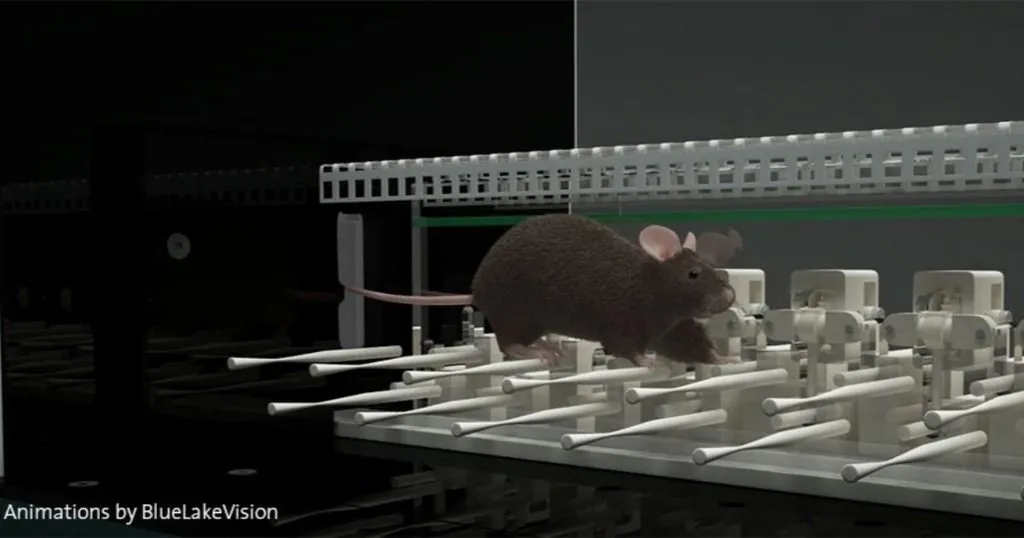
Autistic mice have motor learning difficulties specific to the cerebellum
Autism is often associated with social behavior deficits and repetitive behaviors. However, motor abnormalities are also a part of the behavioral spectrum. Recent studies have implicated the cerebellum.
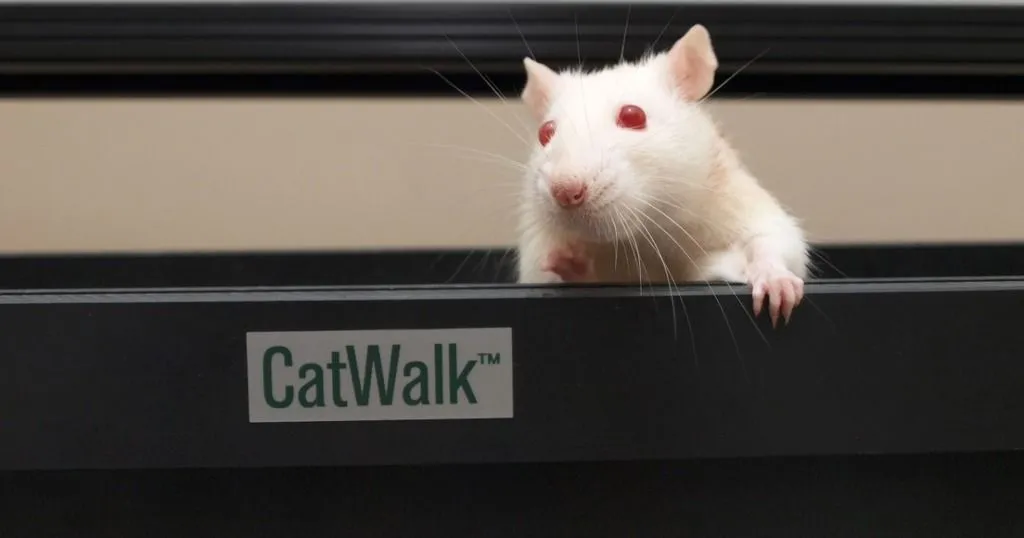
How to let rats run perfectly
Letting animals walk freely in gait research. At Noldus, we strongly believe this is the way to go, so that is how our CatWalk XT system works.
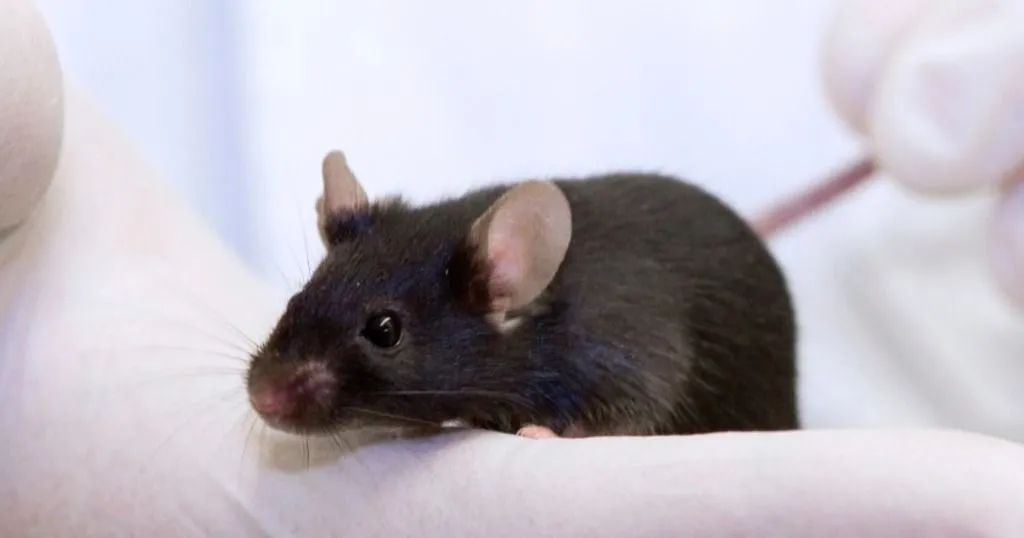
Behavioral effects of optogenetically induced myelination in mice
Myelination, the ‘ensheathment’ of neurons, is essential to the functioning of the central and peripheral nervous systems. So it is not surprising that problems with myelination can lead to a number of crippling diseases.
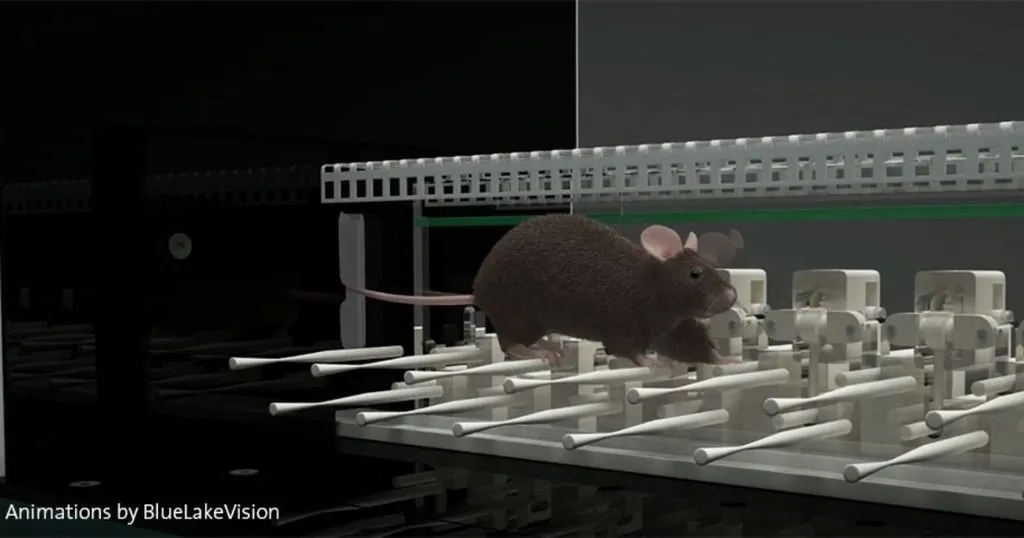
How to study ataxia
Ataxia is a common problem in Parkinson’s disease (PD), and many early onset Alzheimer’s disease patients (AD) also deal with it. Now there is a non-invasive test for mouse models.

Alzheimer's: prevent instead of cure?
Alzheimer’s disease (AD) is a huge public health issue as it affects a large part of the aging population. Neuropathology is studied primarily in the end stages of the disease. What about prevention?
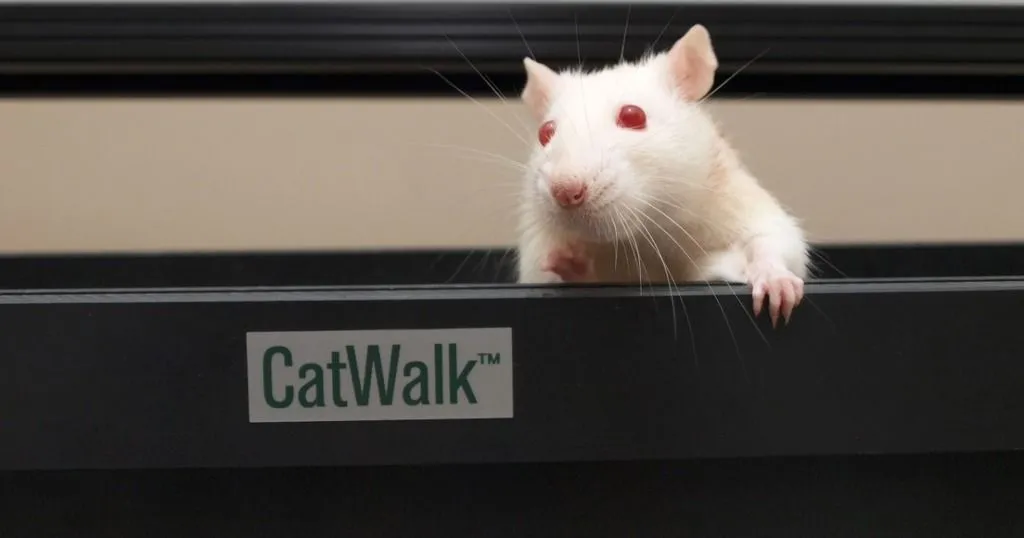
Gait research: let your animals walk freely
Researchers use different ways to analyze gait in animals. In what instances would a study benefit from a system that is based on voluntary walking?

10 behavioral studies on Alzheimer’s and Parkinson’s
This blog post features 10 interesting studies that use innovative techniques to study models of AD and PD and important underlying neuronal mechanisms.
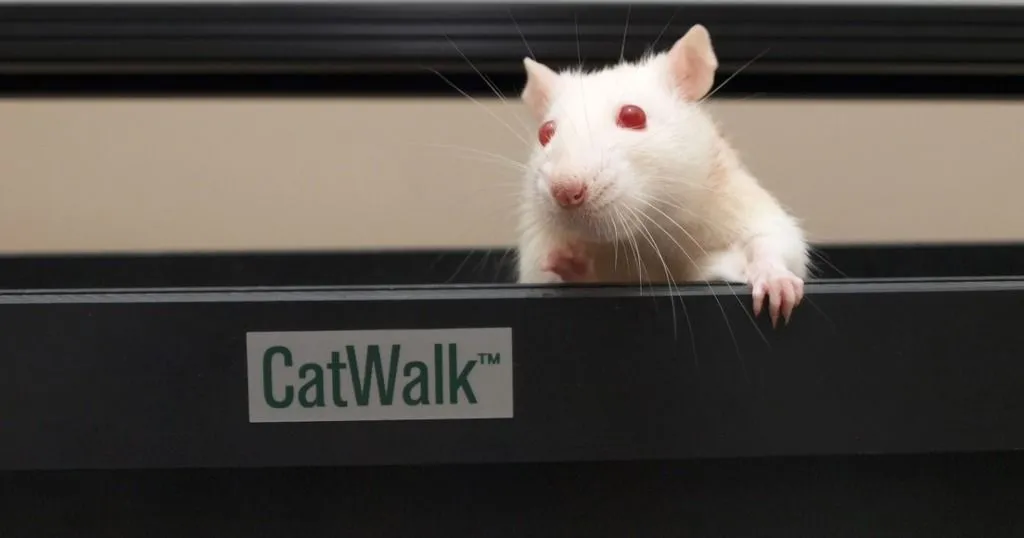
Parkinson’s & gait impairment: comparing rats and humans
Gait impairment is one of the most prominent symptoms of Parkinson's disease. For good research you need good models and good tests.
Thank you!
We'll get back to you shortly.
Please correct the following errors: