Investigating facial expressions in autism and borderline personality disorder
Within two specific populations researchers investigated the role of facial expressions on social interactions.
Read More arrow_forwardWhen we want to understand each other better, we tend to copy one another's facial expressions. How does facial mimicry work in children with ASD?

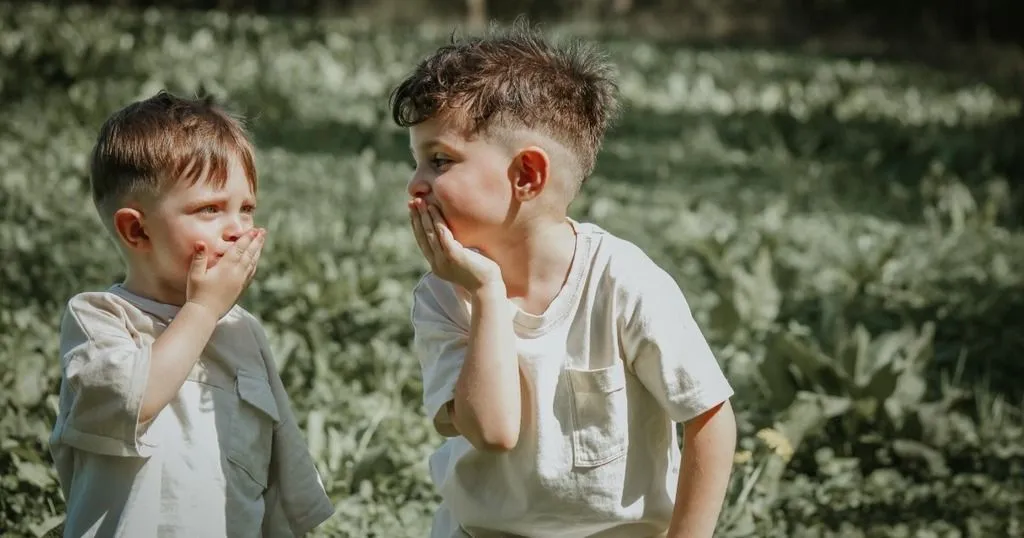
When we want to understand each other during social interactions, we tend to copy one another's facial expressions. This facial mimicry not only helps along the conversation but is also associated with better emotional understanding and empathy1. So, what happens when facial mimicry is impaired?
In this blog post, we discuss the work of researchers Liu, Wang, and Song as they study the underlying processes of facial mimicry in children with autism spectrum disorder (ASD)2.
When studying facial mimicry in people with autism spectrum disorder (ASD), researchers have found mixed results. Many developmental psychology studies show deficits in facial mimicry, while other researchers find that this skill is intact in people with ASD. It is also unclear whether problems with facial mimicry are core deficits in ASD and what their relationship is with social cognition.
To shed more light on this subject, Liu's team examined the underlying processes of facial mimicry in this group. This includes Theory of Mind (ToM) and executive functioning (EF), both important functions in understanding social cognition. Moreover, they distinguished between two types of facial mimicry: automatic and voluntary.
Want to read more about research on autism spectrum disorders? Check out this free white paper.
Automatic facial mimicry is fast, spontaneous, and unconscious. It just happens, you don't have to think about. On the other hand, you have voluntary facial mimicry. This is when you consciously focus your attention on copying another's facial expression. It's slower and more effortful.
So, what if people with ASD don't have an overall deficit in facial mimicry, but only for specific types? Based on earlier research on this subject3, the research team hypothesized that people with autism spectrum disorders may only have an impairment in automatic facial mimicry, and not the voluntary type. Moreover, facial mimicry in ASD may vary across different emotions4. In other words, individuals with ASD may copy facial expressions in an atypical way, instead of not being able to.
What's the best way to study automatic and voluntary facial mimicry of different emotions? Some studies have employed electromyography (EMG) to examine the activity of a specific facial muscle that's a clear marker for an emotion, such as happiness or anger. However, this type of study has its limitations, as it's too difficult to study entire facial expressions or for researchers to observe muscle activity for themselves.
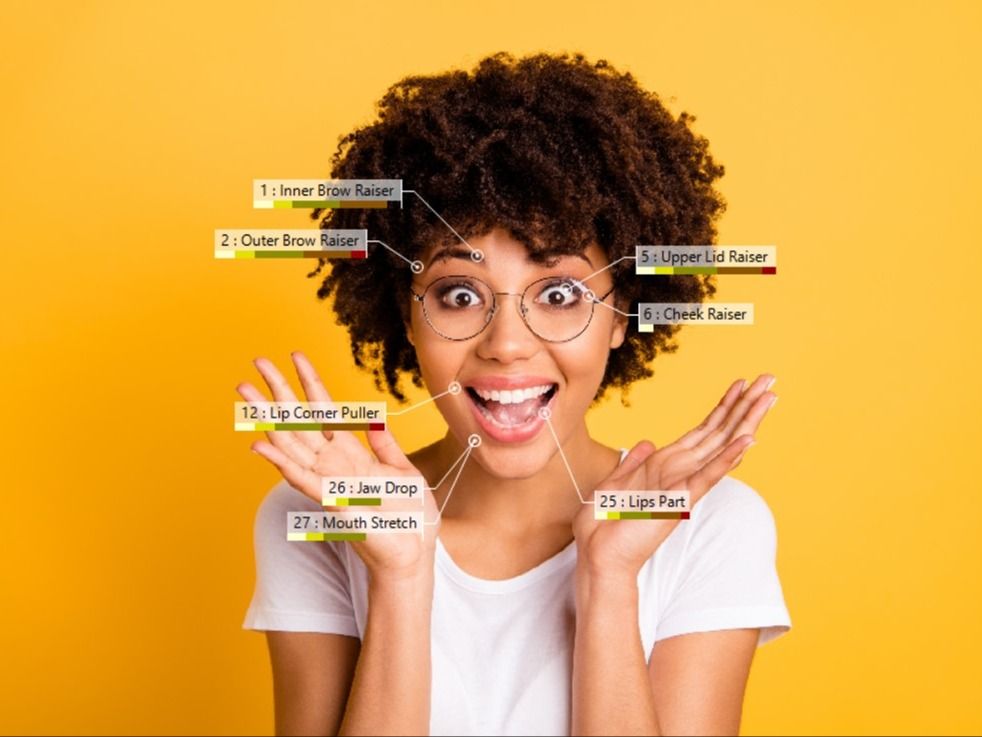
That's why the research team from the current study chose a different approach. Using FaceReader, they gained a classification of six basic emotions, as well as a quantitative measurement of facial action units. With this type of facial expression analysis, they were able to study facial mimicry in entire facial expressions.
FREE WHITE PAPER
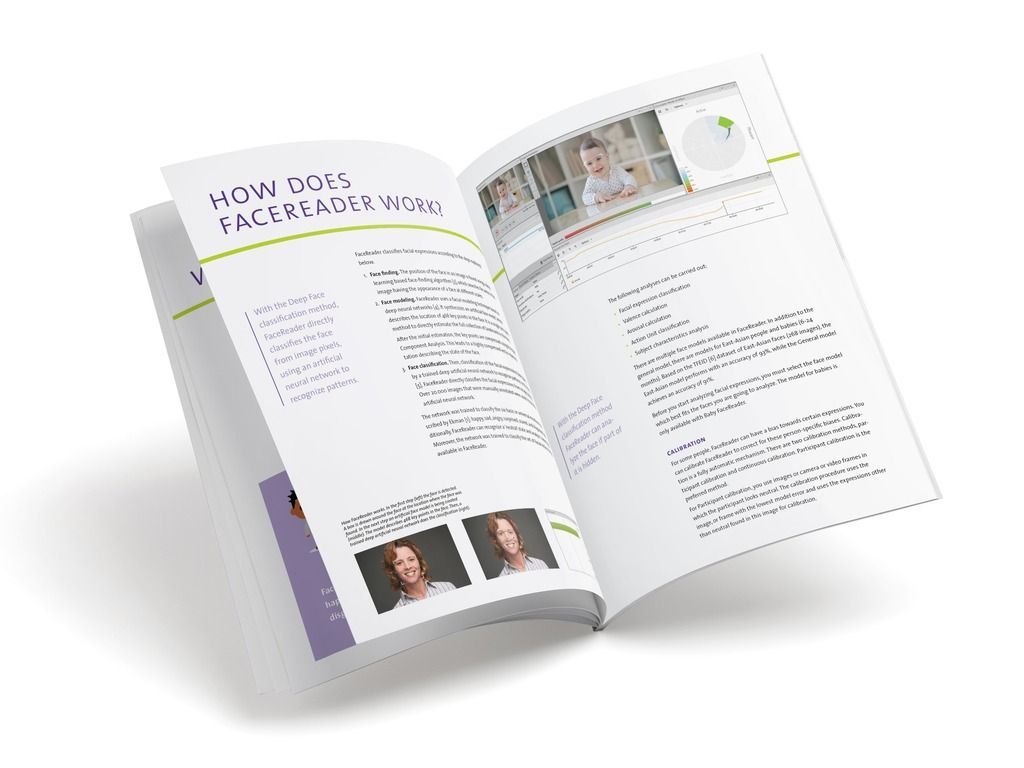
Download the free FaceReader methodology note to learn more about facial expression analysis theory.
The research team also examined how ToM and EF relate to facial mimicry in ASD. Theory of Mind refers to the ability to understand the mental states of other people, which is essential for social cognition. Executive functioning is a set of higher-order cognitive processes we need to plan our next move or inhibit our behavior. As such, EF is also a necessary skill for controlling imitation behavior. As the researchers from this study point out, it is worth investigating whether ToM or EF mediates the mechanisms of facial mimicry in children with autism spectrum disorders.
The team included 21 children with ASD in their study, as well as 22 typically developing children that were matched in age and IQ. To measure facial mimicry, all participants watched images of facial expressions for 6 basic emotions (happiness, sadness, fear, surprise, anger, and disgust).
At first, the children were simply told that they would watch facial expressions. This way, the researchers could observe automatic facial mimicry. Next, they asked participants to watch and simultaneously copy the facial expressions they saw on the screen, as a measure of voluntary facial mimicry.
During this task, children's facial expressions were recorded using FaceReader. The team used these recordings to measure how accurately they copied facial expressions and with which intensity.
MEASURE YOUR EMOTIONS
Curious what emotions your face shows? Upload a photo here, and our FaceReader software will test it for emotionality.
In both groups, children's facial mimicry was more accurate in the voluntary condition compared to the automatic copying of facial expressions. Interestingly, there were no differences in accuracy between the groups. However, the research team found that children with ASD show lower facial mimicry intensity than their typically developing peers, for emotions happiness, sadness, and fear.
Moreover, they found that both automatic and voluntary facial mimicry were correlated with Theory of Mind (ToM), and not executive functioning (EF). As reduced facial mimicry is also associated with greater social dysfunction5, these results support the idea that ToM mediates the relationship between ASD symptoms and intensity of facial mimicry.
So, what does this mean for helping children with ASD? As the researchers suggest, atypical facial mimicry may be an additional marker to help refine the diagnosis of autism spectrum disorder. In other words, studying how children copy facial expressions may help to figure out more about their symptom severity, particularly regarding social dysfunction.
To use this information more reliably in clinical settings, the research team suggests that future research should focus on bigger and more varied samples of participants, as well as more dynamic facial expressions. This way, we'd get a better look at how children with ASD perform on facial mimicry in everyday life.
Within two specific populations researchers investigated the role of facial expressions on social interactions.
Read More arrow_forward
When you are studying developmental psychology, you’re studying how people grow and develop, all the way from childbirth to the end of their lifespan. What are examples of developmental psychology?
Read More arrow_forward
Our understanding of autism spectrum disorder (ASD) has developed a great deal over recent years, but there is still much work to be done.
Read More arrow_forwardWe'll get back to you shortly.
Please correct the following errors: