
Organized chaos or well-oiled machine? Optimizing safety & efficiency in an OR
Dr. Joseph and her team searched for solutions to minimize flow disruptions in Operating Rooms and make them as safe and efficient as possible.
Read More arrow_forwardHealthcare simulations aim to educate students, to assess performance or practice with new tools or methods, and help to study teamwork and communication.
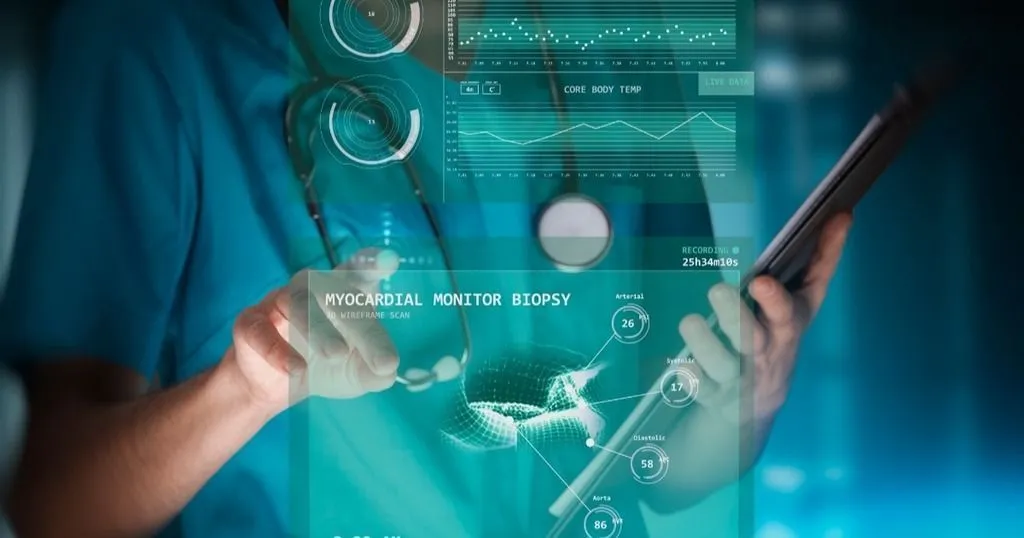
Years ago, when I was trained as a nurse, my fellow students and me were regularly found in an exercise room, standing next to a hospital bed with a plain manikin, or just one of us, in it. We practiced all kind of technical skills, such as measuring vital functions and lifting techniques. I experienced this as a pleasant way to learn skills and to gain confidence in my own abilities.
Gaining confidence is an important goal of simulation-based training and an essential part of education. Fortunately, many improvements have been made to these simulation-training courses in the meantime. For example, virtual reality is now being implemented. In my time this didn’t even exist… such a pity!
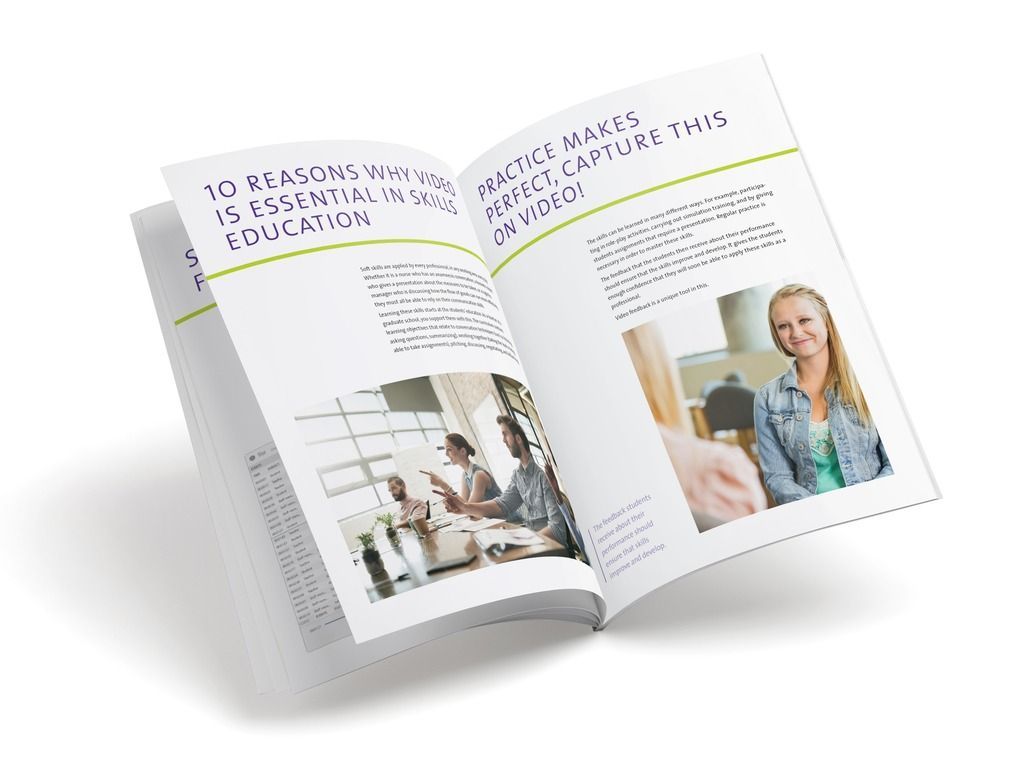
FREE WHITE PAPER
10 Reasons why video feedback is essential in skills education.
Healthcare simulations aim to educate students and professionals, are used to assess performance or to practice with new tools or methods, and help to study, for example, teamwork and communication.
Simulations may also add to our understanding of human behavior in the true–to–life settings in which professionals operate. An advantage of simulation-based trainings is that it allows students and professionals to learn in an environment that permits errors, and that they do not put actual patients at risk.
The highest goal for every healthcare worker is to improve patient safety. Simulation-based training can achieve that.
In a previous blog post, you can find five reasons why simulation training in healthcare works!
In healthcare education and in nursing programs in particular, there has been an increasing use of human patient simulation (HPS). A HPS is a life-like, anatomically correct, computer driven manikin with physiologic responses that mimic real patients. Using HPS can assist in reducing the gaps between theory and practice by improving critical thinking, decision-making, and patient outcomes.
However, the costs of using HPS are significant and can be a barrier for institutions. The HPS simulation program requires someone to facilitate the briefing, scenario, and debriefing; a technologist to manage manikins and recording equipment; and a high-fidelity simulation suite, along with the costs of manikins and supplies. Is there another way to increase quality simulation time for students in a cost-effective manner?
Perhaps a virtual interactive digital simulator (IDS) is the solution. Instead of learning on a manikin, students work with the image of a patient that appears on an interactive, computerized, touch-table patient simulator. After choosing from a set of scenarios, such as patients with respiratory distress, and setting the duration, students can carry out their assessment or treatment plan and reevaluate their decisions.
The research team of Lorraine Betts at the George Brown College Centre for Health Sciences in Toronto, Canada, decided to evaluate both the HPS and the IDS learning experience with Year 2 practical nursing students. Both groups were given an asthmatic patient scenario. This scenario design expected the students to follow the nursing process, aligned with all four stages and learning styles of Kolb’s theory of experiential learning (experience, reflect, conceptualize, and test).
Various components were measured:
Results showed that the mean satisfaction score for the IDS group was 16.2/20 (81.4 percent) compared to 18.6/20 (93.1 percent) for the HPS students. The mean self-confidence score for the IDS group was 26.5/35 (75.9 percent) compared to 29.3/35 (84.6 percent) for HPS. On the other hand, IDS students completed 58.3 percent of the top priority action items and students in the HPS group completed 43.9 percent.

FREE DEMO VISO
Request a free demonstration to find out why AV recording tool Viso is the right tool for your educational institution!
The explanation given by the researchers for the higher satisfaction and self-confidence scores in the group that used HPS is that they are more familiar with this type of education, whereas IDS was completely new to them. The reason that IDS resulted in a higher performance of priority actions was most likely because it is easier to take action using IDS than with the HPS. With IDS, it is just as simple as pressing a button.
The researchers conclude that both IDS and HPS offer important although different types of simulation learning opportunities. Therefore, the need for exploring systems such as IDS that support student learning through simulation within the budget constraints of educational institutions remains very important.
It was also noted that nursing students need to be able to evaluate their interventions. These two systems can contribute to this since the systems respond to the questions and actions of the students, but also the debriefing function of Viso is very suitable for this.
While playing back the audio/video recordings of the simulations during debriefing, students can see what actually happened, discuss the annotated moments, and consequently gain deeper insight.
Betts, L; Schmid, J.; Sivaramalingam, S. & Verkuyl, M. (2020). Using Virtual Interactive Digital Simulator to Enhance Simulation Experiences for Undergraduate Nursing Students. Nursing Education Perspectives, 41(3), 193-194. doi: 10.1097/01.NEP.0000000000000472
Kolb, D. (1984). Experiential learning: Experience as the source of learning and development. Englewood Cliffs, NJ: Prentice-Hall.
https://www.simplypsychology.org/learning-kolb.html
https://www.ssih.org/About-SSH/About-Simulation
https://escholarship.umassmed.edu/gsn_diss/15/
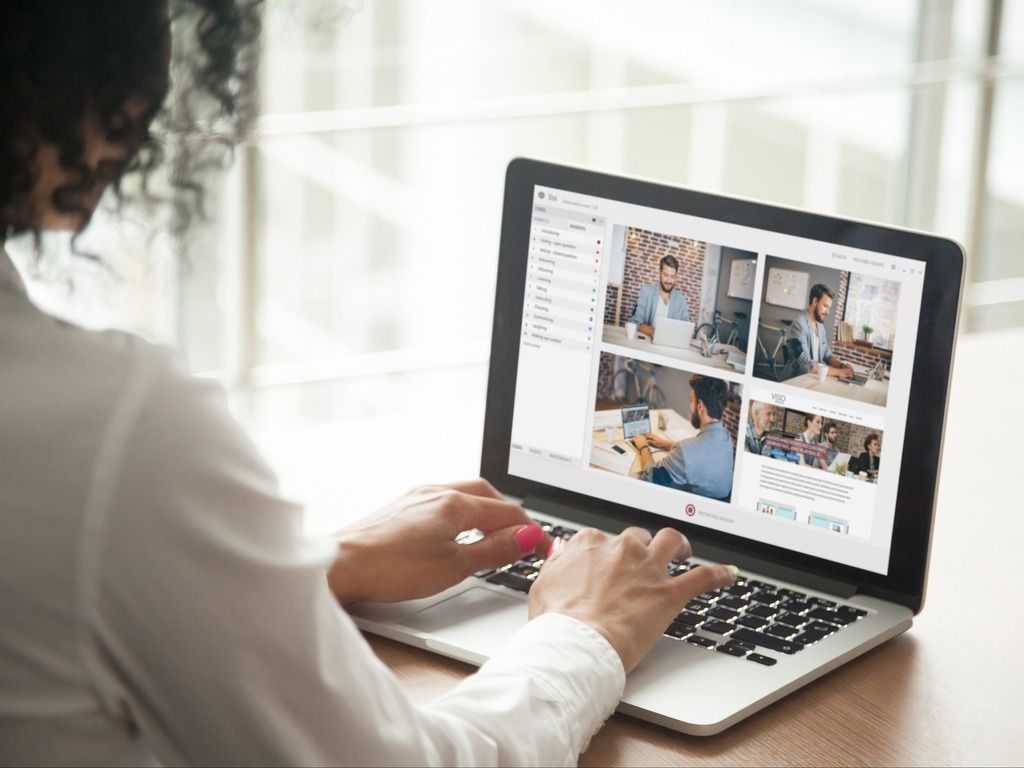
Find out how Viso is used in a wide range of industries and how it can elevate your project.
Dr. Joseph and her team searched for solutions to minimize flow disruptions in Operating Rooms and make them as safe and efficient as possible.
Read More arrow_forward
Simulation can be a useful tool in the development of new standard operating procedures and policies needed to respond to crises like COVID-19.
Read More arrow_forward
The world's population is ageing. International dementia and Alzheimer organizations state that there are an estimated 36 million people worldwide with dementia.
Read More arrow_forwardWe'll get back to you shortly.
Please correct the following errors: