Blog Posts Tagged: noldushub

Surprising the senses: how unexpected flavors reveal consumer emotions
What happens when your brain expects something sweet, but your mouth gets savory? Researcher Artur Głuchowski used this twist to uncover how we emotionally react to unexpected food.

5 Must-read articles to explore human behavior and emotions
Studying human behavior reveals surprising insights about what drives our actions and emotions. In this blog, we share five insightful articles that explore what behavior is, how emotions are made, and the tools researchers use to study them.
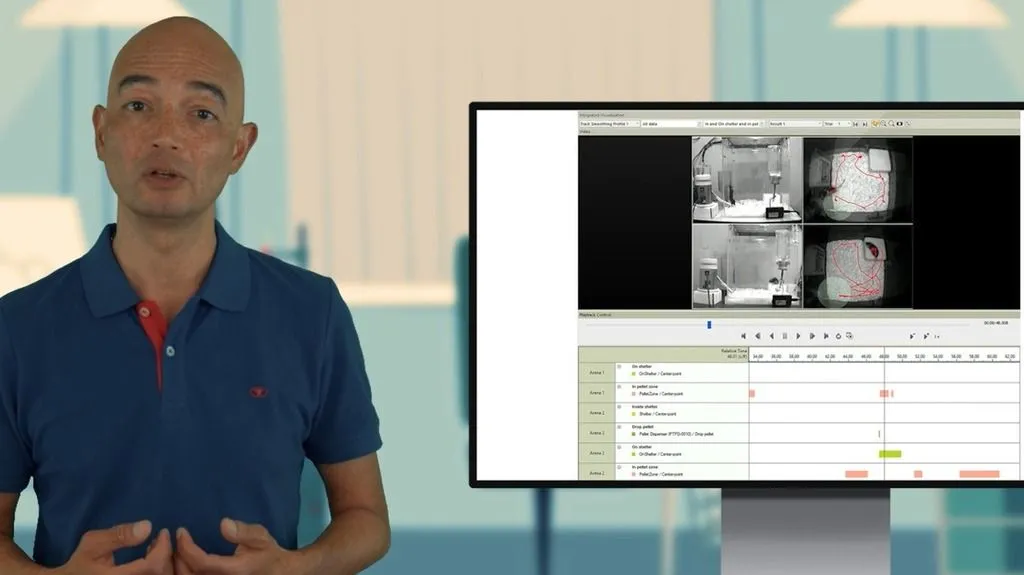
Unlock the full potential of your research tools
Unlock the full potential of your research with Noldus Academy. Discover expert-led courses, on-demand tutorials, and webinars that help you master Noldus software, boost efficiency, and ensure high-quality data collection.

What is cognitive load, and how does it help us understand human behavior?
By exploring cognitive load, researchers gain insights into how people process information, respond emotionally, and manage decision-making. How cognitive load and one of its most reliable indicators, pupil dilation, is crucial in human behavior research.

How to study developmental psychology: methods, designs & tools
What should you consider when setting up a study in the field of development psychology? Read on to learn more about methods, designs & tools.

Human Factors and Ergonomics research in the spotlight
We want to set the spotlight on new developments and publications in Human Factors and Ergonomics research. From maritime simulation centers to the use of video observations in human factors research.
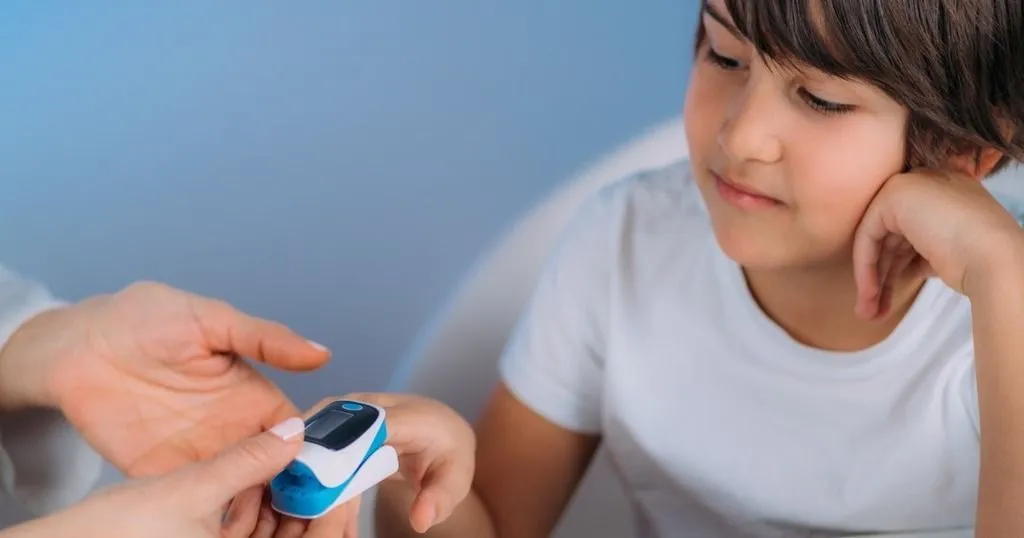
How to easily apply multimodal measurement during research with children
A child development researcher can encounter quite a few challenges when wanting to measure multiple data streams. How do you make that run as smoothly as possible plus integrate all data seamlessly?
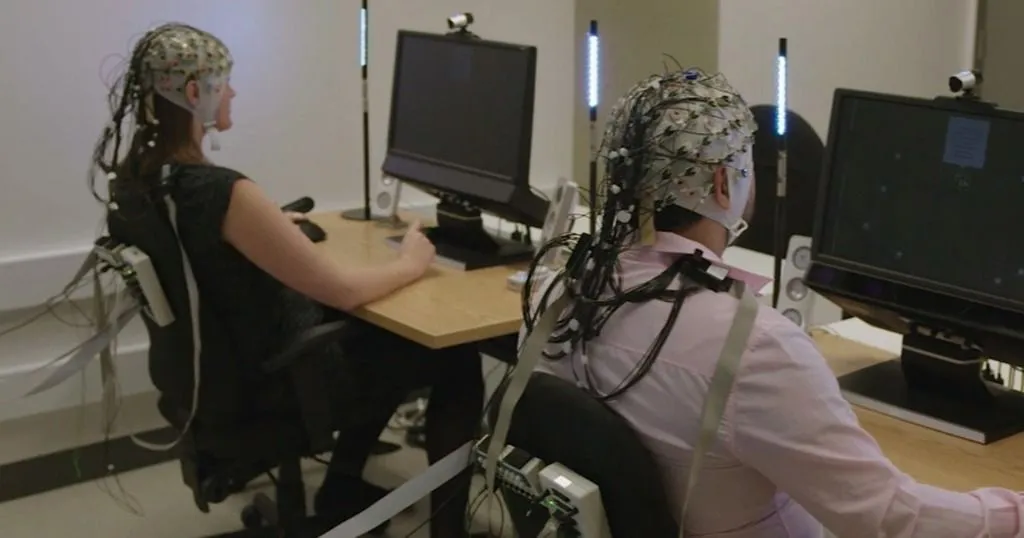
What is biometric research?
Biometric research helps scientists uncover subconscious processes related to attention, cognition, emotion, and physiological arousal.
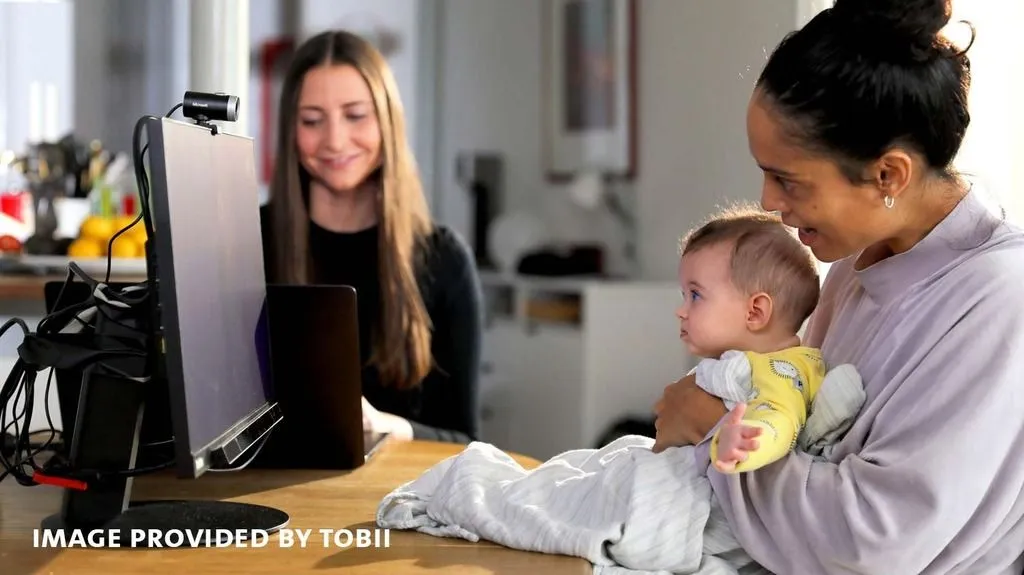
Examples of eye tracking lab set-ups
Can you imagine, in the 19th century the study of eye movements for instance was done by means of direct observations? Luckily, nowadays eye tracking can easily be automated.
Thank you!
We'll get back to you shortly.
Please correct the following errors:
Thank you for registering!
We look forward to seeing you at the NoldusViso launch event.
Please correct the following errors: