Behavioral Research Blog
Insights, research, and innovations in human and animal behavior research
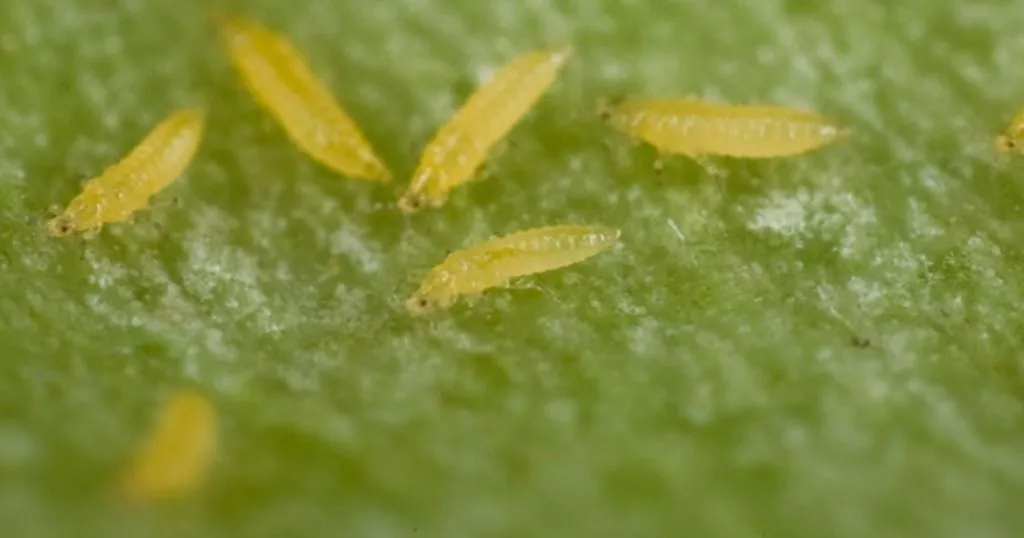
Identification of thrips resistance in Arabidopsis
Maarten Jongsma explains how he used EntoLab to facilitate insect choice assays and automate the acquisition and analysis of movement tracks. Two Arabidopsis accessions were tested for resistance to western flower thrips.
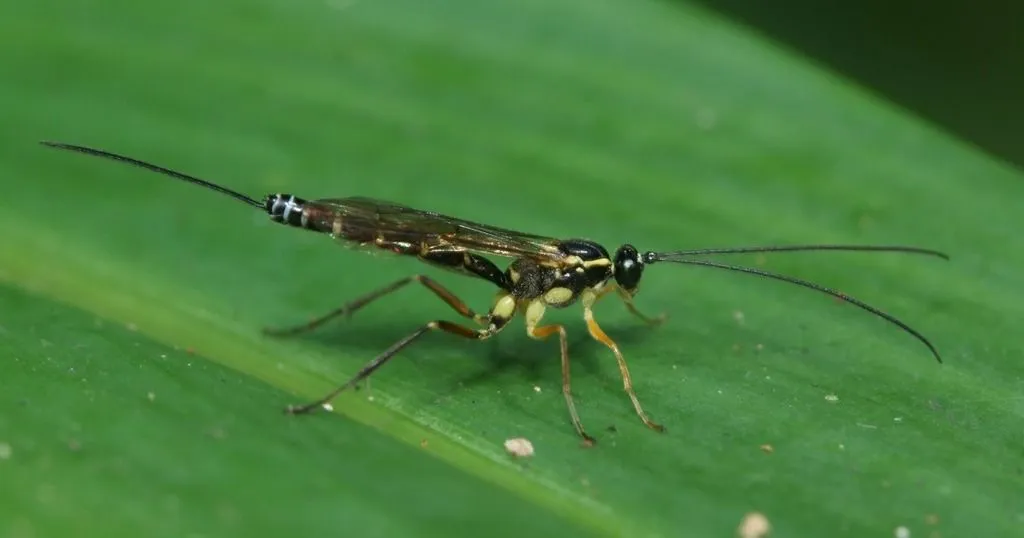
High-throughput screening of beneficial insects
Jessica de Bruijn used EntoLab for automated high-throughput screening of parasitic wasps in individual olfactory 2-choice tests. Various behavioral parameters were measured to compute a memory retention index.
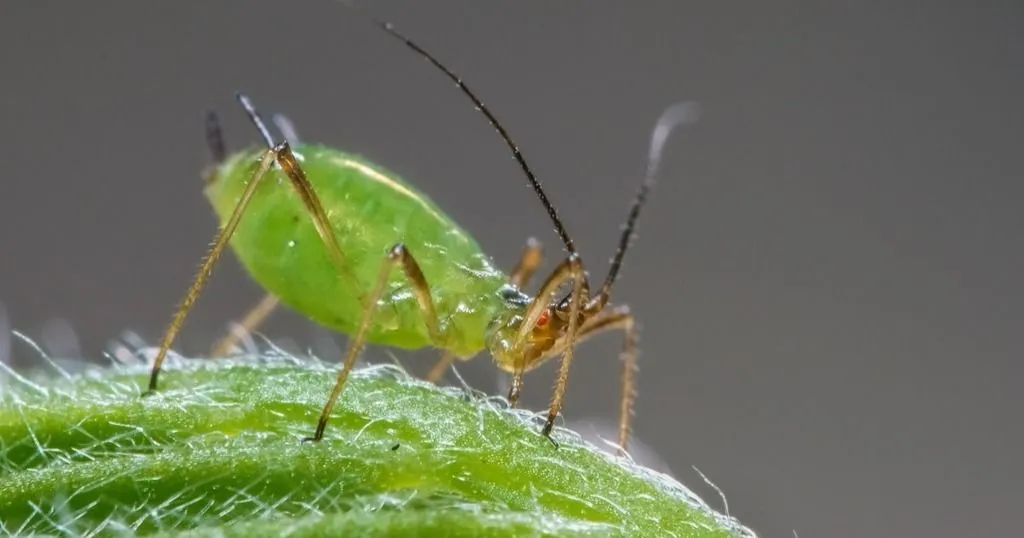
Identification of an aphid resistance gene in Arabidopsis
Karen Kloth used EntoLab in her research on the genetic basis of plant resistance to aphids. Genome-wide association mapping of aphid behavior on 350 natural Arabidopsis accessions led to the discovery of a new gene.
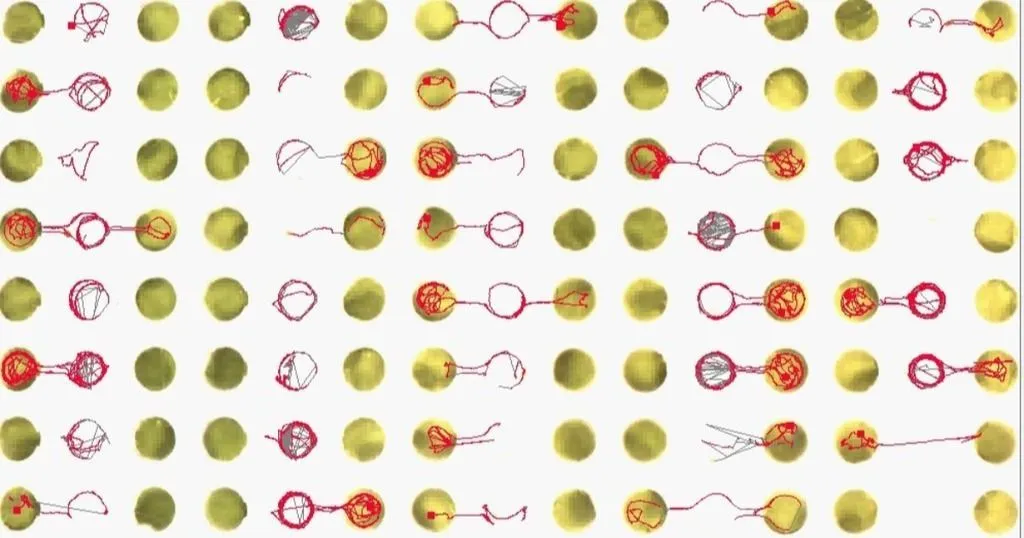
Screening insecticides for efficacy or tolerance
Maarten Jongsma and colleagues use EntoLab to detect changes in insect behavior that provide a sensitive method for identifying and quantifying resistance development. They tested this approach with pyrethrins against aphids.
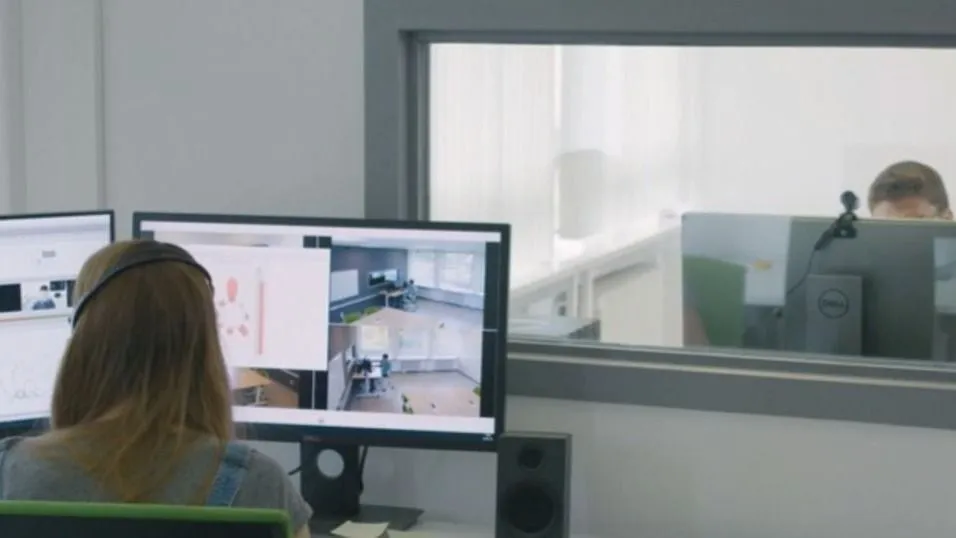
How to conduct research with human participants during COVID-19
Are you going to pick up research with human participants again? Here are some useful tips to ensure safety and hygiene in a corona-proof lab.
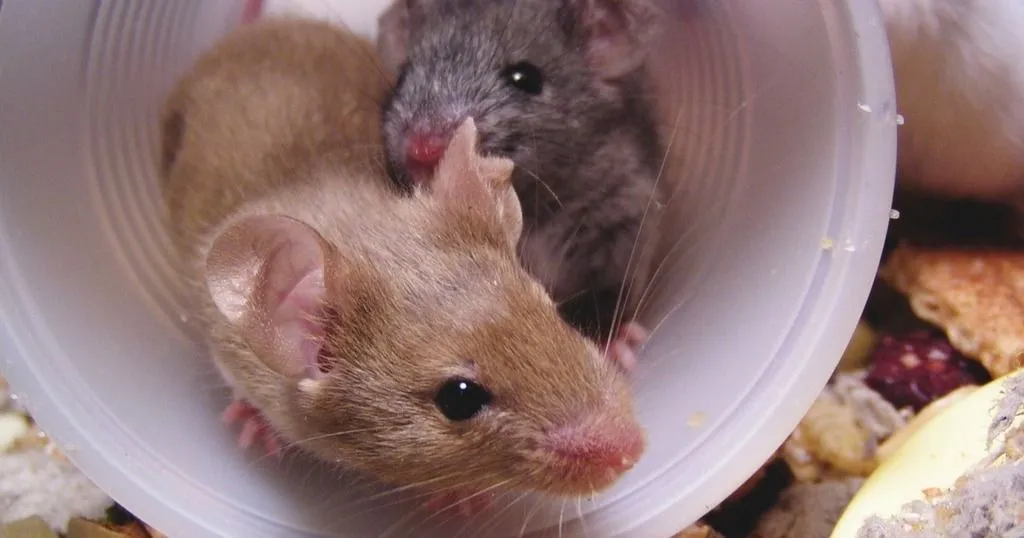
Decoding memories during day and night
Unraveling the role of protein synthesis in memory storage across the day and night in a mouse model - how researchers are gaining insights into sleep deprivation and its consequences.
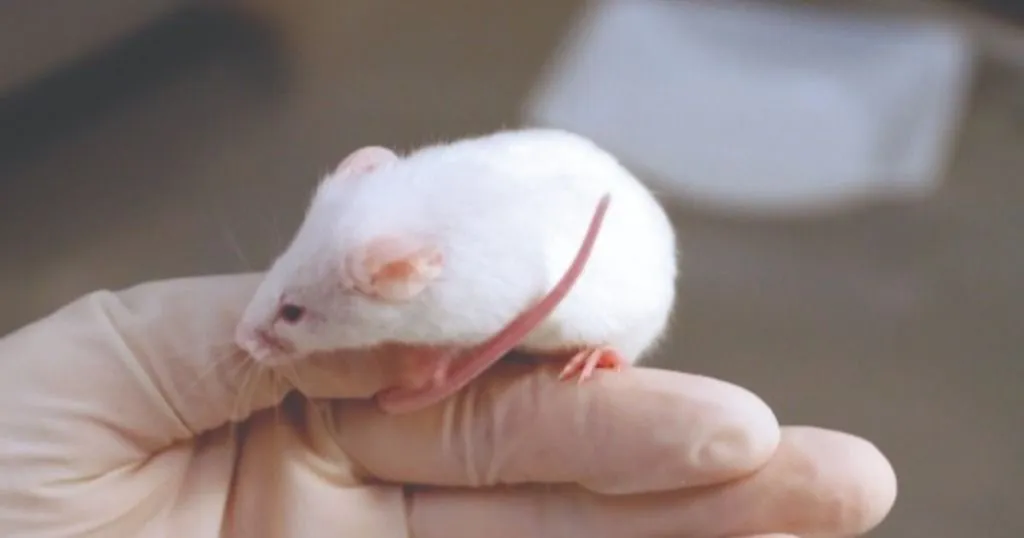
CatWalk XT: Valid tool for objective gait analysis in TBI mice model
Many people suffer from TBI and consequently also long-term gait and motor function deficits. For this reason, functional outcome became the focus when developing new treatment strategies for TBI.

Alexa, Siri, Google – Are voice assistants the future of marketing?
Voice assistants – they are found in almost every aspect of our daily lives. Elaine Mathe studied how users interact with voice assistants and what emotions they show in response to played ads.

Simulation-based training in times of crisis
Simulation can be a useful tool in the development of new standard operating procedures and policies needed to respond to crises like COVID-19.

The eyes have it: face masks and non-verbal communication
When seeing another person wearing a face mask, humans have to rely on visible facial signals, which are the eyes and eyebrows. Looking someone in the eye is an important part of communication.
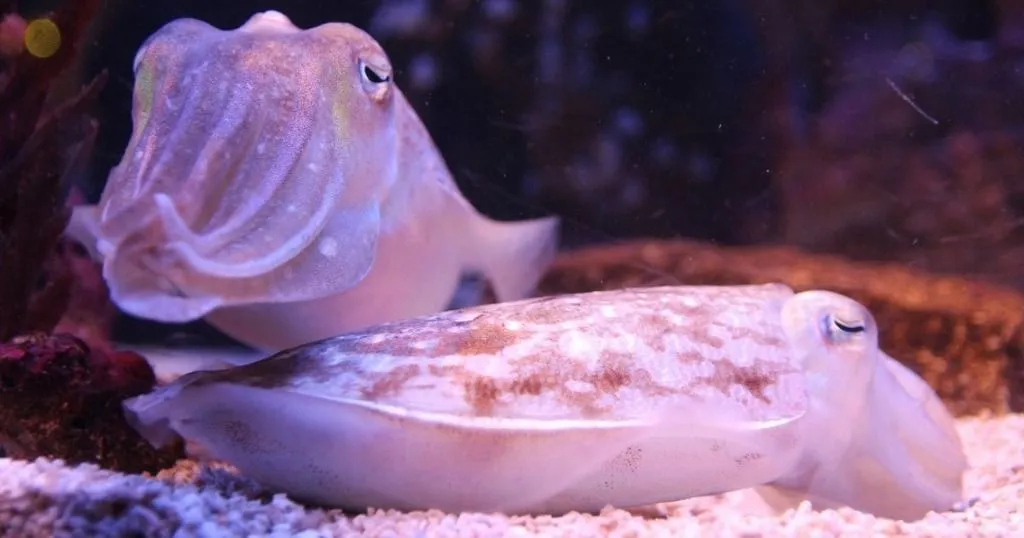
How to unravel the long-term memory of cuttlefish: automated video tracking
Did you know that cuttlefish have three hearts, have such an advanced vision that they can see what’s behind them, and can count to five?
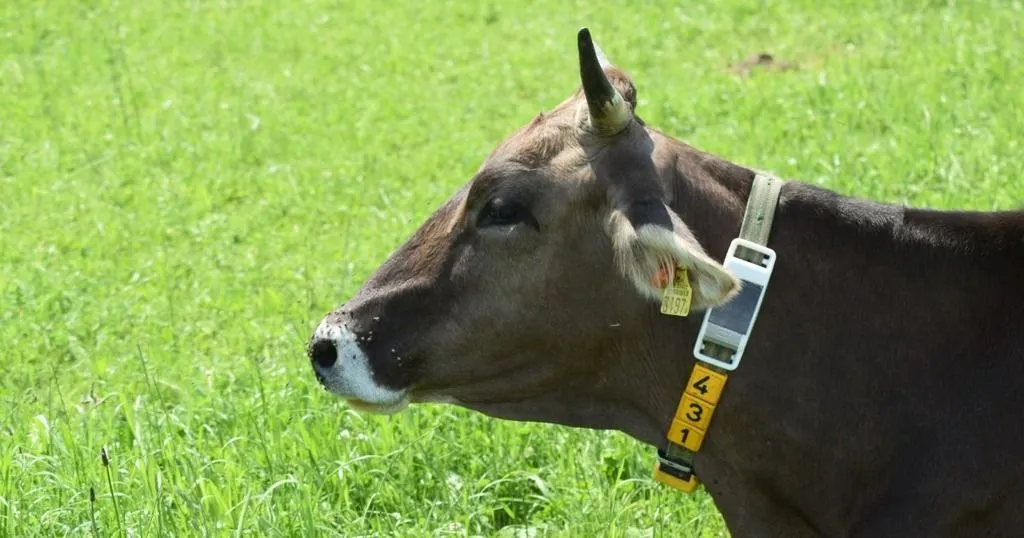
The Internet of Things, LoRa, 5G, and measuring behavior
New techniques for connecting sensors will provide opportunities for researchers measuring behavior.
Thank you!
We'll get back to you shortly.
Please correct the following errors: