Behavioral Research Blog
Insights, research, and innovations in human and animal behavior research

What does an infant’s gaze tell us about how hungry they feel?
McNally and her colleagues developed a coding scheme to observe infant gaze behavior and applied it in a study of complementary feeding.

Diazepam in the battle against Alzheimer’s
Scientists have found out that a low dose of the tranquilizer diazepam reduces the breakdown of neurons, seen in the development of Alzheimer’s disease.

Assessing gait in a mouse model for Leigh Syndrome
There is an unmet medical need to develop clinical effective treatments for Leigh Syndrome and other mitochondrial diseases. Today, Dr. de Haas shares some of her research insights.

How do children interact with their older autistic siblings?
In celebration of World Autism Awareness Day, this blog post focuses on the social interactions between children and their older autistic siblings.

Serious gaming reduces anxiety in children
What is the effectiveness of the applied game called MindLight in teaching children how to cope with anxiety? Wols et al. investigated this game-based intervention.
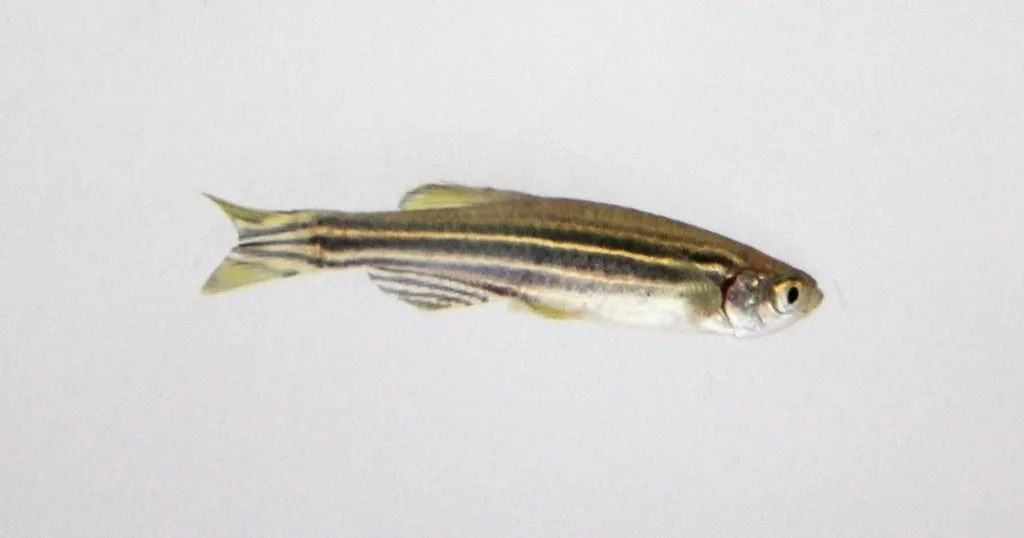
Zebrafish help us to understand neurodegenerative and neuromuscular diseases
Teresa Capriello and colleagues use zebrafish to study the neuronal mechanisms of heavy metals in connection to neurodegenerative and neuromuscular diseases.

A closer look at eye contact
Infant siblings of children with or without ASD participated in a study to determine whether gaze behavior showed during a test with an unfamiliar examiner could predict gaze behavior in a more naturalistic context.
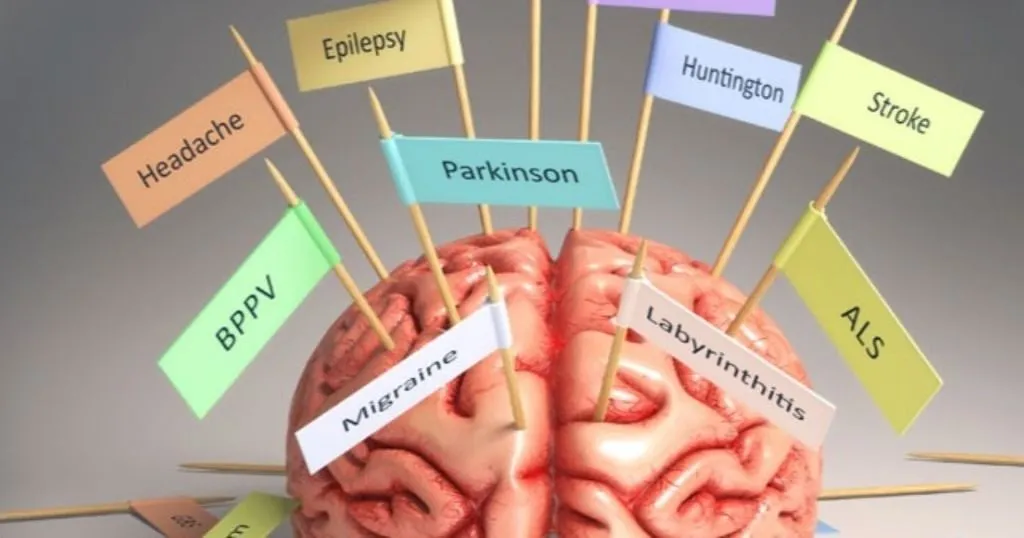
5 blog posts about brain research
During the annual Brain Awareness Week, international attention focuses on the brain to increase public awareness of the progress and benefits of brain research.

Shopping behavior - what can we measure in a retail environment?
Shopping ambience conditions such as light, sound, and smell are thought to affect shoppers’ browsing behavior and can increase sales due to impulse buying.

Parkinson's disease research - Relevant measures in pre-clinical studies
Parkinson’s disease: the neurodegenerative disorder that affects mobility in a life-changing way. Learn more about relevant measures in pre-clinical studies.

PCIT: Parent-Child Interaction Therapy
What is Parent-Child Interaction Therapy? It helps improve family dynamics by working to reduce negative behavior and interactions, and to practice new behaviors and ways of communicating that are more encouraging.

How botulinum toxin affects facial expression
For the past twenty years, the demand for cosmetic procedures to the face has increased drastically. New technologies have become available that make it possible to look ‘better and younger’.
Thank you!
We'll get back to you shortly.
Please correct the following errors: