Behavioral Research Blog
Insights, research, and innovations in human and animal behavior research

Simulation-based team training in obstetrics
The study of Annemarie Fransen and her team shows that simulation-based team training is effective in improving communication and cooperation of obstetric care teams.

UX: from the Anthropocene to science fiction and moonshots
Even after spending a decade in contact with User Experience researchers and professionals, the domain never stops to fascinate and amaze me. In October I had the privilege of joining the 10th NordiCHI conference, in Oslo.
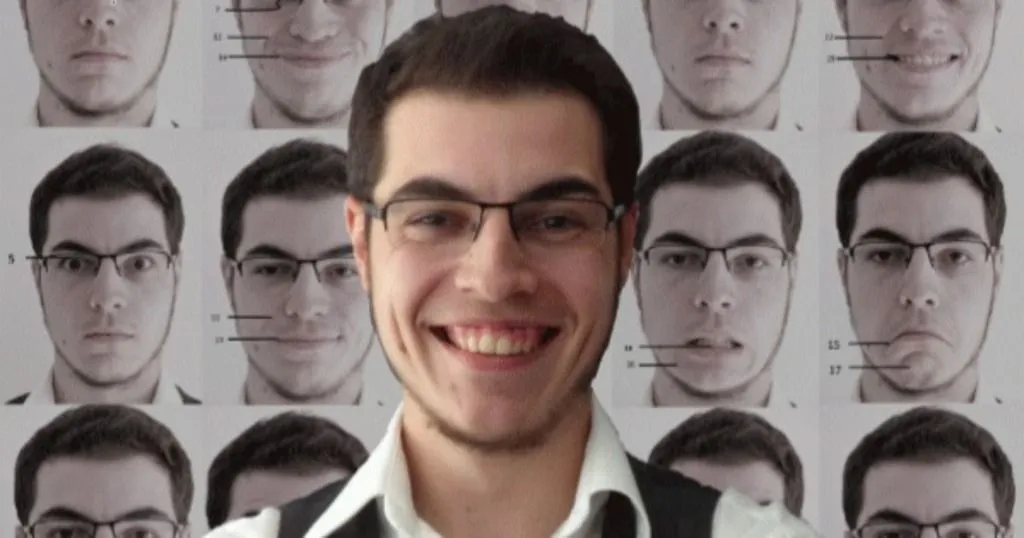
Validation-study: Basic emotions and Action Units detection
Guest blogger Jan Zumhasch, a certified FACS-coder, explains why FaceReader is amazing if you want to analyze facial expressions and emotions.
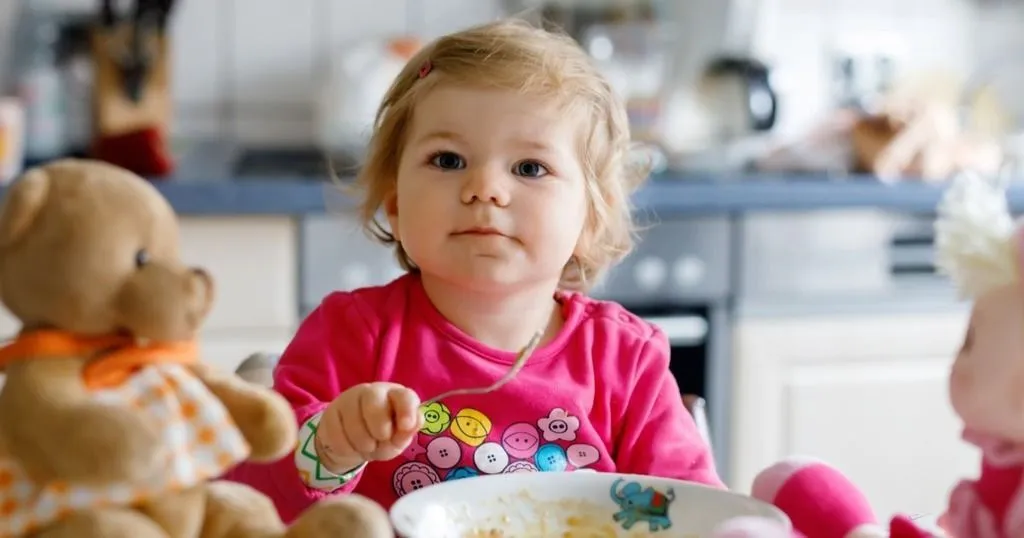
Analyzing the mealtime behaviors of children with autism
Disrupted mealtimes and feeding challenges may risk the development of family stability, as well as the social skills and well-being of a child. Which strategy should families use to support meal time engagement?

Smile like you mean it
Of all human expressions, a smile is the most universal. But can you tell which smile is real and which is false?
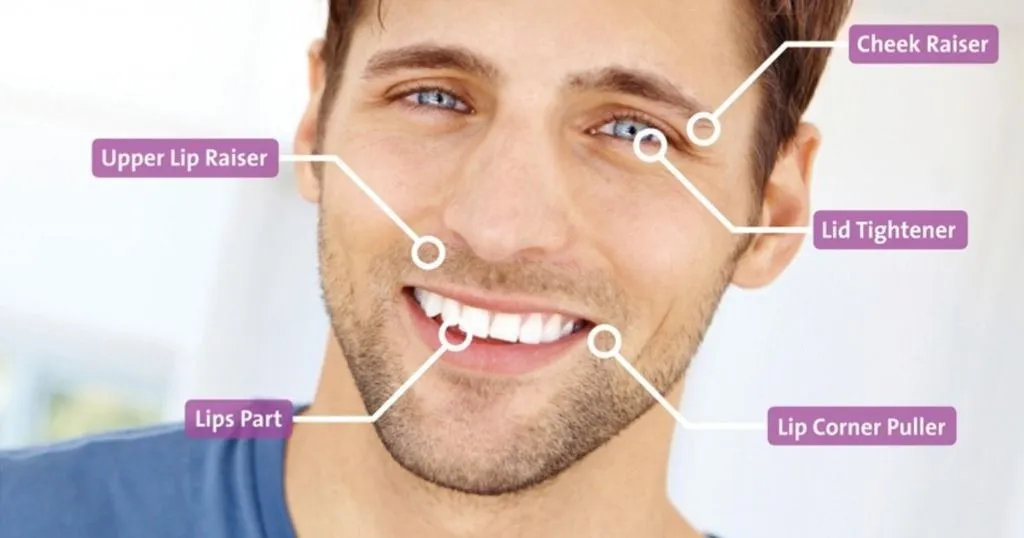
How to master automatic Facial Expression Recognition
Many researchers have turned towards using automated facial expression recognition software to better provide an objective assessment of emotions.
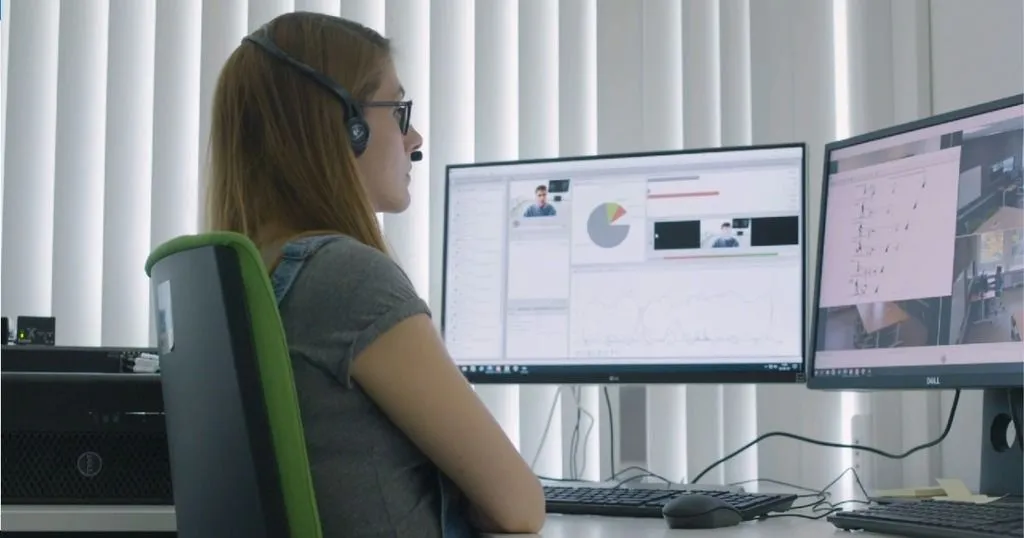
Understanding the digital world at the Social Media Lab
In this unique lab, technology is applied to understanding user experience, behavior on social media, and much more.
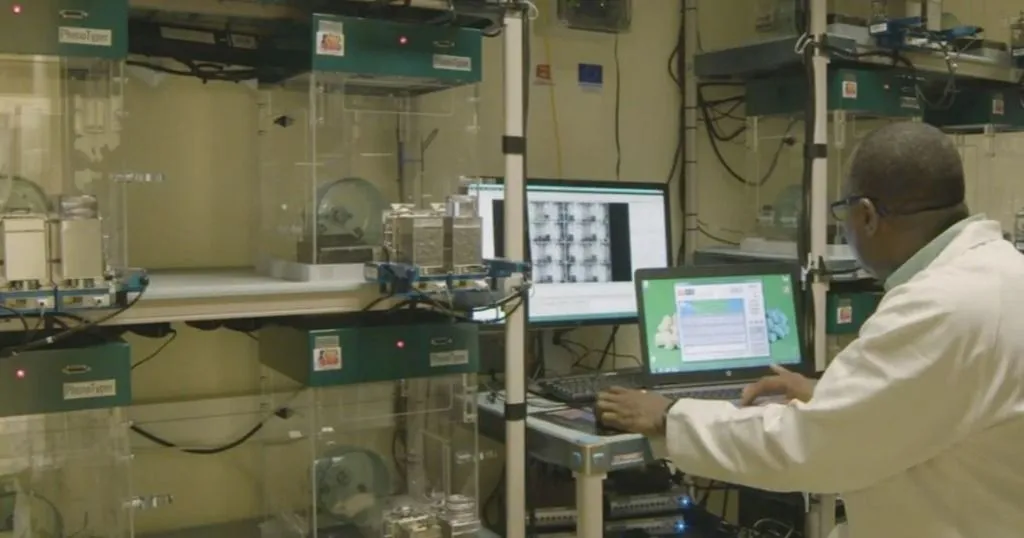
How to characterize behavioral phenotypes in a behavioral analysis facility
Introducing the Behavioral Analysis Facility. Researchers evaluate the behavioral and functional activities of new pharmacological drugs using diverse functional tests. Learn more about their recent projects.

Normalization of blood sugar reduces enhanced rewarding effect of smoking
Why are the rewarding effects of nicotine greater in diabetic rats?

Using facial expression analysis during a musical experiment
Music affects people, that's for sure. But to what extent varies per person. To measure facial expressions during a musical experiment, FaceReader Online is the easy-to-use tool.
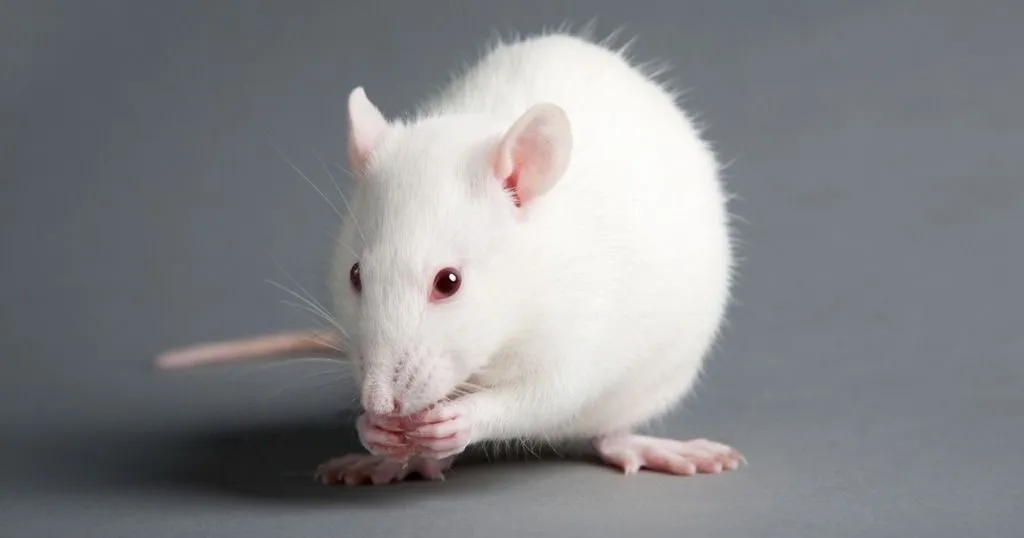
Using gait analysis to analyze Parkinson’s in rat model
Contrary to common methods, gait analysis can detect clinically relevant symptoms early on, researchers say.

The role of explicit bias in working with depressed cardiac patients
Using simulated medical encounters, Dr. Crapanzano and her team measured the influence of bias in the medical students' diagnosis and treatment plans for a patient presenting as mildly depressed.
Thank you!
We'll get back to you shortly.
Please correct the following errors: