Anxiety, Depression and Fear Blog Posts
Many psychiatric illnesses are depression- or anxiety-related disorders. Behavioral tests with rodents are crucial to get insights on the underlying mechanisms and eventually find new treatments. A majority of studies utilize mazes such as the elevated plus maze, zero maze, or open field, to investigate rat or mice behavior. Discover more with these blog posts and publications on our Behavioral Research Blog.

Animal research assists in understanding fentanyl withdrawal symptoms
Drug overdose lethality has risen over the last years. Fentanyl is the biggest contributor to deaths in the USA. In this blog we explore the complications with researching fentanyl and how animal models provide much needed insights.
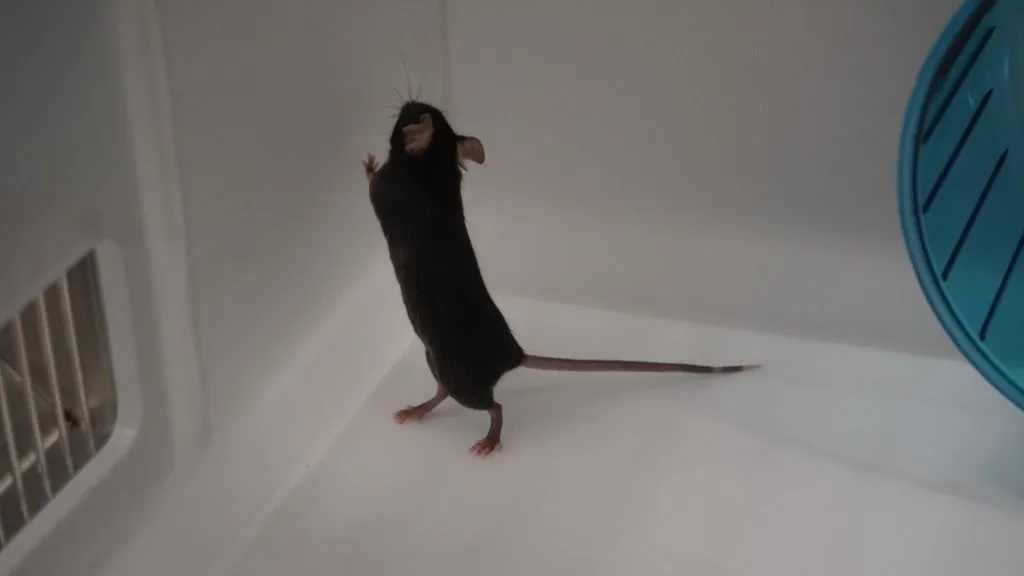
Left on read - how social rejection rewires the teenage brain
A recent study combined behavioral tracking with immunohistochemistry to research how a developing brain processes social exclusion. Keep reading to find out how EthoVision XT enables anxiety research.
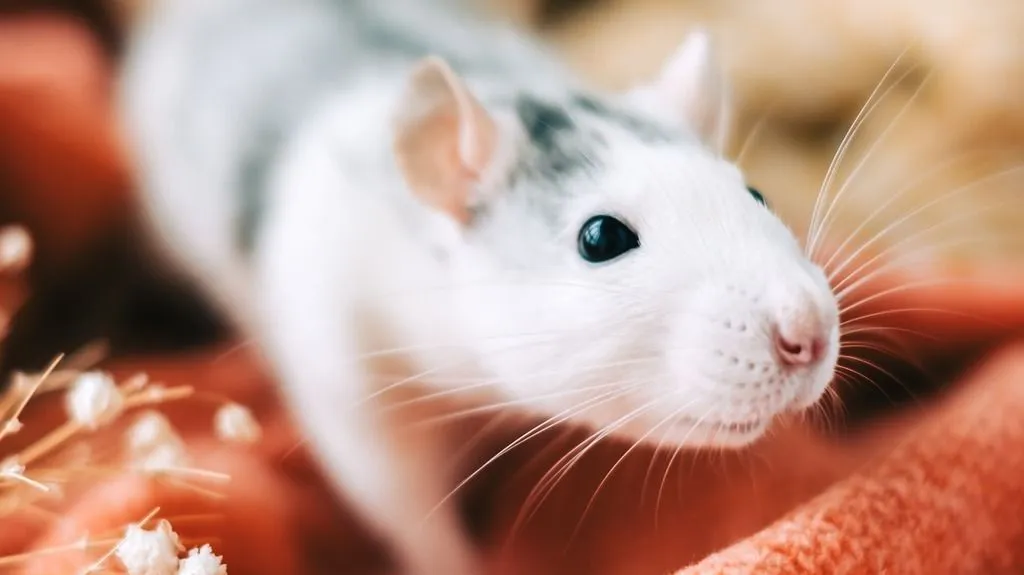
The lonely brain: is resilience biologically encoded?
Social isolation causes depression to some, but not to everyone. With the use of EthoVision XT, researchers were able to research the biological processes underlying depression. Read this blog to learn more about their insights.
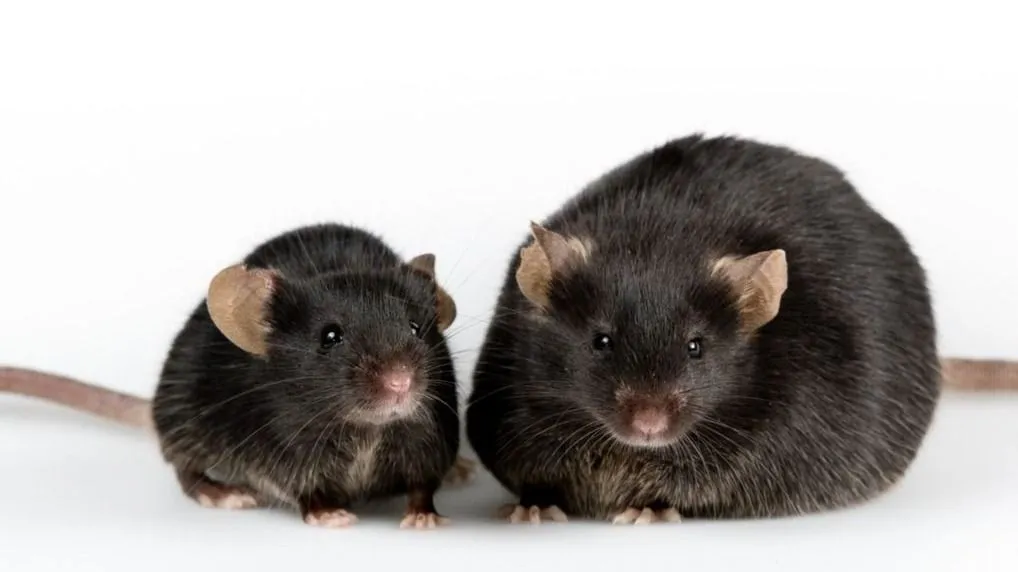
Does obesity cause anxiety?
In this blog we explore the relation between a high fat diet and anxiety in rodents. Recent data obtained with EthoVision XT show that it might not be as clear cut as it once seemed.
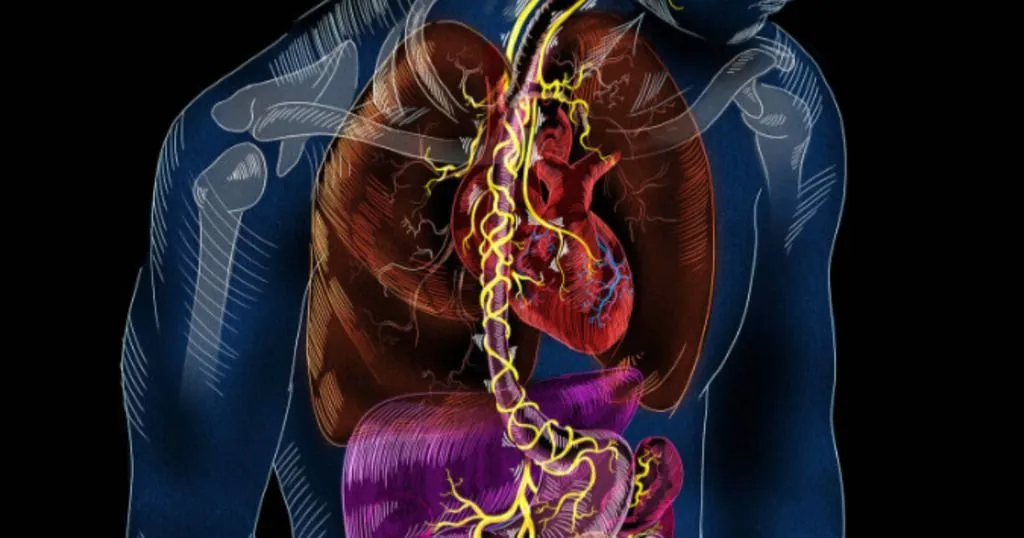
Our gut microbiota influences how we feel
Our guts are our second brain. But how does that work? Researchers implanted the gut flora of depressed mice into non-depressed mice and observed the results.

Replacing rodents with insects in behavioral testing
In this blog we delve into the use of flies as a new perspective for behavioral testing. How do they compare to rodents? And can conventional rodent tests be adapted to insects?
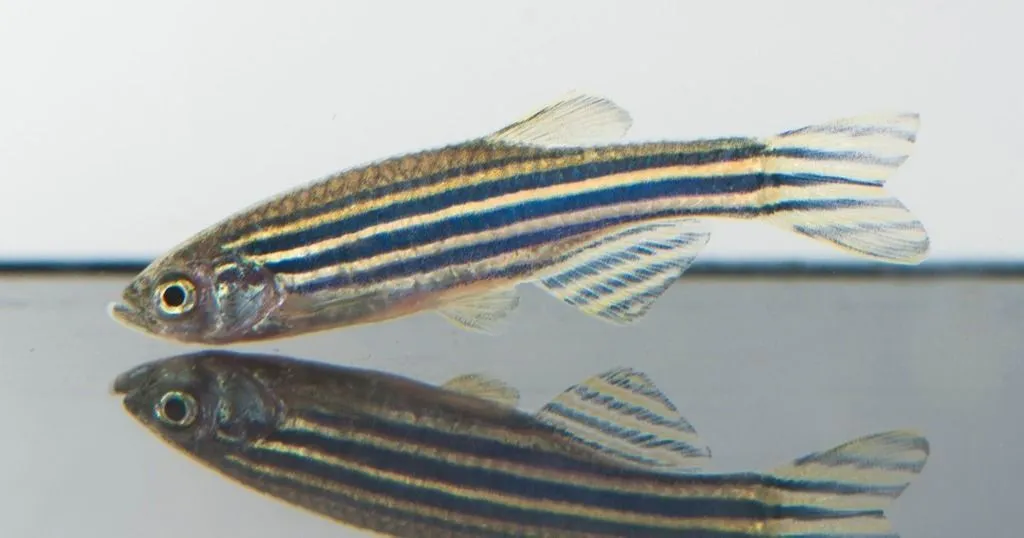
Diving deeper: Obesity and Anxiety, a scientific perspective
It seems that there is a relationship between poor mental health and obesity. But the exact reasoning is far from clear. Animal experiments can shed light on the situation
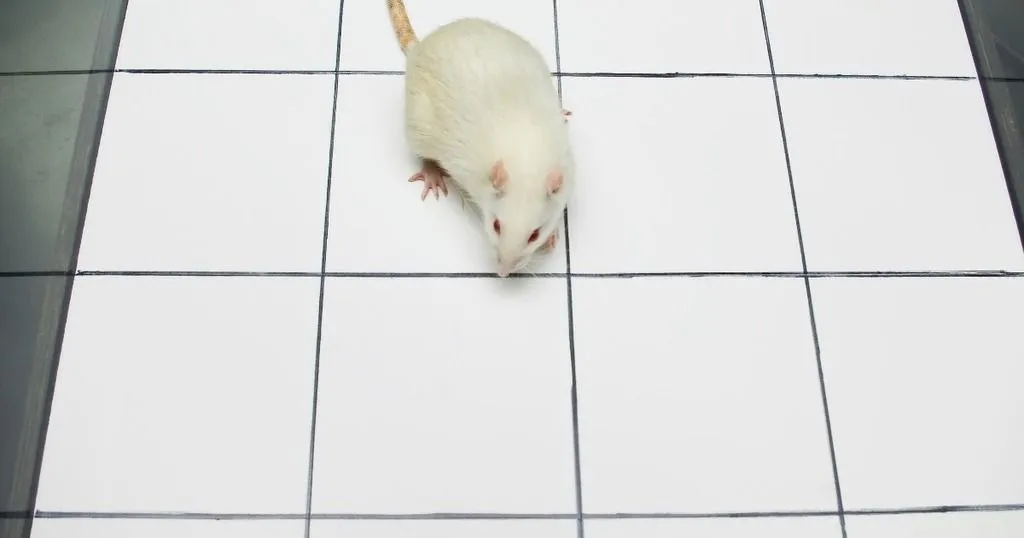
Early-life stress and the onset of depression later in life
I had a chat with my old department at the University of Groningen to see what they are currently working on. Read more about their reseach into early life stress!
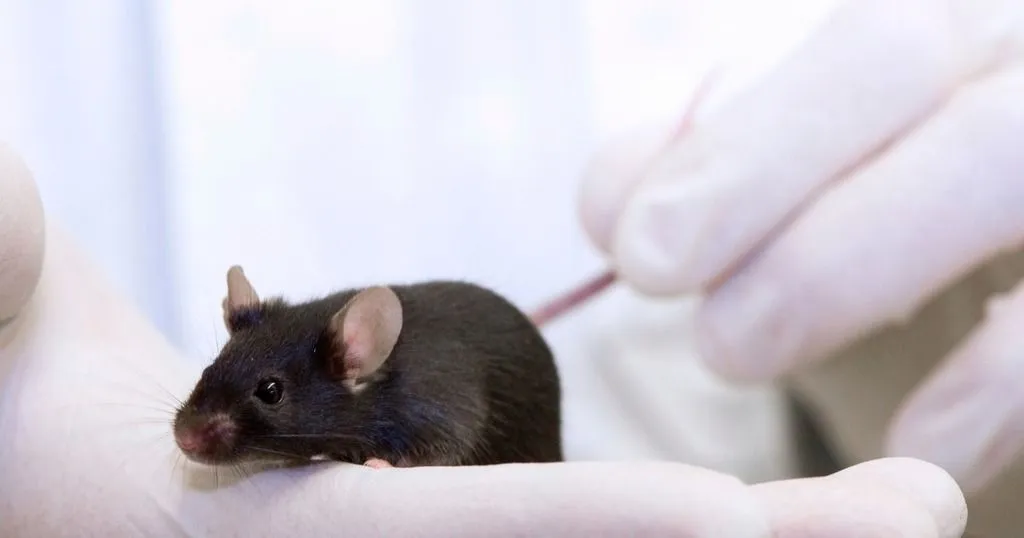
What is the connection between depression and rheumatoid arthritis?
Is depression in patients with rheumatoid arthritis caused only by the pain, or is something else also going on?
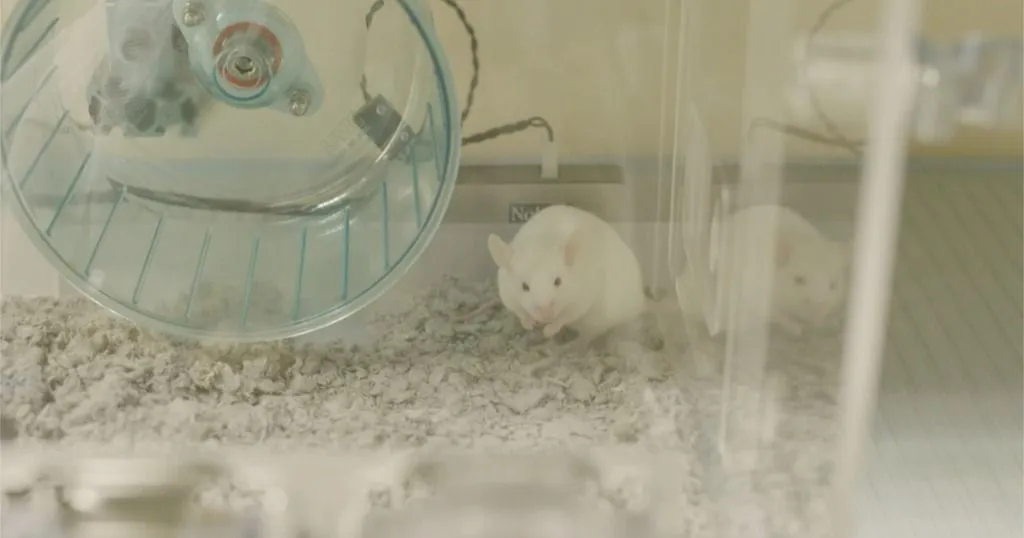
The Hypothalamus is involved in locomotion? Complex dopamine circuitry uncovered
By measuring locomotion and investigating dopaminergic neurons, complex dopamine circuitry is uncovered. How are amphetamine and our biological clock involved in this?
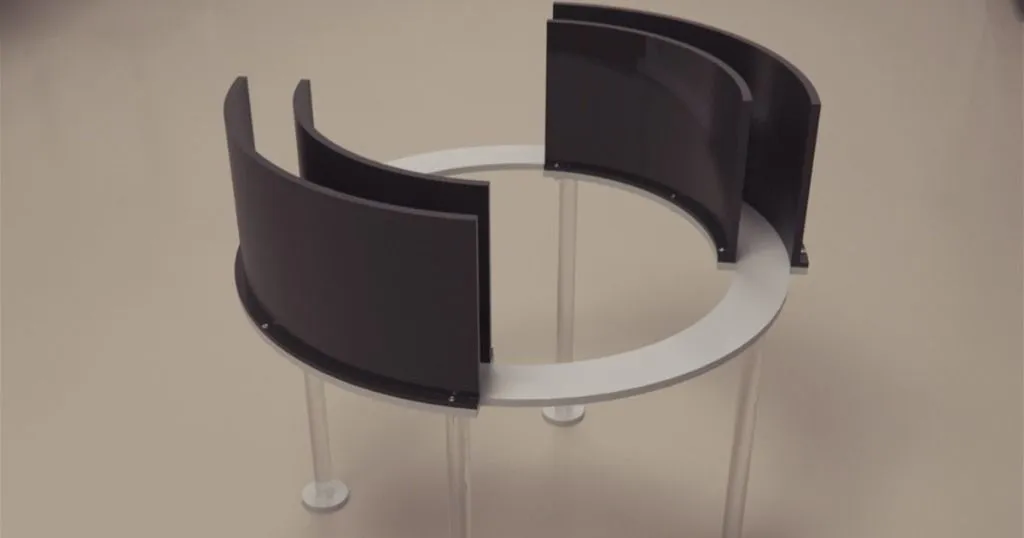
3 high impact papers about measuring anxiety in the Elevated Zero Maze
The elevated zero maze (EZM) is a variation on the elevated plus maze (EPM) and was created to eliminate the center region of the EPM. This blog highlights 3 studies that use the EZM to test for anxiety-like behavior
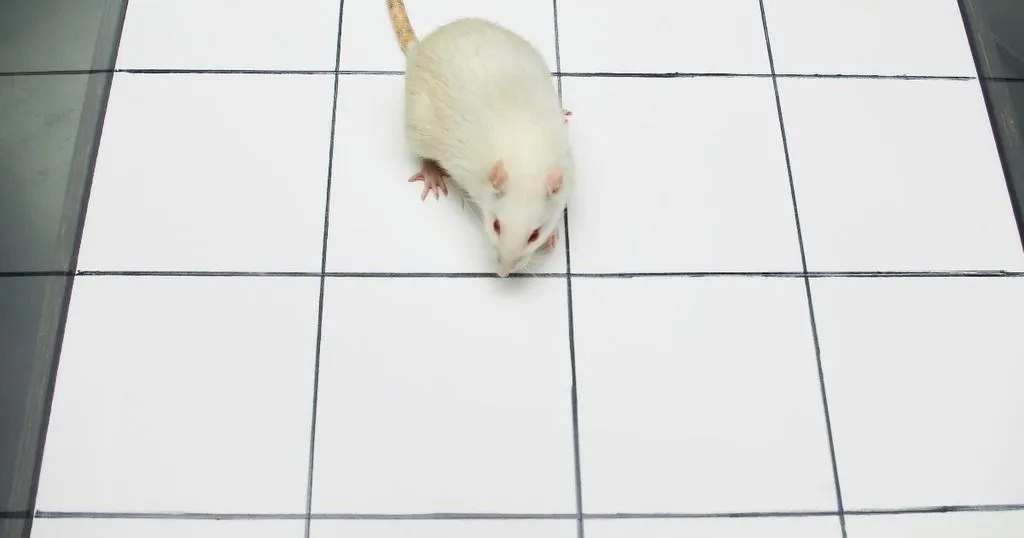
The open field test: A staple in behavioral batteries
The open field test is a locomotor, exploratory and/or anxiety test. Can we measure all these behaviors in a simple enclosed arena? This is exactly what we talk about in this blog, and the discussion surrounding this.
Thank you!
We'll get back to you shortly.
Please correct the following errors: