Emotion analysis
Emotions are a fundamental part of being human. Emotions are shaped by our brain and influenced by our interests and past experiences.
By including emotion data in research, we can explore human behavior in greater detail and gain better insights. You may include emotion analysis to answer some of these questions:
- check How do emotions influence what we buy or eat?
- check What is the role of emotion in our interactions with others?
- check How do people with developmental disorders process and express emotions?

What is emotion analysis?

Emotion analysis is the process of measuring and understanding human emotions. It's based on different physical and behavioral cues, like facial expressions, body language, and physiological signals.
Together, these observations help researchers understand how emotions influence behaviors and decisions.
- check Optimize products, websites, and advertisements
- check Develop treatments for people with developmental disorders
- check Understand parent-child interactions
A day in the life of an emotion researcher
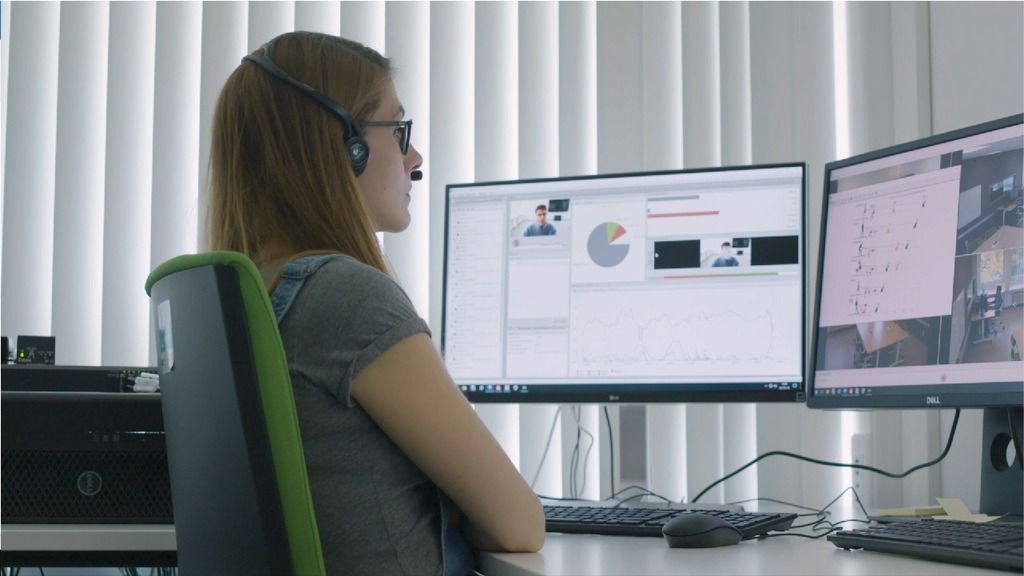
Emotion researchers want to understand how human emotions influence behavior, decision-making, and experiences. They might observe how participants interact with a website or product. Or they may want to know more about how different groups of people process or express emotions.
By analyzing participants' emotional reactions, researchers gain valuable insights into how emotions impact consumer choices, learning, development, or social interactions.
Benefit from the right tools for your emotion research
Researchers use advanced tools like facial expression analysis, physiological measurements, and behavioral tracking to capture these emotions in real-time. Another benefit of using these tools is that it helps researchers to measure emotional responses accurately and non-invasively.
Discover how Noldus can support your research!
Featured resources
Understanding social media use
Researchers at the Social Media Lab analyze how users interact with social media. This type of research helps civil society organisations and other professionals to identify their customers' needs and implement new tools.

How FaceReader is validated in research
How accurate is FaceReader in determining facial expressions? In this blog post, you'll learn more about different studies into the validity and applications of FaceReader.

Measuring infant facial expressions
What if you had a way to understand a baby's unspoken needs? Analyzing facial expressions in infants provides more insights into the early development of emotions.
Best practices for emotion analysis

Clear goals
Think about which emotional states or behaviors you want to study. Choosing a focus helps you gain objective results.
Natural behavior
Keep you study's environment as natural as possible or observe participants in their natural environment. This will help to capture genuine emotional responses and allows for unobtrusive observations.
Experiment setup
Choose the right angles and lighting to accurately capture your participants' emotional responses. Also be sure to minimize distractions and other external factors that may influence their responses.
Multimodal research
Combine facial expression tracking, physiological data, and behavioral observations to get a complete view of emotional reactions.
Validated tools
Make sure your emotion analysis data is accurate and reliable - choose software and methods that are validated in research.
Analysis
Observe emotions in real-time for quick insights or debriefing situations. Analyze emotions after recording for deeper, detailed understanding.
Options for facial expression analysis

Action Units
The Facial Action Coding System (FACS) describes muscle movements in the face, also referred to as Action Units.
- check Benefit from objective analysis of facial expressions
- check Study the left and the right side of the face separately
- check Save time by relying on automated analysis of Action Units
Valence and arousal
Measure how negative or positive an emotion is (valence) and the level of activity caused by the emotion (arousal).
- check Better understanding and visualization of emotions
- check Differentiate between emotions that are similar in type but vary in intensity
- check Assess responses in marketing, consumer science, and psychology

Custom facial expressions
Design your own facial expressions or mental states, such as workload, confusion, boredom, or embarrassment.
- check Study nuances in behaviors or emotions that basic expressions can't always capture
- check Adapt your facial expression analysis to the needs and context of your project
- check Gain insights into culturally specific or atypical facial expressions
Are you looking for advice on your application?
Do you want to learn more about how to apply Noldus products to your research, or do you need advice from our team of behavioral experts?
Noldus is here to assist you throughout the whole process.
Thank you!
We will get back to you within one business day.