Long term behavior observation
"Standard" tests such as the open field or elevated plus maze provide a snapshot of animal behavior. Observing during pre-determined time points can drastically change the outcome of a study. Therefore, it is important to consider whether these tests are ethologically viable for the model you are researching. Gaining a more complete and relevant behavioral readout can be achieved with home cage testing.
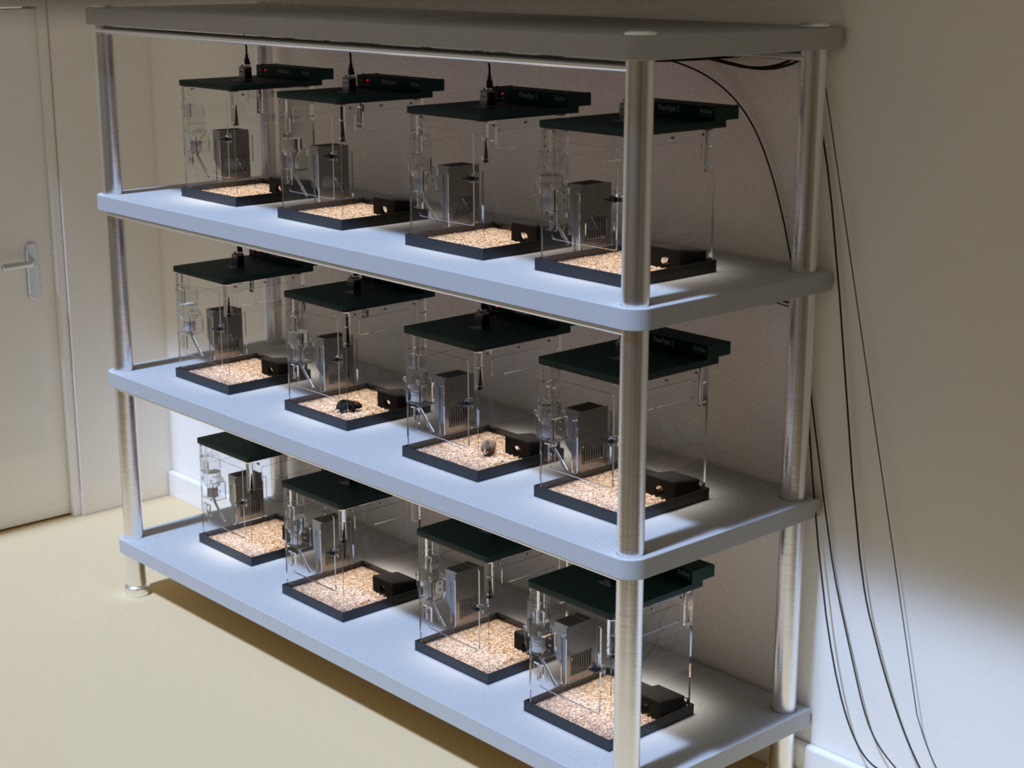
What is long term behavioral observation?
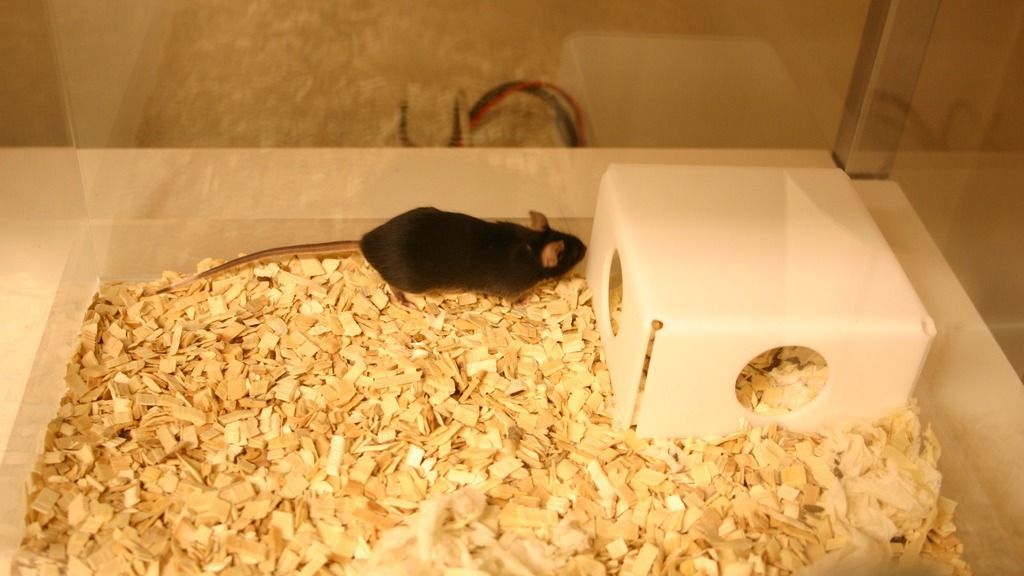
Long-term behavioral observation involves continuously monitoring rodents in a specialized homecage environment over extended periods. This approach allows researchers to capture natural behaviors that might be missed in short-term or maze-based studies.
- check Mimics natural living conditions, providing a stable setting for prolonged observation
- check Enables study of feeding patterns, drinking habits, and day/night activity cycles
- check Uncovers subtle behavioral patterns and responses to environmental or experimental changes
Why should I measure behavior long term?
Performing research in the homecage comes with a variety of advantages:
- Reduce stress and capture natural behaviors: Conducting tests in the homecage minimizes stress by keeping animals in a familiar environment with less handling, leading to more authentic behavioral observations.
- Reveals comprehensive behavioral patterns: Extended observation allows researchers to uncover the full spectrum of an animal's behavior, providing a more complete and accurate understanding.
- Enhances Translational Value: For certain models, long-term observation in the homecage increases the relevance of the research, offering insights that are more applicable to real-world conditions.
How do you measure behavior over a longer time
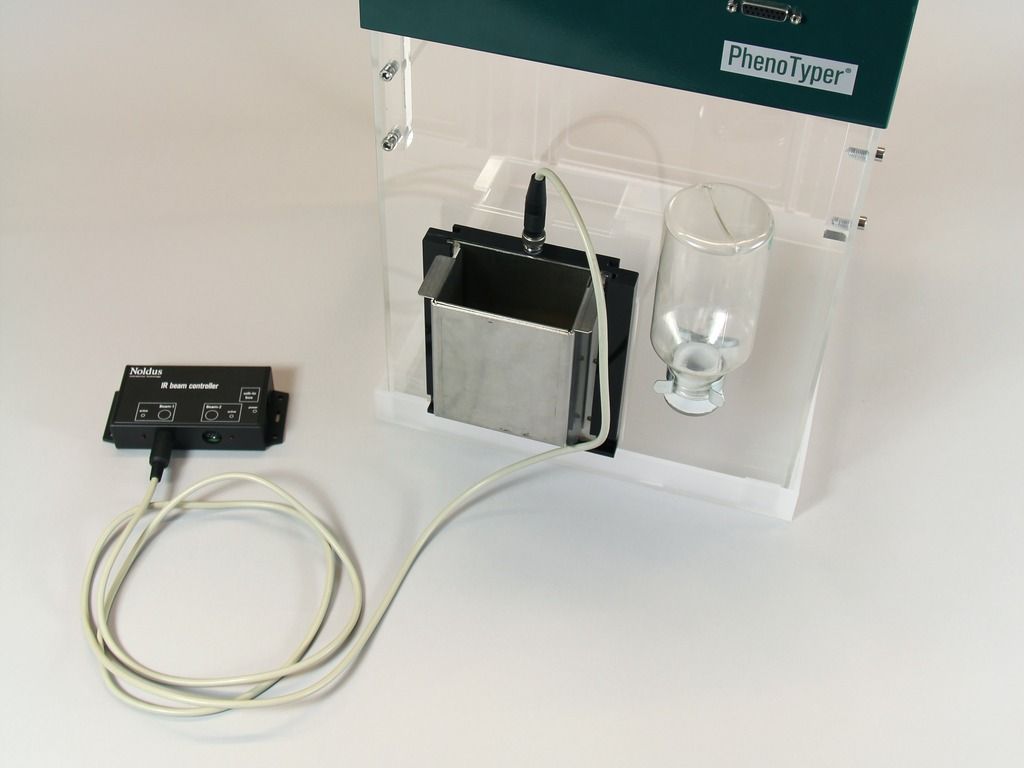
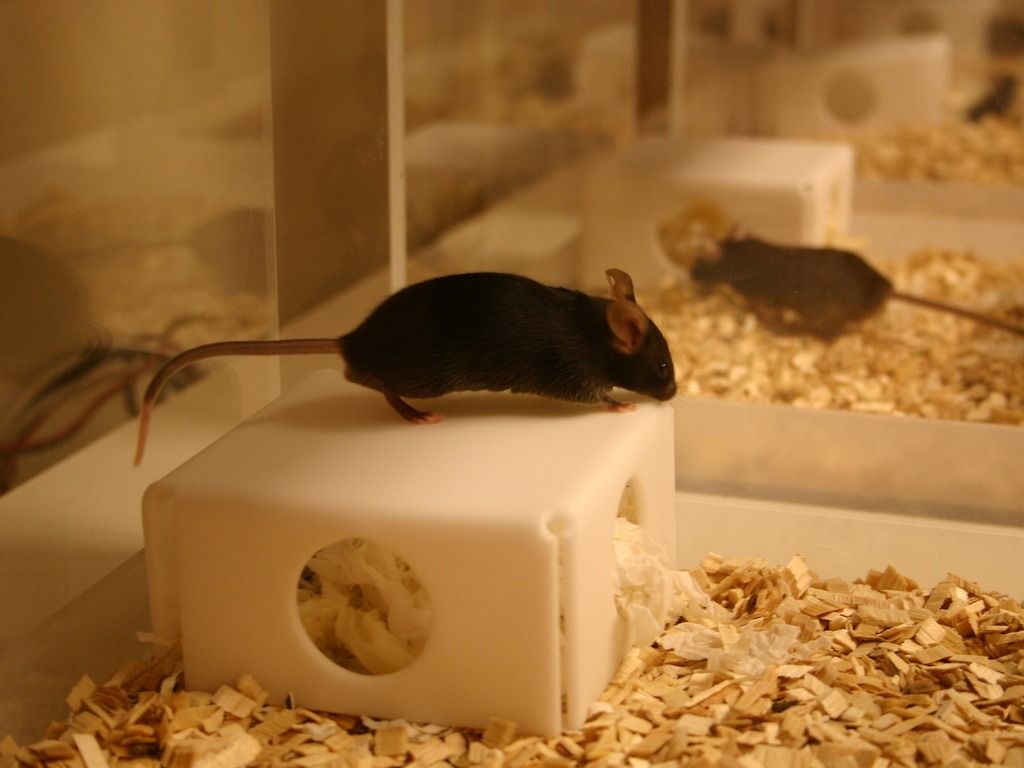
Feed and water consumption
Researchers struggle with accurately monitoring feed and water consumption due to the time-intensive nature of manual observations. The PhenoTyper, equipped with the Lick 'o Meter and Mouse Feeding Monitor, automates the tracking of feeding and drinking behaviors, reducing manual workload and ensuring accurate, reliable data collection.
Circadian rhythm
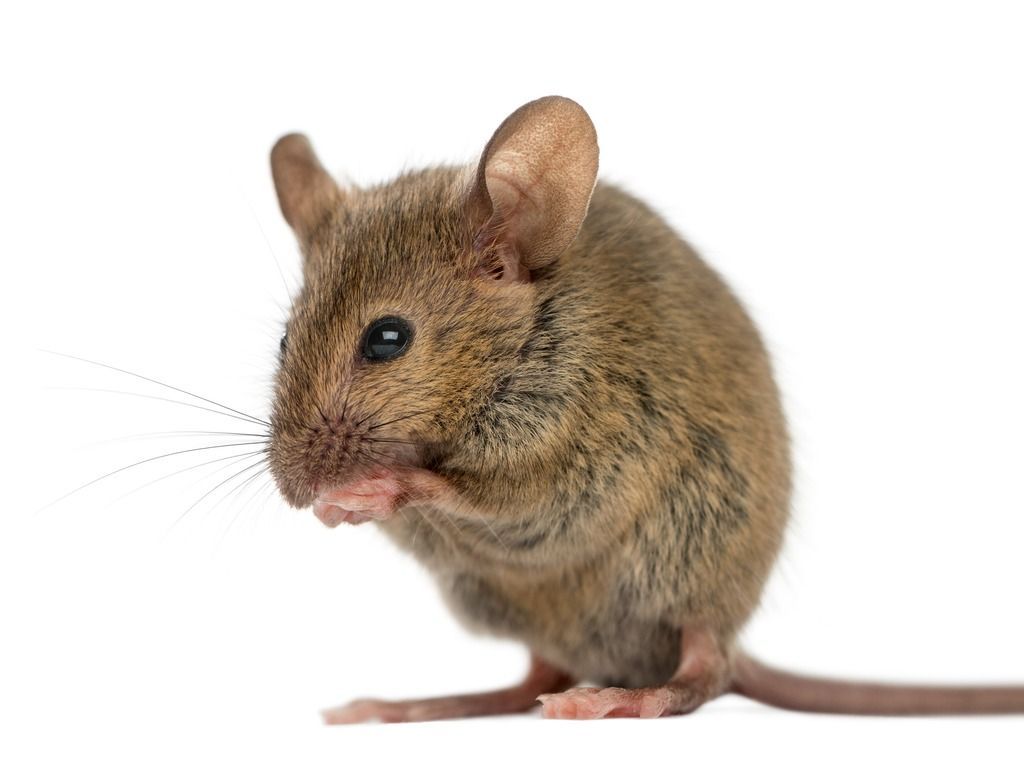
Observing nocturnal rodents during both day and night poses challenges, as continuous monitoring requires specialized equipment. The PhenoTyper simplifies this by automating continuous observations over several days. With its IR translucent shelter, the system tracks rodents around the clock, ensuring comprehensive data collection on circadian rhythms.
Natural behavior
Traditional behavioral tests often focus on specific actions, overlooking a wider range of natural behaviors. EthoVision XT, combined with the Behavior Recognition Module, automates the categorization of behaviors like grooming and play, providing unbiased, detailed analysis that would be challenging to achieve manually.
Featured resources
The many uses of the PhenoTyper
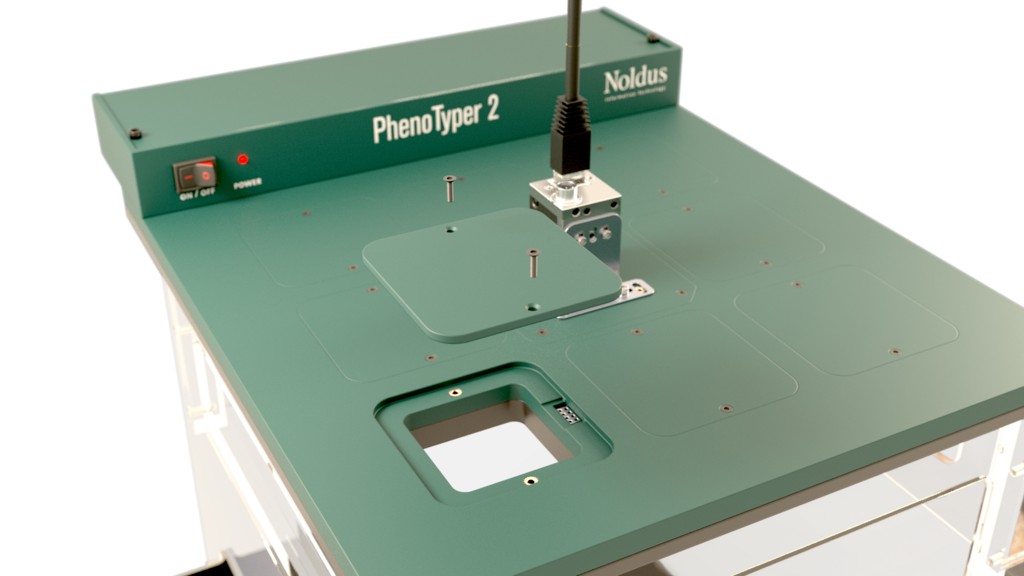
With its new top unit, the PhenoTyper is even more versatile than before. Follow in the footsteps of those who have already added the PhenoTyper to their lab and learn all about its varied applications.
Phenotyping your rodents: Mapping short- and long-term studies
In this talk, we investigate how animal research can be extended in to long-term observations, following the path human research has entered for some time already which resulted in great new insights.

Phenotyping your rodents: Mapping short- and long-term studies
Investigate how animal research can be extended into long-term observations, following the path human research has entered for some time already, which has resulted in great new insights.
Are you looking for advice on your application?
Do you want to learn more about how to apply Noldus products to your research, or do you need advice from our team of behavioral experts?
Noldus is here to assist you throughout the whole process.
Thank you!
We will get back to you within one business day.
Thank you!
We'll get back to you shortly.
Please correct the following errors: