Cognition and memory
Understanding how animal models learn, remember, and adapt is crucial in advancing our knowledge of neurodegenerative diseases like Alzheimer's and Parkinson's disease. However, there is not just one test for one type of cognition. For example:
- check Spatial and recognition memory
- check Associative and operant learning
- check Cognitive flexibility
What is Cognition and Memory?
Cognition and memory are essential for understanding animal behavior, reflecting how animals process and retain information. In research, these processes are studied through various tests that reflect the varying parts of memory and cognition. These measures help researchers evaluate brain function and the impact of interventions, particularly in models of neurological and psychological disorders.
Short and long-term memory
Short-term memory enables animals to quickly process and respond to new information, crucial for navigating environments, pursuing goals, and enhancing survival. Long-term memory stores essential information over time, from territory layouts to experiences linked to rewards or dangers.
- check Working memory is a short-term memory used to retain and manipulate information during a task, often assessed in animals by their ability to remember objects, stimuli, or locations within a single session.
- check Episodic memory is a type of long-term memory involving specific events tied to particular times and places, often assessed in animals through location-based tasks.
Associative learning tests
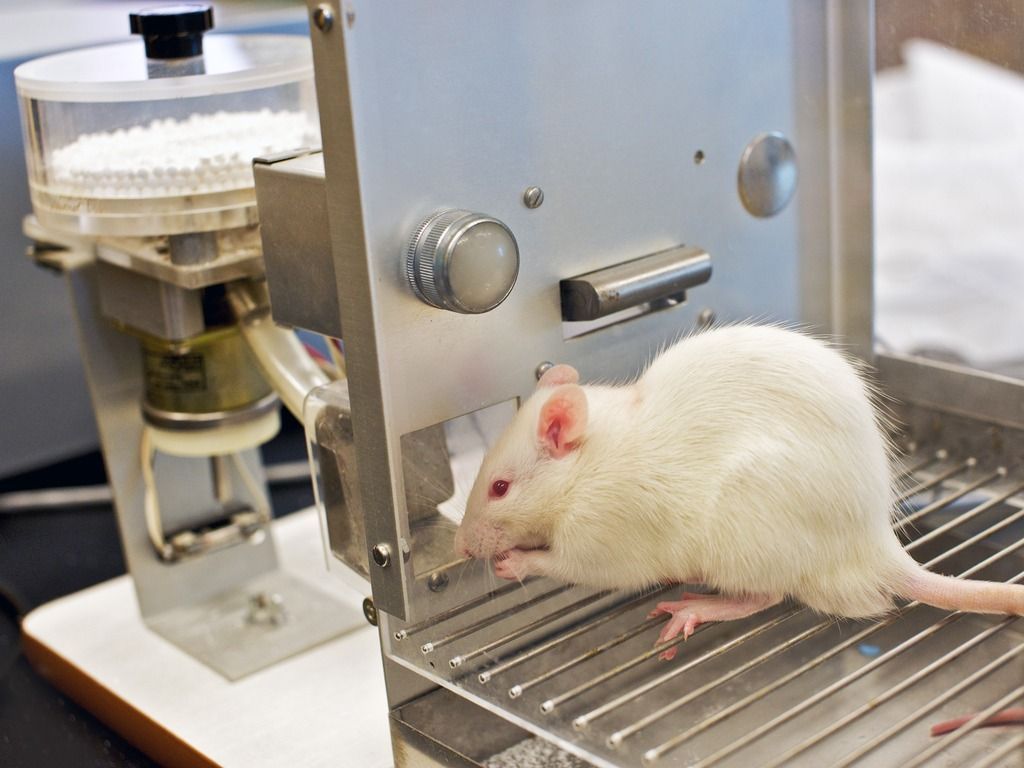
Associative learning is a process in which a new response becomes associated with a particular stimulus. Pavlovian learning is a form of associative learning, typically induced in subjects that associate stimuli with a negative (aversive) stimulus or situation.
- check Induce a stimulus (typically negative, but can be neutral or positive).
- check Learn to connect the stimuli to a response.
- check Reinforce this response and therefore strengthen the behavioral pattern.
Reversal learning
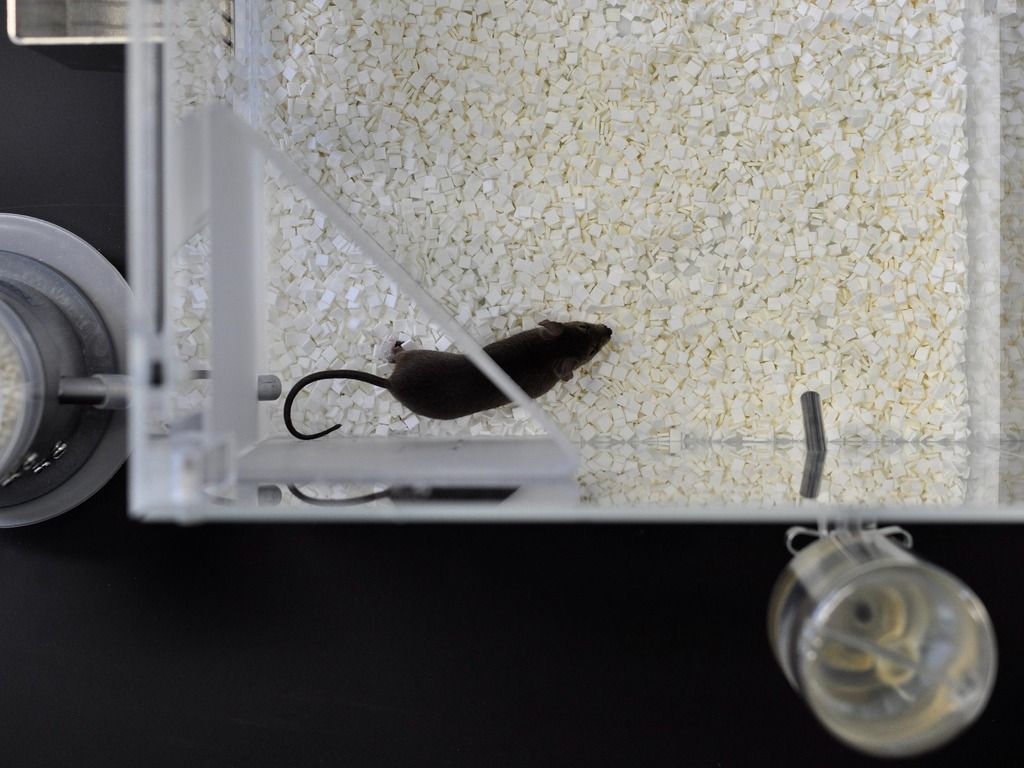
Cognitive flexibility is the ability to rapidly adapt behavior while facing specific circumstances. Essentially, it measures an animal's cognitive flexibility: the capacity to unlearn a previously learned behavior.
- check Cognitive flexibility is essential in the development of behavior, enabling an animal to modify its behavior to changes in the environment.
- check How quickly and successfully an animal adapts its behavior is a great indicator of brain function.
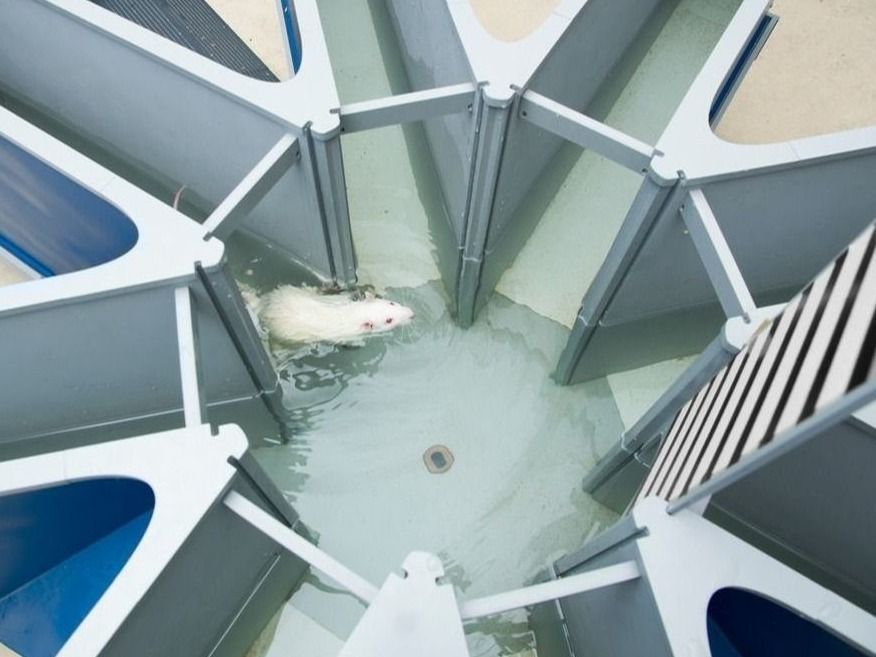
Spatial memory
Spatial memory concerns the association of an organism in a three-dimensional environment. In other words: an animal learning its position in a given space. This learning relies on visual, but also acoustic and olfactory cues.
- check Allocentric memory: Encodes the location of an object based on its relationship to other objects in the environment, independent of your position.
- check Egocentric memory: Encodes the location of objects relative to your own current position or viewpoint.
Explore cognition with a free e-book
Basic behavioral neuroscience in rodents
Want some more literature on the basic (behavioral) neuroscience in rodents? Download our free e-book. In this e-book you can, among other things, read about the basics of what learning and memory testing in rodents is and how to execute the most common protocols.
How to measure Cognition and memory
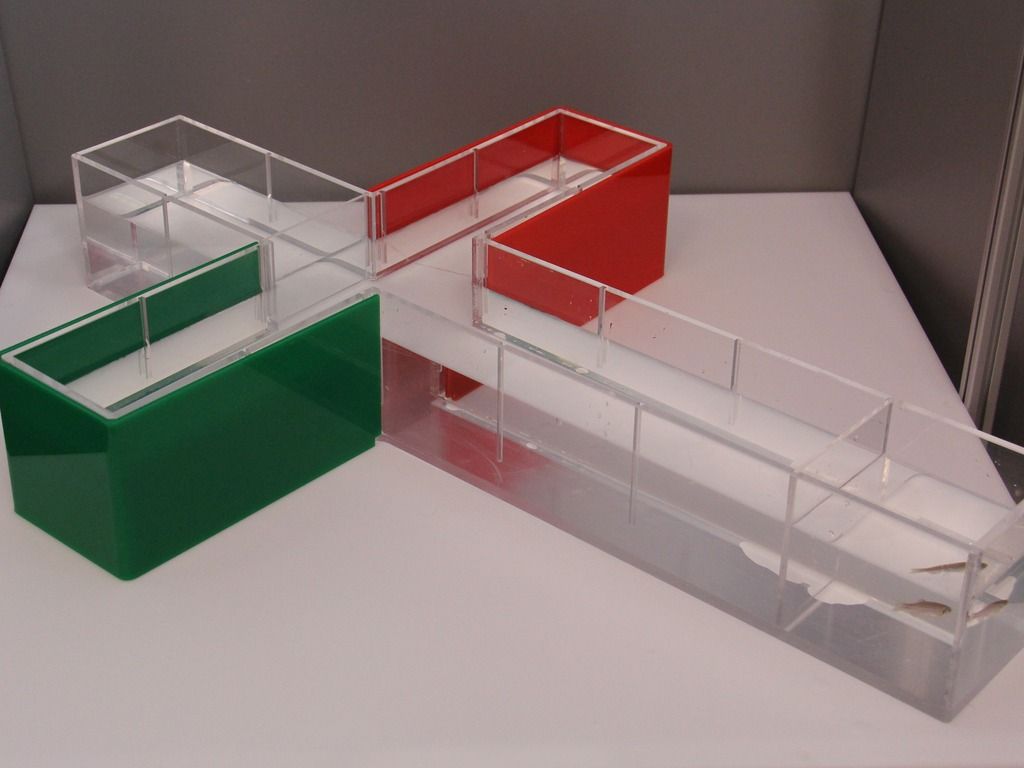
Y/T-maze
The Y/T maze (or cross maze in zebrafish) is used to test the learning and memory of animal models. It is often used to test reversal learning, learning retention, and preference testing. The time spent in certain arms of the maze can be tracked by EthoVision XT. This ensures that data is collected easily and accurately.
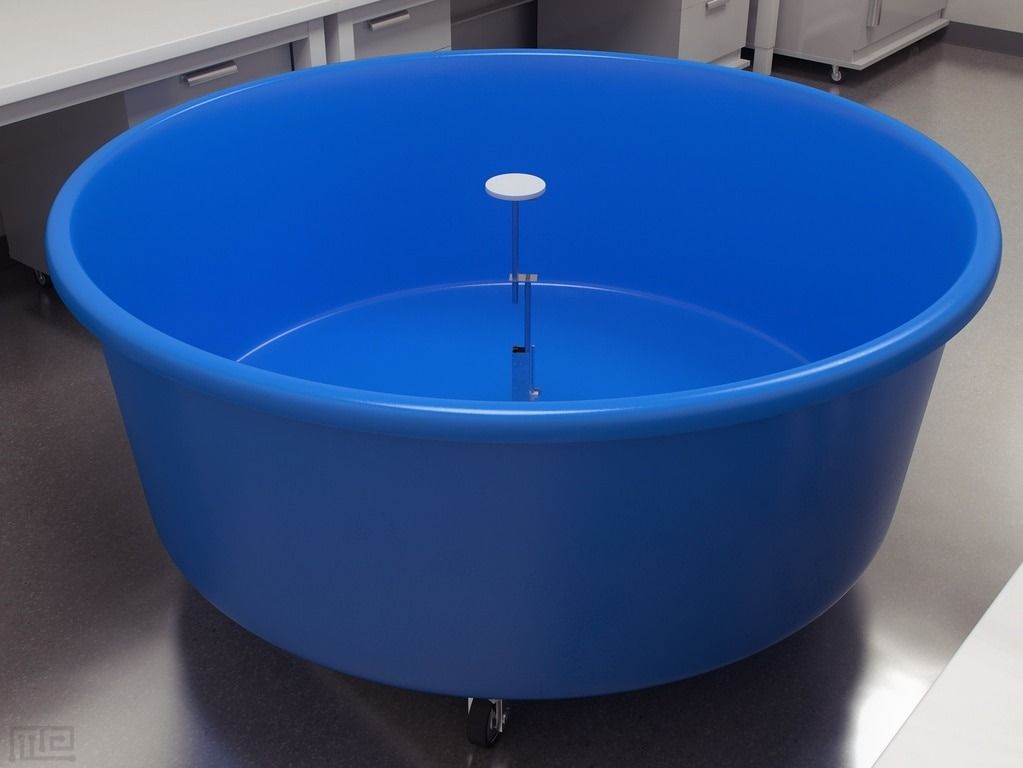
Morris water maze
The Morris water maze is a well-validated test for spatial learning. At Noldus, we offer not only high quality mazes in various sizes and colors but also the best tracking system available. EthoVision XT is essential for measuring the average distance to the platform and swimming patterns. This is important for trials where the platform is moved or removed.
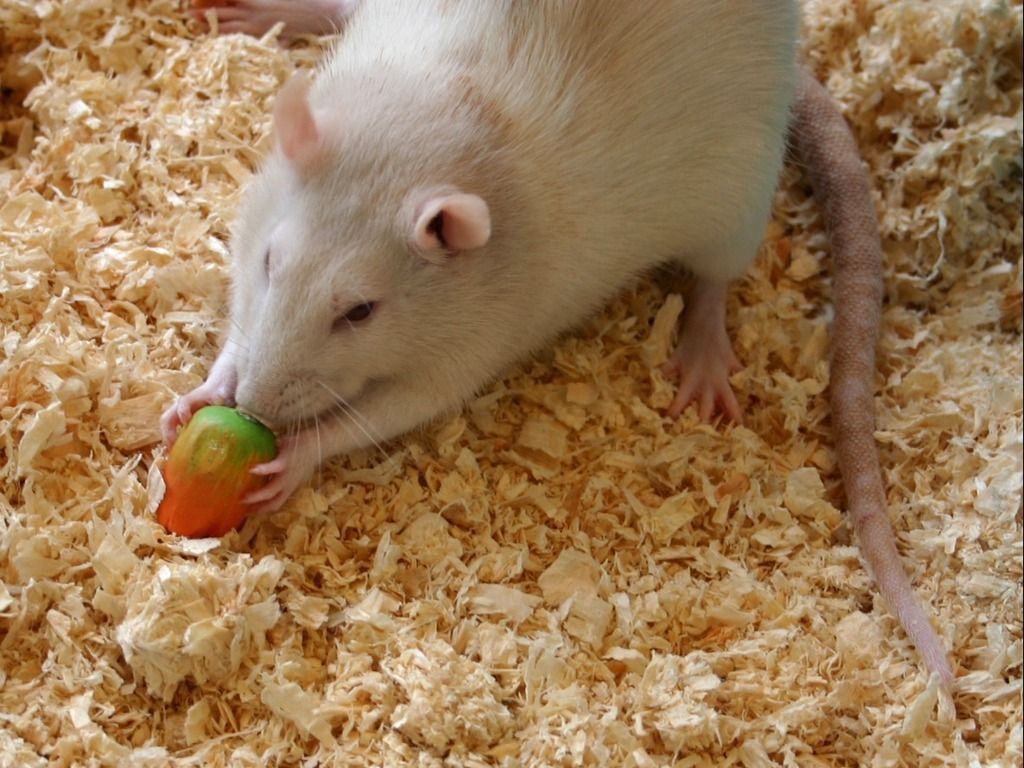
Novel object test
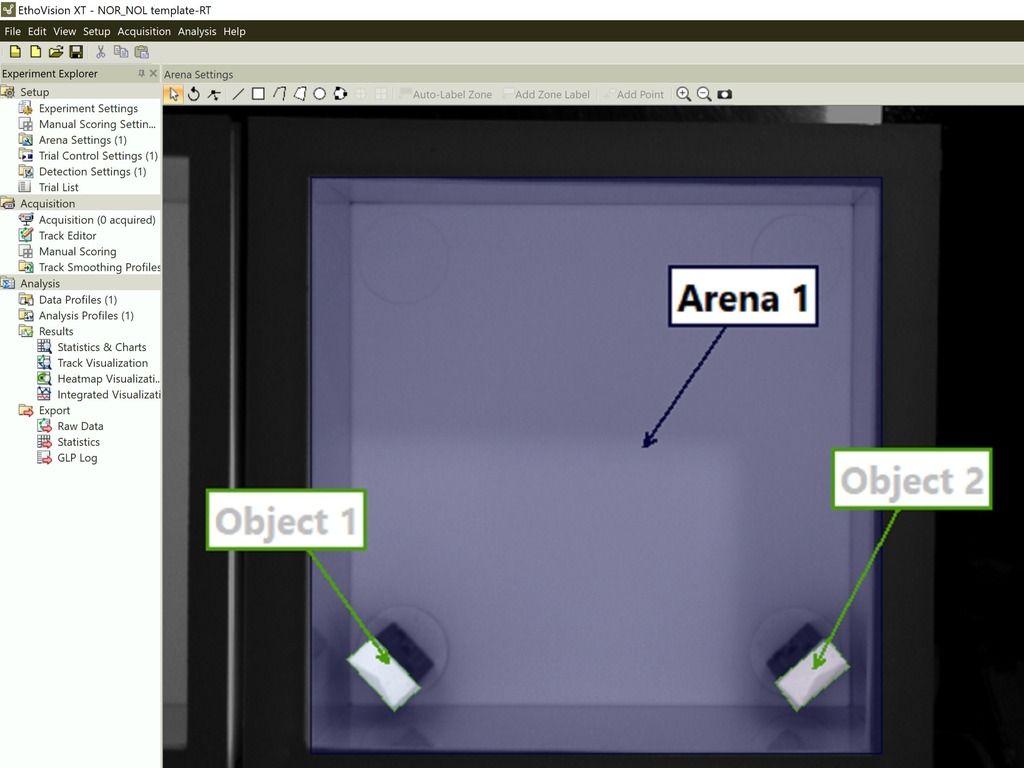
The novel object test assesses cognitive function and exploratory behavior in rodents by gauging their response to a new object. With EthoVision XT, you can precisely track the distance of the nose-point of the animal to the novel object. Proper hardware and software ensure that your data is consistent and reliable.
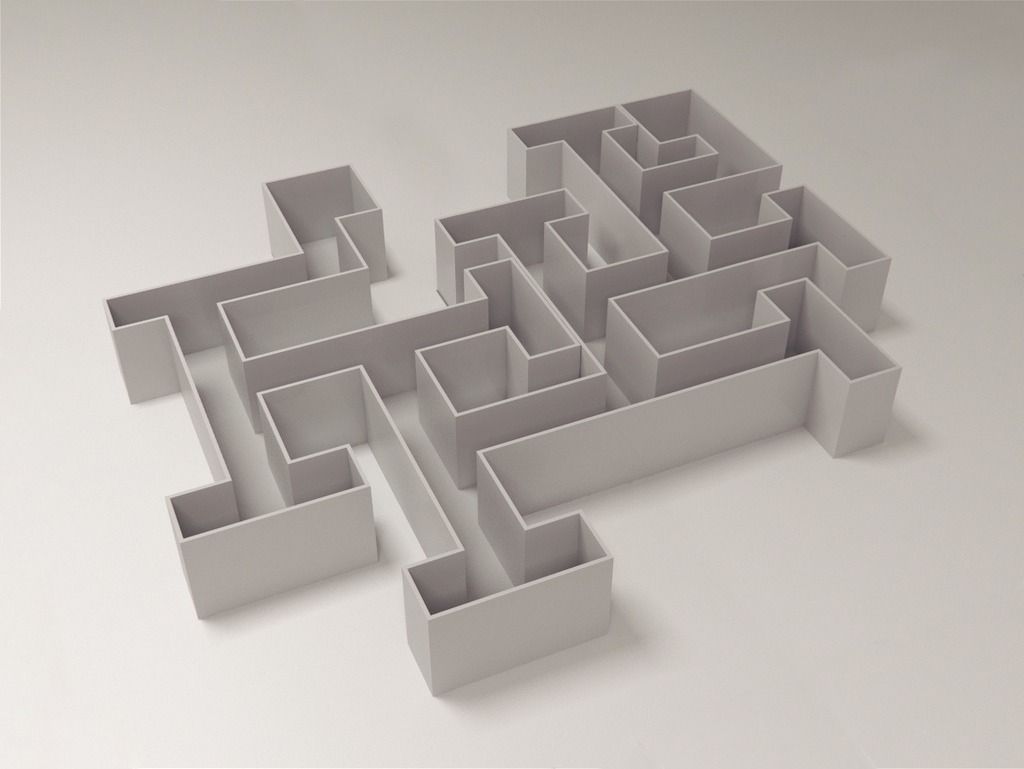
Cincinnati maze
The Cincinnati maze is used to test egocentric navigation, learning and memory in rodents. An animal swims through the maze trying to find the exit platform. With EthoVision XT you can easily measure the distance moved, number of errors, and time spent reaching the goal.
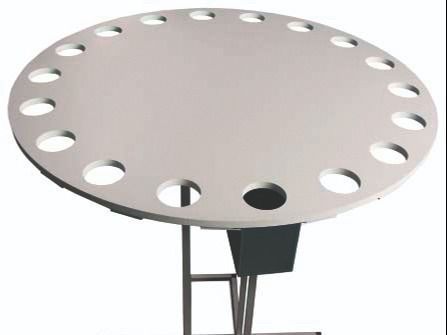
Barnes maze
The goal of a Barnes maze is to study spatial learning and memory. The rodent is supposed to find the box that is positioned beneath one of the holes. The mouse or rat uses visual aids outside of the arena to find a food reward. EthoVision XT allows you to easily track which holes the animal is investigating and how long it takes for it to find the reward.
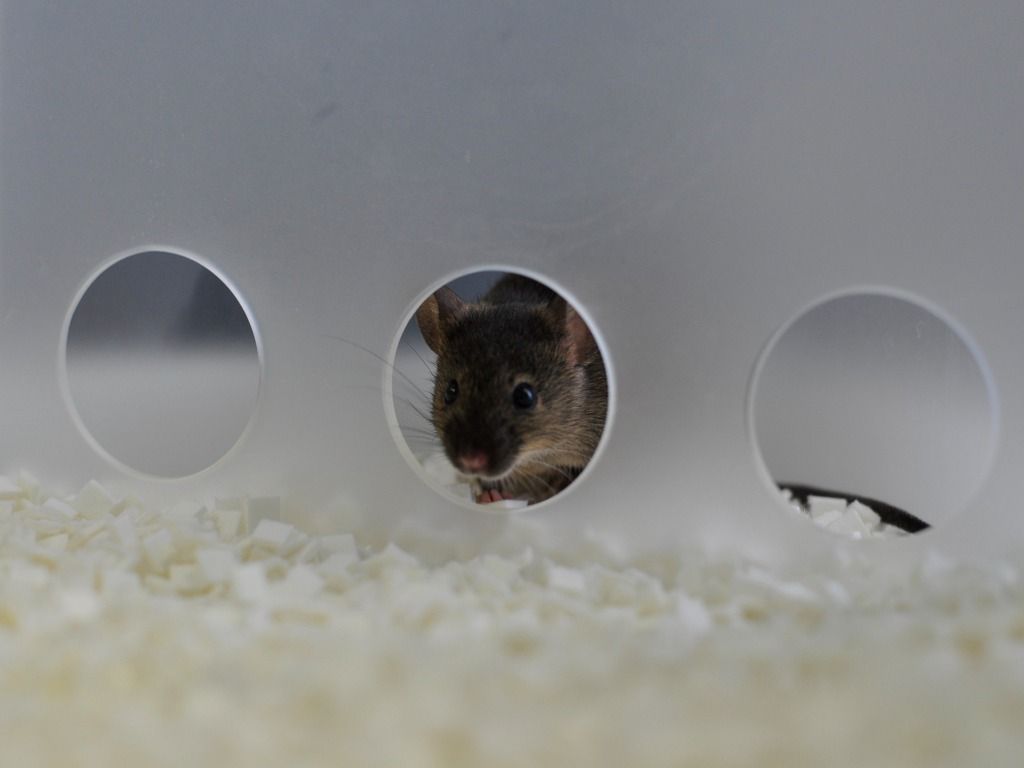
CognitionWall
The CognitionWall by Sylics is a wall containing three entrances placed in front of a reward dispenser. Once the animal has learned which entrance activates the reward dispenser the correct answers can be changed to assess the animal's cognitive flexibility. CognitionWall can easily be fitted in PhenoTyper instrumented home cage.
Featured resources
Using video tracking to study operant behavior in rodents
Scientists from Idorsia Pharmaceuticals in Switzerland provide an expert view on operant behavior, and how we can improve our understanding of this complex behavior with the help of video tracking.
Unlocking the link between CNS infections and cognitive decline
Bacterial infections in the brain can have lasting effects even after recovery. In this blog we will look at a study that used PhenoTyper and the CognitionWall to study the mechanisms behind this cognitive impairment.
Advancing the novel object test: 3D printing and deep learning
To improve standardisation and consistency in the novel object test, Spry et al designed the 'CapTouch' system: capacitive objects that can automatically register interaction. But what about deep learning in EthoVision XT?
Are you looking for advice on your application?
Do you want to learn more about how to apply Noldus products to your research, or do you need advice from our team of behavioral experts?
Noldus is here to assist you throughout the whole process.
Thank you!
We will get back to you within one business day.