Research Methods (Human) Blog Posts
Learn about the key research and scientific methods used in human behavior research. This category containts articles about quantitative and qualitative approaches, experimental design, and how researchers collect and analyze behavioral data.

Eye tracking without the expensive hardware: powered by FaceReader
Ever wondered what really catches someone’s eye? FaceReader now includes webcam-based eye tracking, giving you powerful insights into where people look, how they feel, and what drives their decisions. No extra hardware required.

Scientific methods in human behavior research
Learn about the key scientific methods used in human behavior research. We explain quantitative and qualitative approaches, experimental design, and how researchers collect and analyze behavioral data.
From observation to insight
Across research, education, and product development, labs need tools to capture and understand human behavior with precision. This blog shows how combining Viso and The Observer XT empowers teams to gain richer insights and make data-driven decisions.

What are stimuli in human behavior research?
A stimulus is any object, event, or factor that influences human behavior. It can be something we see, hear, or feel, affecting our decisions and actions. But how do researchers use stimuli in behavioral studies?

Why The Observer XT is the gold standard for behavioral research
In the ever-evolving field of behavioral research, having the right tools can make the difference between ordinary findings and groundbreaking insights.

Validating FaceReader's attention detection: a reliable measure using gaze and head pose
Measuring attention is crucial across many fields, from marketing to user experience design and human-computer interaction. Learn more about how we validated custom expressions for attention in FaceReader.

How FaceReader is validated in research
In this blog post, we'll dive deeper into the validity and different applications of FaceReader—the most robust tool for automated facial expression analysis.

The 5 best ways to use FaceReader: a systematic review
Facial expressions offer a rich source of information about human emotions. In this study, Elisa Landmann examines the best ways to collect, handle, and analyze FaceReader data in different areas of research.

Using Baby FaceReader for automated analysis of infant emotions
What if you had a way to understand a baby's unspoken needs? Analyzing facial expressions in infants helps researchers and caregivers understand more about the early development of emotions and social interactions.
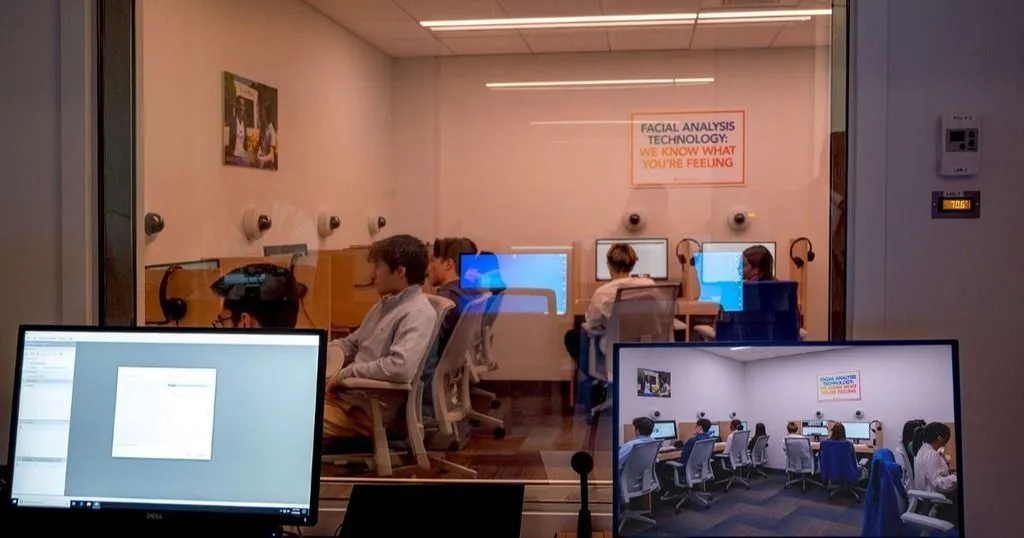
Behind the Scenes: Human Behavior Research Labs
Observation and analysis of human behavior is often done in labs. From babies to business, it can all be researched. Want to see how some of this research is done? Check out these amazing human behavior labs in action.

Examples of Human Behavior Research
We humans are an intriguing species and it's no wonder researchers have always been fascinated by human behavior. Here are some examples of human behavior research over the years.

7 ways to continue your research from home
We have gathered lots of ideas and ways to facilitate working from home and to continue research projects. In this blog post, we will list these seven approaches for you.
Thank you!
We'll get back to you shortly.
Please correct the following errors: