Behavioral Research Blog
Insights, research, and innovations in human and animal behavior research
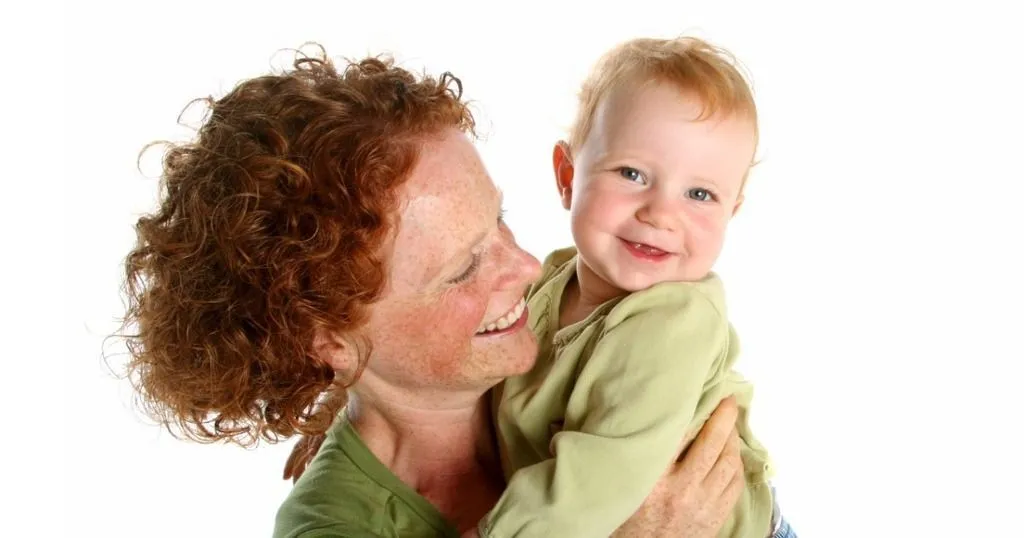
Parent-child interaction: Measuring the effectiveness of interactions
Quality of parent-child interaction is one of the major predictors of emotional and social development of children, which makes parent-child interaction an important focus of child development research.
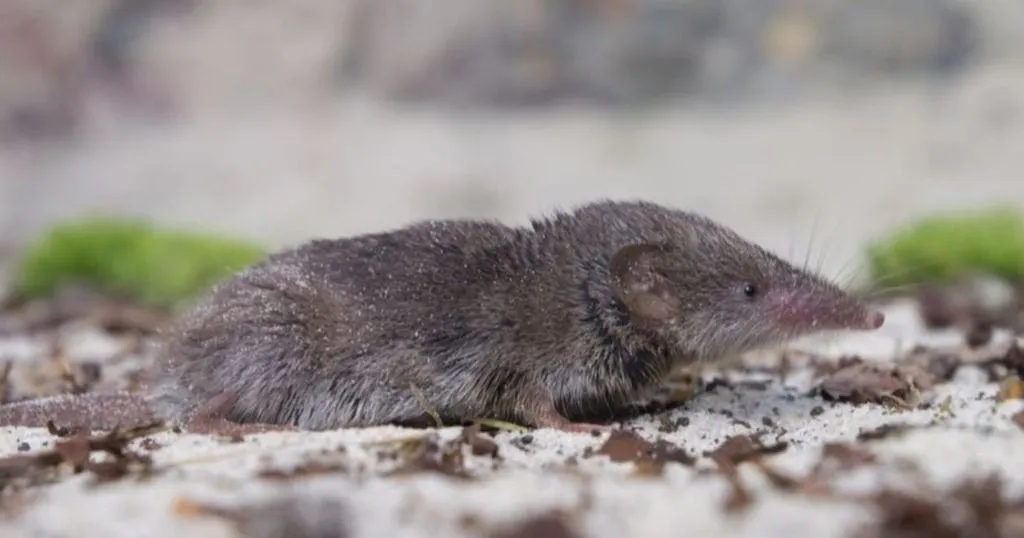
How to know if an animal is nauseated
Nausea is a prominent factor influencing the quality of life for patients undergoing chemotherapy. That is why it is useful to study the nauseating side effects of therapies or the anti-nauseating potential of drugs.
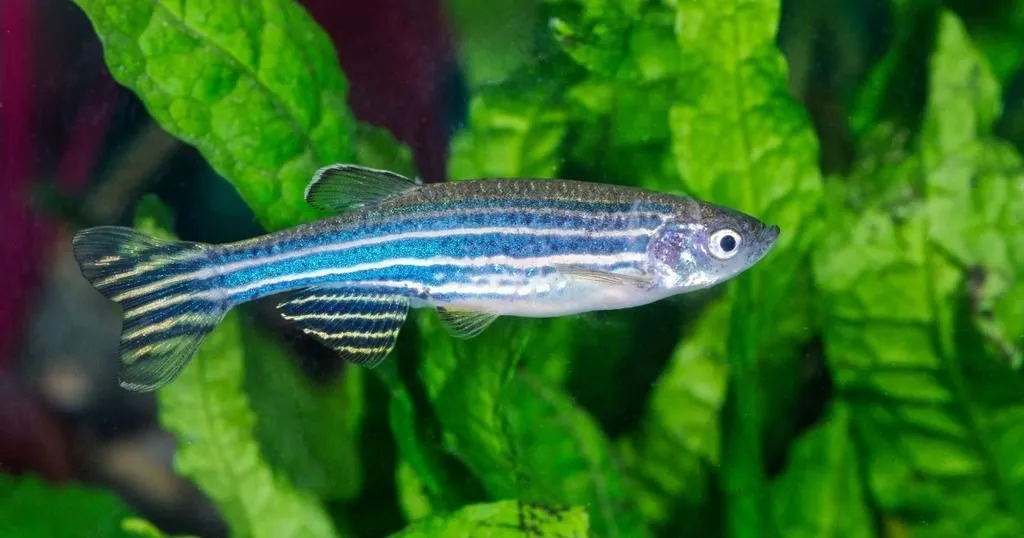
Zebrafish and withdrawal
Recent work done by Khor et al. (2011) looked at the effect of mitragynine on behavior in zebrafish going through withdrawal after chronic morphine exposure. The effects of Mitragynine on morphine-withdrawn zebrafish.
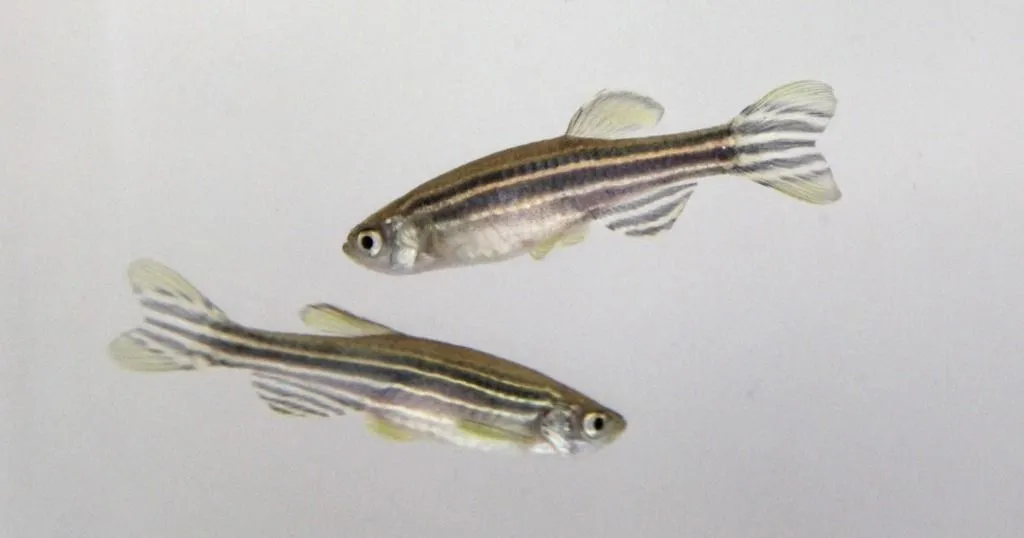
Three ways to test hallucinogens on zebrafish
Hallucinogenic drugs (psychedelics) have a growing significance in biopsychiatric research. Zebrafish are a popular animal model and seem highly sensitive to various drugs of abuse.

Bed bug behavior - What smell can tell
Bed bugs are on the rebound in developed countries. Traditionally, bed bugs are controlled with pesticides. However, traps with attractive human body odors are a promising alternative.
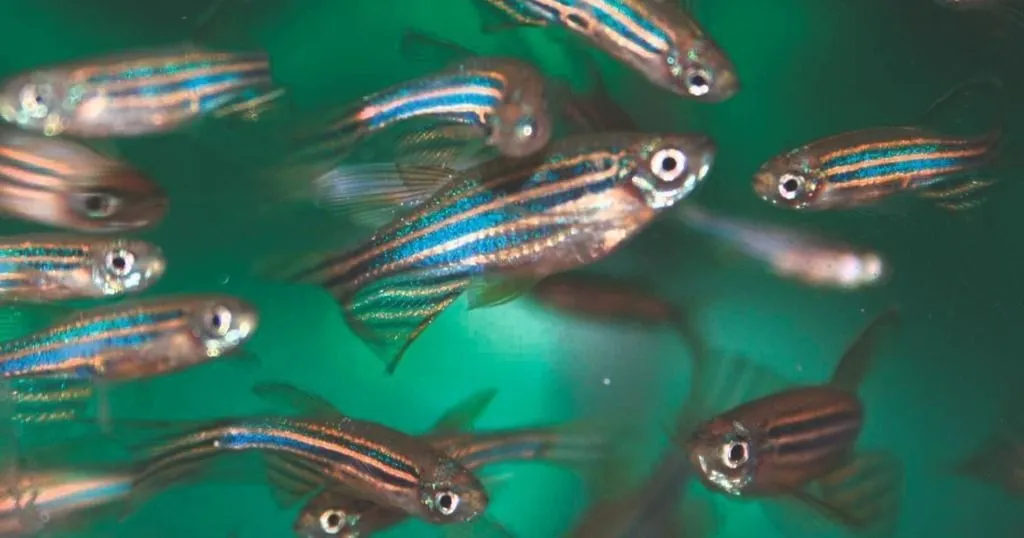
The search for robust fear inducing stimuli in zebrafish research
Zebrafish behavioral research has grown by leaps and bounds, and behavioral paradigms are being developed with the aim of better understanding mechanisms that might underlie aberrant behavioral phenotypes.

Clinical interviews – analyzing verbal and non-verbal behavior
In general, researchers choose the methods and techniques that best suit their research objectives. That’s no different when researching doctor-patient communication or any other clinical interview setting.
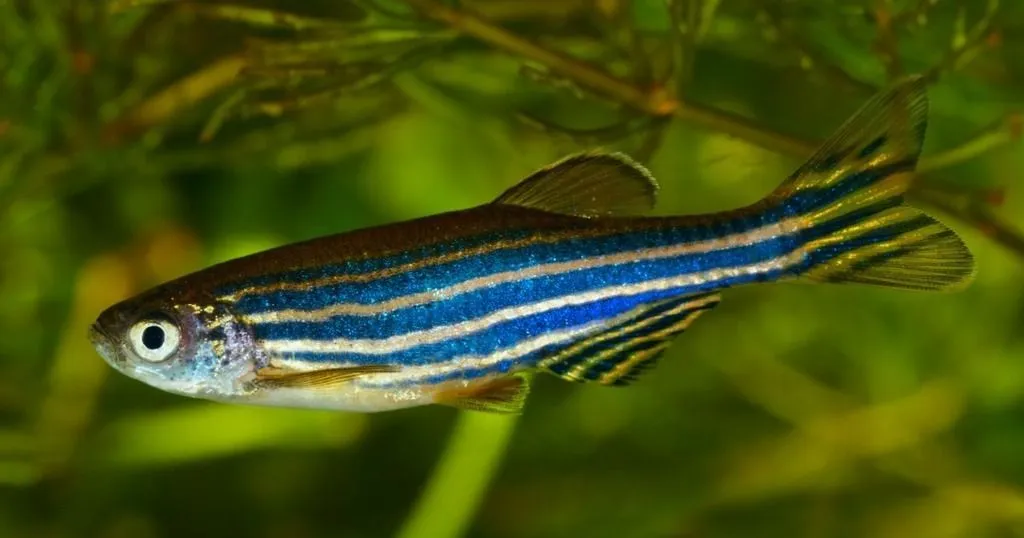
Zebrafish research: growing demands in South America
It was at the Society for Neuroscience last November that I was invited to speak at the second annual LAZEN meeting held last December in Porto Alegre, Brazil.
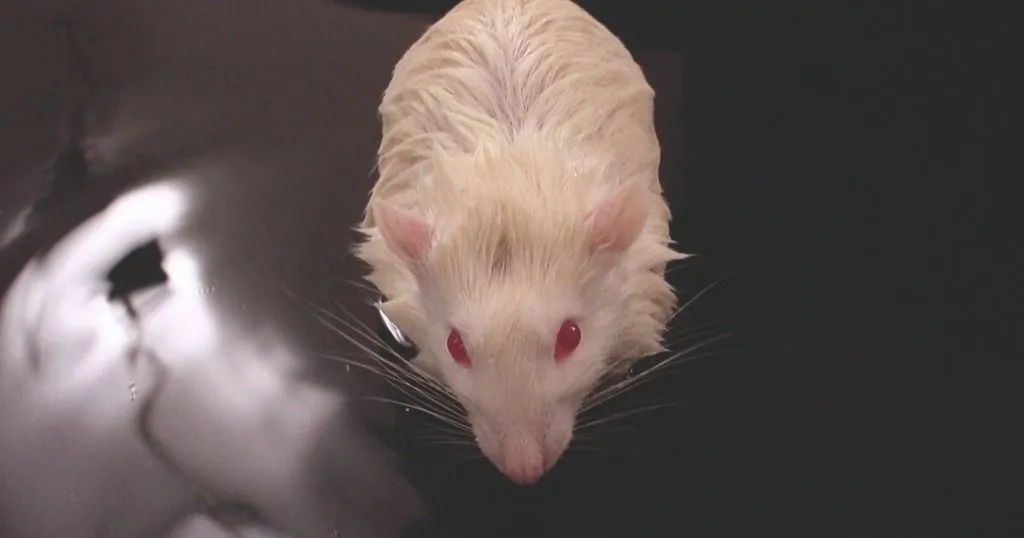
Three examples of swimming rats in traumatic brain injury research (TBI)
The Morris water maze and EthoVision, a validated solution to investigate learning and memory in rats and mice.

Observing behavior - Jury deliberations, what happens behind closed doors
Researchers increasingly study what goes on behind closed doors. Thirty mock-jury deliberations were filmed and behaviors were then coded using The Observer software.

Systematic behavioral observation – two coding scales
Structured observations are one of the many ways to gather data. Observing behavior rather than asking questions about it can provide you with a multitude of valuable information.
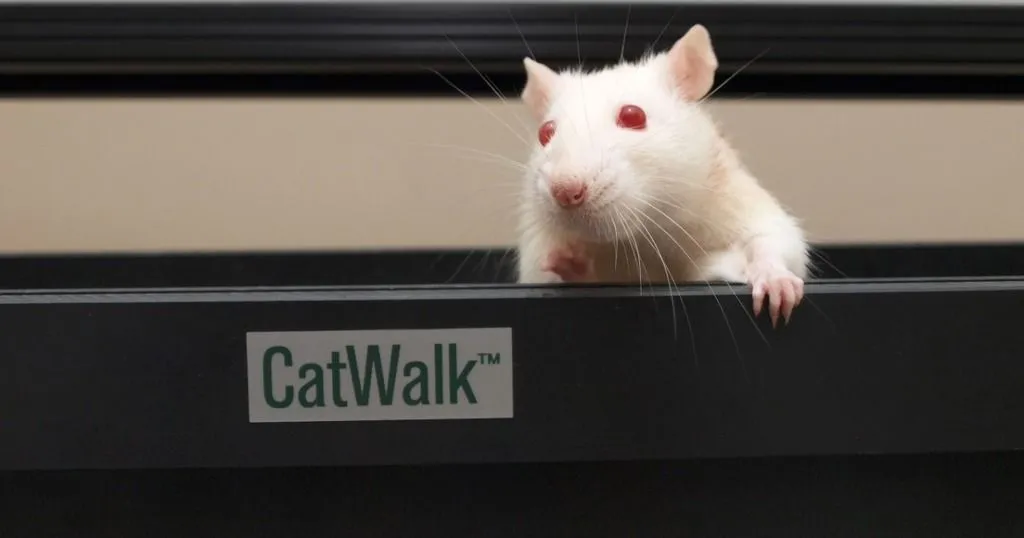
Recent applications of locomotor and gait analysis
Stem cell research is a promising area of research for spinal cord injury. With 1,25 million individuals suffering from chronic spinal cord injury in the US alone, new treatment approaches are necessary.
Thank you!
We'll get back to you shortly.
Please correct the following errors: