Being ignored by peers affects us more profoundly than many realize. A recent study combining EthoVision XT for behavioral tracking with immunohistochemistry shows that the adolescent brain processes social exclusion in much the same way it processes physical pain. This combination of advanced tools reveals how experiences like ghosting can trigger emotional behaviors such as anxiety in adolescent rats. These insights could shed new light on the growing rates of anxiety among today's teens.
The neuroscience of rejection
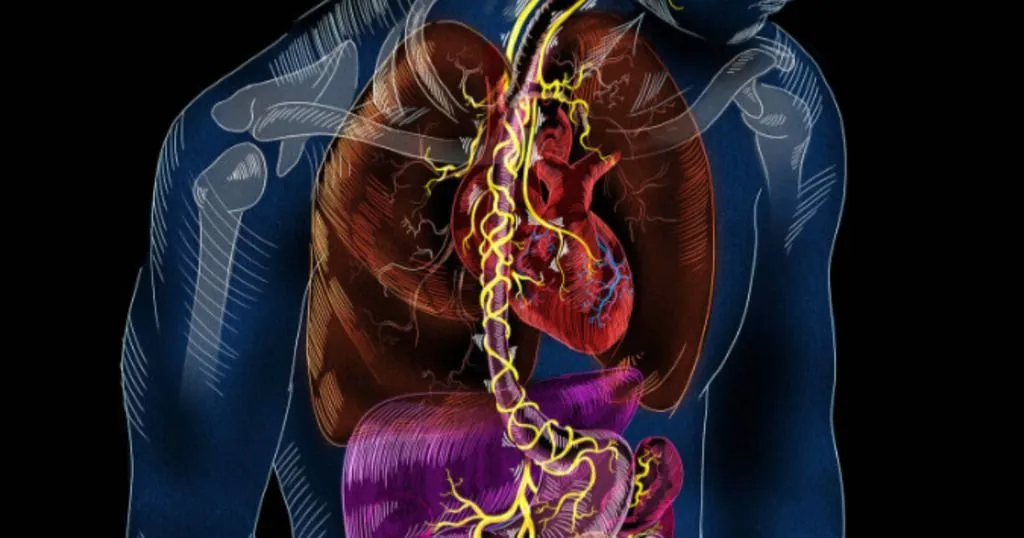
Social rejection, the distressing feeling that follows exclusion, leaves a lasting impact. Teens today often describe the pain of being "left on read" or removed from group chats. These modern experiences are magnified by constant connectivity. Importantly, they align with emerging evidence indicating that social exclusion activates the same neural pathways that register physical pain. For adolescents who are especially motivated to gain acceptance from their peers, the effects can be particularly intense.
Statistics further illustrate this challenge. On average, teens now spend nearly five hours per day on social media, where exclusion can happen with just a tap. During the past 20 years, global anxiety rates in adolescents have risen by over 50%, and nearly one in three teens meet clinical criteria for an anxiety disorder. While researchers are still working to establish clear causal relationships, this parallel rise in digital socialization and mental health concerns highlights the need for further study.
FREE E-BOOK
Basic behavioral neuroscience in rodents
Want to know more about anxiety testing and other aspects of rodent research? Then, download our free e-book.
- Including protocol suggestions
- Theory behind behavioral paradigms
- Why and how to test these
Submit to download
download
A preclinical model to study exclusion
To investigate these effects in a controlled setting, Byun and Noh (2024) designed an experiment using adolescent rats. EthoVision XT allowed them to track behavior precisely and link those behaviors to changes in brain activity. Their findings help explain why rejection feels so overwhelming.
Modeling exclusion in adolescent rats
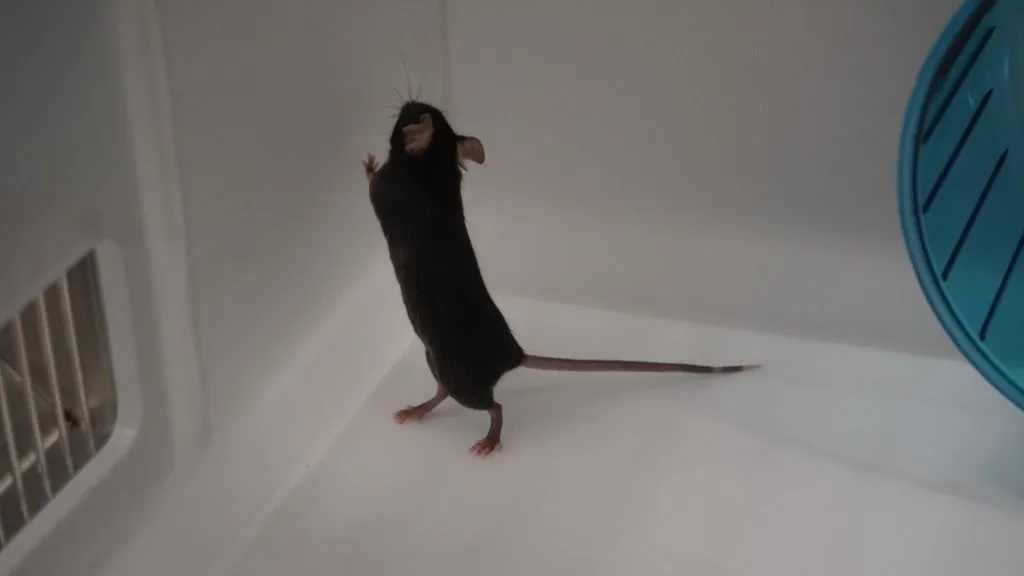
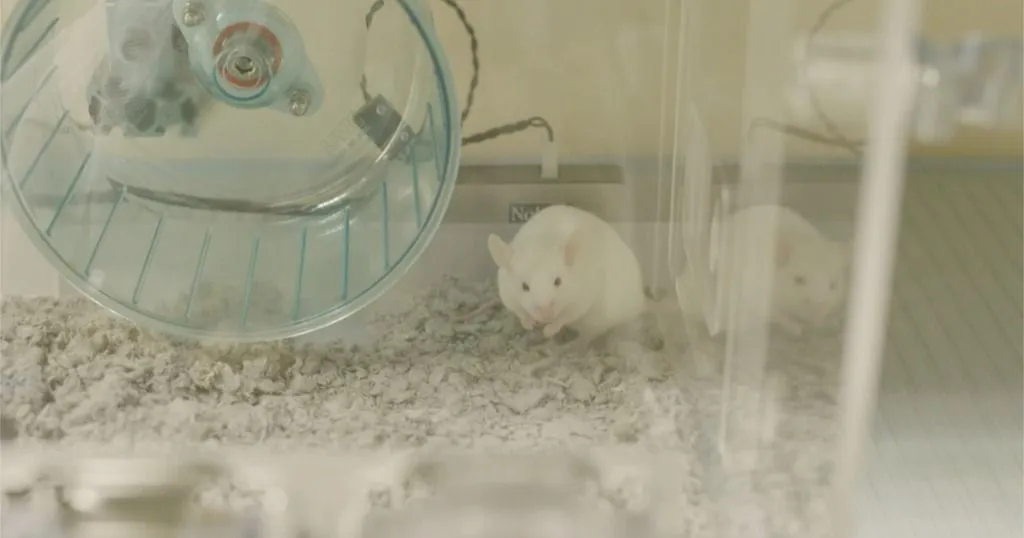
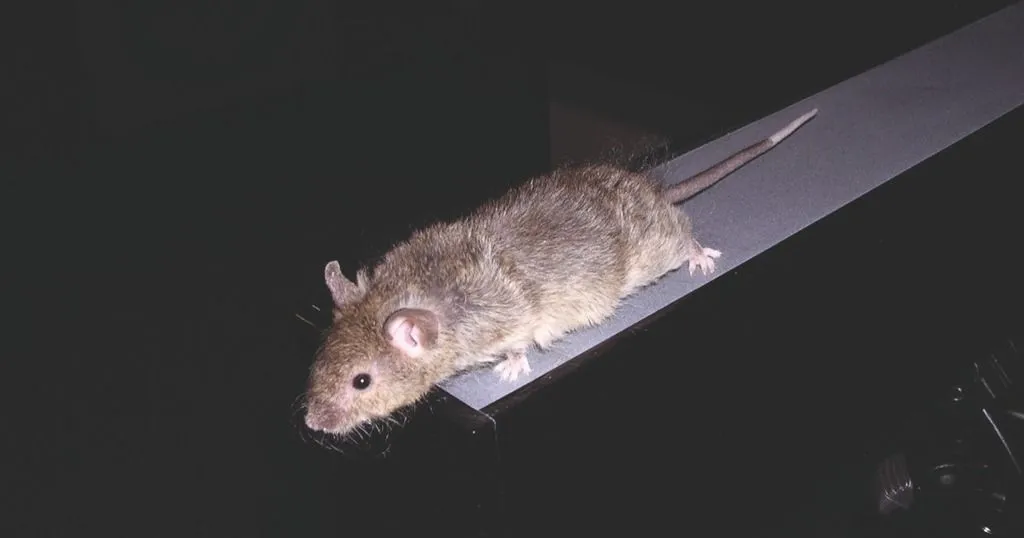
The researchers worked with young male Sprague-Dawley rats (4 to 5 weeks old). This developmental stage is comparable to early adolescence in humans when social interactions start to gain emotional significance. Two experimental conditions were created:
- Non-exclusion group: Rats engaged in continuous social play.
- Exclusion group: Rats initially participated in social play, but were later separated behind transparent partitions. From this position, they could watch but not join in.
This approach created a model for observing the biological and behavioral effects of social exclusion.
EthoVision XT Reveals the Impact of Rejection
EthoVision XT's automated video tracking provided detailed observations of how exclusion shaped behavior and anxiety.
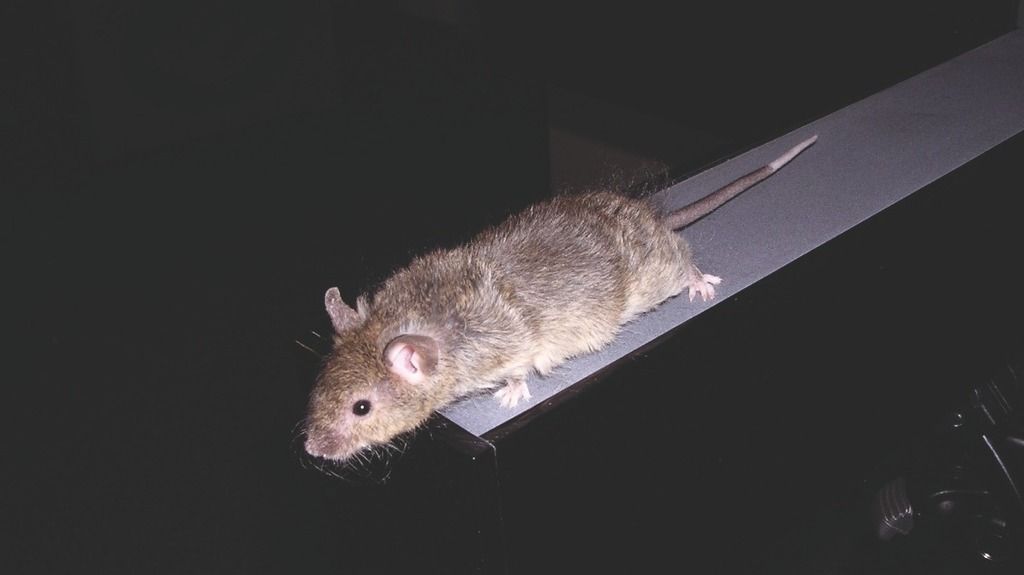
Elevated plus maze
In this well-established test for anxiety-like behavior, excluded rats behaved differently:
- They spent half as much time exploring open arms, avoiding risk.
- They took up to three times longer to enter exposed areas.
This pattern mirrors the cautious behavior often seen in socially anxious adolescents.
Play arena observations
A unique paradox appeared in the play arena:
- Excluded rats approached peers 50% less often, showing social withdrawal.
- At the same time, they lingered near the transparent barriers, remaining close enough to watch others play but not participate.
- Energetic social play decreased by 40%, replaced by less movement overall.
This combination of withdrawal and longing reflects the complex tension in socially anxious individuals who desire connection but fear rejection.
Neural changes related to behavior
Immunohistochemistry revealed measurable brain changes:
- The lateral habenula, a center that processes pain, showed increased activity.
- The dentate gyrus of the hippocampus, important for memory, showed decreased activity.
- No significant changes were observed in the medial prefrontal cortex, amygdala, or striatum, suggesting that the first vulnerabilities occur in the LHb and DG.
Key findings: Exclusion changes the brain and behavior
This research demonstrates three main effects of social exclusion:
-
1.
Persistant anxiety – Even in isolation, excluded rats avoided risk and showed anxiety-like behavior.
-
2.
Craving connection while withdrawing – Rats spent more time observing peers from a distance, highlighting the paradoxical desire to connect coupled with avoidance.
-
3.
Neurological overlap with physical pain – The overactivation of the LHb supports the idea that social rejection activates pathways similar to those engaged by physical pain.
Why rejection feels so painful
This study underscores a powerful truth: during adolescence, social rejection activates brain circuits that process physical pain. By leveraging EthoVision XT's accurate behavioral tracking, researchers were able to link social exclusion to concrete neurological changes and emotional behaviors.
These findings also point to a critical window of opportunity. Adolescence is a time of heightened neural plasticity, making the brain more responsive both to harm and to intervention. Early support, whether through mindfulness, cognitive behavioral therapy, or building protective routines, may help recalibrate these circuits.
FREE TRIAL
Try EthoVision XT yourself!
Request a free trial and find out what EthoVision XT can do for your research!
- A cost-effective solution
- Powerful data selection
- Most cited video tracking system
Get your Free trial
science