Modern systems in Ethology
Studying animal behavior has come a long way from manual pen-and-paper methods. Advances in technology now provide faster and more accurate ways to record and analyze behaviors. Here's how these innovations are making research more efficient.
Want to know which tools can help you in your research? Then, contact us to assist you in setting up your experiment.
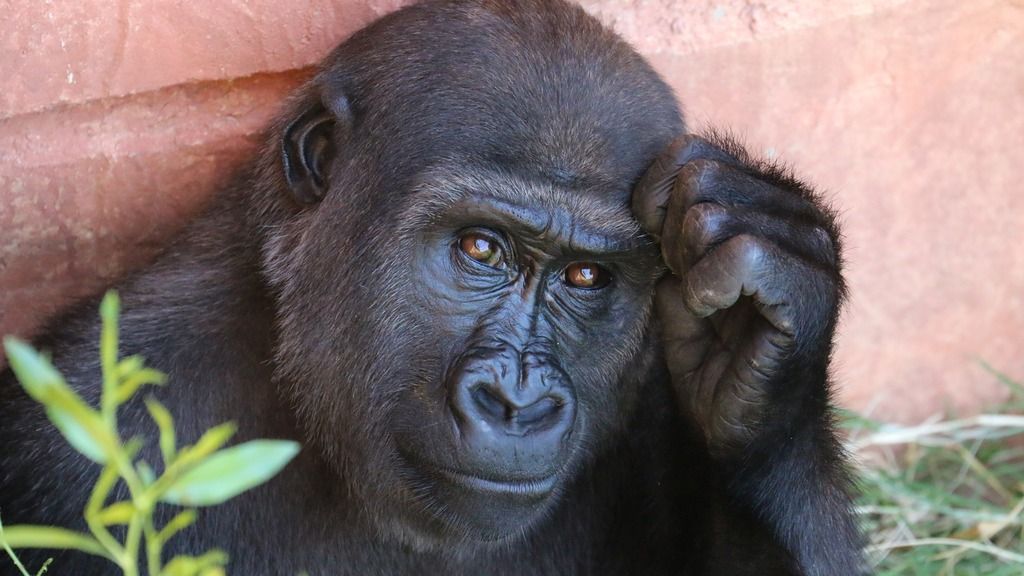
Animal welfare research
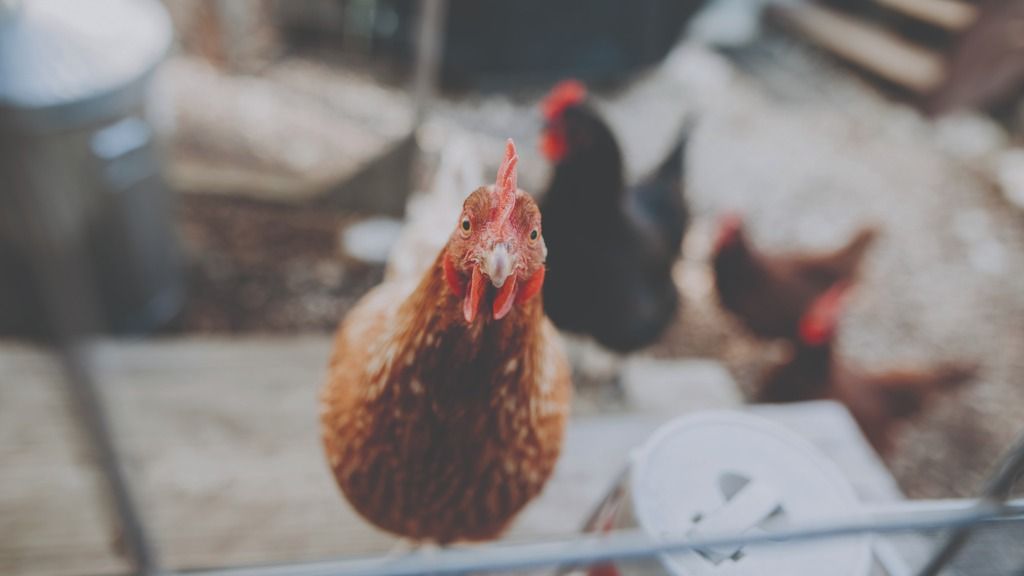
Studying the behavior of livestock helps improve their health and living conditions. By tracking activities like feeding, resting, and social interactions, researchers can identify and address welfare concerns.
- check Changes in resting and feeding behavior can indicate impaired health or stress
- check Social behavior and activity are important to consider when designing and evaluating housing systems
- check Observing play and foraging behaviors evaluates the success of enrichment efforts
Automated systems for zoology
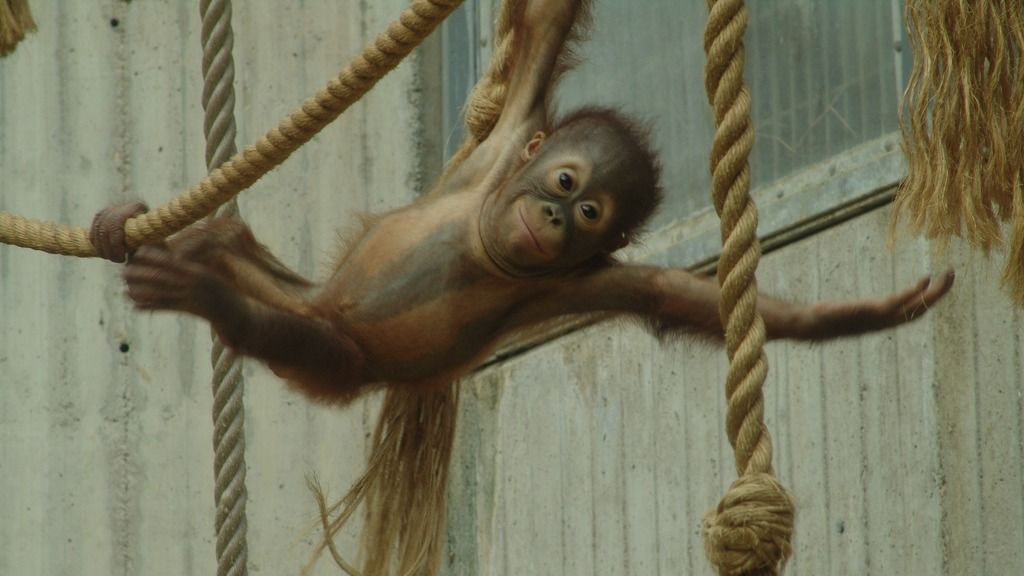
Understanding the behavior of animals in their natural environments or controlled settings like zoos is essential for conservation. Modern tools simplify the observation process, even in the field.
- check Zoo animals provide useful data on behaviors such as feeding and mating
- check Field studies reveal critical information about natural habitats, aiding conservation
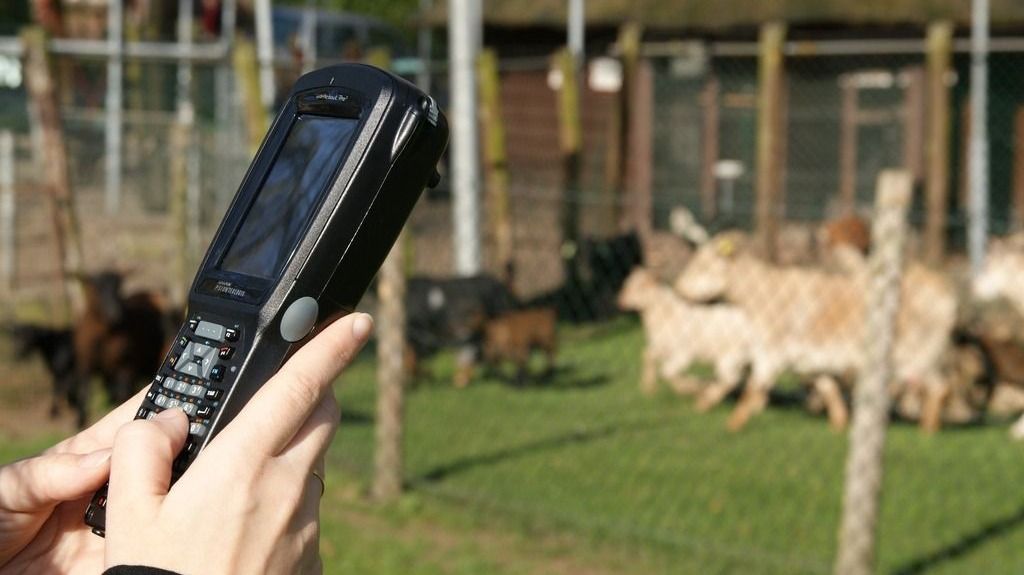
- check Systems like Pocket Observer allow accurate behavioral annotations in the field
Integrating multiple data streams
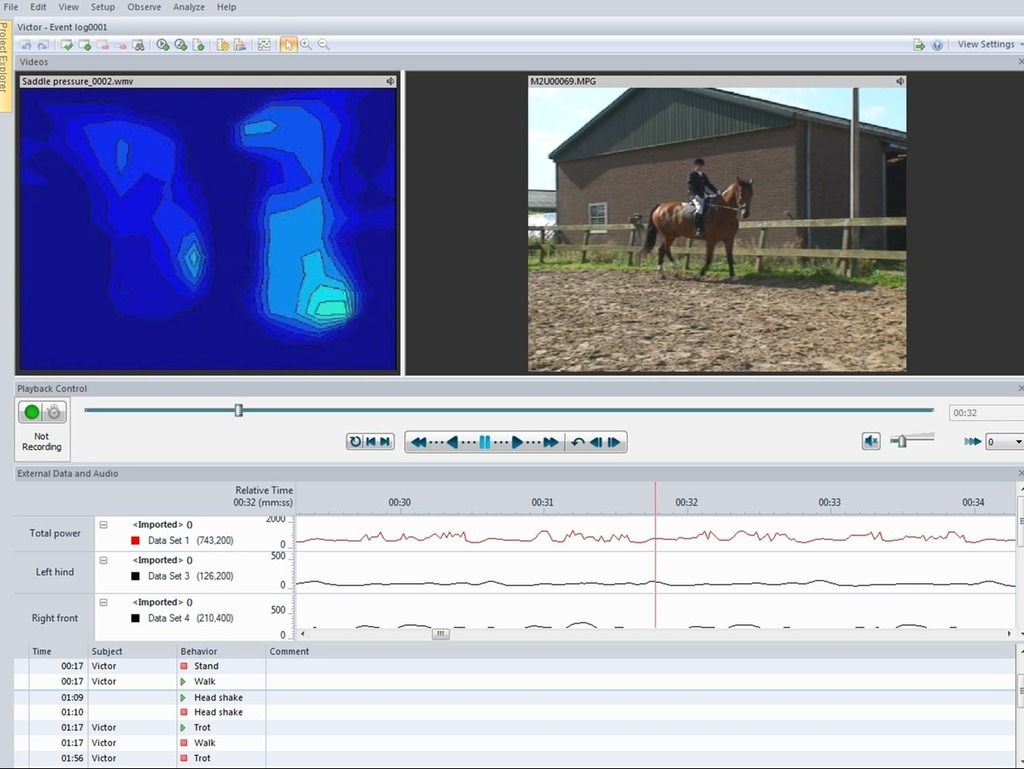
Behavior alone doesn't tell the whole story. Combining behavioral data with physiological and environmental measurements gives a clearer picture of animal health and performance.
- check Physiological data like heart rate, vocalizations, and body temperature
- check Environmental data includes ambient temperature, humidity, and time sensitive data
- check Software like The Observer and EthoVision merges these datasets with behavioral data for more detailed analysis
Entomology
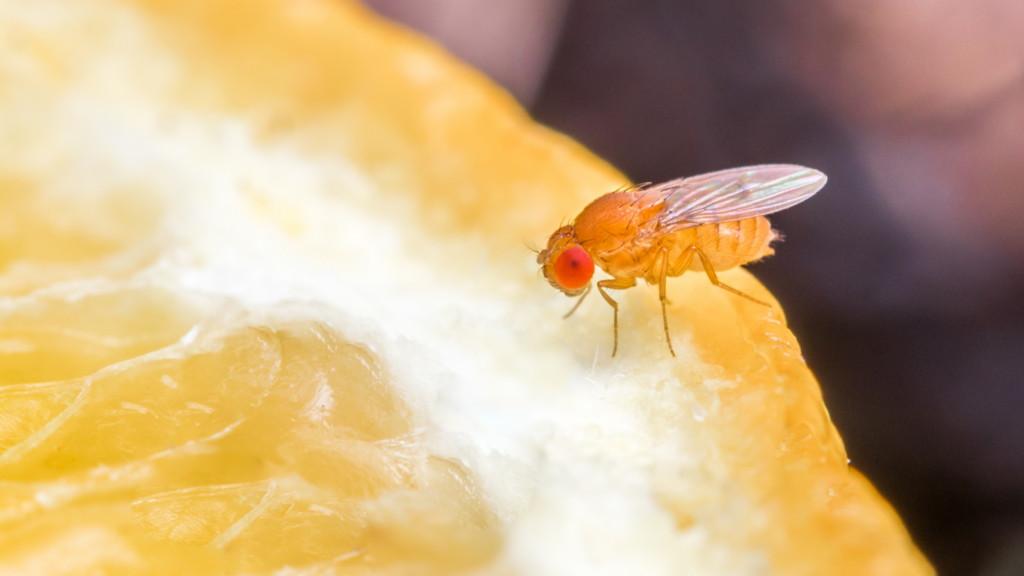
There are many reasons to study insect behavior. Because of its similar genetic makeup and well understood genome, Drosophila melanogaster (fruit flies) is often used in neuroscientific studies. Other insects are studied for their response to chemical compounds or as biological pesticides.
- check Flying insects can be tracked with the Track3D module for EthoVision
- check Plant resistance to certain insects can be assessed using the EntoLab system
- check More complex behaviors can easily be annotated using The Observer
Enhance your behavioral setup
The Observer
The Observer simplifies the annotation of behaviors for zoo animals, livestock, or insects in natural or controlled environments. With The Observer, you can integrate multiple data streams, like physiological signals and environmental conditions, enabling detailed insights into health and welfare.
EthoVision
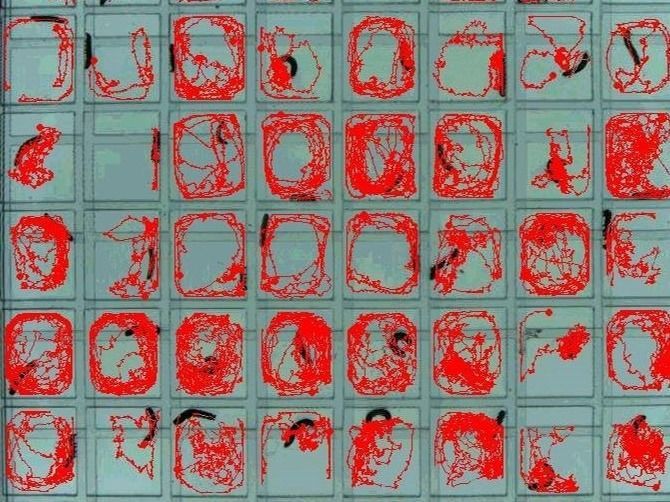
EthoVision is ideal for tracking animals live or from prerecorded videos. This allows you to track insects and small mammals and birds in an arena. EthoVision has been used to track insects in a 2D and 3D environment, observe movement in livestock animals, and analyse rodent behaviors.
TrackLab
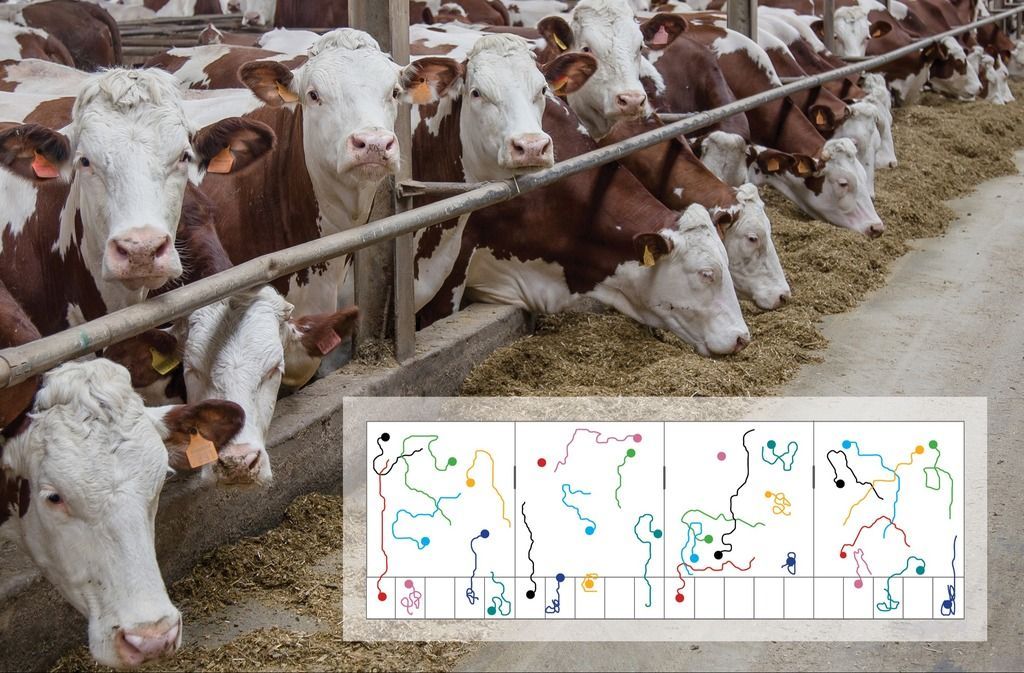
TrackLab excels in monitoring livestock behavior, helping researchers track activities like feeding, resting, and social interactions to improve animal welfare. TrackLab allows you to easily integrate data from environmental and wearable sensors into the analysis. This makes your data more insightful.
Are you looking for advice on your application?
Do you want to learn more about how to apply Noldus products to your research, or do you need advice from our team of behavioral experts?
Noldus is here to assist you throughout the whole process.
Thank you!
We will get back to you within one business day.
Thank you!
We'll get back to you shortly.
Please correct the following errors:
Thank you for registering!
We look forward to seeing you at the NoldusViso launch event.
Please correct the following errors: