Education & training
How can you make sure students become the professional they want to be? Let them practice their skills and benefit from video-based feedback. It will help them evaluate their own learning process and identify gaps.
As an educator you want to:
- check Put theory into practice in a safe and controlled environment
- check Capture training sessions on video for debriefing
- check Give students immediate feedback
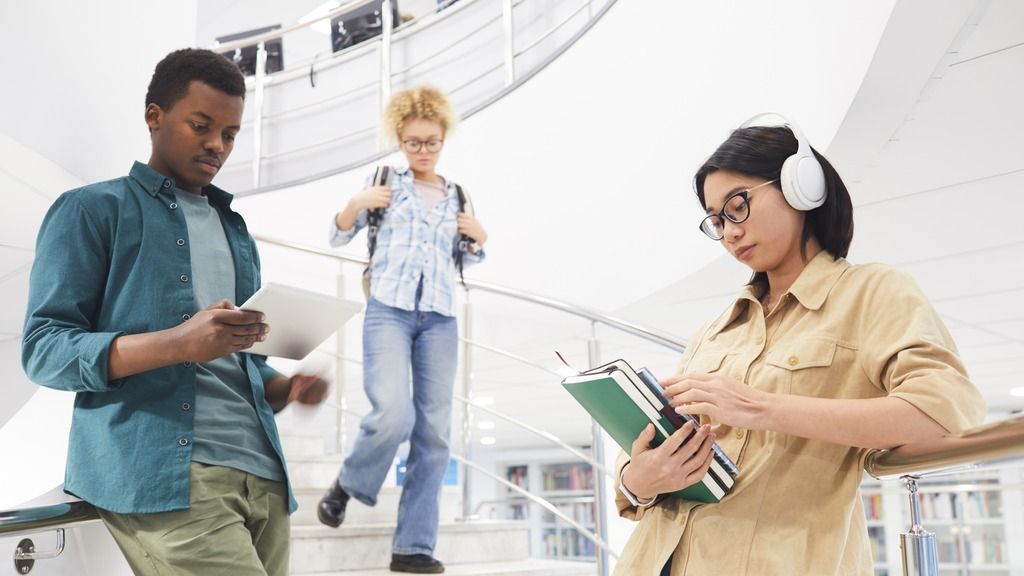
What is education & training?

Helping people acquire new skills and gain knowledge is what it is all about in education and training. Your goal is that people develop expertise in a particular field or profession.
It can take place in a wide variety of fields, and in many different settings such as classrooms and skills labs. By using video and audio recordings in education and training, students and educators can receive, and benefit from, direct feedback. It provides information about how we are doing in our efforts to reach a goal.
A day in the life of an educator
The overall development of the student is your main concern as an educator. You are focused on their learning process, critical thinking, emotional intelligence, and real-world skills. There is a lot involved in achieving that students get prepared for the modern job market. Ideally, you want to offer them a learning environment that mirrors the demands of the workplace - to practice real job tasks and soft skills like communication, teamwork, and problem-solving.
Student engagement is your ultimate goal
The challenges you face have mainly to do with limited resources - time, technology, funding - while staying up to date with trends. Nowadays, it is inevitable that these trends are an important factor in student engagement.
Advanced tools will help you tackle key challenges like resource management, student engagement, and skill development. Subsequently, you can create a more dynamic and effective learning environment that better prepares students for future challenges.
How to elevate education & training
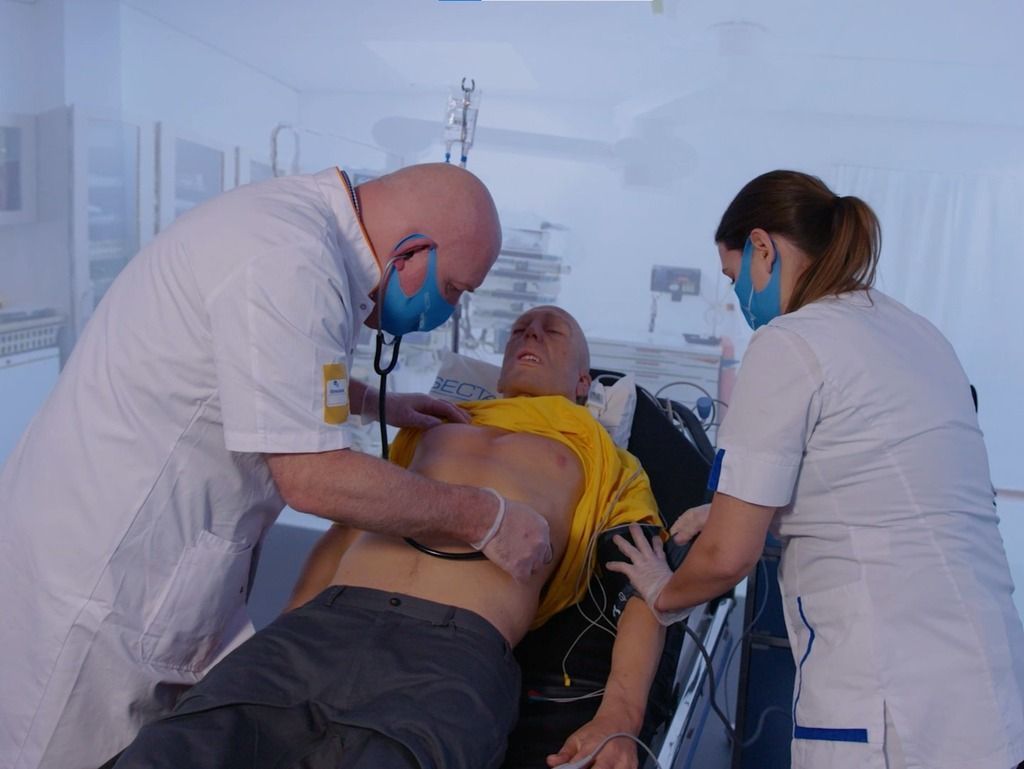
Provide skills training
By assigning tasks that reflect real industry challenges or workplace scenarios, students gain hands-on experience that prepares them for their future jobs. Feedback is an essential part of that effective learning process.
- check Video observation is a non-invasive form to capture skills of students. Multiple camera views create new perspectives on the same behavior. The video recordings can be used to give feedback on pre-defined goals during debriefing.
- check In case of a large number of students, diverse conditions or different scenarios, a multi-room lab will meet your needs. It allows sessions to take place in parallel.

Increase student engagement
You can develop instructional materials more effectively by understanding the factors that influence student engagement. When students are engaged, their motivation, productivity, and performance improves.
- check Measuring students' facial expressions enables you to capture subtle signs of interest, confusion, or boredom. You'll get objective feedback on how students are feeling during a lesson.
- check After coding student and teacher behavior, you can analyze the patterns and discover the influence of teachers' motivation behaviors on students' engagement. You'll clearly see how to enlarge student engagement.
Best practices for education and training

Know your students
Try to understand their individual learning styles, interests, backgrounds, and needs which allows for personalized instruction that resonates on a deeper level.
Encourage active learning
Keep students engaged and help them apply knowledge in real-world scenarios, for example with group projects, discussions, problem-solving exercises, and hands-on activities. Active learning helps students apply their knowledge in practical situations, which not only increases retention but also fosters the development of critical thinking and collaboration skills.
Give clear and structured feedback
Feedback should not only highlight areas for improvement but also recognize achievements. This consistent communication helps students track their progress, builds confidence, and encourages a growth mindset, where they view challenges as opportunities to learn.
Use technology effectively
Incorporate digital tools, online resources, and interactive platforms to enhance the learning experience. These tools can offer students a variety of ways to engage with the material, making it more accessible and enjoyable.
Maintain flexibility
Remain open to new teaching methods, tools, and feedback. This willingness to evolve ensures that students continue to offer relevant and impactful learning experiences.
Foster a supportive classroom environment
Let students feel comfortable asking questions and taking risks. This encourages critical thinking, creativity, and collaboration, all of which are crucial for both academic and professional success.
Featured resources

How to train students in soft skills: Tools and techniques
Soft skills are a vital component of student success in both academic and professional settings. In this blog post, you can explore some of the best tools and techniques for training students in soft skills.
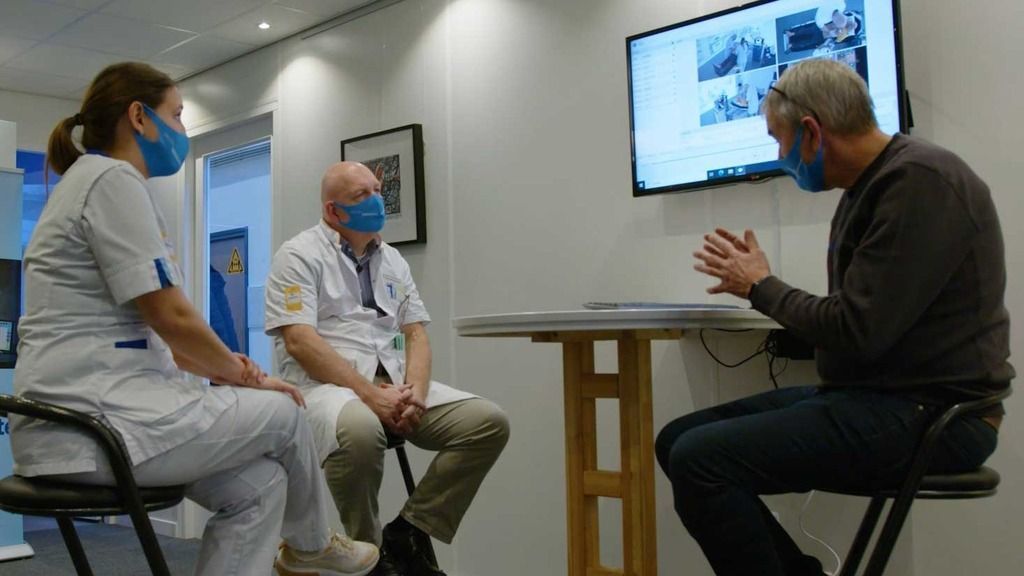
Simulation-based training in an immersive room
When well-constructed simulation-based training takes place in an immersive room, it offers a lifelike experience. Moreover, by adding Viso as the video feedback tool, efficient debriefing of the training is assured.
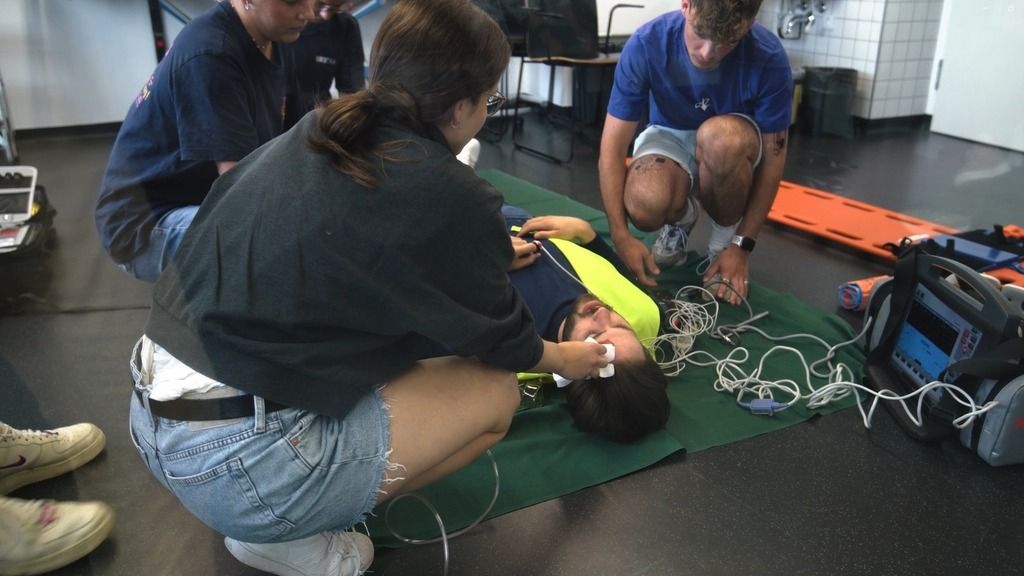
Preparing future healthcare professionals
At the AIXTRA competence center for training and patient safety in Germany, students improve their skills and build the confidence they need to succeed in their future roles, whether in hospitals or other healthcare settings.
Are you looking for advice on your application?
Do you want to learn more about how to apply Noldus products to your research, or do you need advice from our team of behavioral experts?
Noldus is here to assist you throughout the whole process.
Thank you!
We will get back to you within one business day.