Animal Behavior Research Blog Posts
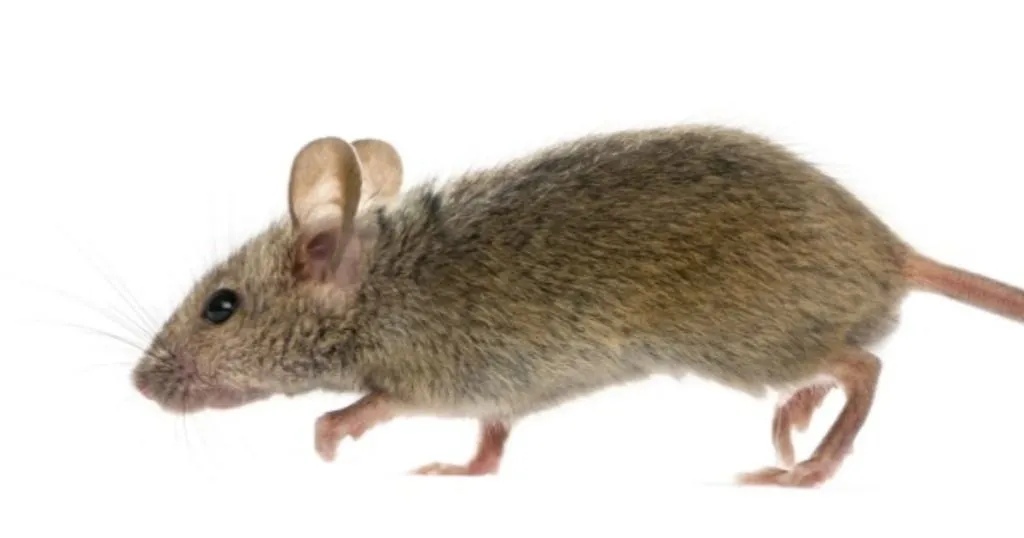
Mice walking again after a complete spinal cord crush
Researchers from the University of Bochum achieved significant scientific results by making mice walk again after a complete spinal cord crush! Read more about it in this blog post.
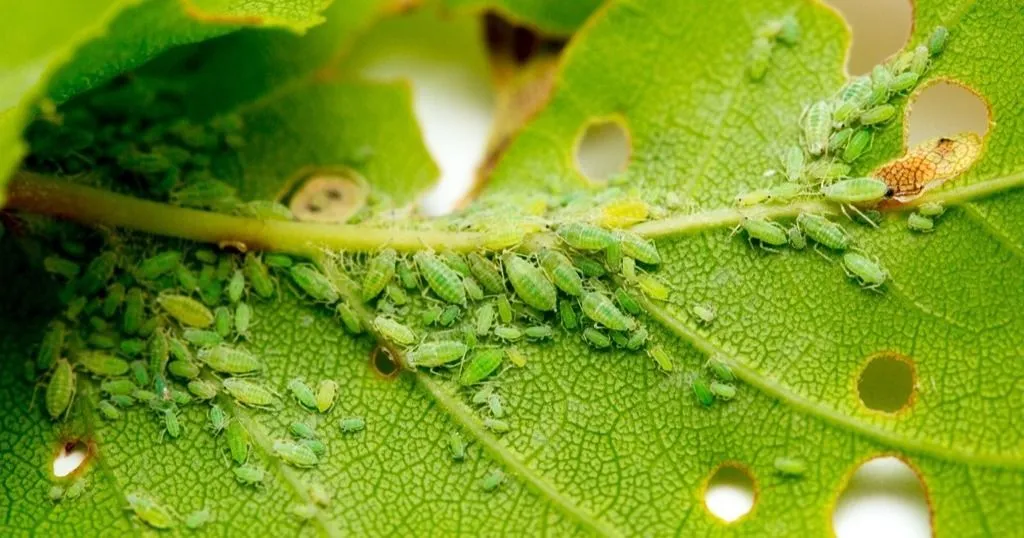
Screening plants for resistance to insect pests
EntoLab is a computerized system for automated screening of plants for resistance to sucking insects. It can accurately screen many different plant lines in a high-throughput manner.
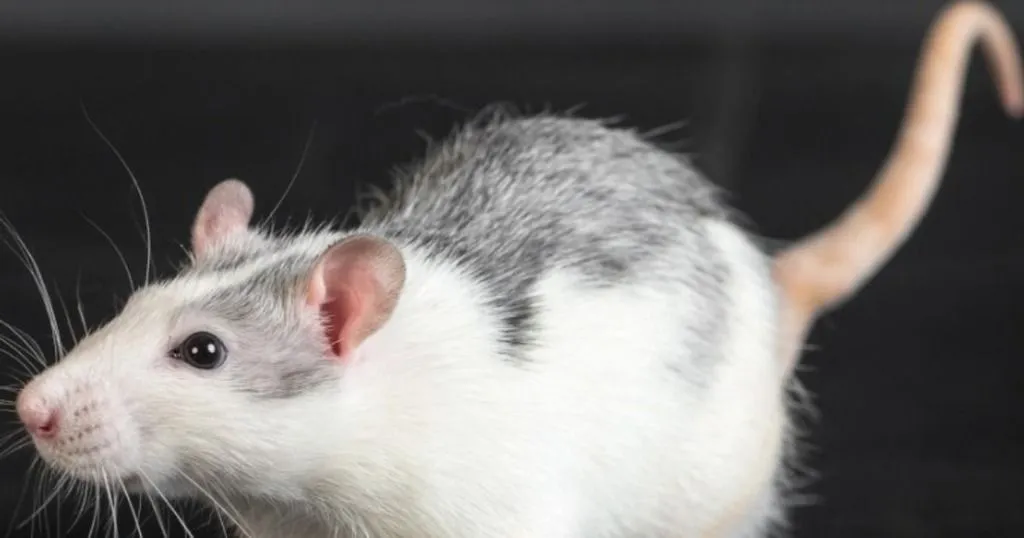
Vestibulopathy: movement and balance issues investigated in rats
It is hard to diagnose vestibulopathy, so a rat model was developed to study the progress of symptoms, from day one to day 30 after ear injury. Results can improve future human diagnosis and therapy options.
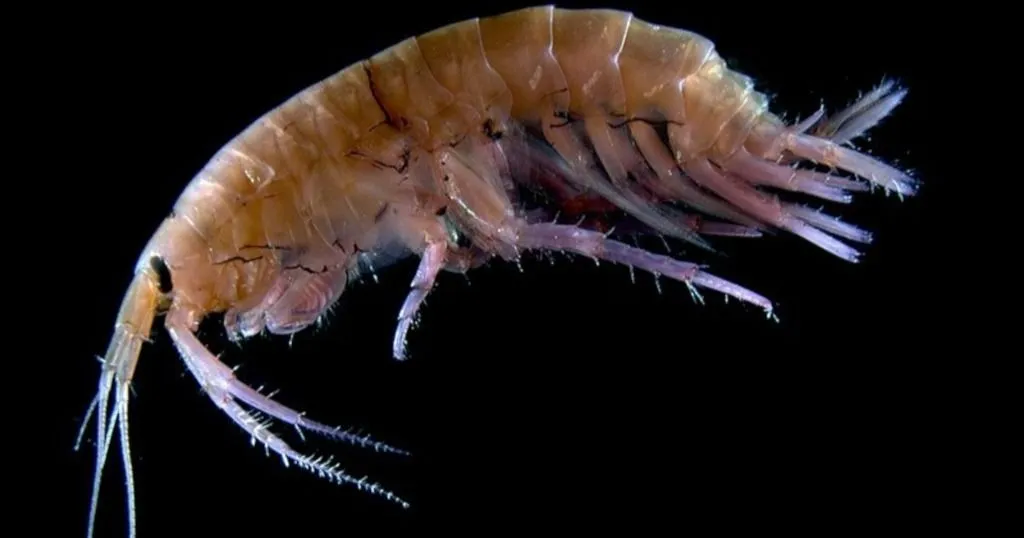
Nearly impossible to video track: small shrimp
Gammarus shrimps are exceptionally difficult to track, but Noldus solved the puzzle, resulting in interesting insights into its ecology.
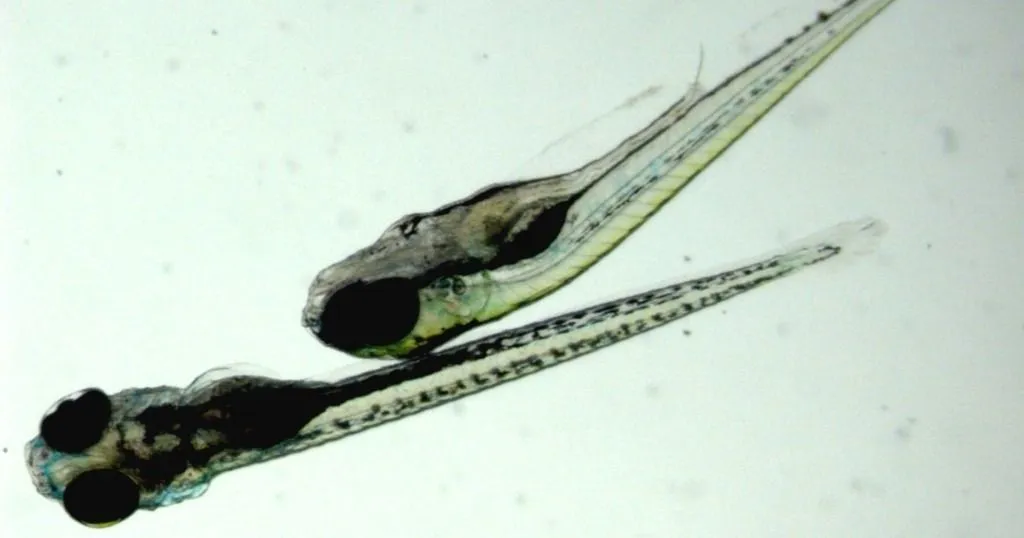
Getting robust results: one zebrafish is not like the other
Zebrafish larvae locomotor behavior often has a high variability, which can have a big impact on your results. Still, it is one of the most used parameters. So how can you make your study more robust?
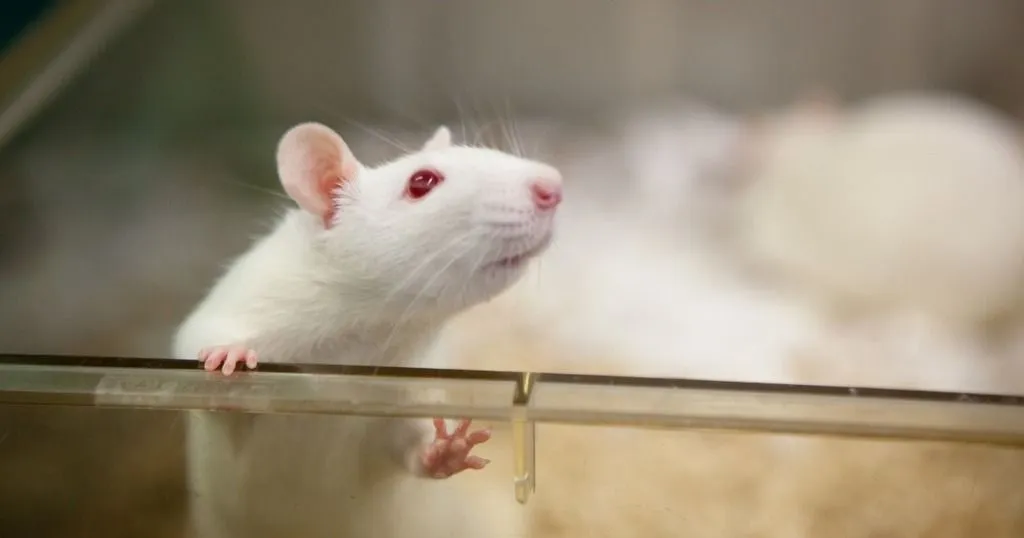
How behavioral core facilities advance research
Behavioral cores benefit universities as well as science in general. Recent cases show improved reproducibility of tests and protocols to assess a more complex phenotype of model animals.
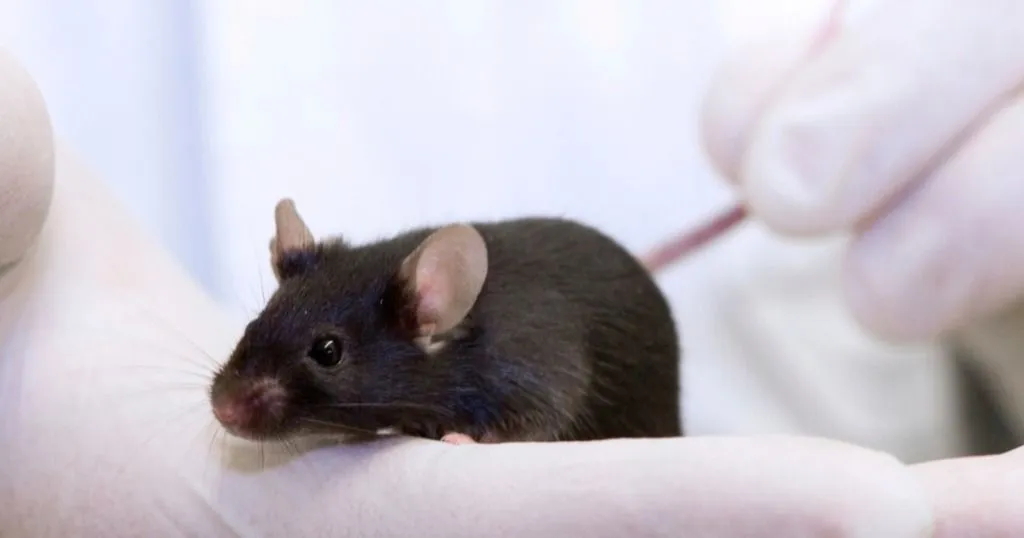
A new sensory and motor scale for the CIA arthritis mouse model
Dr. Bonnefont and her colleagues at IRMB in France just recently proposed a new ArthriSM scale to predict motor and sensory functional deficits in arthritis mouse model. Read more about it in her blog post!
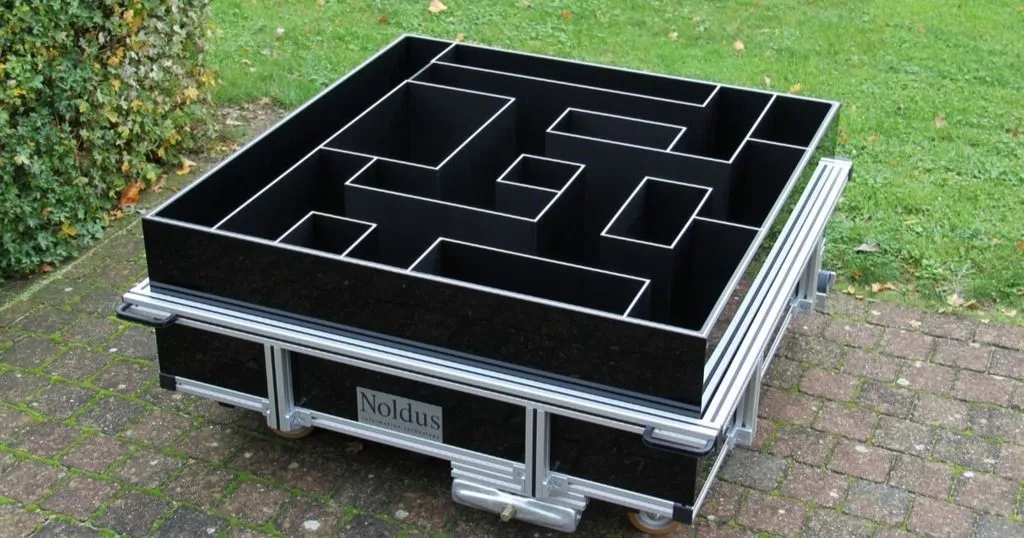
Studying spatial learning and memory with Cincinnati Water Maze
Studying spatial learning and memory is important to develop treatment for Alzheimer's and other diseases influencing on orientation and navigation. One way to study it is with Cincinnati Water Maze.
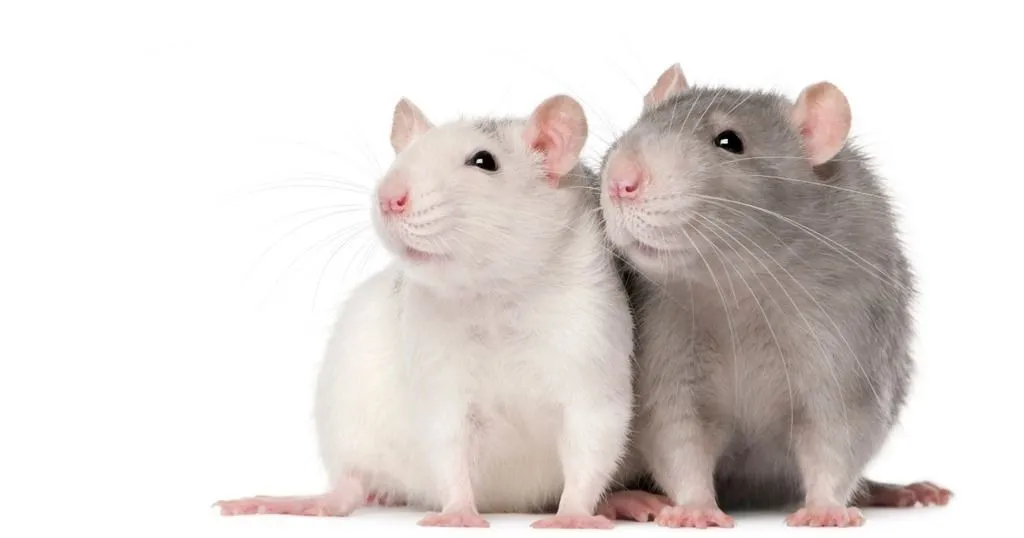
The relationship between social hierarchy and social stress
Today, Deepika Patel kindly shares her research on social structures with us. She investigated rat behavior in detail, using several test paradigms.
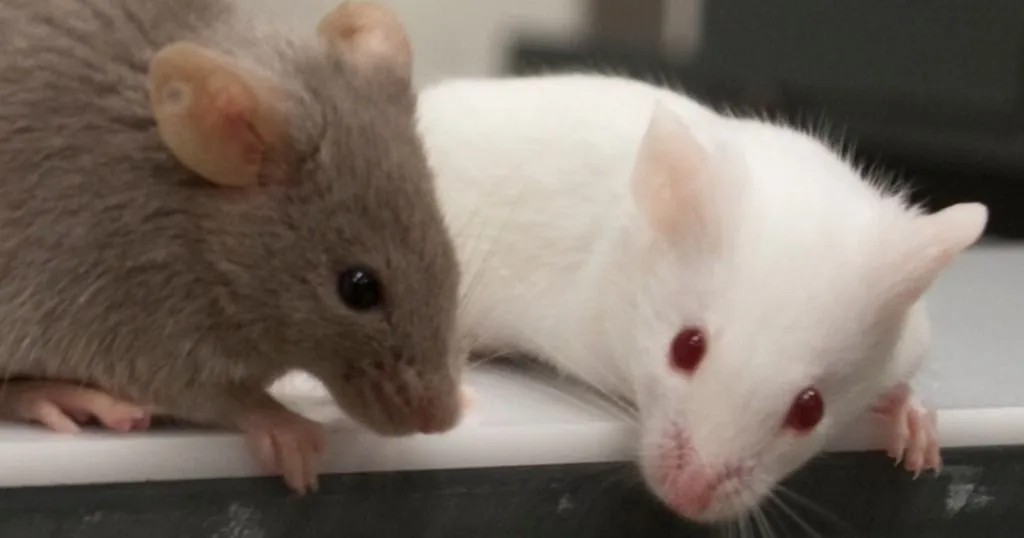
A to Z on optogenetics and video tracking studies
Optogenetics allow researchers to either activate or inhibit neurons in the brain. To see how this affects behavior, you need to record that behavior and synchronize it with the stimulation. Here's how.
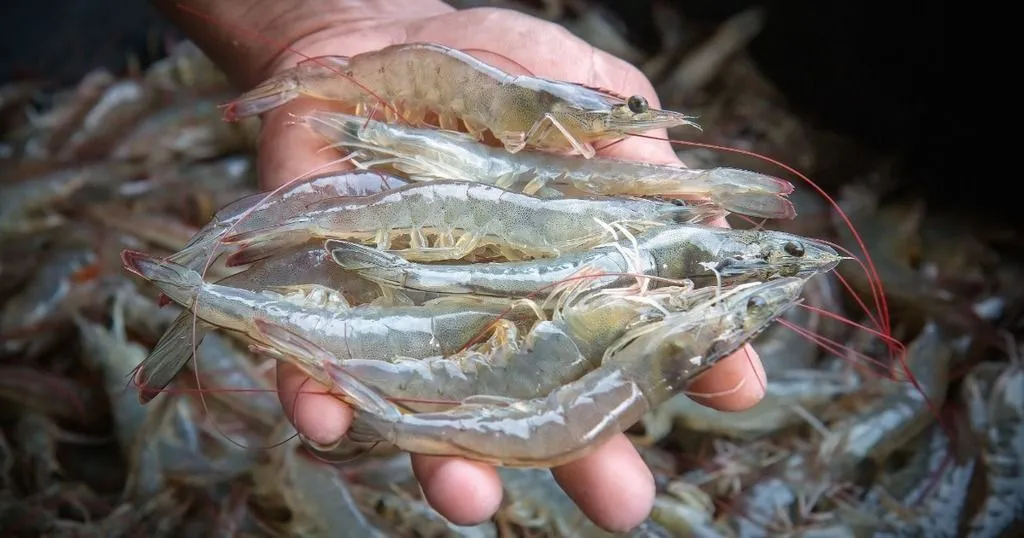
Studying shrimp feeding behavior and why it’s important for aquaculture
Shrimp is a popular dish, and these crustaceans are a very large part of commercial aquaculture. Especially Pacific white-leg shrimp, as they grow fast and are able to adapt to a wide range of environments.
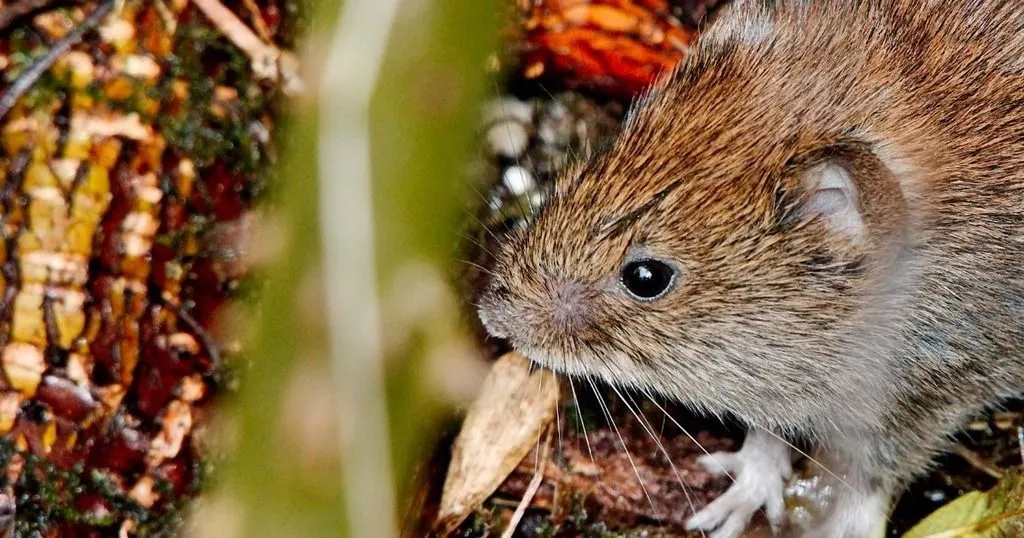
Father’s genes affect their offspring’s future success
The early life environment of male bank voles can influence their offspring significantly. Both social stress and nutrient supply have an effect on the chances of survival for two generations.
Thank you!
We'll get back to you shortly.
Please correct the following errors:
Thank you for registering!
We look forward to seeing you at the NoldusViso launch event.
Please correct the following errors: