Animal Behavior Research Blog Posts
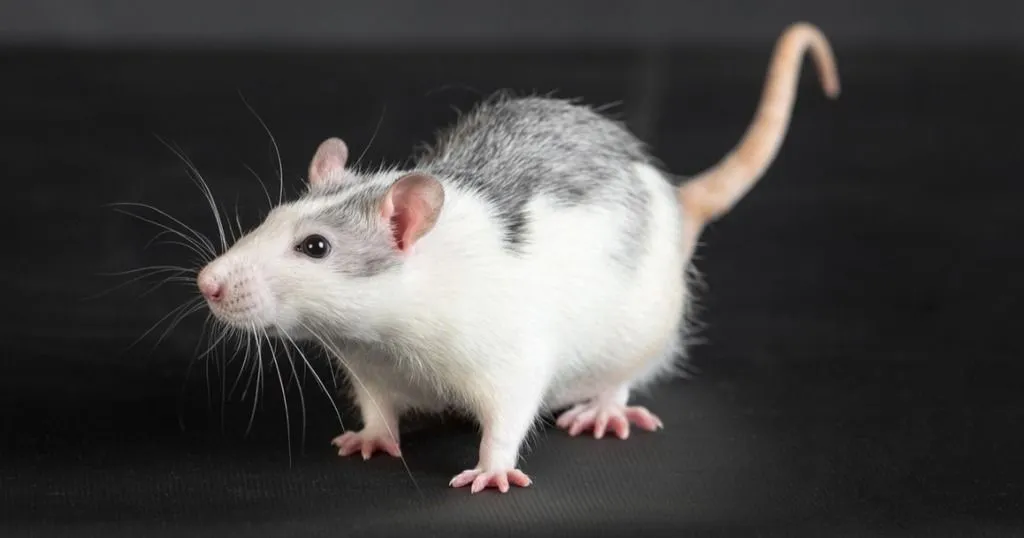
How sleep heals the brain
We sleep a large portion of our lives. And now researchers have proven that it can heal the brain.
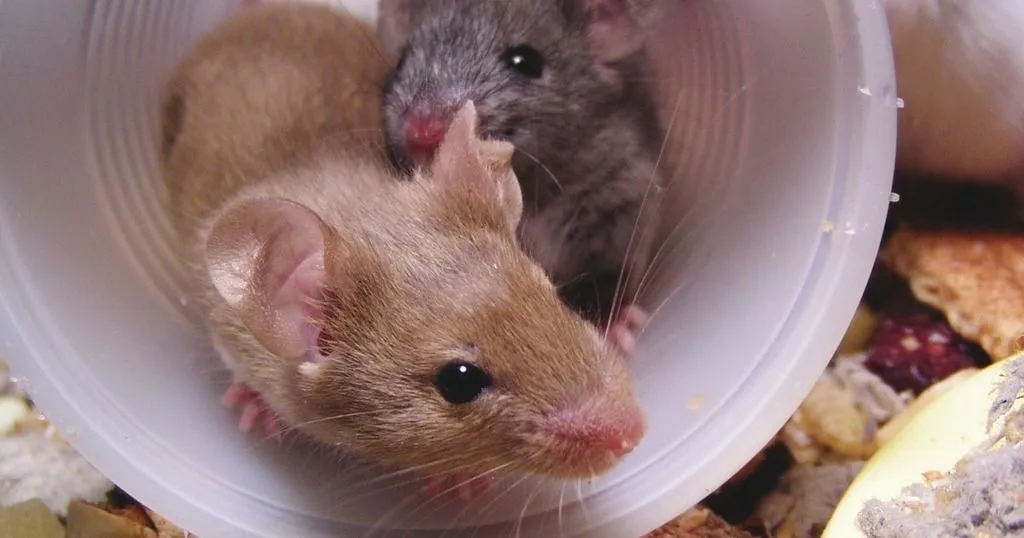
Serotonin and social skills: how adult mice differ from juveniles
Serotonin is a busy neurotransmitter, influencing processes as memory, mood, emotion, appetite, and sexuality. A prime role for this neurotransmitter is social behavior, across a variety of species; humans, rodents, primates.
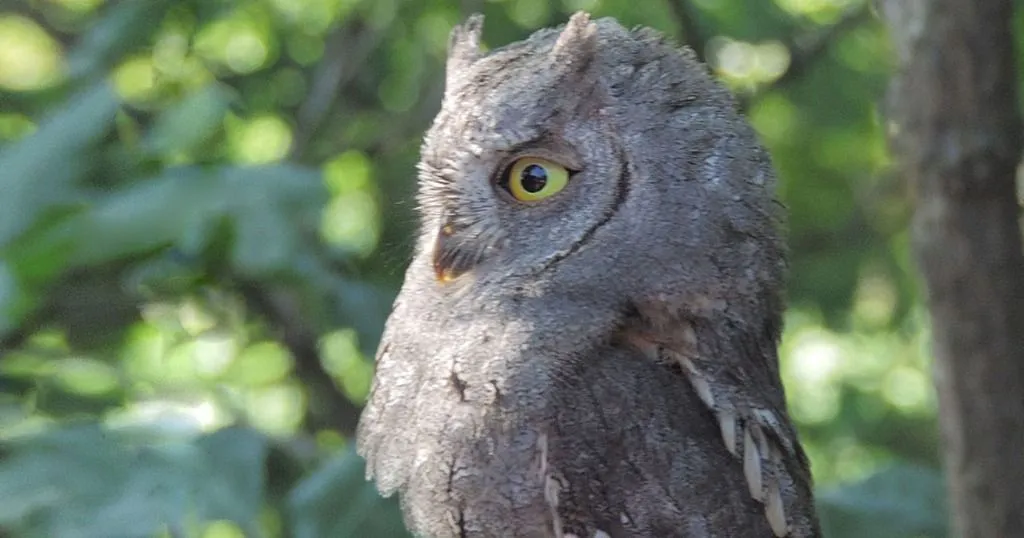
How to analyze bird calls with UltraVox XT: a summer love on a spectrogram
You may know that the recently-released UltraVox XT 3 is used to study ultrasound vocalizations, especially in rodents and bats. But the fact that it analyzes full-spectrum sound, makes it ideal for analyzing bird calls.
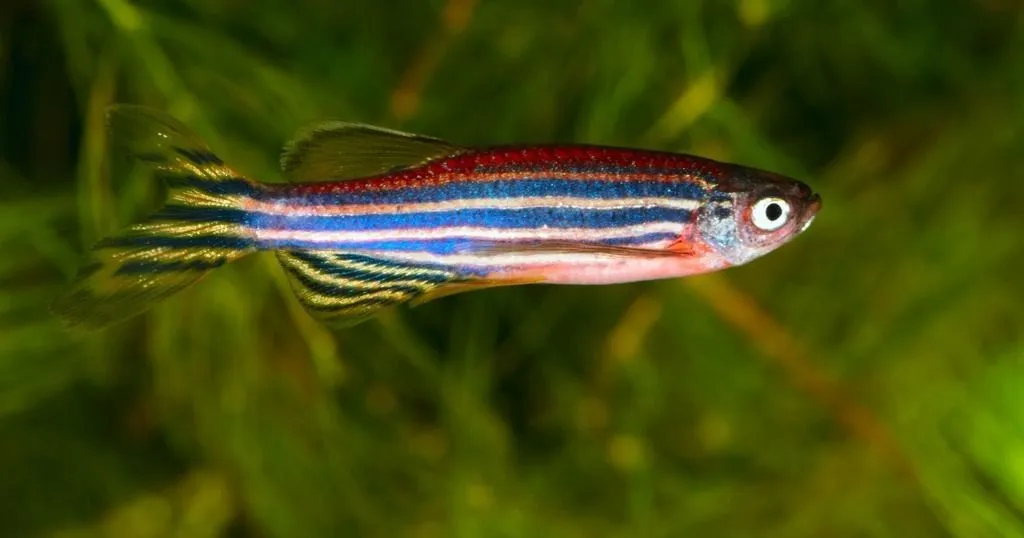
Zebrafish provide key insights into alcohol addiction
Why is it that when people drink, only small subsets of individuals develop an alcohol addiction? Steven Tran from the Gerlai Lab tells us why zebrafish are very helpful in the search for the answer to this question.
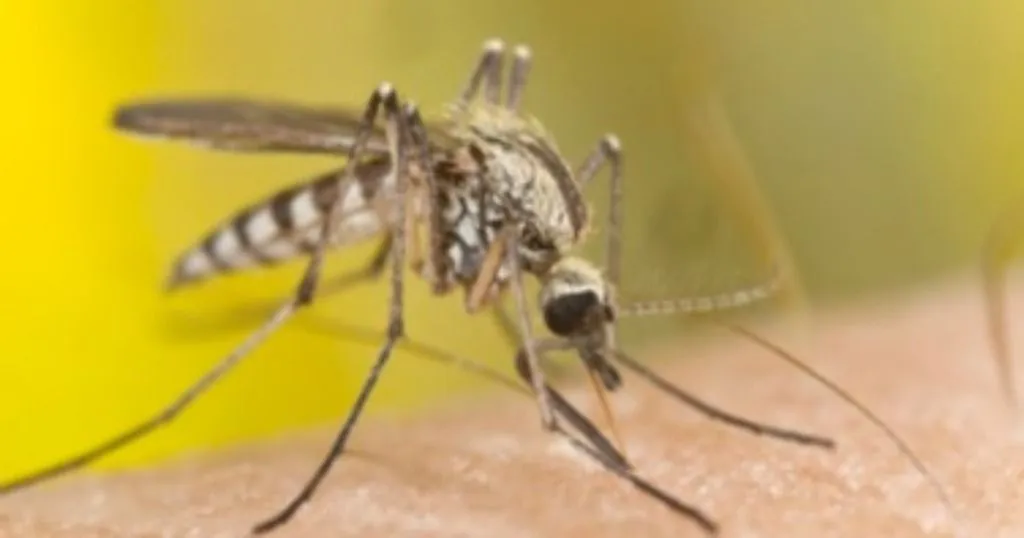
Does pesticide resistance make malaria mosquitoes “smarter”?
In one of my previous blog posts, I wrote about the success of insecticide treated bed nets in preventing malaria. In the past five years, mortality from malaria has dropped with 60%.
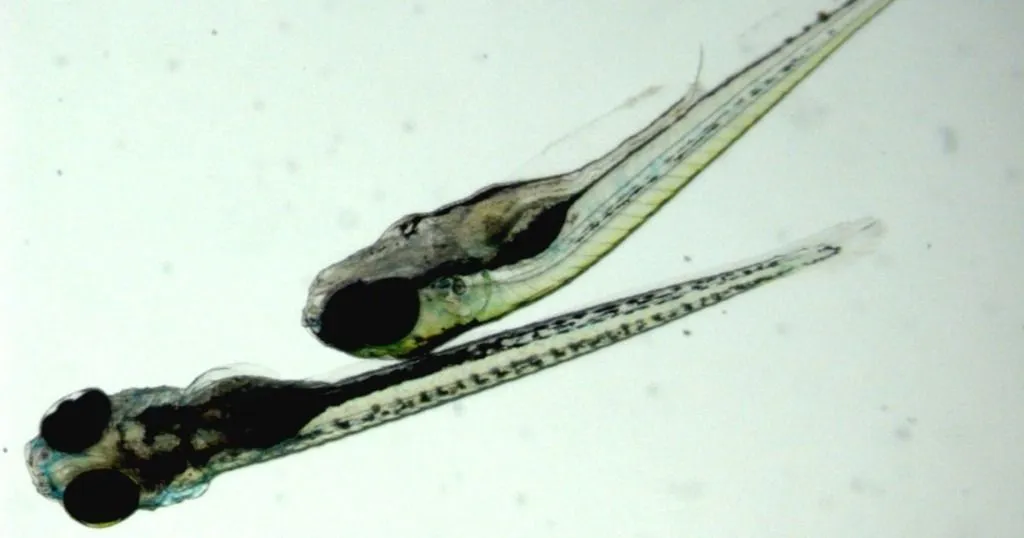
Seizing fish: a high-throughput screen for novel antiepileptic drugs
The lab of Prof. Richard Baines investigates how the electrical development of neurons is regulated. His research was long based on the larvae of fruitfly, but the lab recently started using zebrafish larvae.
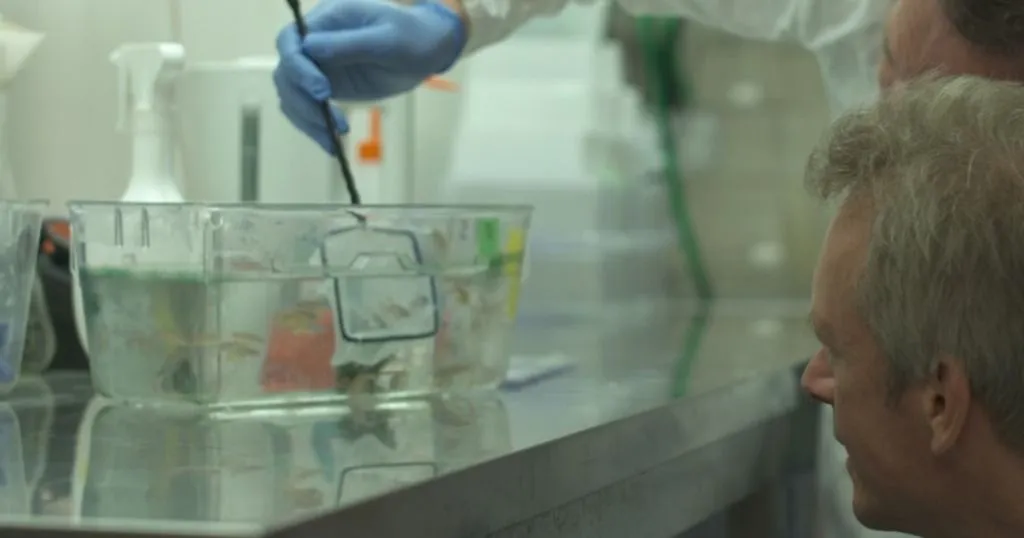
How to capture the 3D swimming patterns of fish
Zebrafish have more in common with humans than meets the eye. This is why they have become a “go-to” model in neuroscience research. But one difference remains: we walk and they swim.
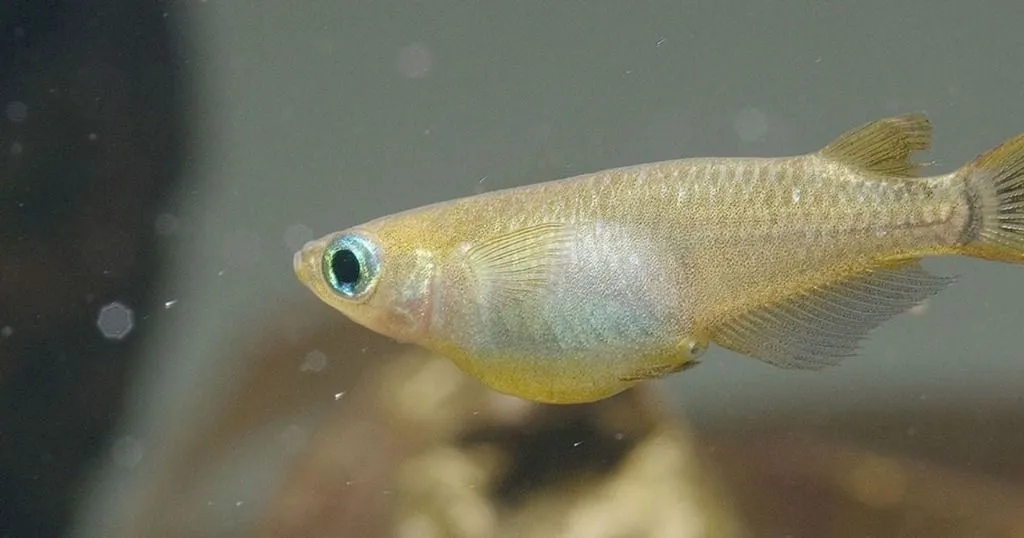
A new fish on the block: Japanese medaka in toxicology studies
We are all very familiar with zebrafish as a model species in neuroscience research. Today, let's talk about another fish, the Japanese medaka.
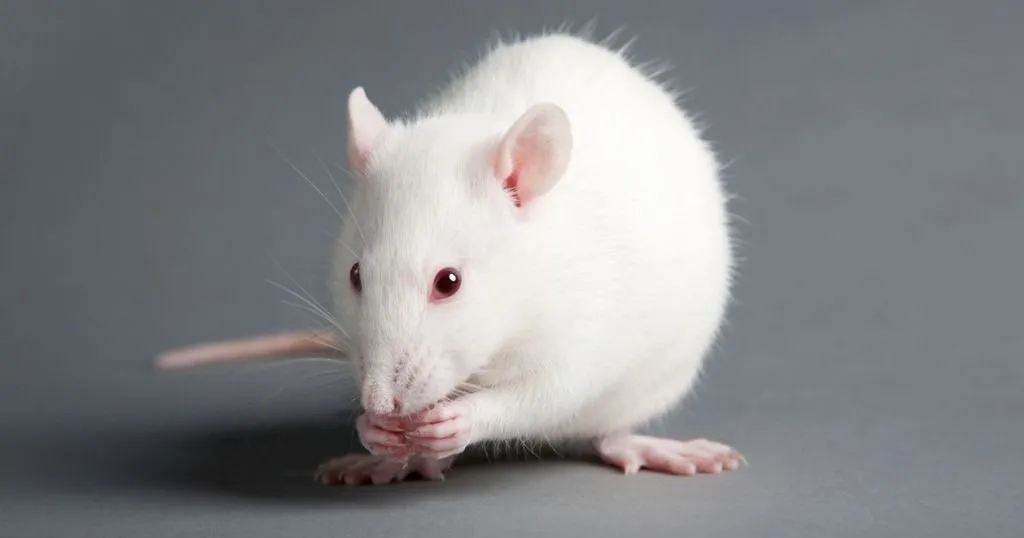
Dementia symptoms following surgery
This week we have a guest post by Iris Hovens. She has done some really interesting research into the consequences of surgery in terms of reduced memory and concentration problems.
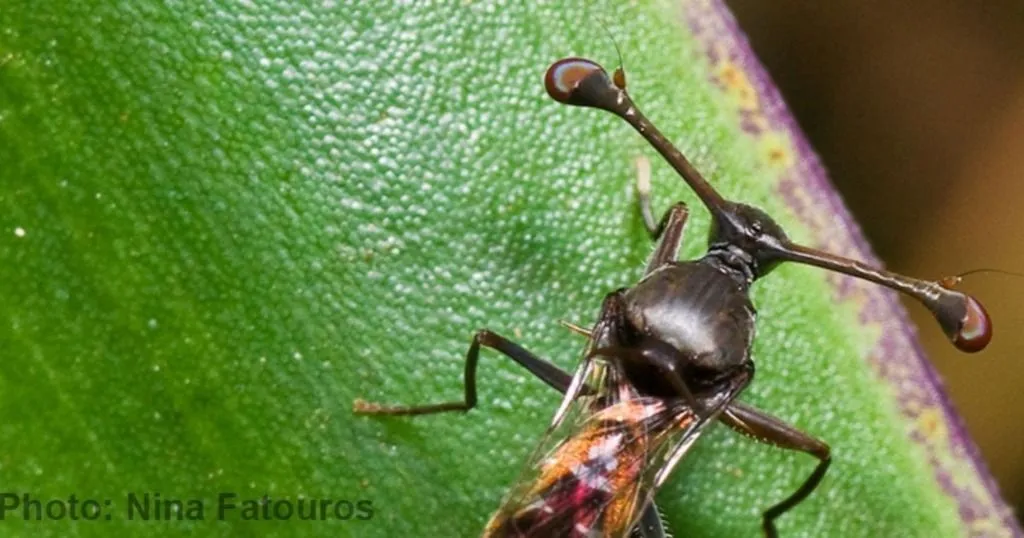
Bigger is not always better: hypothesis testing in sexual evolution
Sexual selection can lead to fascinating phenomena. We are all familiar with the fabulous color display of male peacocks to attract females. Less well known, but definitely not less interesting, are stalk-eyed flies.
A new approach in the battle against malaria
Bed nets treated with insecticide (ITNs) greatly decrease malaria illness and mortality. ITNs can decrease infant mortality from all causes by more than 20%.
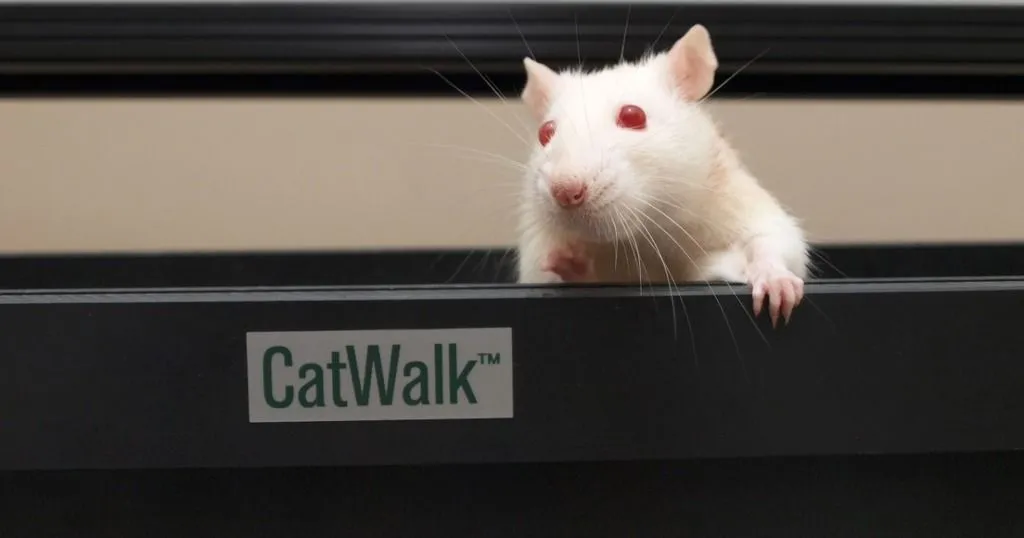
How to let rats run perfectly
Letting animals walk freely in gait research. At Noldus, we strongly believe this is the way to go, so that is how our CatWalk XT system works.
Thank you!
We'll get back to you shortly.
Please correct the following errors:
Thank you for registering!
We look forward to seeing you at the NoldusViso launch event.
Please correct the following errors: