Plavicki Lab | Brown University
Using optogenetics with DanioVision in zebrafish research
We visited Dr. Jessica Plavicki, of the department of Pathology and Laboratory Medicine of Brown University in Providence, Rhode Island. She runs her own lab where they are studying developing zebrafish, aimed at assessing the impact of chemical and/or environmental exposure, and genetic mutations on brain and heart health.
From genes and environment to behavior
How the Plavicki Lab at Brown University combines zebrafish imaging and DanioVision to study heart and brain development.
Key takeaways
- The lab studies how environment and genes affect heart and brain development.
- Questions are studied at the molecular, cellular, and behavioral level.
- Two DanioVision units run light-dark assays and photoconvert CaMPARI fish.
- Larval and adult behavior can be combined with optogenetics in one setup.
Dr. Jessica Plavicki is an assistant professor at Brown University in Providence, Rhode Island. Her lab studies how environmental exposures and genetic mutations affect development, with a special interest in the heart and the brain, and in the link between brain health and heart health.
“As a developmental biologist, we’re trained about the importance of different genes and their roles in forming organs, and how small mutations can impact health,” she says. Yet environmental health is often overlooked: people don’t see it as a driver of human disease in the same way they see genetics. Her lab looks at both.
Many levels of analysis
An idea from her undergraduate training still shapes the work of the lab. Every question is studied at the molecular level, the cellular level, and the functional level. “And one of the best functional levels is looking at behavior,” she says.
If you look at a question from multiple levels of analysis, you’ll have a richer understanding of those processes.
Behavior and imaging, side by side
The lab uses two DanioVision units. A light-dark assay shows how different environmental chemicals affect behavior. The units are also used in a more unusual way: after exposing CaMPARI fish to environmental contaminants, the team uses DanioVision to photoconvert the CaMPARI protein, which records where neurons were active. The image analysis is then done on a confocal microscope.
According to Dr. Plavicki, one of the nicest things about the Noldus products is their flexibility. The lab can look at larval behavior at different time points and with different types of stimuli, look at adult behavior, and bring optogenetics into the same research questions.
Why zebrafish
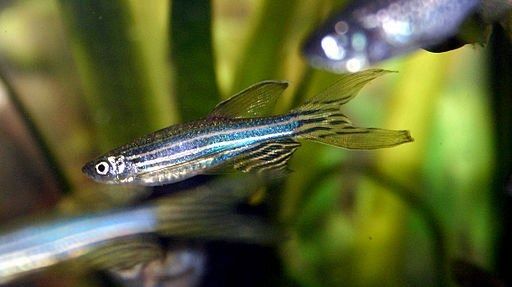
“Zebrafish are wonderful,” she says. “I think anyone who worked with zebrafish feels pretty passionately about them.” The tiny aquatic model is transparent early in life. Pigment inhibition and genetic mutants keep them transparent longer, which makes them easy to image. For an imaging-focused lab, that means watching cells migrate, organs form, and cells function in real time. “There’s just a huge amount of beauty in that, as well as scientific power.”
A team that works together
Of everything that goes into setting up a lab, what stands out most to Dr. Plavicki is building a strong team: people who are excited about science and willing to work together, even when they each have their own projects. “Collaboration is such an essential driver in science.”
DanioVision
Standardized behavior testing for zebrafish larvae
Discover how DanioVision helps you run light-dark, optogenetic, and other assays in larval zebrafish, under consistent conditions.
Interested in similar results?
Get in touch!
Want to achieve the same research quality as Plavicki Lab | Brown University? Let us show you how our tools can support your work. Book a demo or request more information.
Thank you!
We will get back to you within one business day.

Thank you!
We'll get back to you shortly.
Please correct the following errors:
Thank you for registering!
We look forward to seeing you at the NoldusViso launch event.
Please correct the following errors: