MARIN - Maritime research institute
Human factor research in a ship bridge simulator
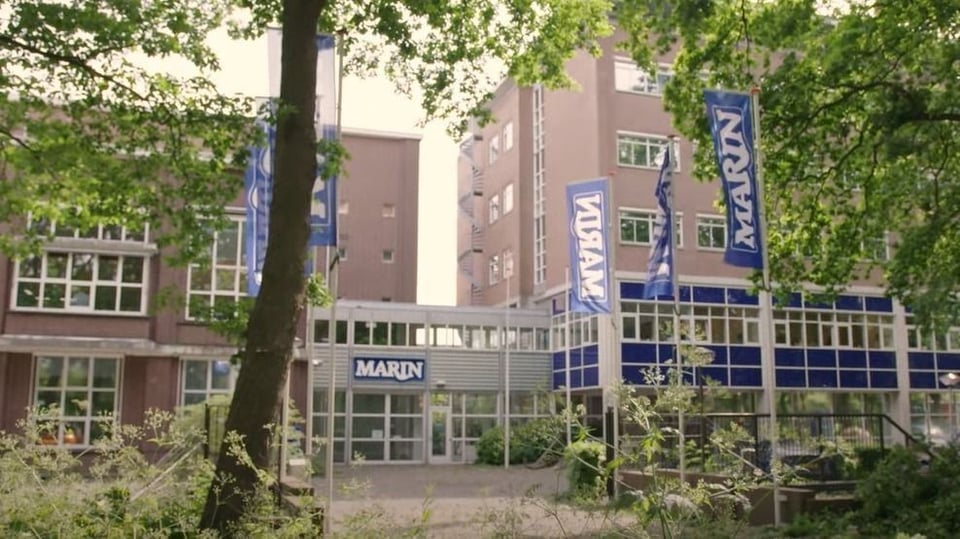
Hans Huisman shows us around a state-of-the-art ship bridge simulator at MARIN: one of the world's leading maritime research institutes. They are also developing a brand new 'seven oceans simulation center' which is integrated with a Noldus toolkit for human factor research.
Hard data on the human element
How MARIN measures crew performance in its ship bridge simulators, next to the technical data.
Key takeaways
- MARIN combines simulator data with hard data on crew performance.
- Eye tracking and heart rate add to questionnaires and interviews.
- Instructors change weather, wind, and visibility during a scenario.
- Hard data often shows trainees they acted differently than they thought.
MARIN, the Maritime Research Institute Netherlands, is an applied research institute in the maritime domain. It does a lot of research on shipping and offshore installations, and the human element is part of every maritime operation. Hans Huisman, team leader Human Factors at MARIN, explains the goal: “not to only have technical data from the simulator, but also have hard data on the performance of the crew or special individuals within the crew.”
A full mission bridge
The full mission bridge simulator is MARIN’s largest ship bridge simulator. Next to it are six other simulators: for inland vessels, tugboats, and crane operations, and a moving-base simulator for fast small ships.
Ship’s crews come in for training or research and operate the simulator as if it were a real ship. Behind the scenes, an instructor can adapt the situation: change the weather, the wind, and the visibility, and introduce all kinds of events for the crew to deal with.
Hard data on human performance
“MARIN is, of course, a technical institute, and we love to have data and to analyze data,” Huisman says. Questionnaires, interviews, and expert opinions remain important in human factors research. But hard data, such as eye tracking and heart rate, gives a better understanding of how people perform in a complex working environment. It leads to better conclusions in research, and to clearer feedback for trainees in difficult situations.
A person can think that he acts in a proper way, and if you show afterwards with hard data that he acted in a different way, it often leads to surprises.
That is why MARIN works closely with Noldus. “They have a lot of knowledge about human performance and data collecting and synchronizing data sources, and that will be a large benefit for us.”
A new simulation center
MARIN has set up a completely new simulation center, the Seven Oceans Simulator Centre, with even more simulators than before. It includes a mixed reality lab for virtual and augmented reality, with equipment such as a cable robot. A human factors measurement toolkit will be available as standard in all of the simulators.
Beyond the maritime domain
MARIN focuses on ship crews and pilots, but the same approach applies to other safety-critical domains. In aviation, for example, pilots and air traffic controllers can be studied in a similar way, combining data on human performance with technical data.
NoldusHub
Synchronize all your data sources
Discover how NoldusHub brings eye tracking, physiology, video, and simulator data together in one synchronized platform.
Interested in similar results?
Get in touch!
Want to achieve the same research quality as MARIN - Maritime research institute? Let us show you how our tools can support your work. Book a demo or request more information.
Thank you!
We will get back to you within one business day.

Thank you!
We'll get back to you shortly.
Please correct the following errors:
Thank you for registering!
We look forward to seeing you at the NoldusViso launch event.
Please correct the following errors: