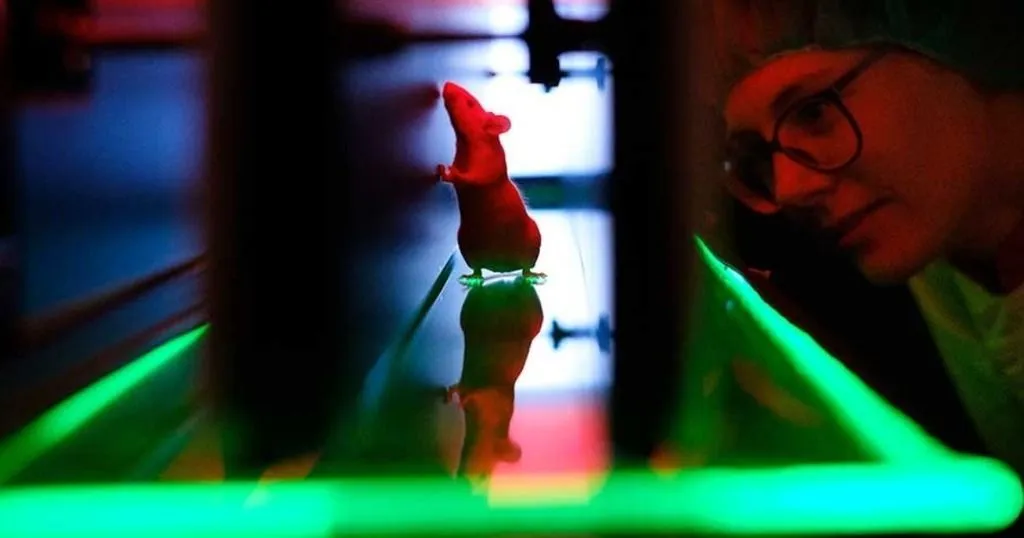
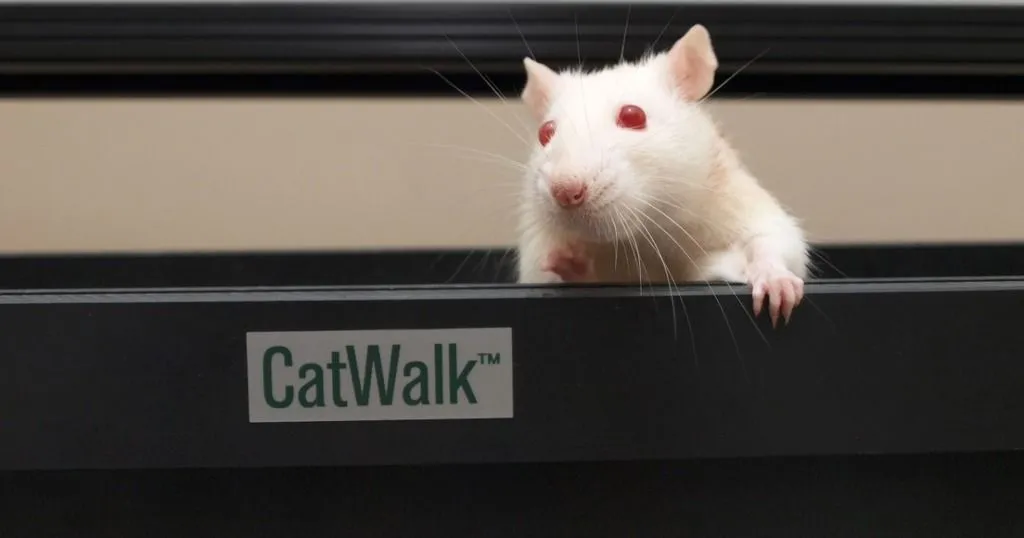
Gait analysis is a powerful tool in evaluating behavioral and physiological changes in clinical and pre-clinical rodent models, providing valuable insight into pathology and experimental treatments for a wide range of health conditions. The CatWalk XT provides detailed, accurate, and fully automated gait analysis, enabling researchers to easily quantify footfalls and locomotion in rats and mice.
The power of gait analysis
The concept of gait analysis is not new. Following developments in the understanding of the anatomy and mechanics of walking throughout the 18th and 19th centuries, the first human and quadrupedal gait patterns were recorded by Edward Muybridge in the late 1800s.1
In the 20th century, the amount of information that could be gained from gait analysis was enhanced by the introduction of force-measuring plates and an improved understanding of kinetics. With the first clinical applications pioneered in the 1970s, it soon became apparent that gait analysis was a rich source of information into an organism's physiological and neurological functioning.
Alongside applications in prosthetics, zoology and exercise physiology; gait analysis became recognized as a valuable tool in the analysis of medical conditions such as cerebral palsy, arthritis, and traumatic brain injury.2,3
Gait Analysis of Rodents
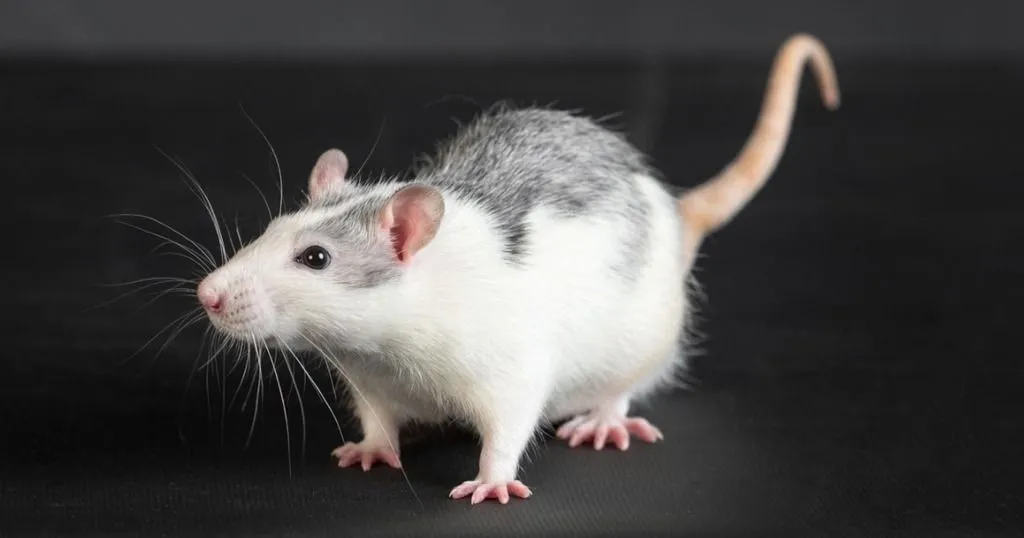
Small, inexpensive, and easily genetically modified; rats and mice are widely regarded as near-ideal animal disease models. As a result, they've served as the leading model organisms in biomedical research for over a century.
While the quadrupedal gait patterns of rodents are, of course, different to the bipedal gait patterns of humans, the conceptual basis for gait analysis in both species remains the same. Members of each species will alter their gait pattern in order to protect an injured limb from pain due to loading or movement, or in response to peripheral nerve damage, for example.3,4 Gait analysis in rodents therefore has great potential in medical research with human applications.
Until recently, accurate gait analysis was only possible for larger animals such as humans and horses. Early attempts to quantify the motor function of rats – such as BBB scoring, running wheels, and ink-on-paper – are subjective and fail to accurately assess the temporal dynamics of gait.5
However, improvements in high-speed videography have enabled accurate gait analysis of rodent models, enabling researchers to evaluate the changes that experimental treatments may provide. The CatWalk XT combines high temporal and spatial resolution cameras with our proprietary Illuminated Footprints™ technology to bring affordable and sophisticated rodent gait analysis to laboratories of all sizes.
The CatWalk XT
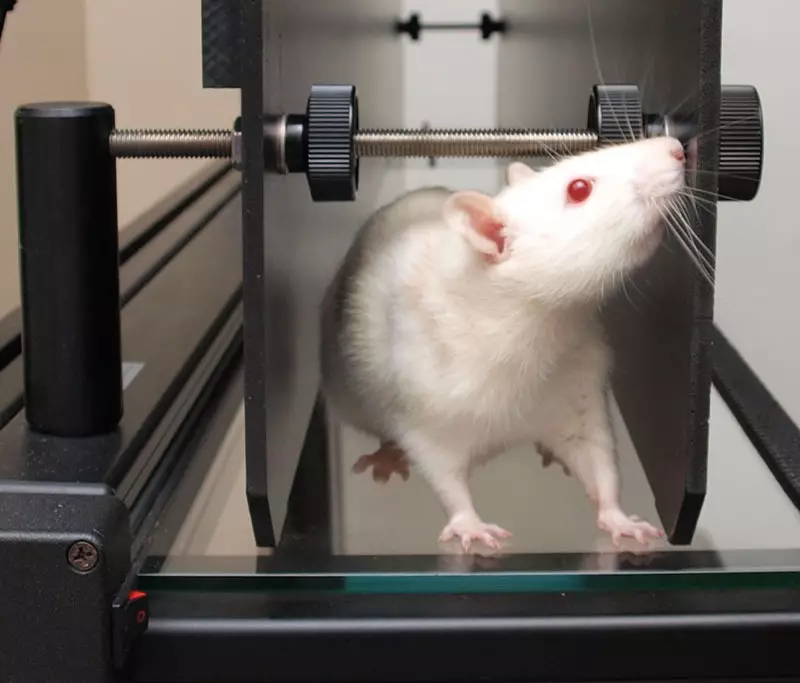
While other systems rely on error-prone paw recognition, the CatWalk XT uses light refraction to capture actual footprints as a rodent voluntarily traverses a glass walkway.6 Our Illuminated Footprints™ technology enables accurate distinction between the parts of the animal that make contact with the floor and those which do not, allowing built-in software to identify subtle changes within the dimensions, positioning and timing of each footprint.
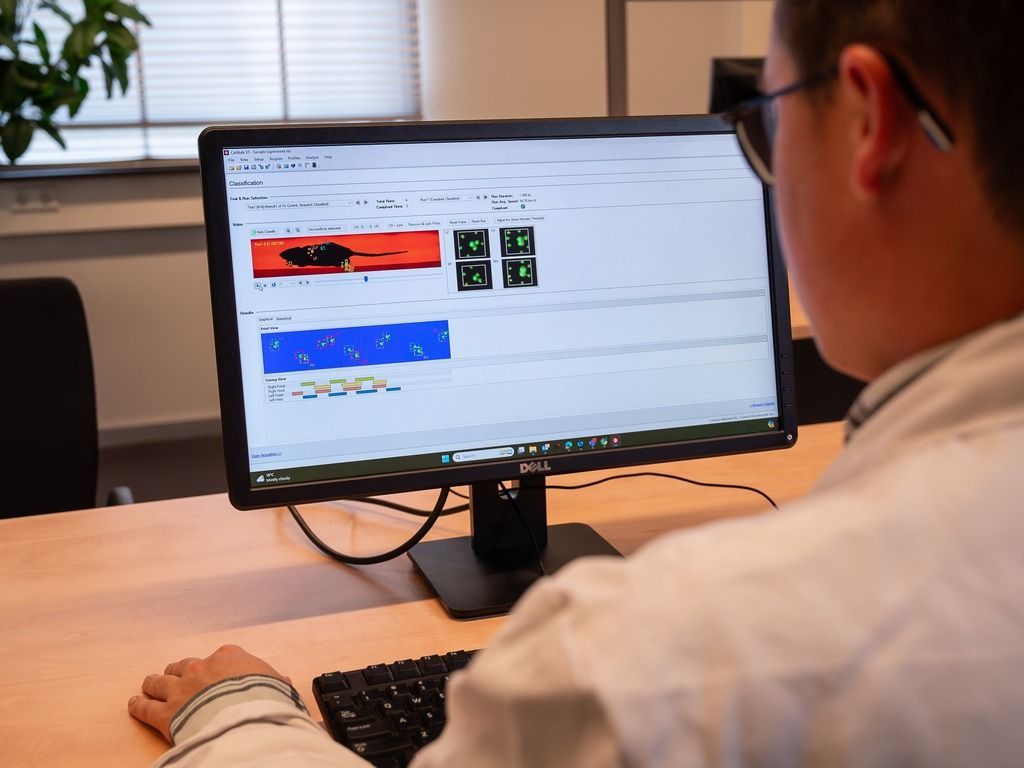
Detection of individual pawprints means the CatWalk XT never mistakes one part of the body for another, and is capable of unparalleled accuracy in measuring footprint size and shape. Using this footprint data, CatWalk XT calculates over 100 parameters for qualitative and quantitative analysis of footfall and gait.
Applications of CatWalk XT
As the use of rodent gait analysis for research continues to increase, the CatWalk XT is helping researchers worldwide to rapidly obtain accurate and objective data on locomotion in rats and mice. The CatWalk XT is, by far, the most cited gait analysis system in the world, with over 2400 publications based on the system.7
A common confounding factor with rodent gait analysis is that many gait parameters are velocity dependent, making it difficult to ascertain whether variations in gait are due to treatment, injury, or simply natural variation in speed. The CatWalk XT provides researchers with the data so they can compensate for this velocity dependence, eliminating this common confounding factor and improving the validity of their data.8,9
Being able to rapidly determine multiple gait parameters such as swing speed, stride length, paw intensity and interlimb coordination makes the CatWalk XT a powerful and versatile tool. Previous applications include:
Baker, R. The history of gait analysis before the advent of modern computers. Gait & Posture26, 331–342 (2007).
Kirtley, C. Clinical Gait Analysis: Theory and Practice. (Elsevier Health Sciences, 2006).
Lakes, E. H. & Allen, K. D. Gait analysis methods for rodent models of arthritic disorders: reviews and recommendations. Osteoarthritis and Cartilage24, 1837–1849 (2016).
de Barros Filho, T. E. P. & Molina, A. E. I. S. Analysis of The Sensitivity and Reproducibility Of The Basso, Beattie, Bresnahan (BBB) Scale in Wistar Rats. Clinics 63, 103–108 (2008).
Pitzer, C., Kurpiers, B. & Eltokhi, A. Gait performance of adolescent mice assessed by the CatWalk XT depends on age, strain and sex and correlates with speed and body weight. Sci Rep11, 21372 (2021).
I have written two blog posts about static gait parameters. Now it’s time to talk about all four paws, and the time based relationships between them. If you ask me, we’ve been saving the best blog post for last!
The ability to recognize harmful situations and respond accurately is important for the survival of any animal. In order to respond to these situations the animal must be able to learn, remember, and alter its behavior.
Request a personalized quote with no obligations. Our team will review your selection and contact you within 1-2 business days with detailed pricing and information.
To connect you with our team via live chat, we need to load our chat service (HubSpot). This will set cookies to remember your conversation and provide personalized support.