Zebrafish and Epilepsy: Video Tracking with EthoVision XT
Last updated: Jul 24, 2026
Leveraging Multiparametric Behavioral Analysis in Zebrafish Researching Epilepsy Models with EthoVision XT
By Silvia Locubiche, Elena Abad, Vincenzo Di Donato, Flavia De Santis
Introduction
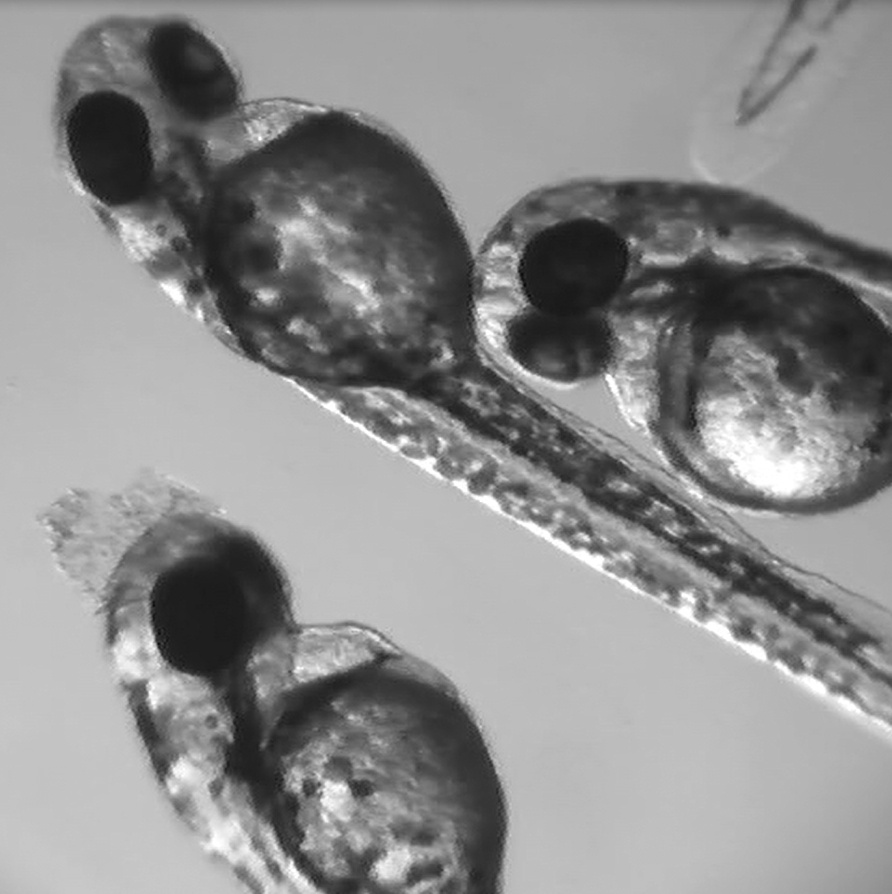
Epilepsy encompasses a spectrum of neurological disorders characterized by epileptic seizures, arising from excessive neuronal activity in the brain. The development of accurate, high-throughput models for epilepsy research is crucial for the elucidation of the underlying genetic and molecular mechanisms and for the identification of potential therapeutic targets. Zebrafish (Danio rerio) have emerged as a premier model organism in neuroscience research, including epilepsy studies, due to their genetic manipulability, translational potential, and the feasibility of large-scale phenotypic screenings.
What is Epilepsy?
Epilepsy is one of the most common neurological disorders, with over 70 million people diagnosed worldwide [1,2]. This disorder is characterized by the appearance of seizures, a consequence of an imbalance between excitatory and inhibitory circuits, causing both cognitive and psychological impairment and increasing the risk of early death [2]. The etiology underlying this disease is variable, genetic mutations being one of the most important causes. Many pediatric epilepsy patients present frequent seizures, events that damage and alter their quality of life. Seizures can be provoked by various sensory inputs. When they are produced in response to light, color, or patterns, it is considered photosensitive epilepsy. Photosensitivity occurs in several epileptic syndromes, being particularly prevalent in genetic generalized epilepsies [3]. Moreover, several epilepsies are resistant to the treatments currently available, demonstrating the ongoing need to test novel anti-seizure medications (ASM) [4].
Zebrafish Knock-Out Model
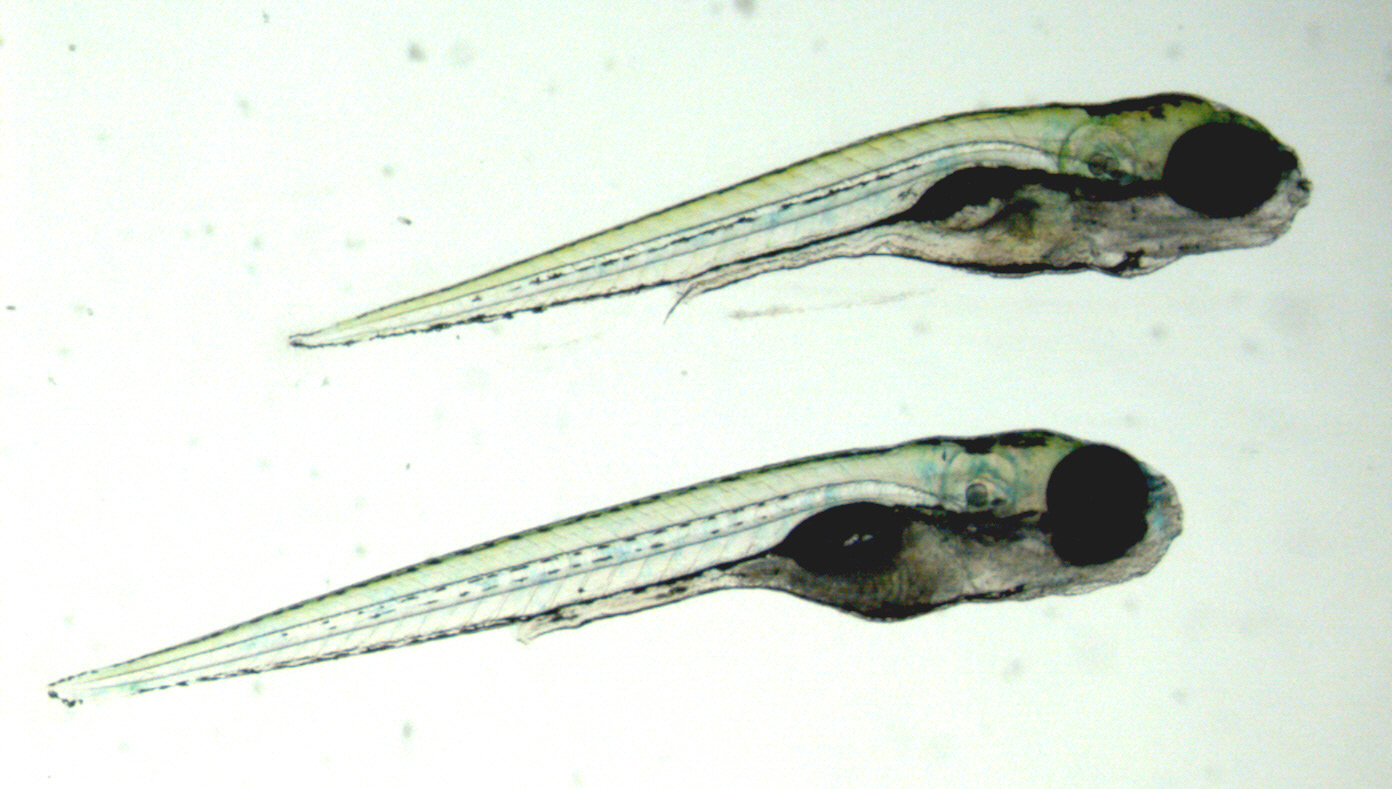
In this study, we aimed to establish a workflow allowing scientists to use somatic knock-out zebrafish larvae to analyze the function of genes involved in the pathogenesis of neurodevelopmental disorders. This was motivated by the advantages that the zebrafish model provides and the necessity of expanding the toolbox for modeling epilepsy in order to streamline the discovery of novel ASMs. Our objective is to develop a zebrafish-based comprehensive platform enabling the functional validation of common and de novo rare loss-of-function mutations in a high-throughput fashion.
As proof of principle, we knocked out a group of six genes associated with childhood epilepsy and characterized their loss-of-function phenotype through a multiparametric analysis using Noldus tools [5]. Through our approach, we introduce a novel integrated method for high-throughput epilepsy mutant generation, behavioral characterization and ASM testing.
Advantages for Epilepsy Research
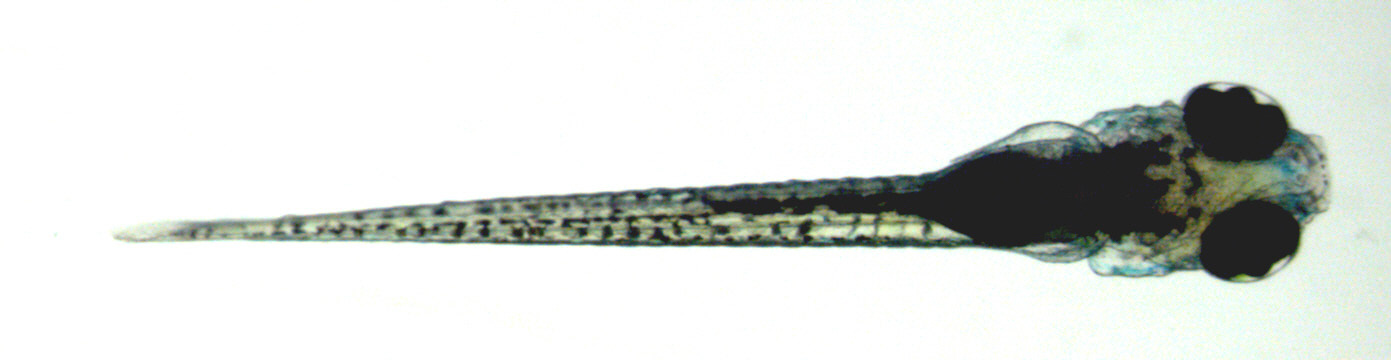
Zebrafish offer several advantages for modeling human diseases, like epilepsy [6-12]. Their transparent embryos and larvae provide a unique window into the brain's internal processes, allowing for direct observation of neuronal activity and drug effects in vivo. Additionally, the rapid development and high fecundity of zebrafish facilitate large-scale genetic screenings and drug discovery efforts. The genetic and physiological homologies between zebrafish and humans further underscore the relevance of this model to human epilepsy research.
Zebrafish larvae have been used to model various forms of epilepsy, including both genetic and chemically induced forms of the disorder. Researchers can use a variety of techniques to induce seizures in the larvae, such as administering convulsant drugs or exposing them to specific light stimuli, and then study the underlying neural mechanisms that drive the seizures.
A Revolution in Zebrafish Genetics
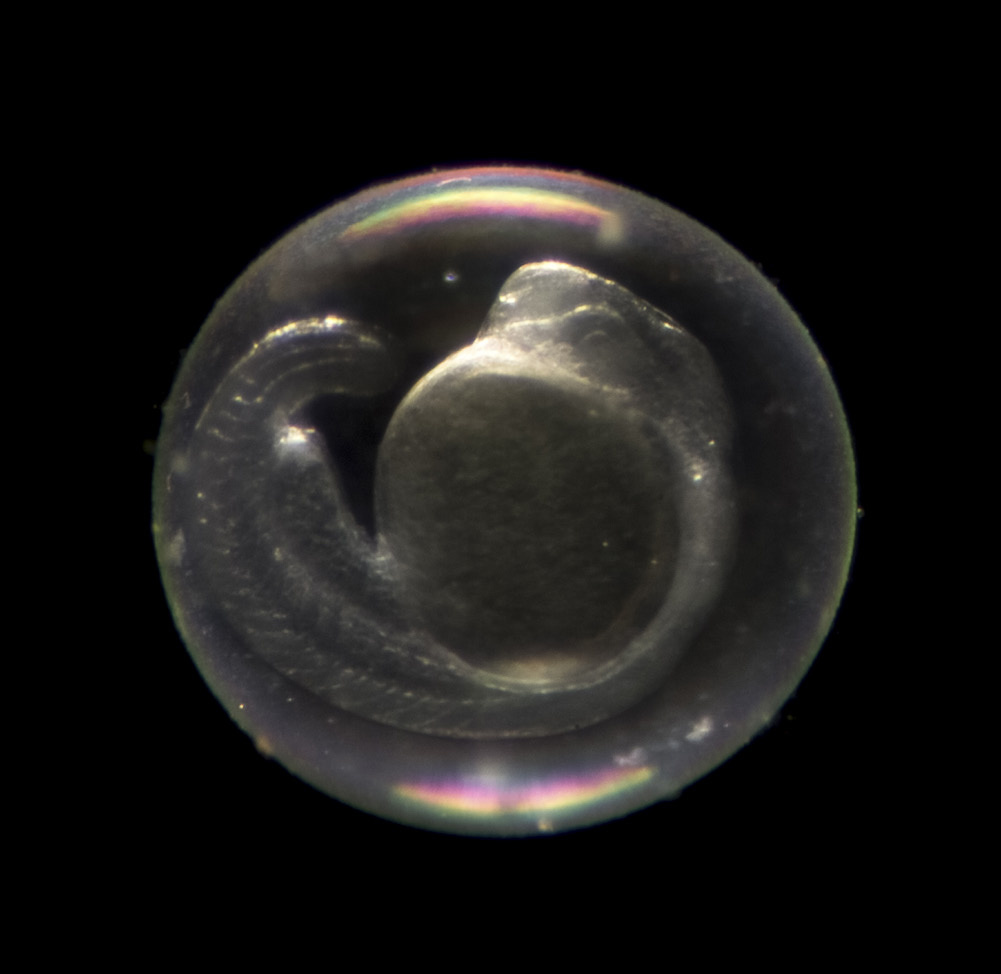
The advent of CRISPR/Cas9 gene-editing technology has revolutionized zebrafish research, enabling precise manipulation of the zebrafish genome to model human genetic diseases. By inducing targeted mutations in genes related with childhood epilepsy, we could generate zebrafish models in F0 that recapitulate the molecular and phenotypic characteristics of some human epileptic disorders, specifically light-induced seizures. The constant improvements in CRISPR/Cas9-induced gene disruption have allowed us to generate de-facto mutants of genes of interest in just a few days of development, enabling genetic target validation and compound treatment in a timely manner. This approach allows for the functional analysis of several epilepsy-associated genes and, importantly, the identification of novel potential pharmacological treatments.
Behavioral Analysis with EthoVision XT
Behavioral phenotyping is a cornerstone of epilepsy research in zebrafish models. EthoVision XT offers an advanced platform for the automated tracking and analysis of zebrafish behavior across multiple parameters.
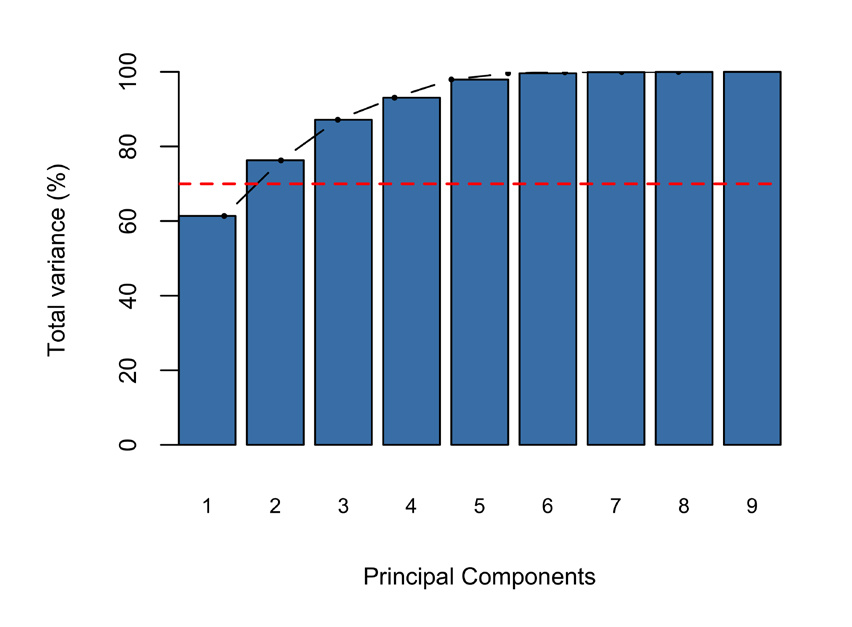
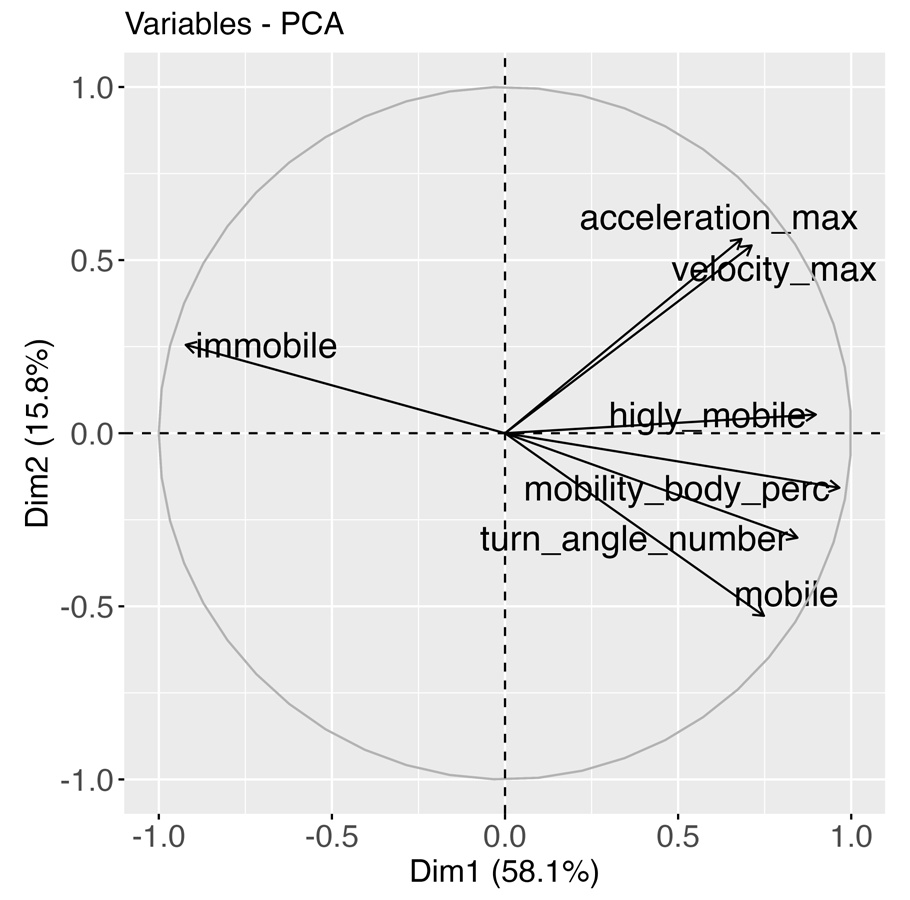
The accurate detection and tracking of the zebrafish larvae in all the different possible setups allow for a detailed analysis of locomotor activity, obtaining data of multiple parameters related to seizure-like behavior. First, the cumulative percentage of variance of different variables was assessed, unveiling that only 2 principal components (PC) already explain about 80% of the total variance of the sample (Figure 1A). Considering a wide range of behavioral parameters, a principal component analysis (PCA) based on two PCs was performed, selecting the key kinematic measurements related with an epileptic-like behavior that can also be considered a high activity behavior regarding the locomotor parameters. Of all the considered parameters, only seven were considered key variables with higher projection and contribution (cos2 > 0.75) (Figure 1B). These key variables are associated with a modification of the larval position or orientation in the space (maximum velocity (mm/s), number of angle turns, maximum acceleration (mm/s2)), as well as variables reflecting a movement alteration that do not cause change in the position or orientation of the larvae (mobility in the arena (%) and cumulative duration (s) of three different mobility states: immobile, mobile and highly mobile).
Capturing High Phenotypic Variability
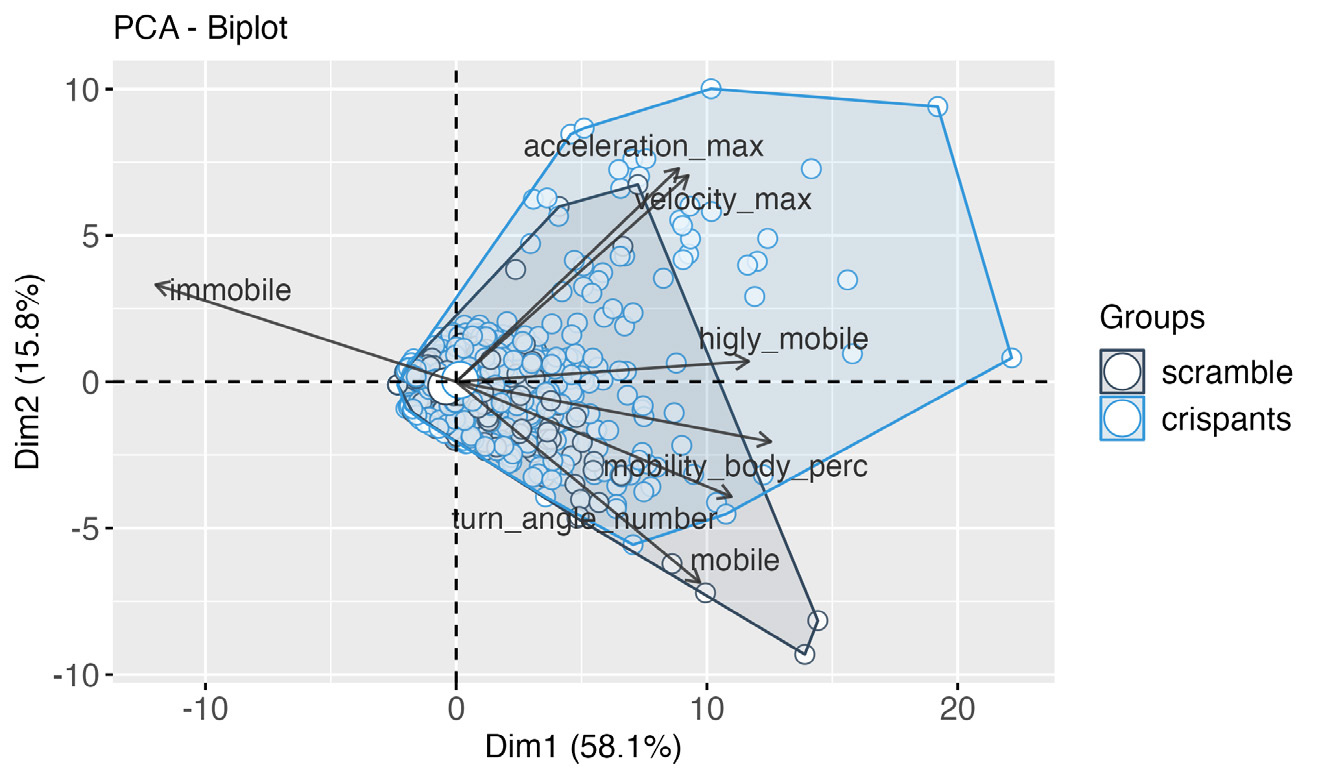
Epilepsy is characterized by a high phenotypic heterogeneity, ranging from normal phenotypes to simple febrile seizures and severe epileptic encephalopathies [13,14]. This heterogeneity highlights the need to have a specialized system and to develop an analysis that allows a statistical distinction of non-epileptic and epileptic-like behavior. To this end, the behavior of multiple crispants of genes related with different childhood epilepsies were analyzed. Considering the previously selected variables, a total sample of 563 larvae and 2209 events related with light-induced epileptic stimuli were analyzed, and the childhood epilepsy genes crispants activity was shown to be different to the behavior of the used controls (scramble) (Figure 2). Within this plot, despite the high dispersion of the different measurements, related with the high heterogeneity of the epileptic manifestations, the scramble observations clustered in the center of PC plot, showing non-epileptic phenotypes, while different observations remote to these positions, and corresponding to crispants observations, were potential outliers that could be defining an epileptic-like fingerprint.
Behavioral Fingerprint
We reasoned that analyzed larvae could be classified in different groups depending on their activity level and we speculated that the crispants of genes having a positive association with photosensitive epilepsy would have an increased representation in the more active group.
To explore this possibility, we decided to measure the Mahalanobis distance (MD) of all the observations to evaluate how each flash response differs from the average of the entire population. We speculated that this analysis would allow us to define the behavioral fingerprint of each larva and to classify their response to epileptogenic flashes of light based on the intensity of the observed motor activity.
MD measures the distance between a sample point and the distribution of all the sample points, and it is defined by two parameters, the distance magnitude and a p-value as a statistical measurement to validate the hypothesis (outliers considered with p-value <= 0.05) [15].
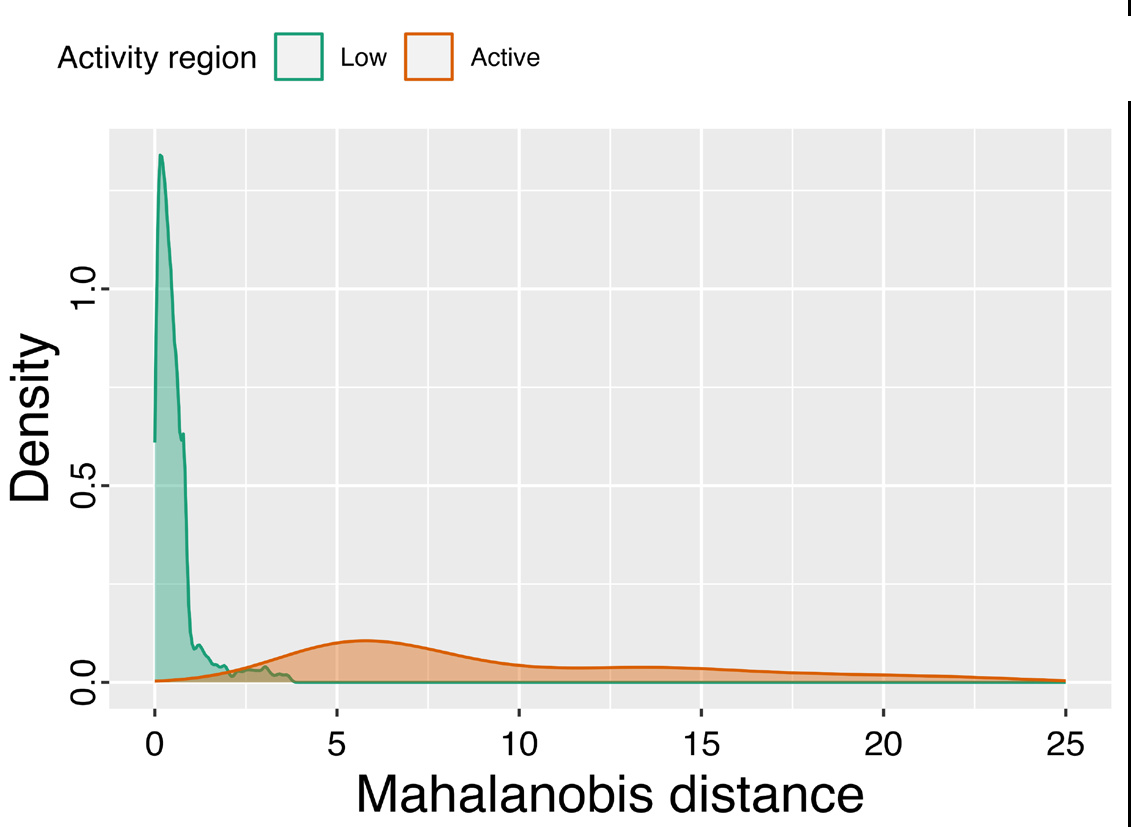
Indeed, we distinguished and classified two regions of activity in our population: a region of low activity (MD < 2.5 and p-value > 0.1) and a region of high activity (MD > 2.5 and p-value < 0.1) (Figure 3). This observation suggests that larvae with increased photosensitivity are prone to display a highly aberrant behavior in response to exposure to flashes of light, constituting a population of outliers distinguished by their higher motor activity. We assume that these extreme behaviors correspond to epileptic-like seizures characterized by aberrant and excessive movements.
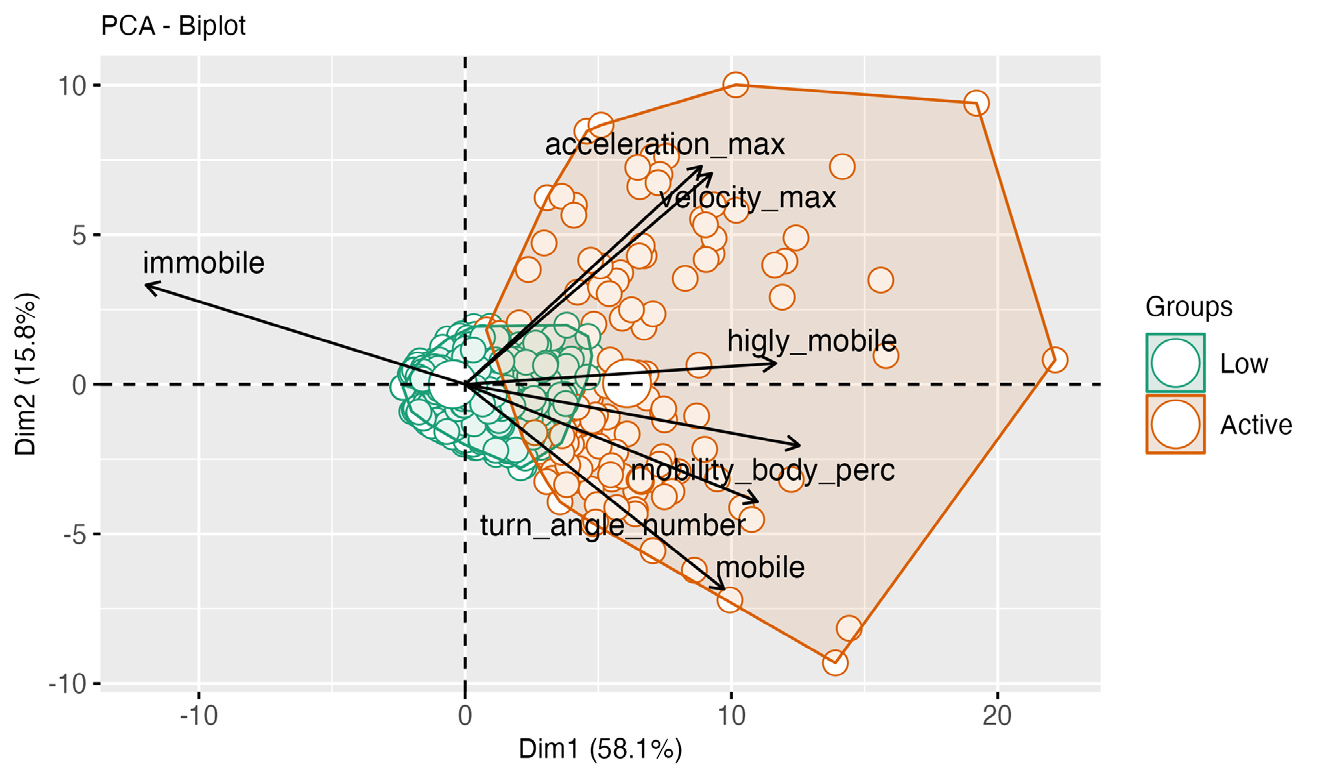
Transferring these observations of the two differentiated groups back to the PC plot we can observe that most of the observations that correspond to an epileptic-like phenotype overlap with the crispants of childhood epilepsy genes (Figure 4).
Therefore, the study demonstrated efficacy of the EthoVision XT software and the precision of the Noldus equipment, so we have been able to define a fingerprint for mild and severe childhood epilepsy genes that present a photosensitive epileptic-like behavior through an exhaustive analysis of the key parameters detected, tracked, and analyzed, even though it is known to be a highly heterogeneous condition.
Conclusions and Future Directions
The integration of CRISPR/Cas9 technology for generating zebrafish models of epilepsy in F0, combined with the advanced behavioral analysis capabilities of the EthoVision XT system and a deep multiparametric analysis represents a powerful approach for phenotyping different genetic epilepsy genes, defining a behavioral fingerprint, and for the discovery of novel therapeutic interventions. Future research will benefit from the continuous refinement of behavioral assays and the development of more sophisticated zebrafish models, opening new avenues for the treatment and management of epilepsy.
About Noldus
Noldus Information Technology is a global leader in the development of software and hardware solutions for behavioral research. With a commitment to innovation and quality, Noldus provides researchers with the tools they need to advance our understanding of behavior and its underlying mechanisms.
This extended white paper provides a detailed overview of the application and impact of multiparametric behavioral analysis in zebrafish models for epilepsy research, highlighting the capabilities of the Noldus EthoVision XT system in advancing the field.
Besides EthoVision XT, Noldus offers a wide variety of tools to enhance zebrafish research. DanioVision is the ideal system for observing zebrafish larvae. The Observation chamber provides a controlled testing environment that can facilitate a multi-well plate or other small containers that hold larvae. With its high-speed digital camera, minute changes in movement can be tracked and analyzed using EthoVision XT.
If even more detail is needed for your research, DanioScope is a non-invasive software tool that can measure morphological parameters like heartbeat, eye size, body length, blood flow and gut activity. Furthermore, DanioScope is also able to automatically detect behaviors such as tail coiling and convulsions.
Lastly, besides tools, Noldus offers various services to their customers. Our expert trainers and consultants can help you transform data into meaningful insights and provide around-the-clock support. We also offer on-demand training courses and webinars to help you further develop your knowledge and skills on zebrafish behavioral studies.
References
- Turrini, L.; Sorelli, M.; De Vito, G.; Credi, C.; Tiso, N.; Vanzi, F.; Pavone, F.S. Multimodal Characterization of Seizures in Zebrafish Larvae. Biomedicines 2022, 10, 951, doi:10.3390/biomedicines10050951.
- Thijs, R.D.; Surges, R.; O'Brien, T.J.; Sander, J.W. Epilepsy in Adults. The Lancet 2019, 393, 689-701, doi:10.1016/S0140-6736(18)32596-0.
- Fisher, R.S.; Acharya, J.N.; Baumer, F.M.; French, J.A.; Parisi, P.; Solodar, J.H.; Szaflarski, J.P.; Thio, L.L.; Tolchin, B.; Wilkins, A.J.; et al. Visually Sensitive Seizures: An Updated Review by the Epilepsy Foundation. Epilepsia 2022, 63, 739-768, doi:10.1111/epi.17175.
- Miguel Sanz, C.; Martinez Navarro, M.; Caballero Diaz, D.; Sanchez-Elexpuru, G.; Di Donato, V. Toward the Use of Novel Alternative Methods in Epilepsy Modeling and Drug Discovery. Front. Neurol. 2023, 14, 1213969, doi:10.3389/fneur.2023.1213969.
- Locubiche, S.; Ordonez, V.; Abad, E.; Scotto Di Mase, M.; Di Donato, V.; De Santis, F. A Zebrafish-Based Platform for High-Throughput Epilepsy Modeling and Drug Screening in F0. Int. J. Mol. Sci. 2024, 25, 2991, doi:10.3390/ijms25052991.
- Patton, E.E.; Zon, L.I.; Langenau, D.M. Zebrafish Disease Models in Drug Discovery: From Preclinical Modelling to Clinical Trials. Nat. Rev. Drug Discov. 2021, 20, 611-628, doi:10.1038/s41573-021-00210-8.
- Cully, M. Zebrafish Earn Their Drug Discovery Stripes. Nat. Rev. Drug Discov. 2019, 18, 811-813, doi:10.1038/d41573-019-00165-x.
- Rubbini, D.; Cornet, C.; Terriente, J.; Di Donato, V. CRISPR Meets Zebrafish: Accelerating the Discovery of New Therapeutic Targets. SLAS Discov. 2020, 25, 552-567, doi:10.1177/2472555220926920.
- Baraban, S.C.; Dinday, M.T.; Hortopan, G.A. Drug Screening in Scn1a Zebrafish Mutant Identifies Clemizole as a Potential Dravet Syndrome Treatment. Nat. Commun. 2013, 4, 2410, doi:10.1038/ncomms3410.
- Kawahara, G.; Karpf, J.A.; Myers, J.A.; Alexander, M.S.; Guyon, J.R.; Kunkel, L.M. Drug Screening in a Zebrafish Model of Duchenne Muscular Dystrophy. Proc. Natl. Acad. Sci. 2011, 108, 5331-5336, doi:10.1073/pnas.1102116108.
- Burger, A.; Lindsay, H.; Felker, A.; Hess, C.; Anders, C.; Chiavacci, E.; Zaugg, J.; Weber, L.M.; Catena, R.; Jinek, M.; et al. Maximizing Mutagenesis with Solubilized CRISPR-Cas9 Ribonucleoprotein Complexes. Development 2016, dev.134809, doi:10.1242/dev.134809.
- Cornet, C.; Di Donato, V.; Terriente, J. Combining Zebrafish and CRISPR/Cas9: Toward a More Efficient Drug Discovery Pipeline. Front. Pharmacol. 2018, 9, 703, doi:10.3389/fphar.2018.00703.
- Devinsky, O.; Vezzani, A.; O'Brien, T.J.; Jette, N.; Scheffer, I.E.; De Curtis, M.; Perucca, P. Epilepsy. Nat. Rev. Dis. Primer 2018, 4, 18024, doi:10.1038/nrdp.2018.24.
- Fisher, R.S.; Cross, H.; D'Souza, C.; French, J.A.; Haut, S.; Higurashi, N.; Hirsch, E.; Jansen, F.E.; Peltola, J.; Moshe, S.L.; et al. 2017 International League Against Epilepsy Classifications of Seizures and Epilepsy Are Steps in the Right Direction. Epilepsia 2019, 60, 1040-1044, doi:10.1111/epi.15052.
- Charu C. Aggarwal. Outlier Analysis, 2nd ed.; Springer Cham, 2017; ISBN 978-3-319-47577-6.
Download the original PDF: Zebrafish and Epilepsy: Video Tracking with EthoVision XT (PDF)