Autism research
Autism spectrum disorder is defined entirely by behavior. There are no medical tests or biomarkers, so progress depends on what we can see, measure, and understand.
Noldus tools help researchers around the world capture those observations with precision and consistency. Whether studying children in a playroom, mice in a social test, or infants showing early signs of atypical development, our software turns complex behaviors into objective data.

The challenges of measuring autism
Autism affects social interaction, communication, and repetitive or restricted behaviors. Each person on the spectrum is unique, which makes objective measurement essential. Traditional observation methods rely on human judgment and can miss subtle patterns that carry important meaning.
Researchers studying autism face several key challenges:

Complex and variable symptoms
Autism influences multiple domains that can change across contexts and individuals.
Read blog post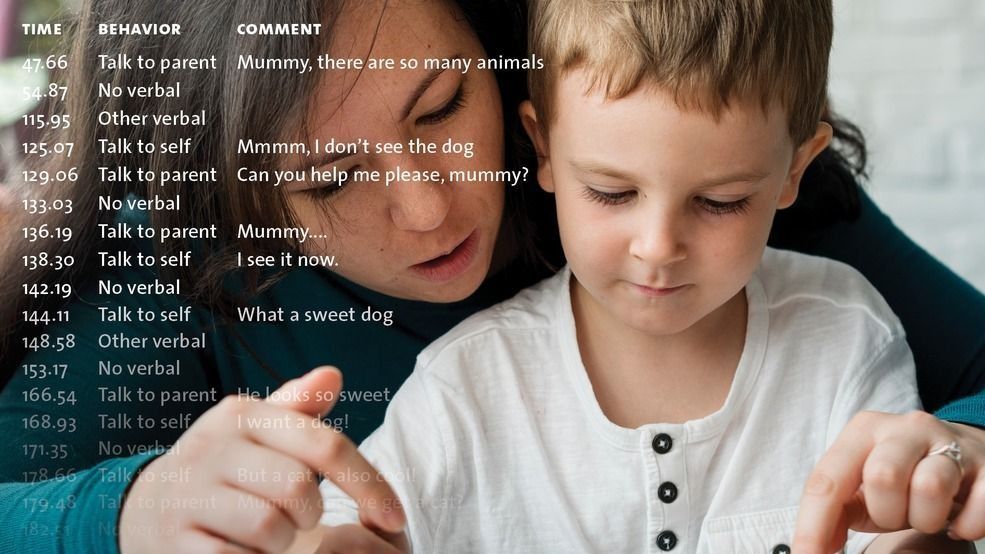
Subjectivity in manual observation
Human coding and clinical ratings are prone to bias and inconsistency. Are there objective measures?
See how it works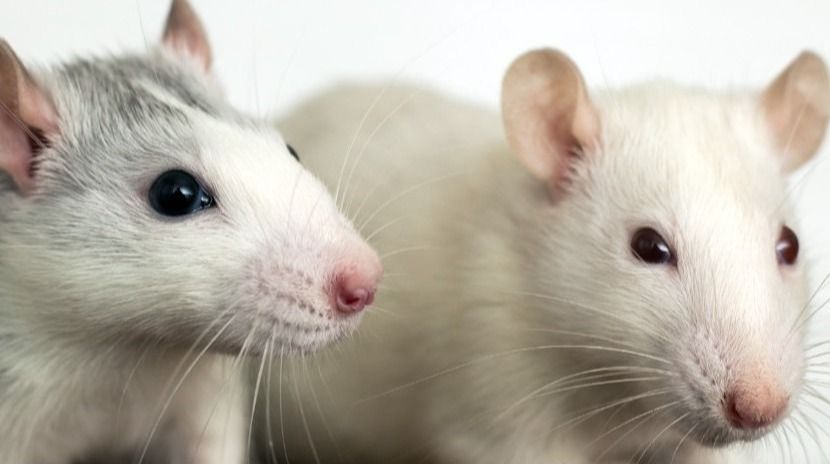
Limitations of using animal models
Animals do not express social behaviors in human ways, which can hinder translational outcomes.
Go to the article
The need for early detection and diagnosis
Most efforts to detect autism before the age of two rely on parental reports rather than infant behavior.
Read moreThe Observer: Structured behavioral coding
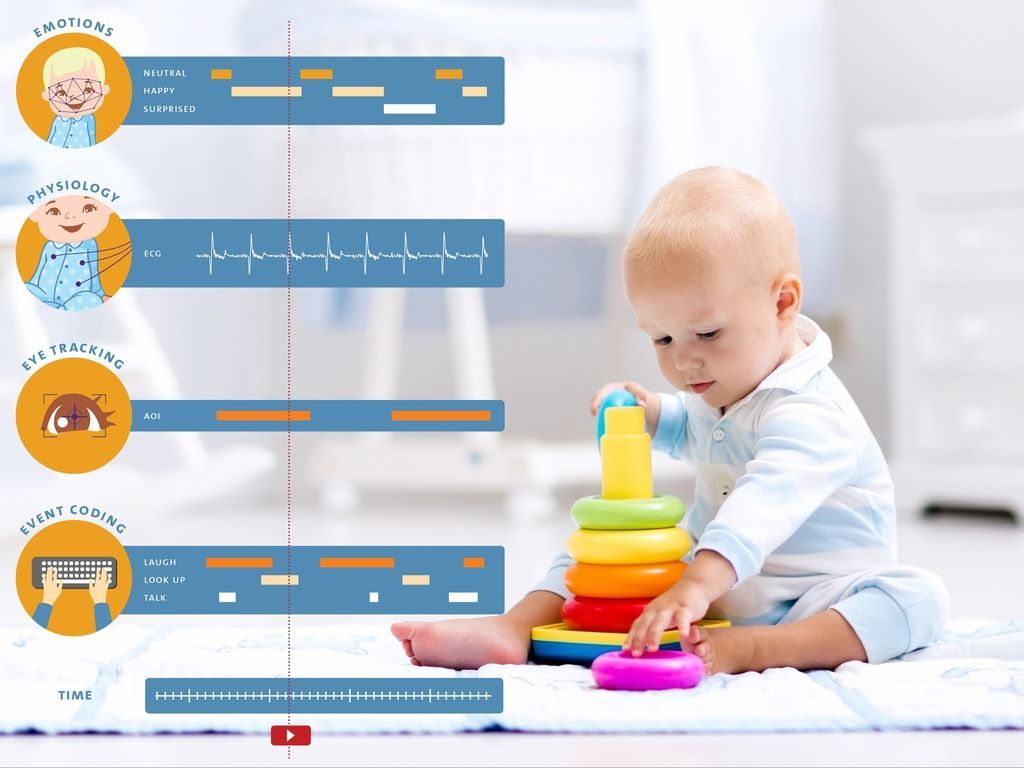
Social interaction, communication, and therapy sessions involve behaviors that must be coded by trained observers. The Observer brings structure and reliability to this process.
- Allows researchers to define, code, and analyze behaviors on a synchronized timeline
- Integrates video, audio, physiological data, and eye tracking
- Ensures reproducible coding with interrater reliability statistics
- Generates visual summaries that highlight behavior frequency and duration
The Observer turns complex social behavior into clear, reliable data that strengthens every stage of autism research.
EthoVision: Objective tracking of behavior
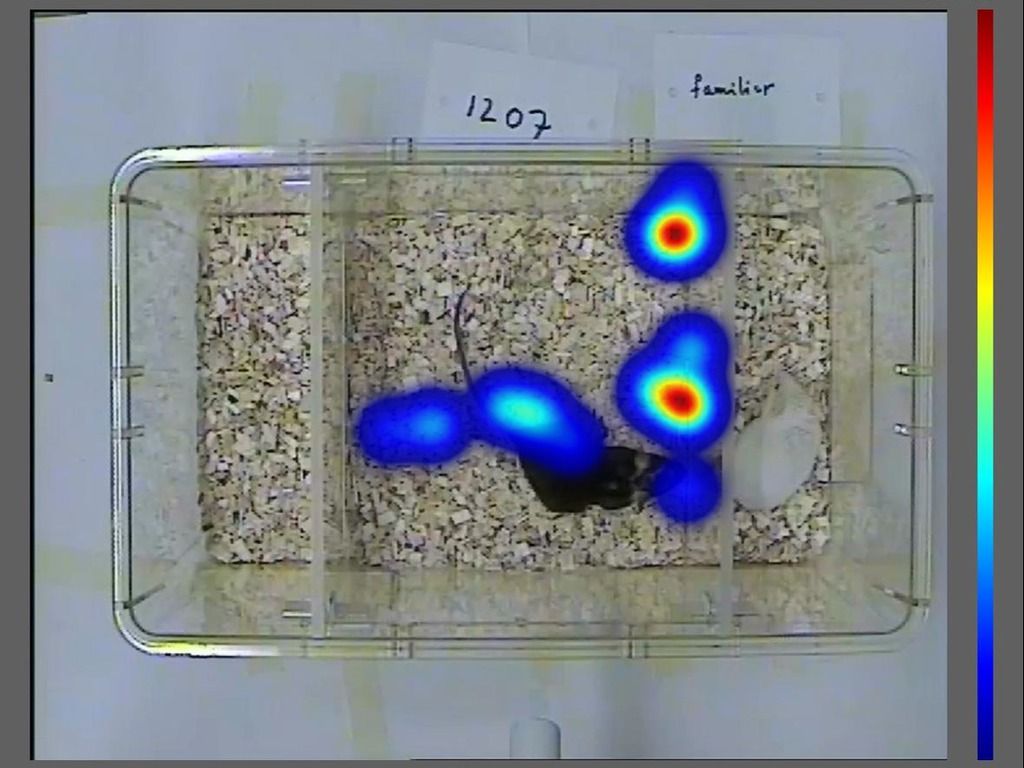
EthoVision is the most cited video tracking system in behavioral research. It automatically measures movement, social approach, and exploratory activity, giving scientists rich data without human bias.
- Tracks activity, position, and interaction with complete objectivity
- Analyzes animal and human behavior in the same platform
- Handles long recordings and large sample sizes efficiently
- Provides consistent results that can be compared across experiments
EthoVision gives researchers an accurate, unbiased way to measure activity and social behavior, transforming every movement into meaningful, reliable data.
FaceReader: Understanding emotional expression
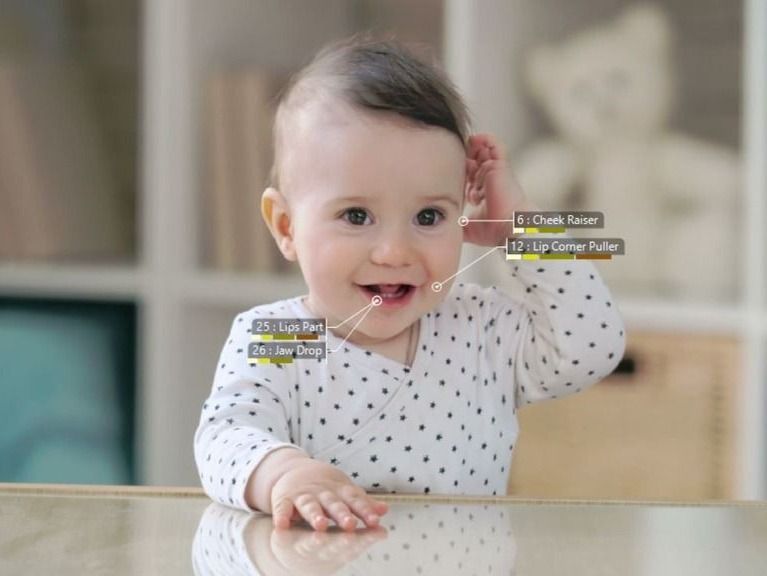
Emotion recognition and expression are central to autism research. FaceReader automatically analyzes facial expressions, providing a precise timeline of emotional responses.
- Detects six universal emotions plus neutral and contempt
- Measures facial muscle movements with millisecond accuracy
- Enables detailed analysis of mimicry, intensity, and timing
- Includes Baby FaceReader for developmental research in infants
FaceReader gives researchers a powerful way to quantify emotion and expression, turning subtle facial responses into meaningful, reliable insight.
Case studies: Noldus tools in autism research
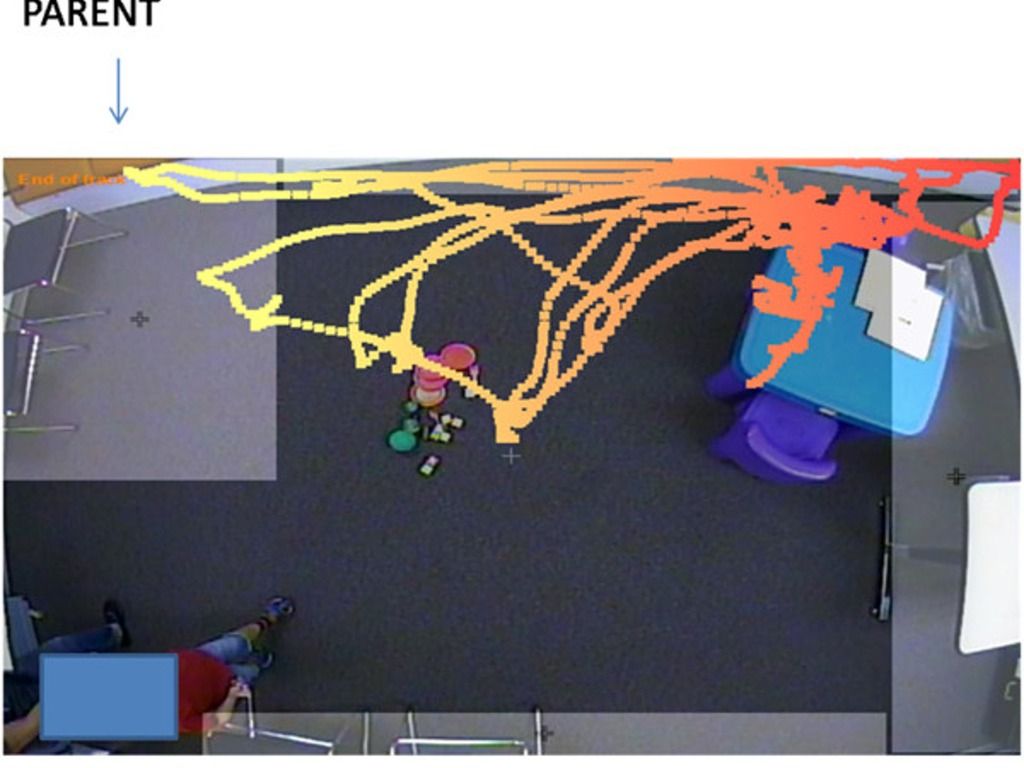
Objective tracking of children with autism
Using EthoVision, researchers tracked how children with and without autism explored a playroom, transforming behavioral observation into quantifiable data that correlated with autism severity.
Read the full publication
Measuring social skills gains in therapy
Using The Observer, researchers evaluated a theater-based social intervention for children with autism, turning video observations into measurable proof of behavioral improvement.
More about the theatre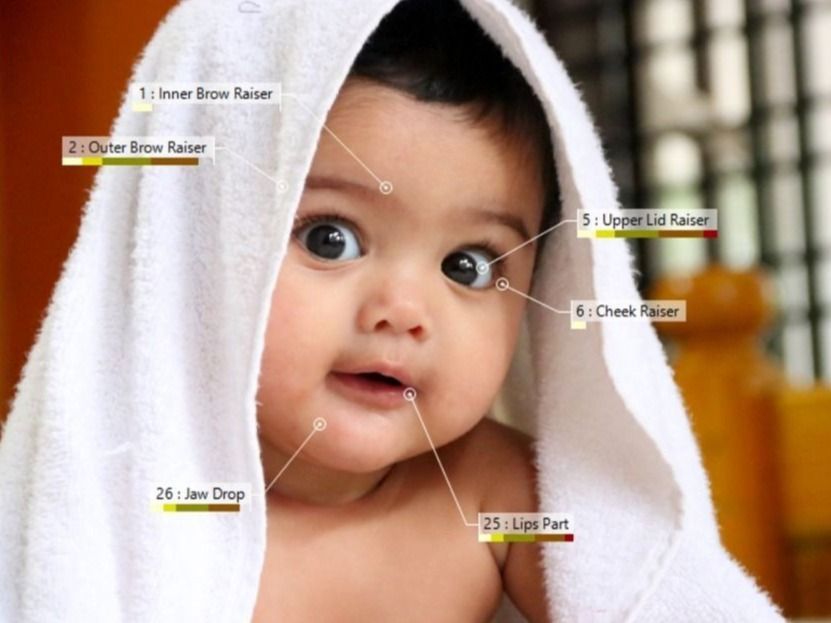
Revealing emotional differences in faces
Using FaceReader, researchers analyzed facial mimicry in children with autism, uncovering subtle differences in emotional intensity that shed new light on social-emotional processing.
Read the full publicationAre you looking for advice on your application?
Do you want to learn more about how to apply Noldus products to your research, or do you need advice from our team of behavioral experts?
Noldus is here to assist you throughout the whole process.
Thank you!
We will get back to you within one business day.
Thank you!
We'll get back to you shortly.
Please correct the following errors:
Thank you for registering!
We look forward to seeing you at the NoldusViso launch event.
Please correct the following errors: