Optogenetics: using light to study the brain and behavior
Learn how optogenetics uses light to study brain activity, from its inception to where the technology stands today.
Read More arrow_forwardWhen starting out with PhenoTyper some questions may arise. We have setup a FAQ to help you get started.
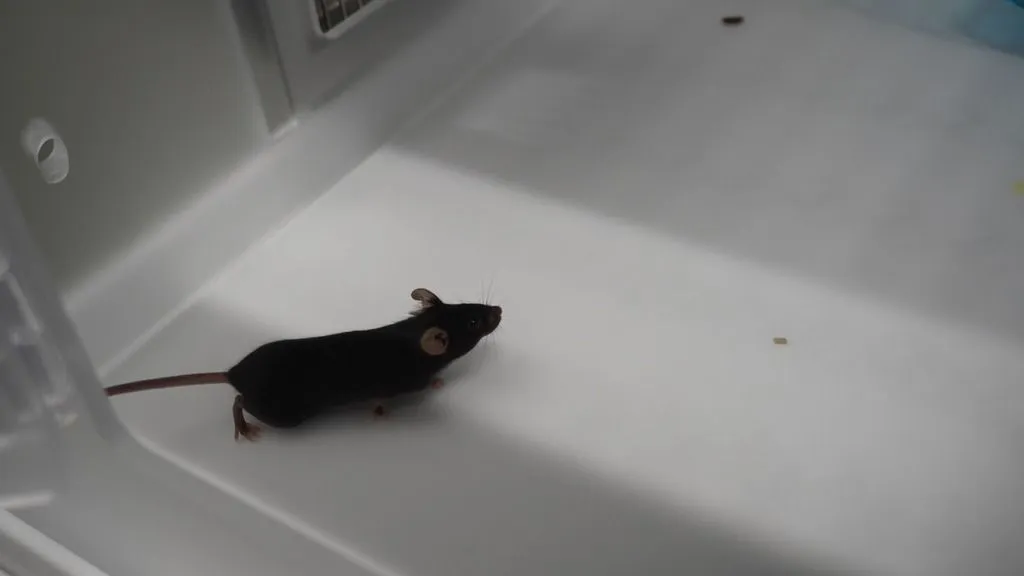
PhenoTyper is the ideal environment for a plethora of behavioral tests. Setting up your system in the proper way is crucial for obtaining the highest quality data. To help you out we have outlined the questions we most often receive from customers. After you read this blog, you have a better understanding of the day-to-day usage of PhenoTyper. If you have any additional questions, feel free to ask a question here.
To get the best data from your experiment you need to have the correct lighting. Lighting has a big impact on both your data quality and your animals' behavior.
Rodents are nocturnal, therefore they're more active in the dark. So, if the lighting in your cage is too bright or uneven, it can stress your animals and lead to unreliable data. It can also interfere with EthoVision XT's tracking accuracy, especially if there are shadows or glare in the cage.
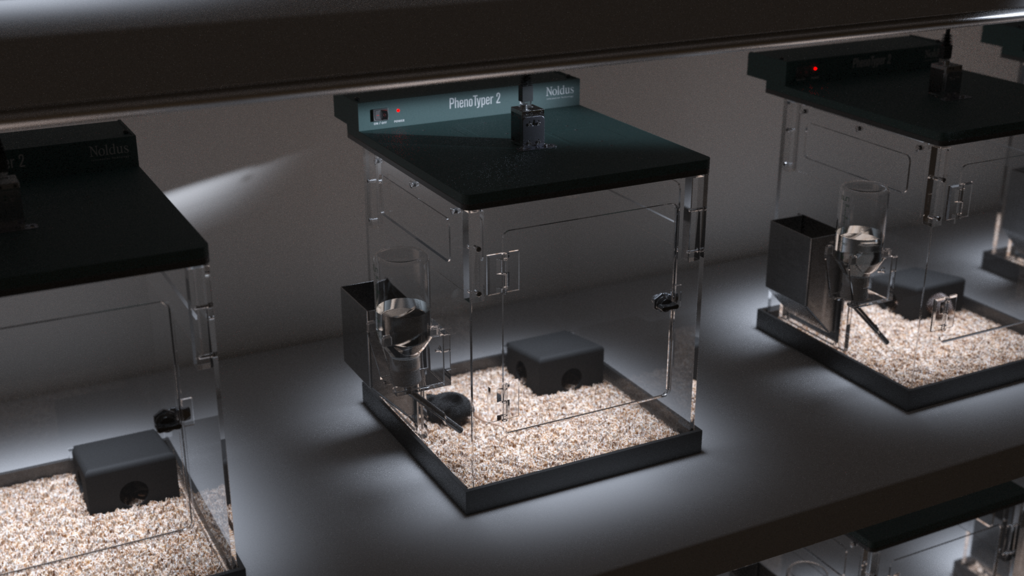
Luckily, PhenoTyper 2 has built-in lighting for each cage. This makes it trivial to have a constant environment across all cages. Furthermore, with EthoVision XT you can program the day/night cycle to fit seamlessly with your experimental design. No timers or manual switching are needed, making sure your animals are undisturbed all the while you are saving time by automating your experiment.
And thanks to the infrared camera, you can even track your animals in complete darkness. This is ideal for observing natural nighttime behavior. Because of their natural nocturnal cycle, observing behaviors during the night period can result in more relevant data.
When you're running longer-term studies, it's a good idea to add bedding and nesting material to your PhenoTyper setup. This helps maintain a clean environment and supports more natural behavior in your animals. However, the type of bedding you choose can directly impact how well you can track your animals.
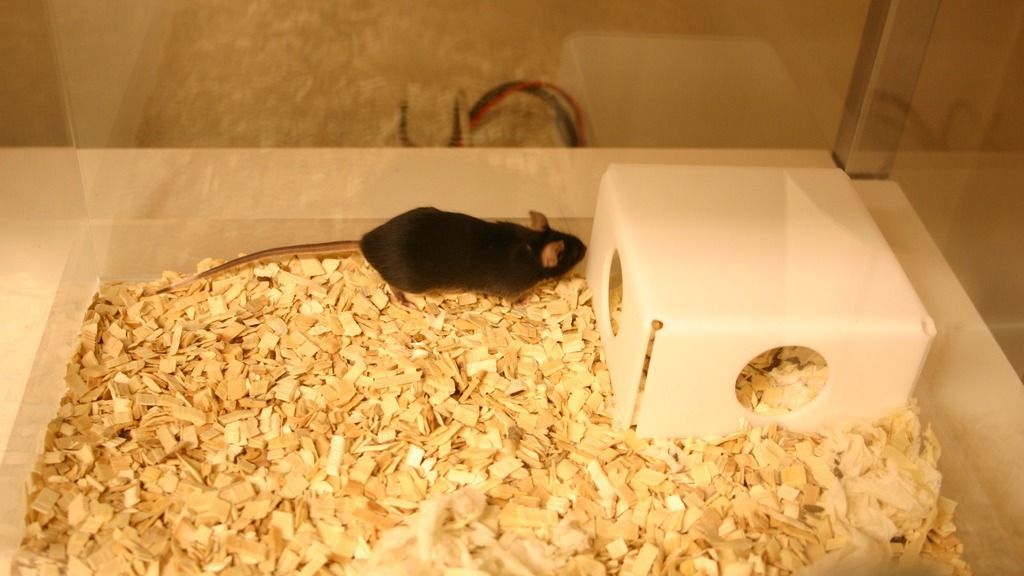
The key is to make sure there's enough contrast between the animal and the cage floor so that EthoVision XT can accurately detect and follow movement. Here's what we recommend based on what we've tested in-house:
If you decide to try a different bedding or nesting material, just make sure it doesn't interfere with tracking. The most important thing is maintaining clear contrast between the surface and the animal for consistent detection.
If you decide to try a different bedding or nesting material, just make sure it doesn't interfere with tracking. The most important thing is maintaining clear contrast between the surface and the animal for consistent detection.
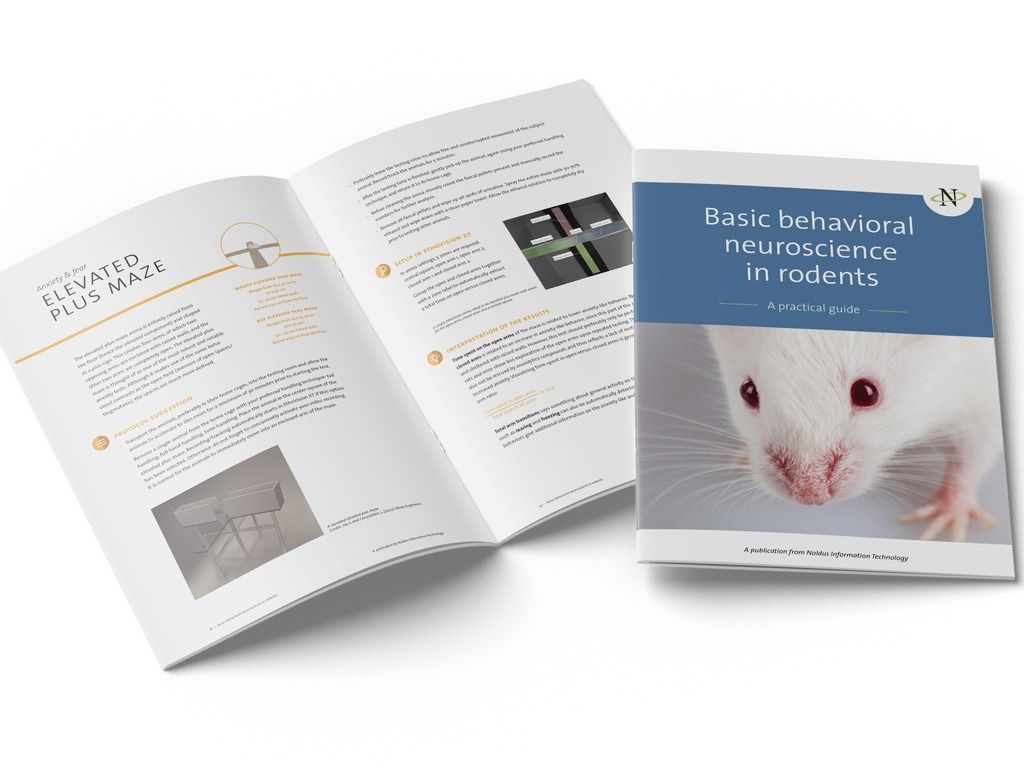
FREE E-BOOK
Want to know more about homecage testing and other aspects of rodent research? Then, download our free e-book.
We hope this guide has helped you get started with confidence. If you've made it this far, you're either really into rodent behavior research, or you're looking for a bit more guidance (or both!). Good news: we've got plenty of resources to support you as you continue working with PhenoTyper and EthoVision XT.
Learn how optogenetics uses light to study brain activity, from its inception to where the technology stands today.
Read More arrow_forward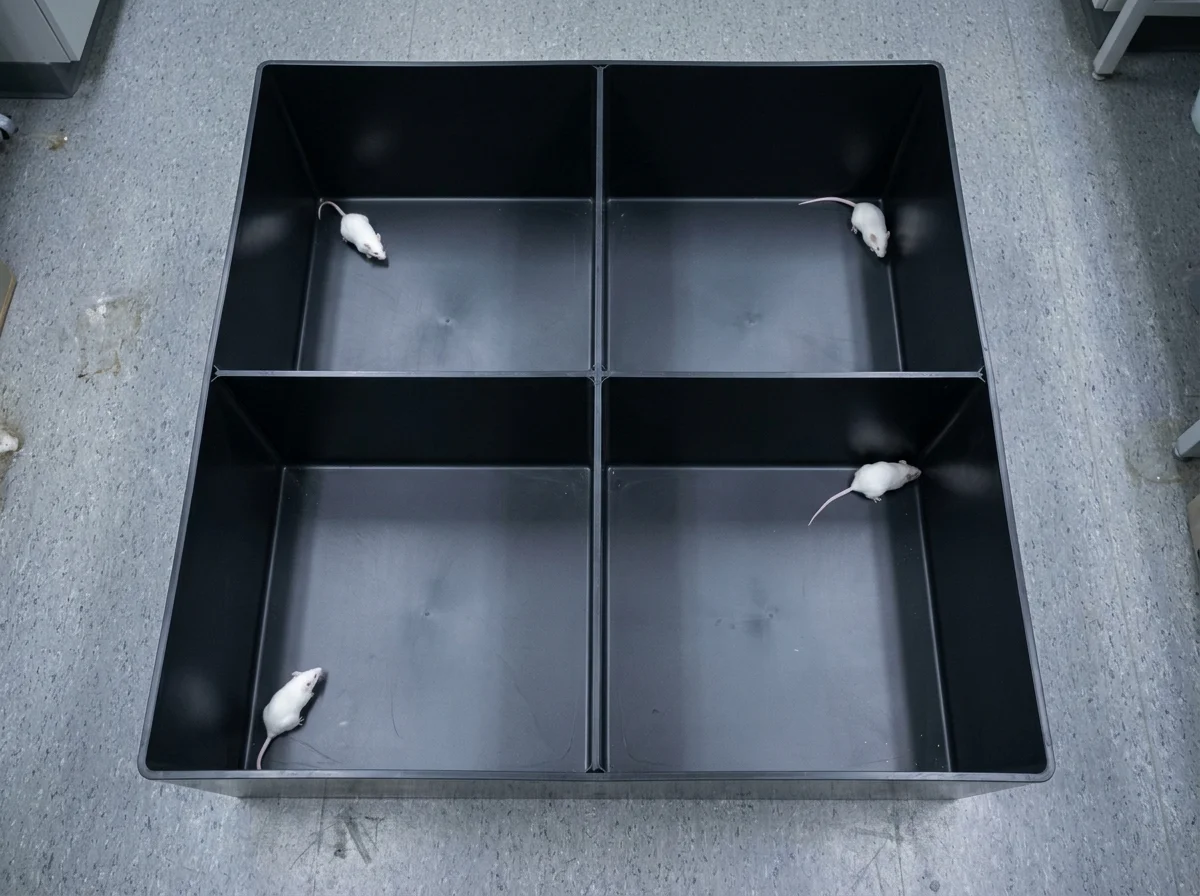
Researchers reach for the open field test for many different goals: a general locomotor screening, an anxiety readout. In this blog we explore what it measures, how recent studies are using it, and how to set it up in your lab with EthoVision.
Read More arrow_forward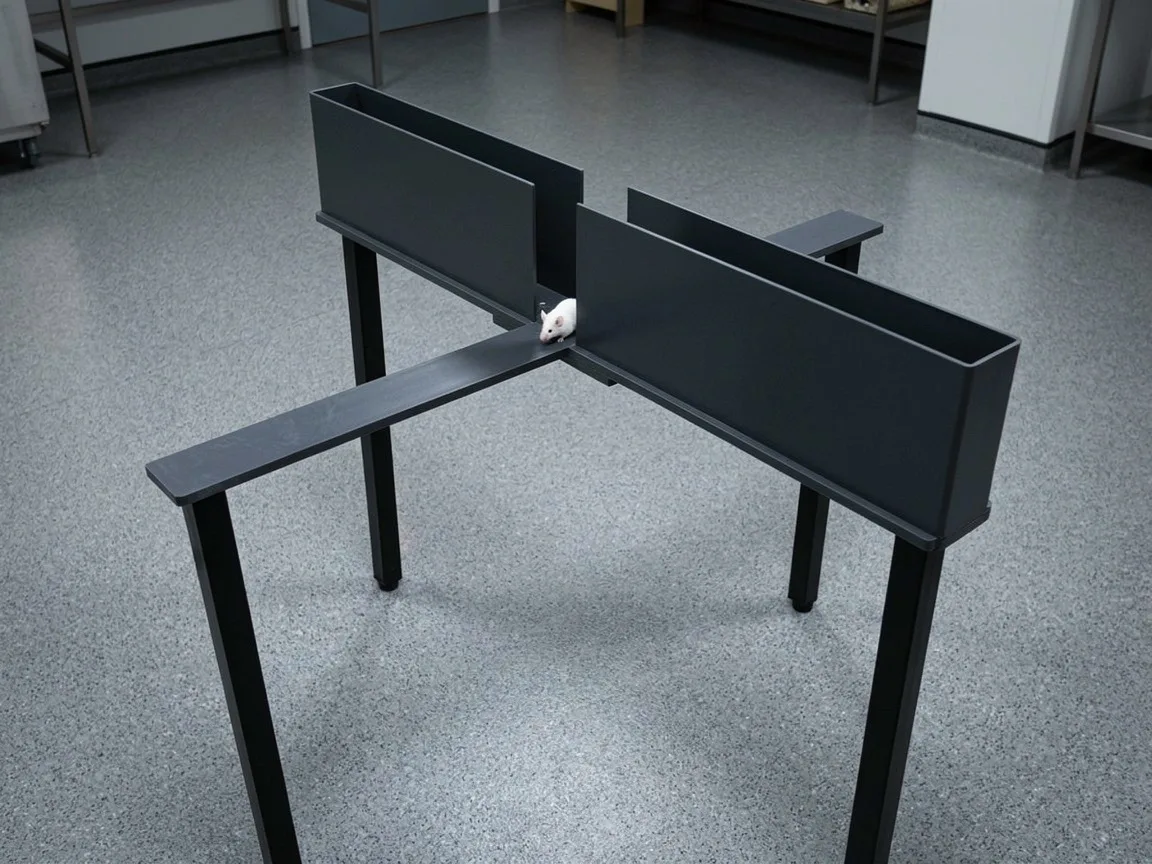
A raised, plus-shaped platform with two arms walled in and two arms open. In this blog we explain what the elevated plus maze measures, look at how labs are pairing it with EthoVision, and share practical tips.
Read More arrow_forwardWe'll get back to you shortly.
Please correct the following errors:
We look forward to seeing you at the NoldusViso launch event.
Please correct the following errors: