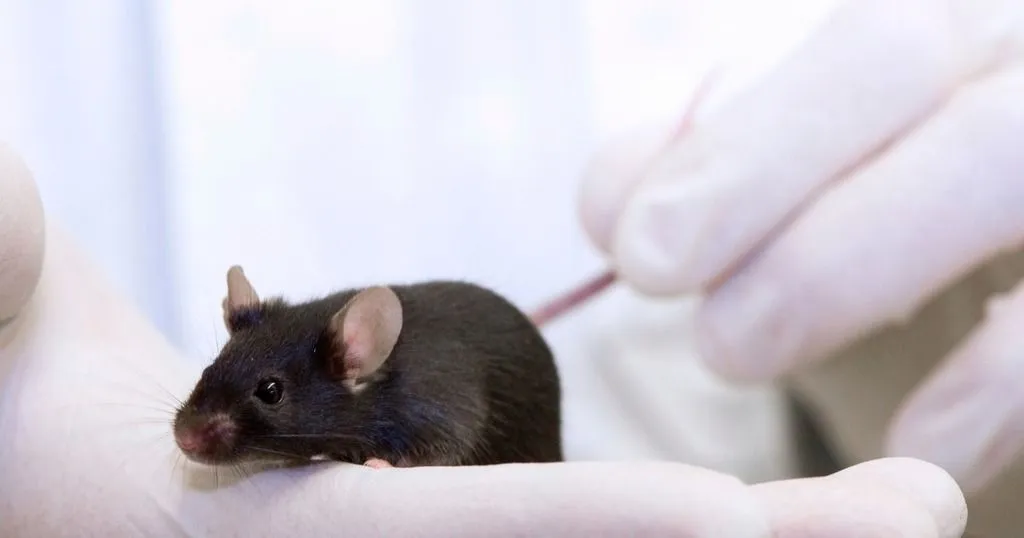
What is the connection between depression and rheumatoid arthritis?
Is depression in patients with rheumatoid arthritis caused only by the pain, or is something else also going on?
Read More arrow_forwardSocial isolation causes depression to some, but not to all. With EthoVision XT, researchers were able to research the biological mechanism behind depression
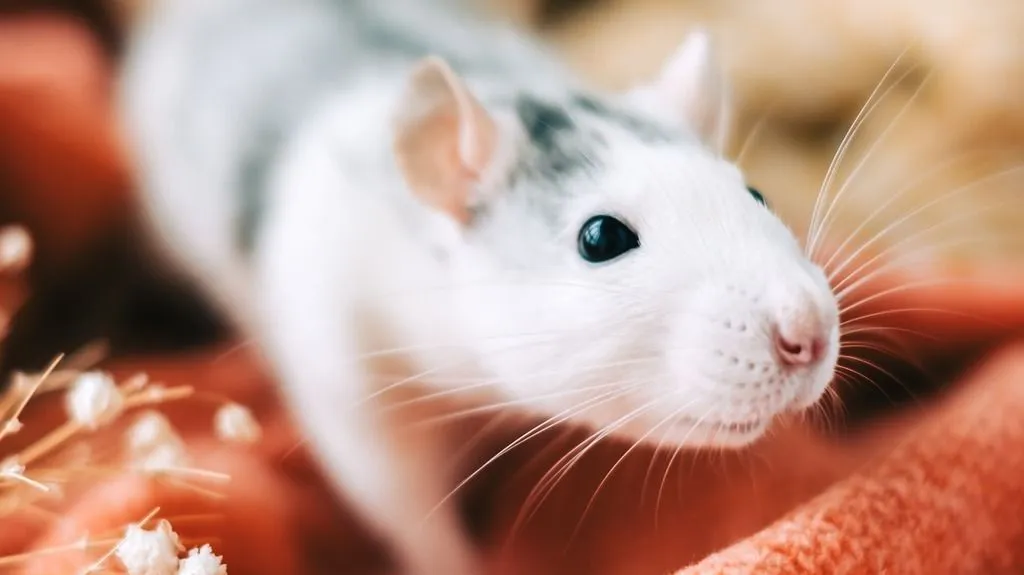
Emerging research reveals why social isolation devastates some individuals, yet leaves others unaffected, suggesting that resilience may be encoded in our biology. With the use of advanced behavioral tracking alongside trace element analysis in the brain, researchers have uncovered striking differences between how Sprague-Dawley and Wistar rats cope with loneliness. Could these biological differences lead to insights into the causes of resilience and vulnerability to stress?
Social isolation during the COVID-19 pandemic led to unprecedented levels of loneliness, with studies suggesting that nearly 70% of people experienced significant distress. Although loneliness is often downplayed, social connections are fundamentally critical to human wellbeing. Indeed, social isolation can significantly disrupt neural pathways altering how our brain functions, influencing stress responses and impairing learning and memory. These disruptions have a profound impact on both physical and mental health, increasing the risk of dementia, stroke, depression, anxiety, cardiovascular disease, and even premature death.
New research suggests that the underlying mechanisms underpinning these changes include reduced connectivity between the prefrontal cortex and amygdala, as well as dysregulated cortisol cycles. However, the impact of isolation varies widely between individuals, with many showing remarkable resilience. This raises an intriguing question: Are there biological factors that explain this resilience?
To explore this, Zilkha et al. (2024) used EthoVision XT to compare the behavioral responses to social isolation in Sprague-Dawley (SD) and Wistar rats in a Morris Water Maze and forced swim test. Their findings revealed intriguing correlations between genetic factors, trace element profiles in the brain, and resilience to stress, and provide important insights into the neurobiology underlying resilience.
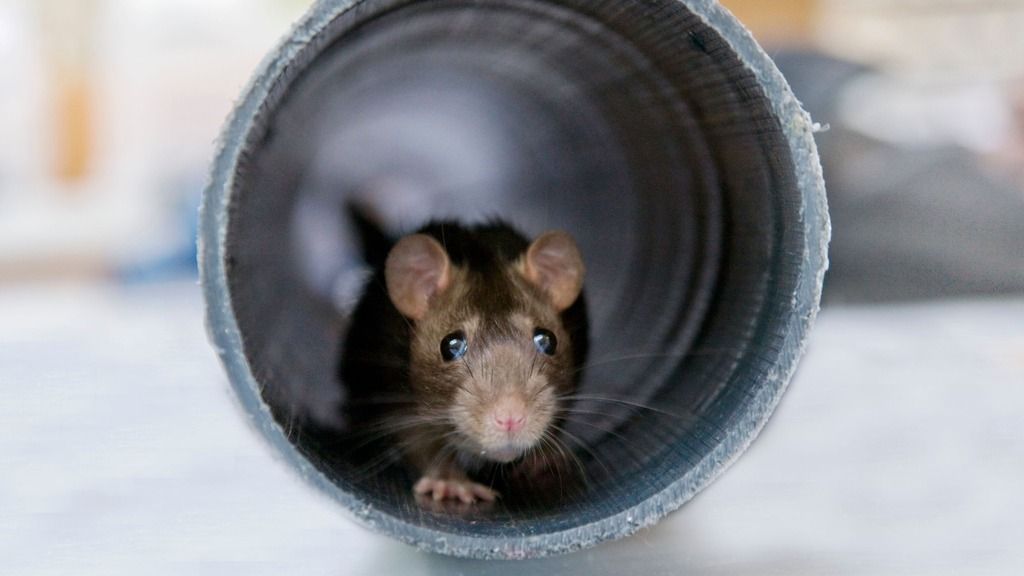
In this study, researchers investigated how 4 weeks of isolation differentially impacted middle-aged (14-month-old) rat strains:
SD and Wistar rats are genetically diverse, displaying inherent differences in behavior, stress reactivity, and susceptibility to neurological and physiological disorders. These genetic differences are critical for helping researchers to understand how biological differences can influence an individual's capacity to cope with stress.
All rats were housed in controlled and enriched conditions. Isolated rats were housed individually whereas control rats were housed in small groups of 3 to 4. Following the isolation period, behavioral tests including the Morris Water Maze and Porsolt Forced Swim Test were conducted, and cortical tissues were analyzed by ICP-MS to assess changes in trace elements.
In this study, researchers used EthoVision XT to track the impact of social isolation in the different rat strains:
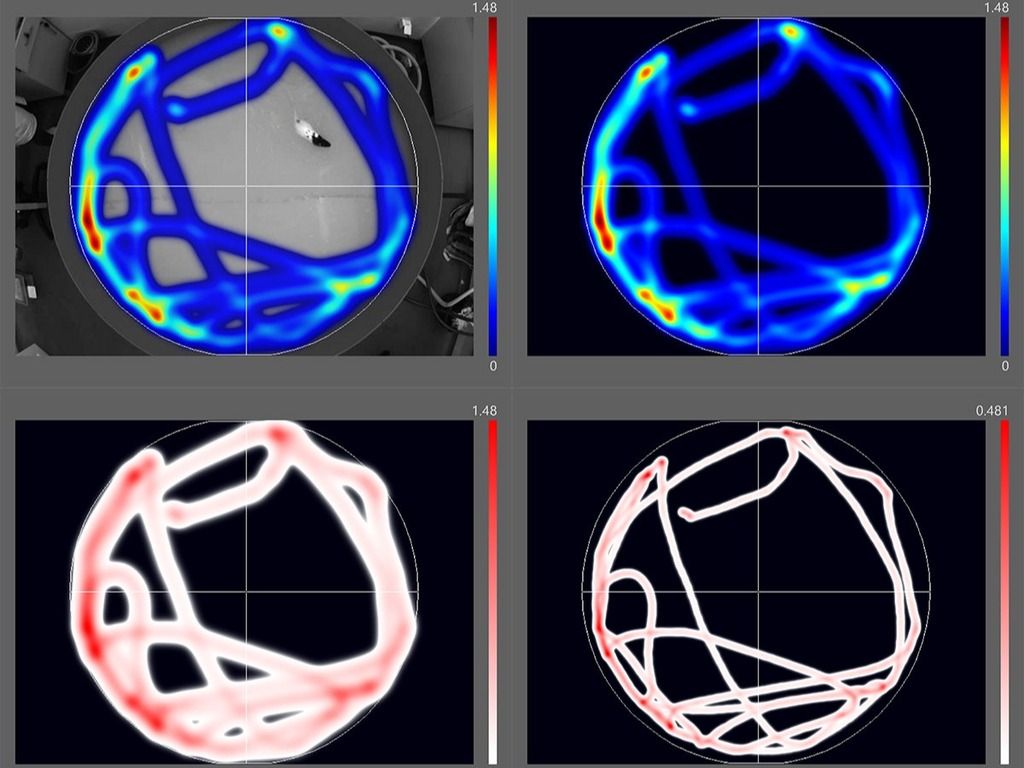
These results highlight the ability of EthoVision XT's automated tracking to detect strain-specific differences in response to social isolation and stress. By preventing human bias, and capturing subtle variations in behavior, EthoVision XT enabled researchers to observe distinct behavioral phenotypes across genetic backgrounds.
FREE TRIAL
Request a free trial and find out what EthoVision XT can do for your research!
This study reveals profound insights for the behavioral and biochemical profiles associated with stress, depression, and resilience:
Learning and memory:
Behavioral stress response:
Depression and anxiety:
Trace elements in the brain:
These findings reveal that resilience to social isolation is not only dependent on genetics and environmental interactions, but in fact has a measurable biological component.
The findings in this study demonstrate that by combining behavioral tracking with detailed trace element analysis researchers were able to explore the biological basis of resilience. The distinct trace element profiles observed in the isolation-resilient Wistar strain versus the stress-vulnerable SD strain, suggests that both genetics and environment may interact, influencing our biochemistry and responses to stress.
By using a combination of behavioral analysis alongside neurochemical profiling, researchers can not only objectively measure stress responses but can reveal novel strategies for improving mental health. From identifying trace element biomarkers of resilience, to developing targeted dietary and therapeutic interventions, these results provide exciting possibilities for future research.
FREE E-BOOK CHAPTER
Want to know more about how to do depression testing and other aspects of rodent research? Then, instantly download this free chapter.
Yavuz, M. et al. (2024). Relationships between trace elements and cognitive and depressive behaviors in sprague dawley and wistar albino rats. Front. Pharmacol. 15, 1367469 https://doi.org/10.3389/fphar.2024.1367469
Is depression in patients with rheumatoid arthritis caused only by the pain, or is something else also going on?
Read More arrow_forward
Women worldwide are suffering from opioid addiction. Many receive so-called opioid-maintenance therapy using bup, but consequences for both mother and baby are largely unknown.
Read More arrow_forward
Chronic social stress has a huge impact on well-being. Gamma oscillations have been found to be an electrophysiological link between social stress and reward processing.
Read More arrow_forwardWe'll get back to you shortly.
Please correct the following errors:
We look forward to seeing you at the NoldusViso launch event.
Please correct the following errors: