Network and learn – our favorite neuroscience conferences in 2023
We’ve put together a short list of the best (behavioral) neuroscience conferences for you to attend. Opportunities to meet up and talk science!
Read More arrow_forwardMicroplastics (found in common products such as toothpaste) and pharmaceuticals have an impact on the environment. Their combined effect, however, is still largely unknown.
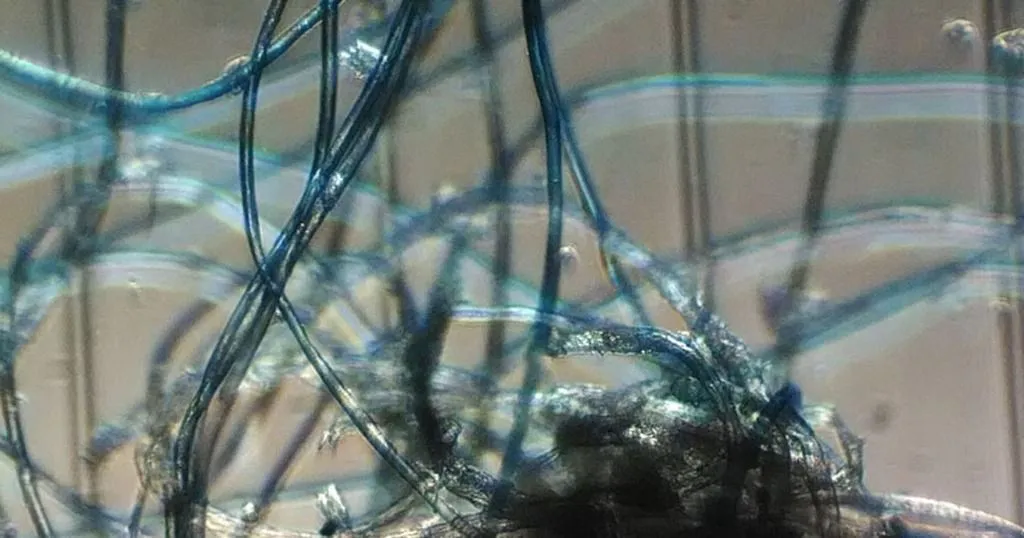
Today we have a guest blog post from EMERGEINTERACT. Dr Josie South, Dr Tarryn Lee Botha, Dr Josephine Pegg, Dr Martine Jordaan, Dumisani Khosa, Gina Walsh, Lubabalo Mofu (South Africa) who visited Dr Lisette de Senerpont Domis and Dr Sven Teurlincx (Netherlands) as part of the AQUACOSM Transnational Access grant collaborative project. Enjoy!
Microplastics have dominated the news and media in recent years, from BBC's Blue Planet to the EU banning microbeads in products. Microplastics are plastic materials less than 5 mm in length which can be found in various shapes and sizes. These microplastics can be formed by the degradation of larger plastics, or are part of various consumer products such as exfoliants and toothpastes that replace natural ingredients such as oatmeal.
Due to their continuous discharge as well as their persistency, microplastics are accumulating in the aquatic environment with a potential to bioaccumulate in organisms with ensuing effects such as starvation.
Microplastics are not the only pollutants that may affect aquatic systems; another group of so-called contaminants of emerging concern (CEC) are pharmaceuticals. As waste water treatment plants do not have targeted removal of these CECs, aquatic systems show a continuous rise even more exacerbated by increasing human consumption.
While individually microplastics and pharmaceuticals are known to cause changes in animal behavior and ecosystem functioning, the effect of their combined exposure is largely unknown. The effect assessment of multiple emerging contaminants on aquatic organisms is a relatively new field, which leaves much to be discovered about the possible consequences of our progressively urban lifestyle.

A collaborative project was made possible by an AQUACOSM Transnational Access grant (EU H2020-INFRAIA-project No 731065) where the Aquatic Knowledge Centre Wageningen (AKWA) based at NIOO-KNAW hosted a group of seven EMERGEINTERACT researchers from four different South African Institutions (The South African Institute for Aquatic Biodiversity, Cape Nature, University of the Witwatersrand and North-West University).
The aim of their study was to investigate how microplastics may interact with the selective serotonin re-uptake inhibitor fluoxetine (an anti-depressant) and understand what their effects may be on aquatic communities. This study was conducted using the limnotron mesocosm facility at NIOO-KNAW to understand large scale outcomes in tandem with microcosm experiments and behavioral trials.
Noldus DanioVision equipment was used to determine how emerging pollutants affect fine scale trophic interactions through behavioral analysis and functional response analyses (resource density dependent consumption). Ecologically important differences can be assessed by measuring the interaction between predators and prey within a contaminated environment within the semi-natural mesocosms.

A model predator – prey system of commonly found aquatic invertebrates, larvae of the ghost midge Chaoborus flavicans and the water flea, Daphnia magna, were assessed using Noldus DanioVision to test whether the pollutants have different effects on the different species.
Aspects such as whether a mismatch of performance ability (i.e. speed of swimming, time spent moving, maximum acceleration) and if these effects changed depending on exposure time, pollutant concentration, and combinations of both pollutants were assessed. The same treatments were used to test whether the individual or mixture of the pollutants caused a change in the functional response type, attack rate, handling time, and maximum feeding rate of C. flavicans and used the behavioral parameters to determine how and why these performance parameters changed. Preliminary results suggest that microbeads have a more subtle effect than expected in comparison to fluoxetine when assessing behavior. However, the combined CECs show an exacerbated effect on trophic interactions.

A special thank you to Noldus for letting us borrow their DanioVision equipment while abroad. Our research will provide an important step towards understanding how plastic microbeads and pharmaceutical drugs can alter responses in model freshwater organisms.
We’ve put together a short list of the best (behavioral) neuroscience conferences for you to attend. Opportunities to meet up and talk science!
Read More arrow_forward
Noldus provides many solutions for research on the behavior of both animals and humans. On occasion, a Noldus solution is used for both animal and human research at the same time.
Read More arrow_forward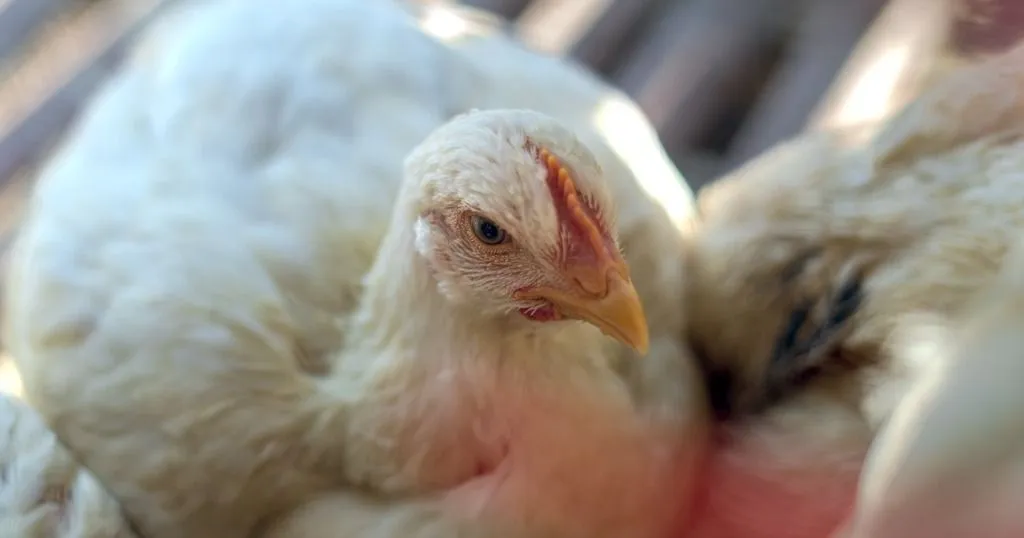
What can EthoVision XT provide over manual observations? We explore that question in the context of a animal welfare study, where fly larvae were provisioned to broilers.
Read More arrow_forwardWe'll get back to you shortly.
Please correct the following errors:
We look forward to seeing you at the NoldusViso launch event.
Please correct the following errors: