Gait has been used as an endpoint for many types of rodent models. CatWalk is the most cited system to measure and analyse locomotion and gait in small mammals.
Therefore, it is no surprise that CatWalk has been used in a great variety of studies over the years. From Parkinson's disease to nerve and skeletal injuries, CatWalk is a great fit for a wide variety of research and disease models.
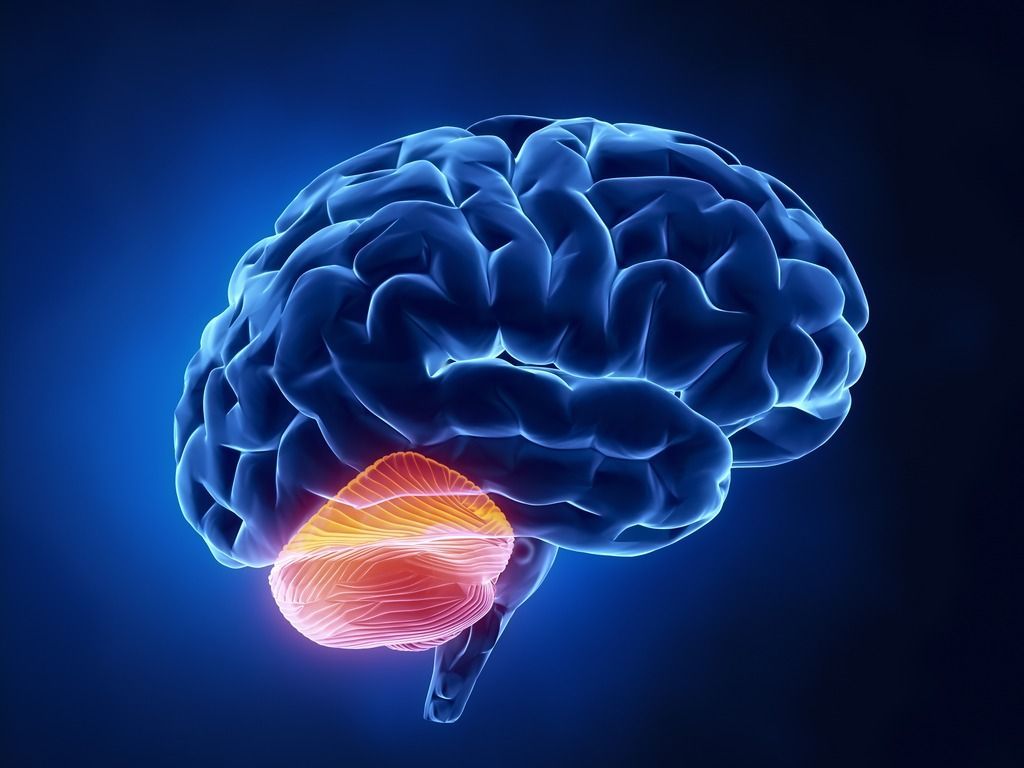
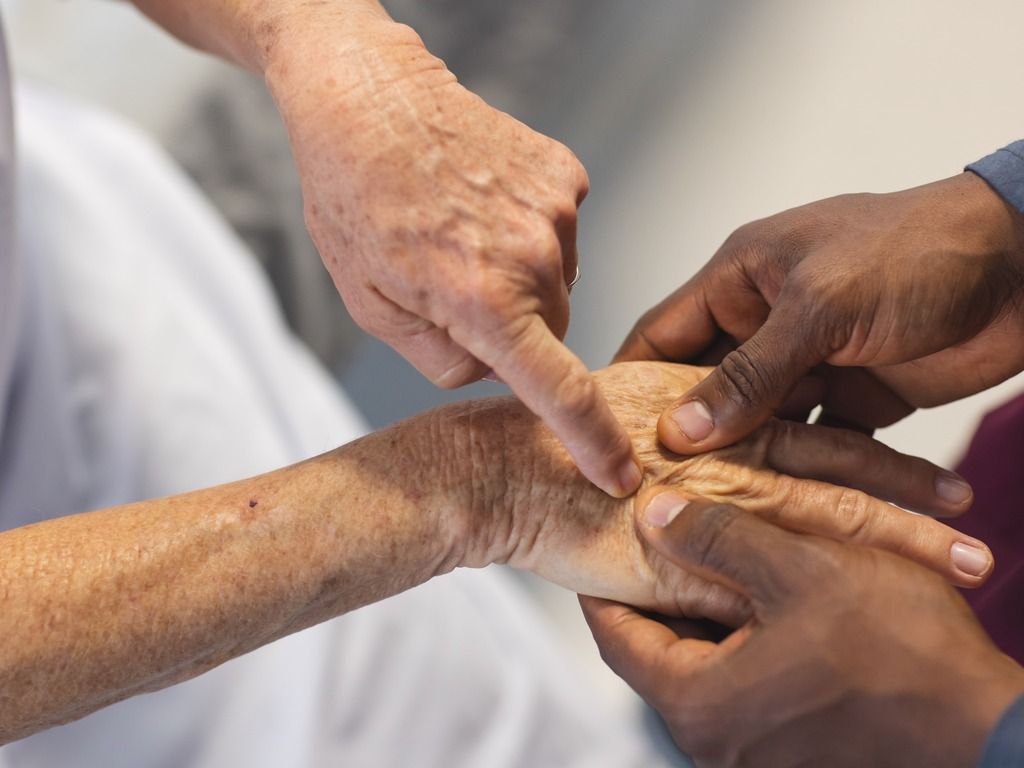
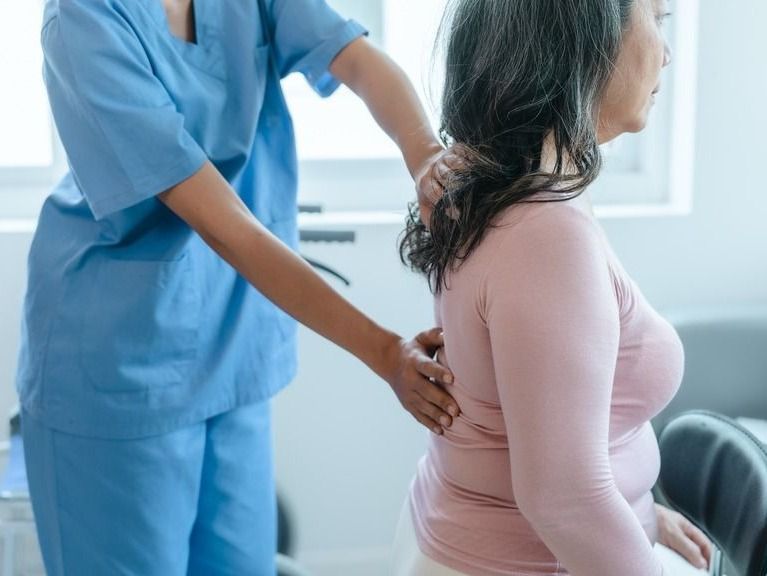
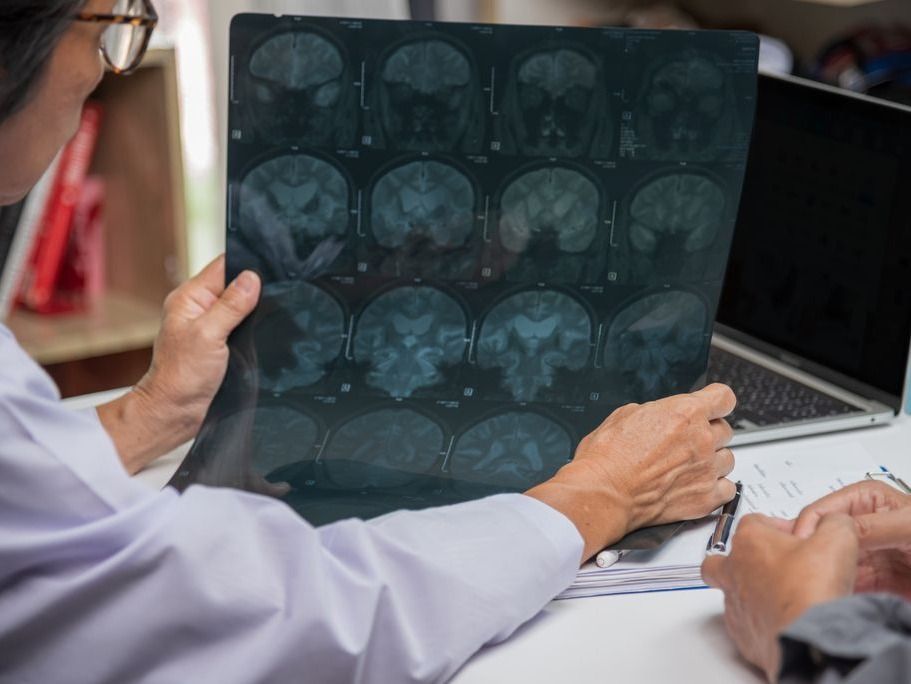
SCI results in motor and sensory deficits due to damage to the spinal cord. Gait analysis with CatWalk allows researchers to quantify changes in paw placement, stride length, and coordination, providing insights into locomotor recovery and therapeutic efficacy. Parkinson's is characterized by motor symptoms like tremors, rigidity, and bradykinesia. CatWalk can assess alterations in gait patterns, such as reduced step length and irregular paw placements, reflecting motor impairment and aiding in evaluating potential treatments. Alzheimer's leads to cognitive decline but can also affect motor function. CatWalk helps measure changes in gait parameters like velocity and regularity. Ataxia involves impaired coordination and balance, often caused by cerebellar dysfunction. CatWalk can detect irregularities in paw placement and gait variability. Arthritis causes joint inflammation and pain, affecting mobility. CatWalk enables the quantification of paw pressure distribution and changes in gait patterns. CatWalk is valuable in pain research by assessing gait parameters indicative of discomfort, such as alterations in paw contact area. TBI disrupts normal brain function and can impair motor coordination. CatWalk enables the measurement of gait abnormalities post-injury. SNI affects motor and sensory function in rodents. CatWalk allows for precise measurement of gait parameters, assisting in evaluating nerve regeneration and functional recovery. Neurobehavioral Core Lab Explore how this leading behavioral core lab in New York City uses CatWalk to study mouse models of Alzheimer's, ALS, Parkinson's, and more in advanced testing environments.What can I use CatWalk for?
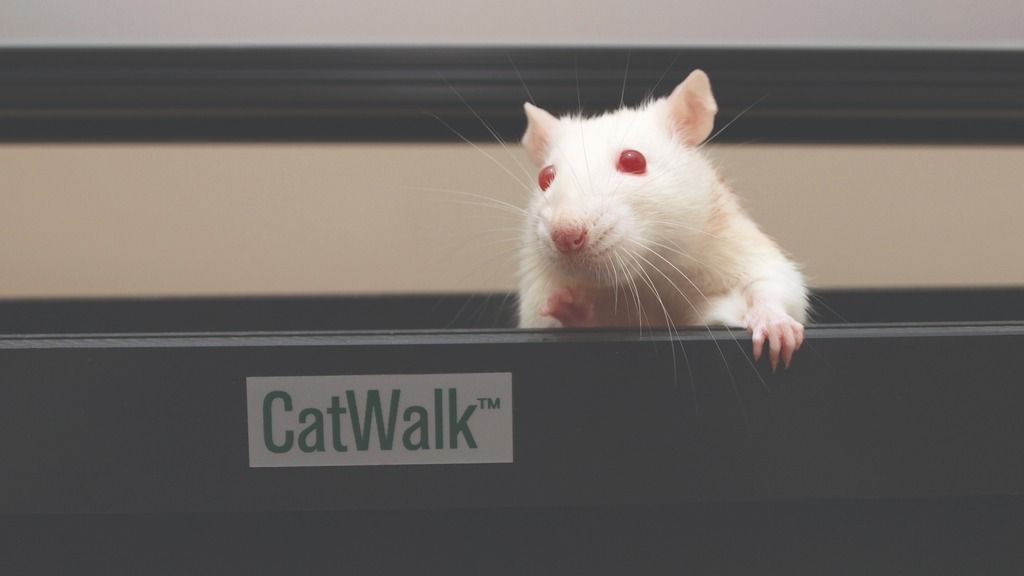
Applications of CatWalk
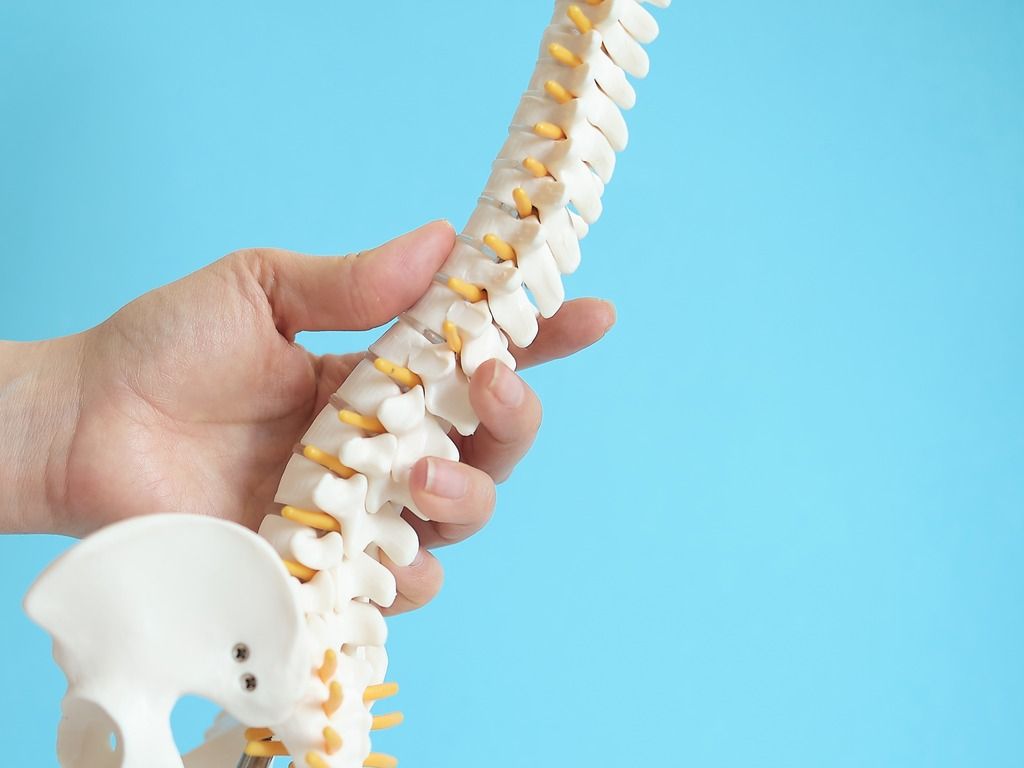
Spinal cord injury
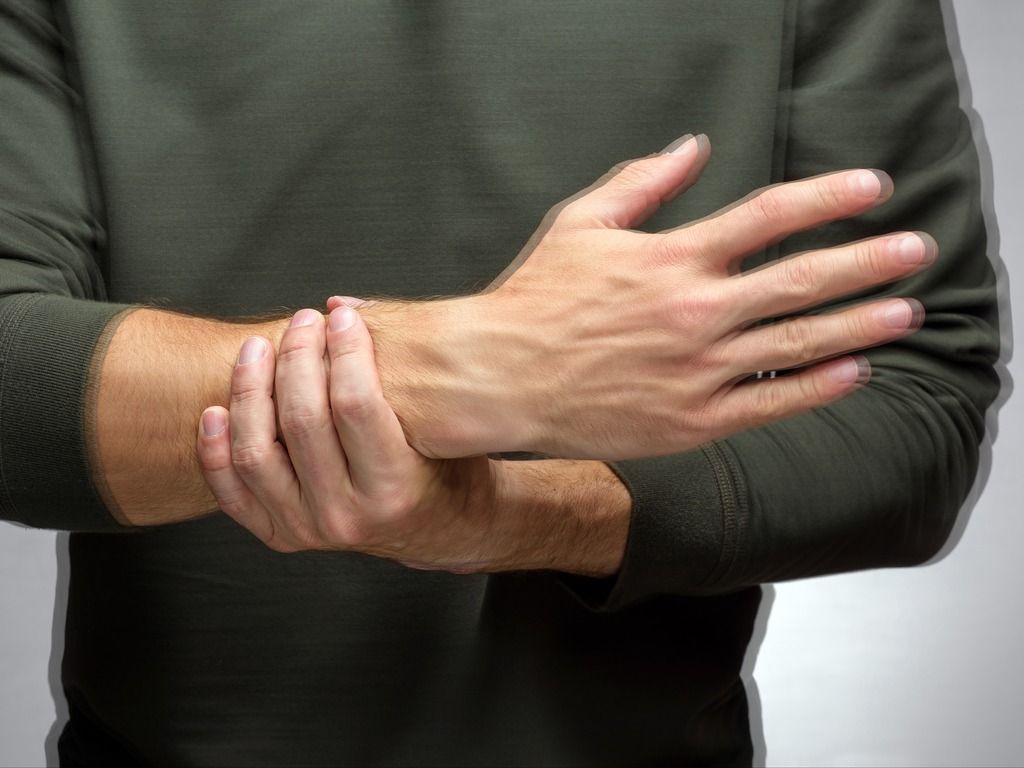
Parkinson's disease
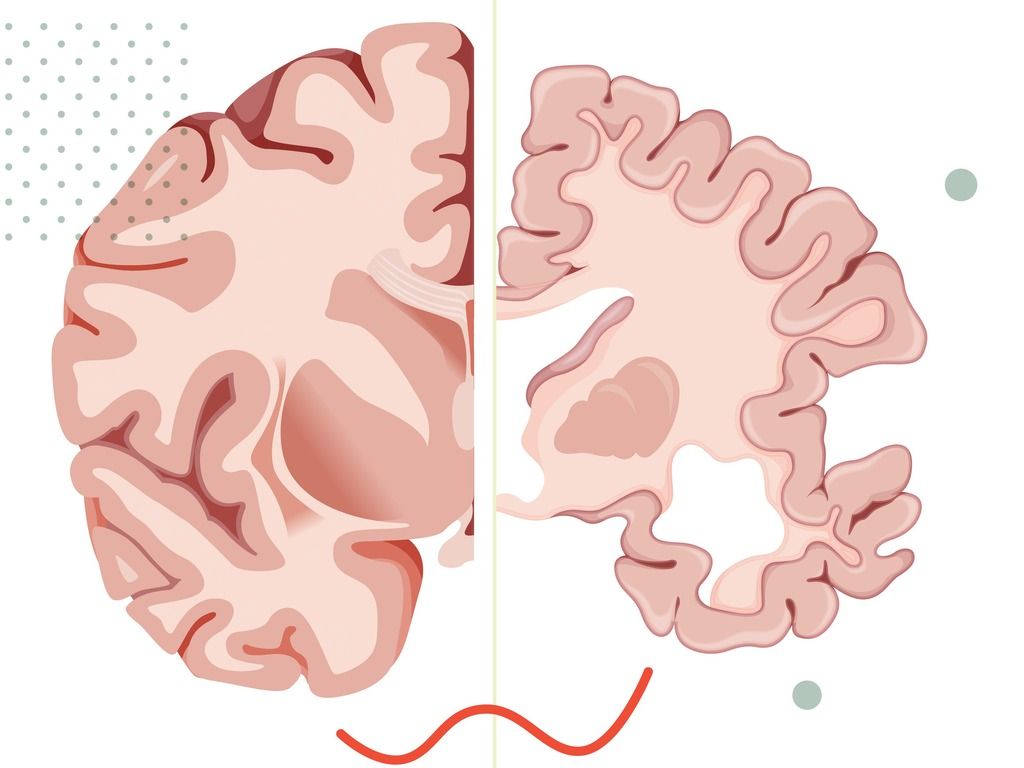
Alzheimer's disease
Ataxia
Arthritis
Pain research
Traumatic brain injury
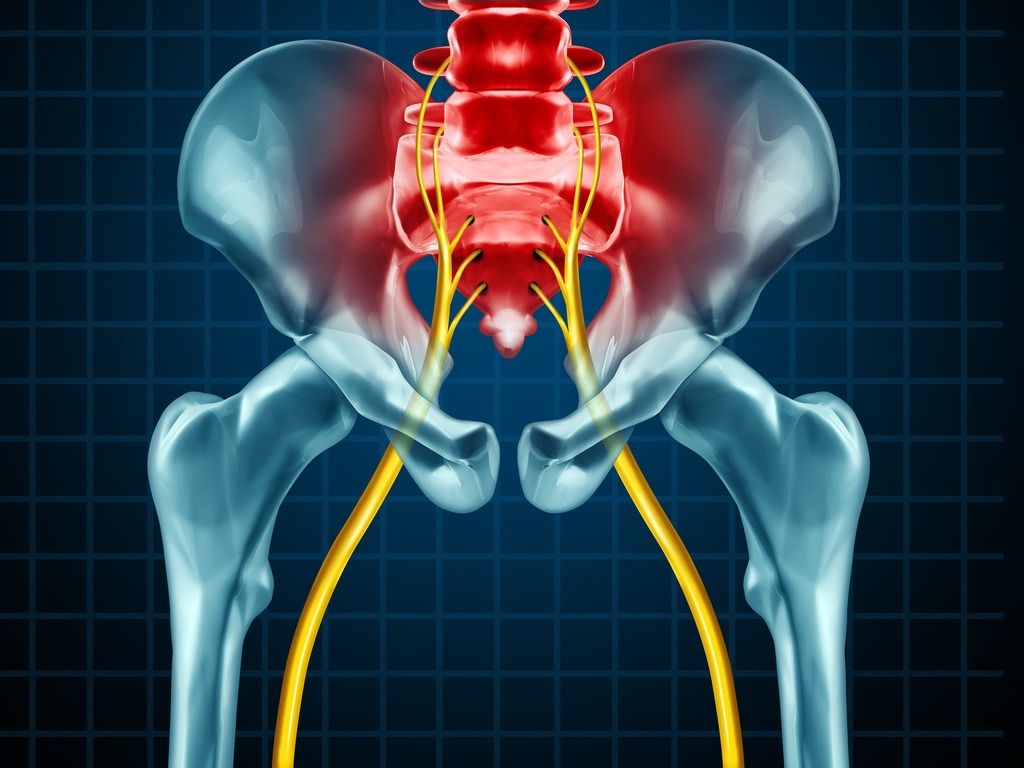
Sciatic nerve injury
Columbia University
CatWalk vs. Treadmill methods
| Feature | CatWalk | Treadmill / DigiGait |
|---|---|---|
| Working principle | check_circleLight injected glass plate | Transparent treadmill & bright light |
| Adjustable size | check_circleOne system for all small mammals | Different systems for rats and mice |
| Detection method | check_circleLight reflection | Assumption based algorithm |
| Motivation | check_circleUnforced natural walking | Forced treadmill |
| Animal stress | check_circleLow | High |
| Preferred room lighting | check_circleLow light | Bright light |
| Easy error detection | check_circleYes | No |
"CatWalk is easy to use and obtained data are directly applicable for further analysis. The system is robust and user friendly."
Dr. Jarosław Jerzy Barski
Medical University of Silesia, Katowice, Poland
Voluntary walking animals are better
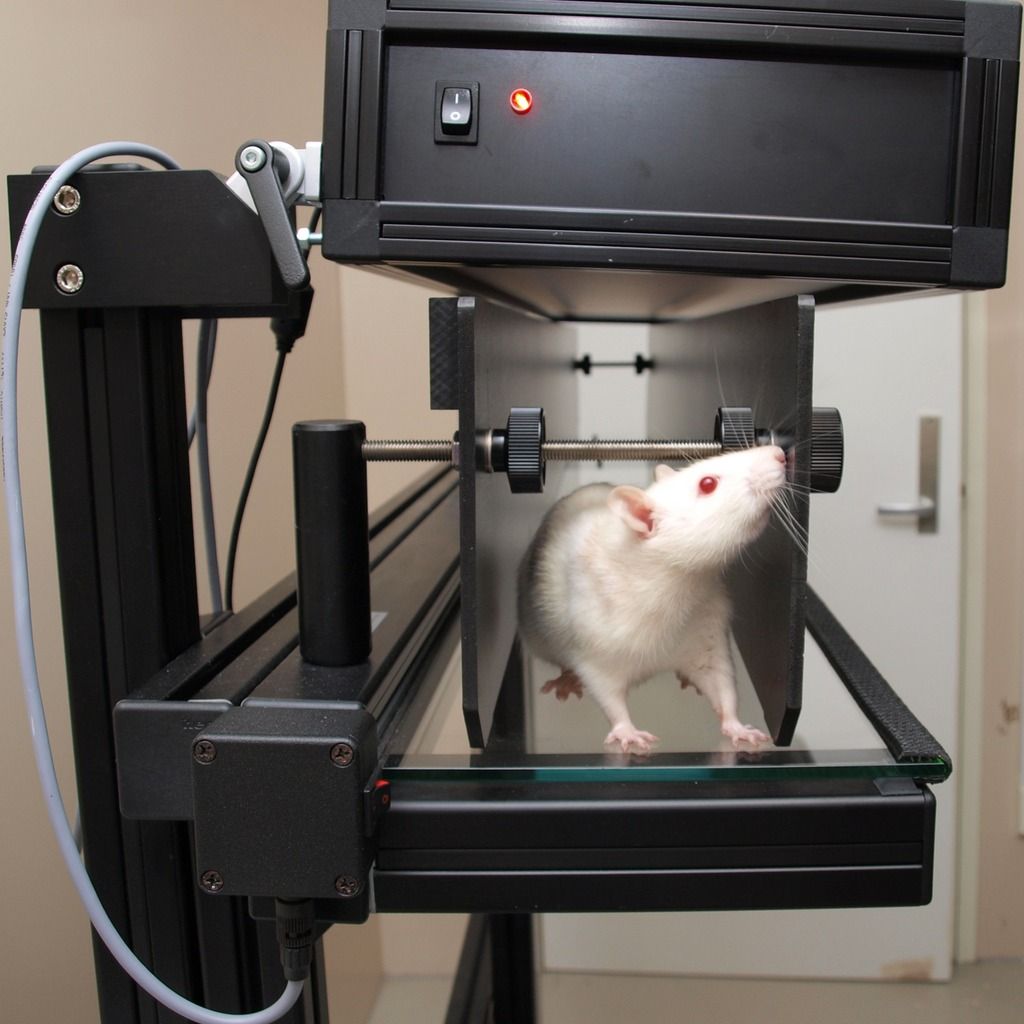
Many people assume that all animals will walk or run at the same speed if they use a treadmill or treadwheel. However, this is not the case.
Animals that walk voluntarily experience less stress and are less inclined to mask gait impairments. This way, you will have data with higher translational value. You can learn more about the advantages of free walking in this blog post.
This does not mean that speed as a factor is not important to look at; it is. And for this reason, you can easily correct for speed and speed variations in the CatWalk software.
Compare CatWalk & treadmills arrow_forward Bayer
Bayer
Bayer
Bayer
 Brown University
Brown University
Brown University
 Caltech
Caltech
Caltech
 Charles River
Charles River
Charles River
 University of Washington
University of Washington
University of Washington
 Novartis
Novartis
Novartis
Want more info?
Curious about this product but not ready to decide yet? Just let us know what you need: more information, a price quote, a free trial, a demo, or an online meeting with one of our specialists. We're here to help you with the next steps to finding your solution.
Thank you!
We will get back to you within one business day.
Thank you!
We'll get back to you shortly.
Please correct the following errors:
Thank you for registering!
We look forward to seeing you at the NoldusViso launch event.
Please correct the following errors: