
The role of emotional expressions after face transplant
“Would undergoing a face transplant have any value to it if somebody across the room couldn’t tell you were happy by just looking at you?”
Read More arrow_forwardTwo ways to learn more about medical simulation and debriefing: There are two ways to get ahead and stay ahead in healthcare education.
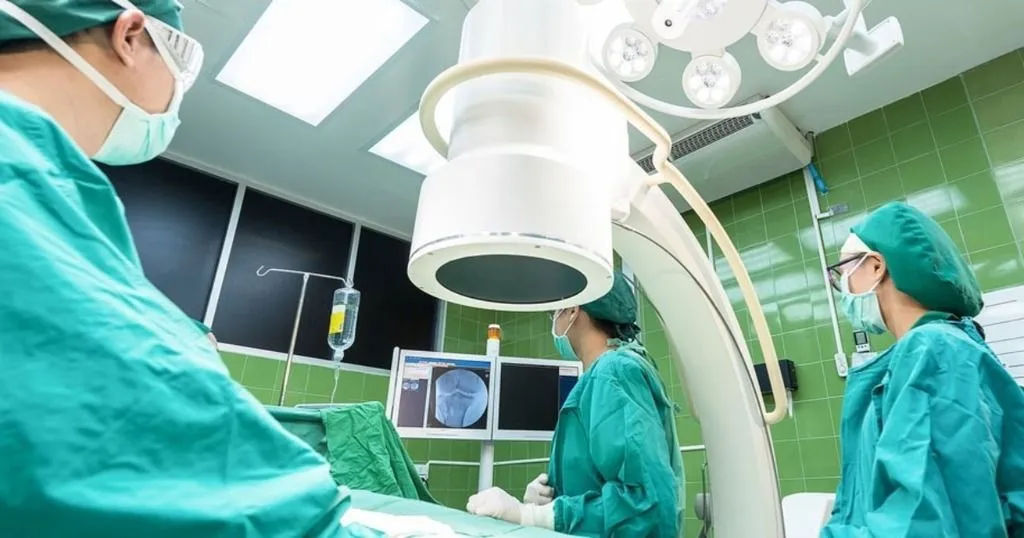
Training is crucial in almost every profession, but in healthcare education it is indispensable.
Using simulation-based training began in flight simulators; new pilots cannot fly a real craft without successfully completing training sessions in a flight simulator. In medical education, simulation-based training has also taken off.
It ensures that doctors and nurses around the world make the right decision when confronted with an emergency, for example. By simulating emergency situations, the medical team is better able to cope with the stress in the real life scenario.
After the training, a debriefing takes place in order to immediately learn from the scenario. Were procedures followed? Who took the lead? What verbal cues were given?
FREE DEMO
Request a free demonstration to find out why Viso is the right tool for your training facility!
In order to set up simulation, the necessary tools must come together. What tools are available for simulation and training? How do these tools allow an effective debrief? What tools will help nursing students learn skills fast, while keeping quality high?
There are two ways to get ahead and stay ahead in healthcare education.
One option is to sit at your desk or on your couch and watch training videos. That's what many of us do!
The Royal College of Physicians and Surgeons of Canada created such a video course: the Simulation in Health Care Video Series.
First, designate a lead debriefer and a second debriefer. This second person can handle the video and audio equipment and also assist when there are unexpected developments in the scenario. As Dr. Chiu explains, one requirement is a good speaker set in the debrief room, as students can then better hear the combination of feedback on posture (from video) and positive verbal cues from the primary debriefer.
Good and thorough preparation is also required, as this prevents too many people from talking at the same time.
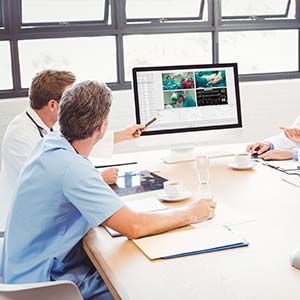
Think about the seating arrangement in the debriefing room. Where is the screen? Does everyone have a clear view of the video? You want to think a little bit about how you sit in the debrief session. Everyone must be able to see the recorded scenario, and ideally you will have a balanced discussion. If possible, try to place extraverts next to introverted colleagues, and also split up the debrief team to avoid a competitive or 'us vs. them' atmosphere.

By watching these videos, you can learn the foundational principles for simulation-based education, assessment, and research from renowned simulation experts.
Get to know what information is available, including visiting events or watching webinars. The International Meeting on Simulation in Healthcare, IMSH, is the most important healthcare simulation conference of the year. In 2017, over 2600 medical professionals attended to learn all about medical simulation research and the latest tools.

At IMSH 2017 there were many interesting sessions about communication in healthcare, debriefing, and training. This big event also hosts a great exhibit where medical professionals can taste, smell, and feel all the latest innovations.
Noldus highlighted our Viso software to about 100 professionals; this software solution is ideal for A/V recording in multiple rooms for simulation and training in medical simulation research.
Next year's IMSH will take place in Los Angeles - come visit us there!
“Would undergoing a face transplant have any value to it if somebody across the room couldn’t tell you were happy by just looking at you?”
Read More arrow_forward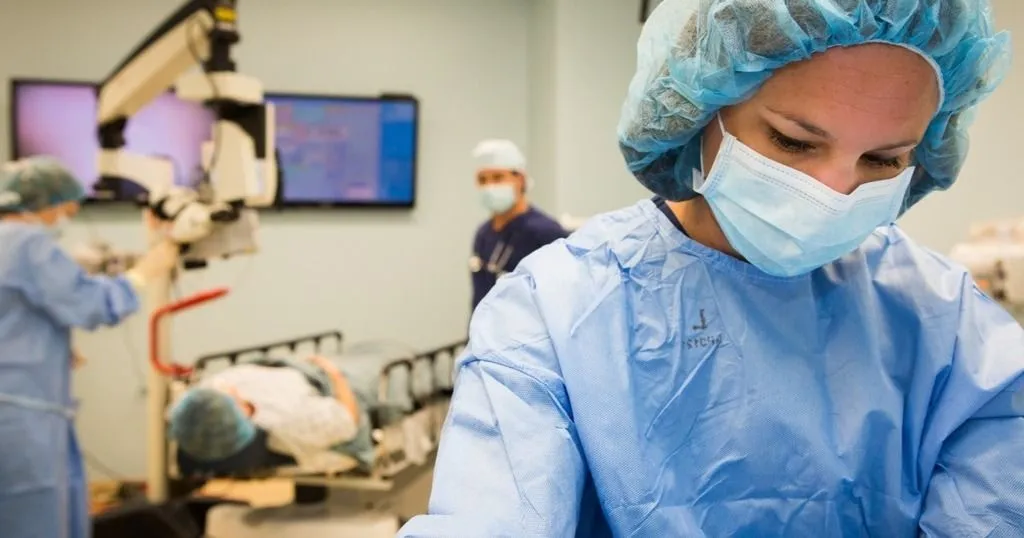
Teamwork plays an important role in ensuring patient safety and avoiding errors. The most commonly used method to promote teamwork, is training entire teams together to better prepare them for effective cooperation.
Read More arrow_forward
Simulation can be a useful tool in the development of new standard operating procedures and policies needed to respond to crises like COVID-19.
Read More arrow_forwardWe'll get back to you shortly.
Please correct the following errors:
We look forward to seeing you at the NoldusViso launch event.
Please correct the following errors: