Animal Behavior Research Blog Posts
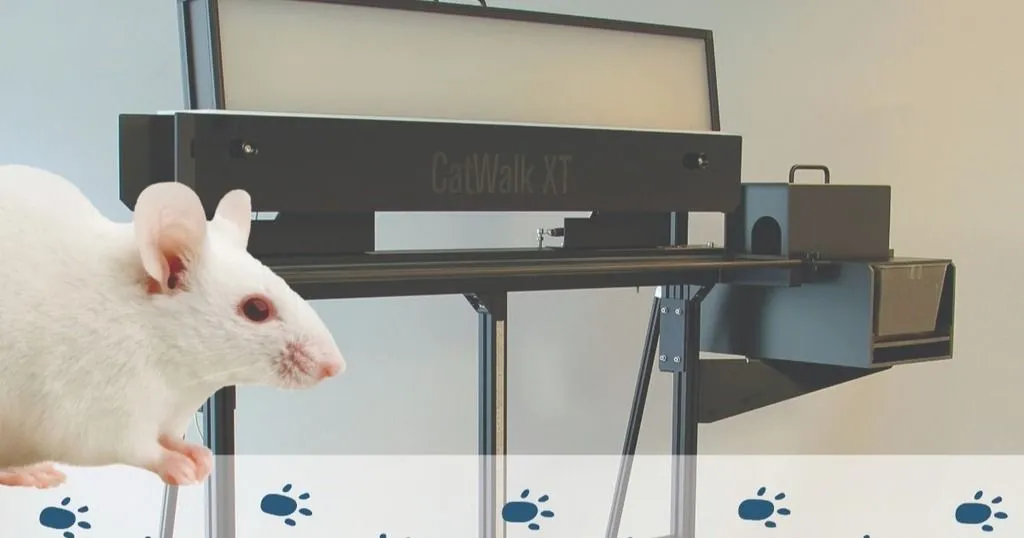
3 ways to use rodent gait analysis in CatWalk XT
CatWalk XT has been used for gait analysis in multiple studies and has helped experimental procedures for a number of neurological disorders and in lesion models. These 3 blogs tell you more about that!
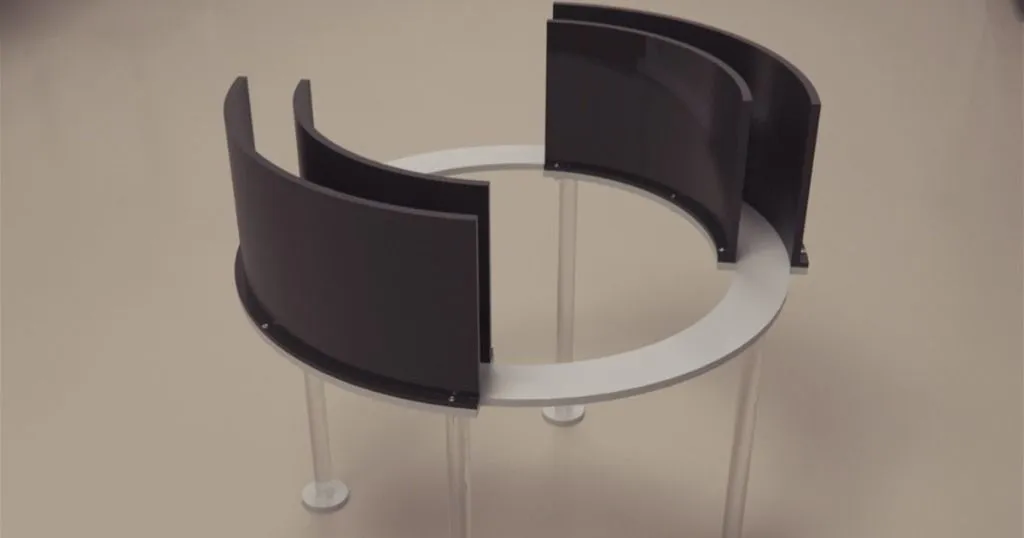
3 high impact papers about measuring anxiety in the Elevated Zero Maze
The elevated zero maze (EZM) is a variation on the elevated plus maze (EPM) and was created to eliminate the center region of the EPM. This blog highlights 3 studies that use the EZM to test for anxiety-like behavior
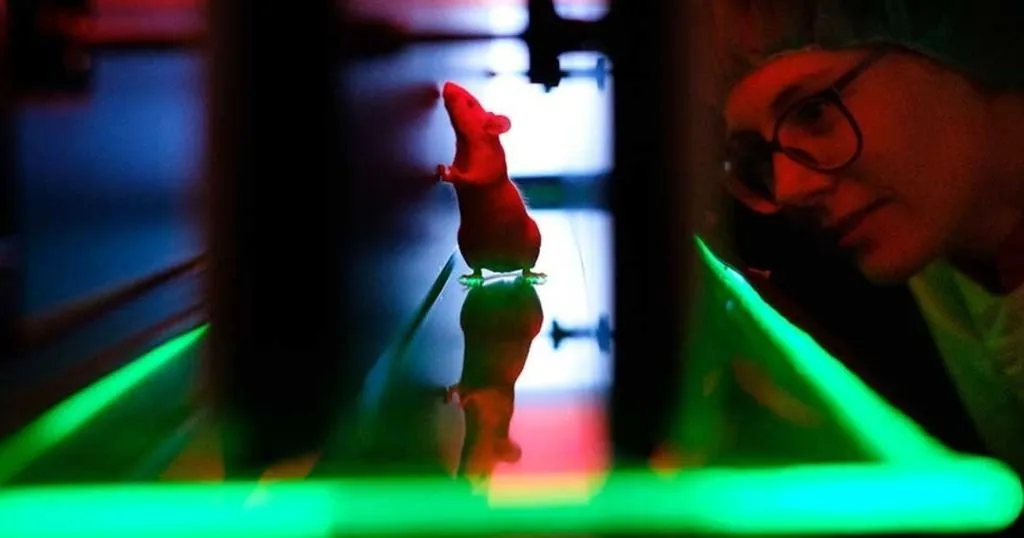
Quantifying locomotion in rats using CatWalk XT
Gait analysis is a powerful tool in evaluating behavioral and physiological changes in clinical and pre-clinical rodent models.

5 EthoVision XT webinars for you to watch
In this blog you’ll find five webinars on EthoVision XT from five different angles. Each webinar will get you more in depth on how to use EthoVision XT in your own study or research.
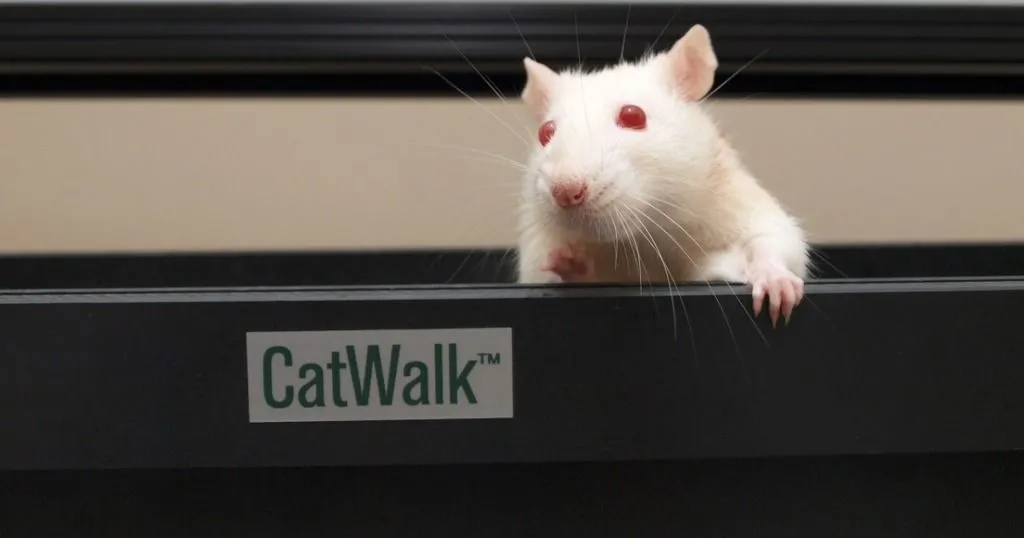
Using CatWalk XT to analyze variations in gait performance in adolescent mice
Rodents are the most common model organisms in biomedical research. Automated gait analysis provides a precise and objective means of analyzing behavioral and physiological changes in rodent models.

What is the Barnes maze? A dry-land environment for testing learning and memory
The Barnes maze is a behavioral paradigm for testing learning and memory in rodents models for autism spectrum disorder, Alzheimer’s disease and ageing. How does it compare to the Morris water maze?

Examples of Animal Behavior Research
Researchers in ethology are interested in understanding all aspects of animal behavior. We have highlighted some great examples of Animal Behavior Research on our Behavioral Research Blog.

Studying zebrafish behavior using video tracking software
When it comes to studying zebrafish behavior, video tracking software is the ideal tool. Here we highlight five recent posts about studies on zebrafish behavior where researchers applied video tracking software.
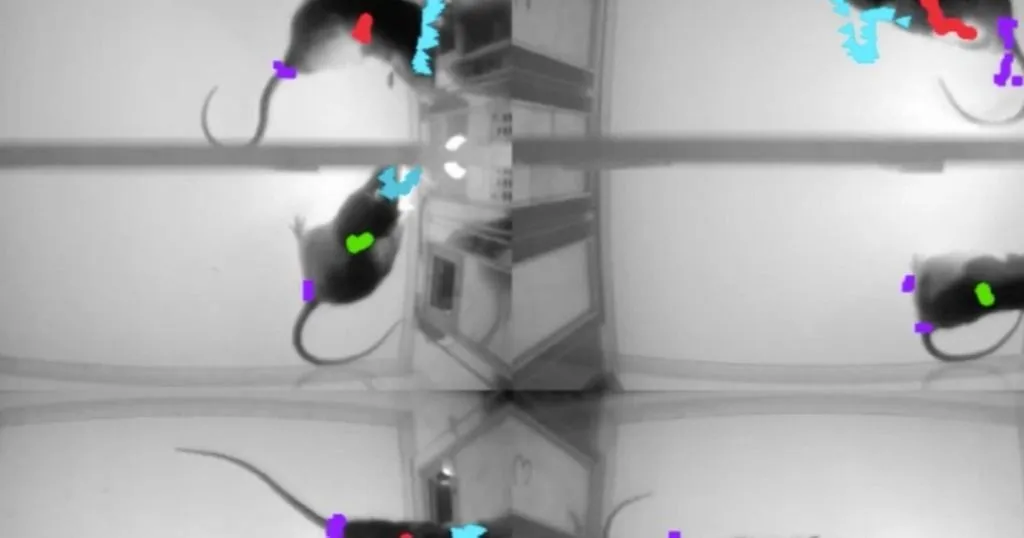
5 blogs on why you should use video tracking in behavioral research
In this blogpost you can find an overview of our top 5 favorite blogs on why you should use video tracking in your behavioral research.

Zebrafish attracted to superfish: video tracking sex differences in shoaling
Are images enough to evoke a shoaling response in zebrafish? Do males and females respond differently to shoals or the opposite sex? A recent study finds out.
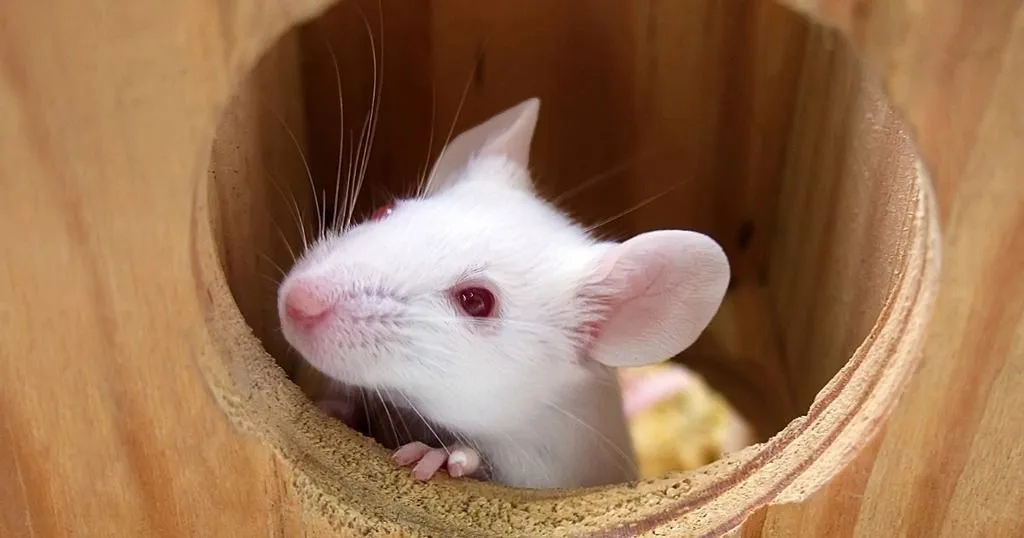
Environmental enrichment rescues autistic-like behaviors in mice
A recent mice study from The Scripps Research Institute shows that behavioral therapy might still be successful in later diagnosis of ASD with macrocephaly, laying groundwork for successful late interventions.

Behavioral research shows how elephants like their new habitat at the Oregon Zoo
The elephants at the Oregon Zoo got a new and improved place to live. This 4-year study described in detail how the animals adapted and liked the new features of their habitat.

Thank you!
We'll get back to you shortly.
Please correct the following errors:
Thank you for registering!
We look forward to seeing you at the NoldusViso launch event.
Please correct the following errors: