Behavioral Research Blog
Insights, research, and innovations in human and animal behavior research

Alzheimer's: prevent instead of cure?
Alzheimer’s disease (AD) is a huge public health issue as it affects a large part of the aging population. Neuropathology is studied primarily in the end stages of the disease. What about prevention?
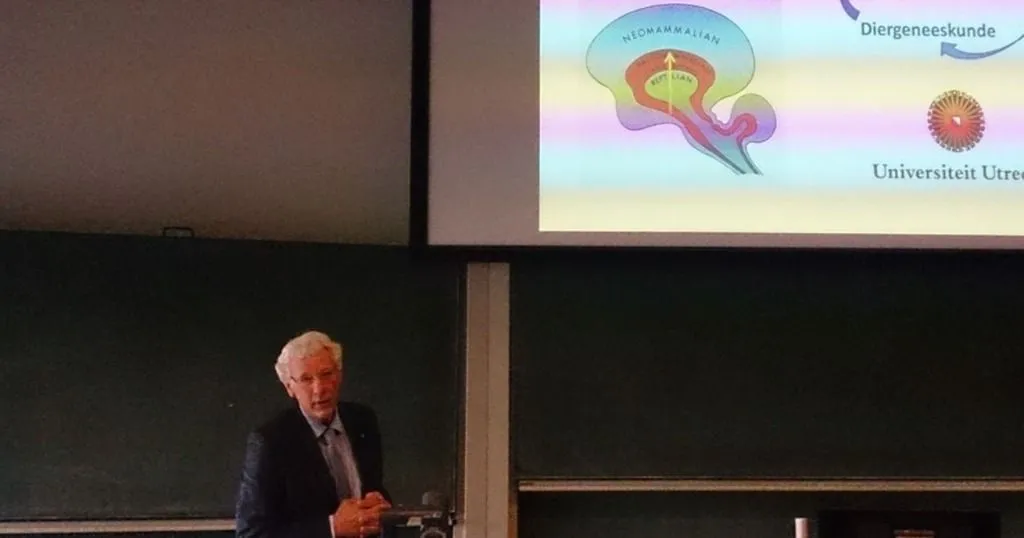
Prof. Berry Spruijt says goodbye (but not really)
Prof. Dr. Berry M. Spruijt recently retired from his position at Utrecht University. I had the honor of attending the symposium that was organized to reflect on and celebrate his career.
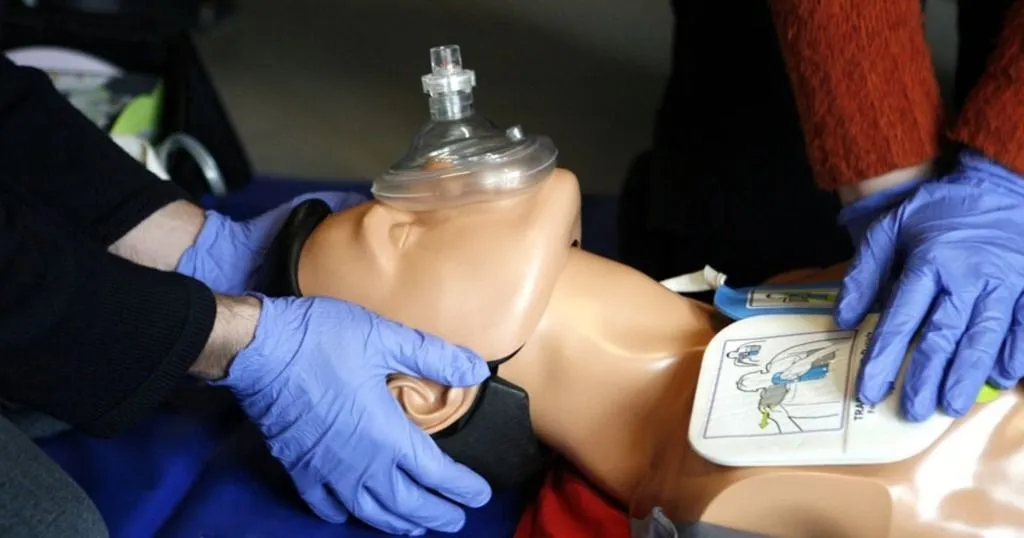
Does the sex of a simulated patient affect CPR?
When faced with either a male or female patient simulator, both men and women rescuers appeared reluctant to remove a female patient simulator’s clothing.

Which head and neck positions are stressful for your horse during lunging?
Being a horse owner and a Noldus employee is the perfect combination when it comes to keeping track of the scientific background for my horseback riding hobby.
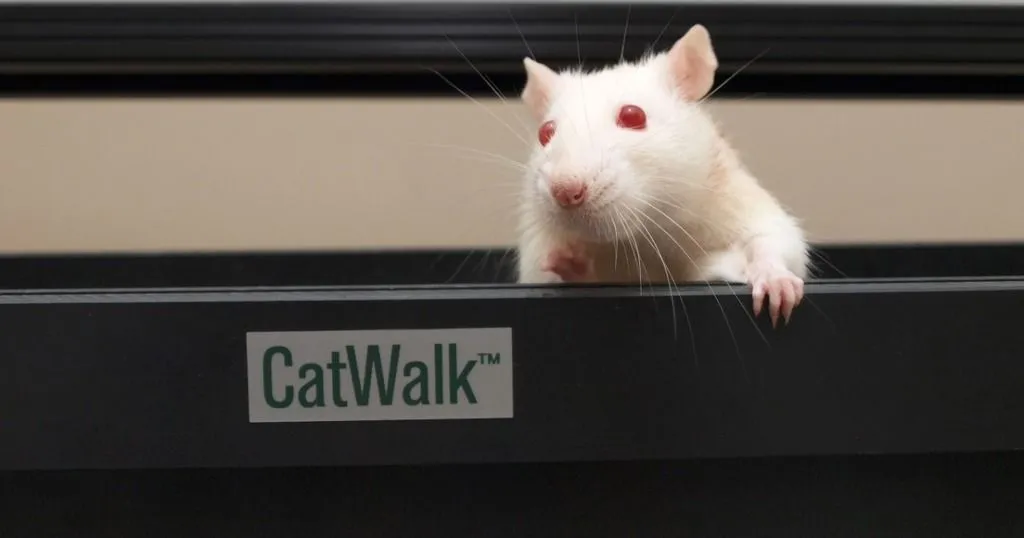
Gait research: let your animals walk freely
Researchers use different ways to analyze gait in animals. In what instances would a study benefit from a system that is based on voluntary walking?
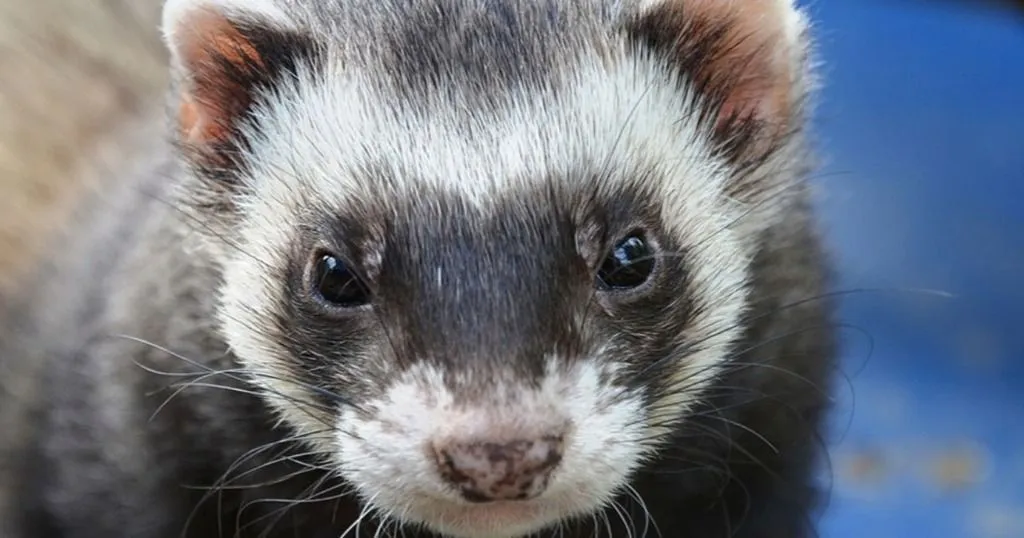
Video-tracking the effect of influenza infection on ferrets
Ferrets are the ideal animal model to assess influenza virus infection and pathogenicity as they display similar clinical symptoms to humans such as sneezing, fever and lethargy.

Behavior and emotions of older adults
Can TV footage motivate older persons to start being more active? Being active can improve the overall health of a person (65+ but of course also 65-!).

10 behavioral studies on Alzheimer’s and Parkinson’s
This blog post features 10 interesting studies that use innovative techniques to study models of AD and PD and important underlying neuronal mechanisms.

How Ginkgo biloba helps treat Alzheimer’s
Xu Liu and colleagues recently investigated the effects of Ginkgo biloba extract on a mouse model for Alzheimer’s disease (AD).
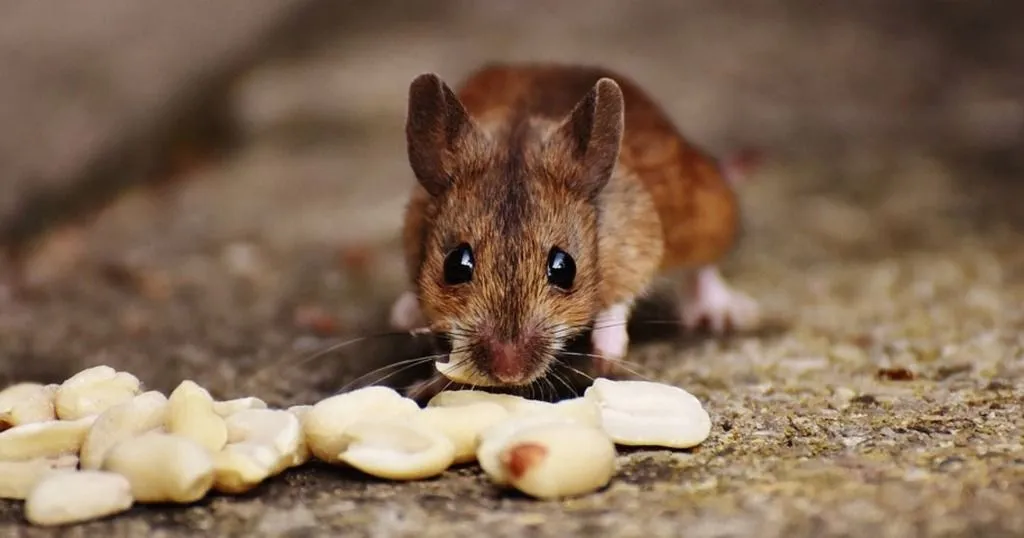
Motivation and eating: deep brain imaging in freely moving mice
Craving a snack, the joy of eating it. The part of our brain that regulates this is the lateral hypothalamus. An interesting targer for addiction and eating disorder research.
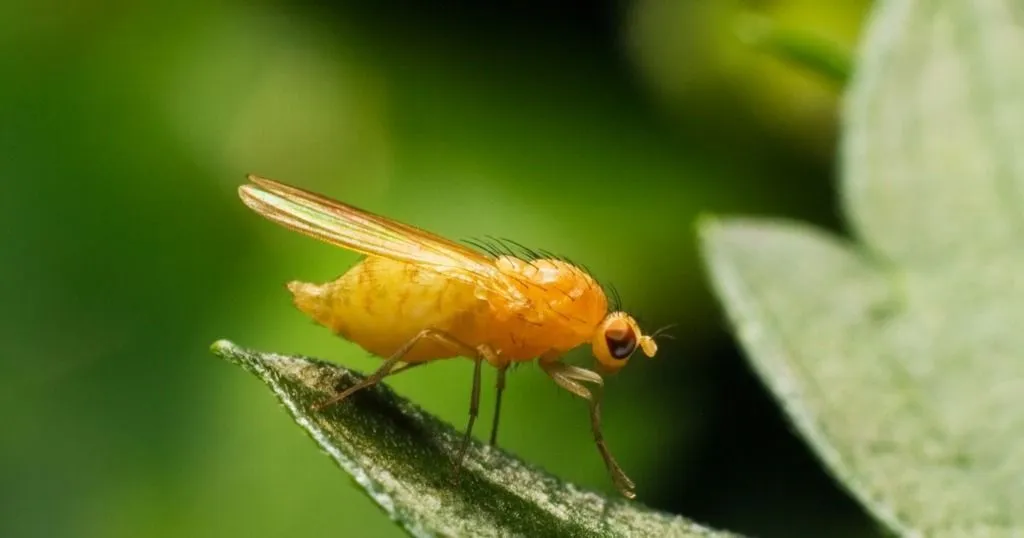
How autistic fruit flies behave
The number of children diagnosed with developmental disorders has increased exponentially in the past 20 yearschemicals such as BPA have been under investigation lately.

Location is everything: Measuring visitor behavior
Want to know where the action is? Interested in getting real-time feedback about a conference, concert, or event hotspots? Read more about the Crowd Emotion Monitor app.
Thank you!
We'll get back to you shortly.
Please correct the following errors:
Thank you for registering!
We look forward to seeing you at the NoldusViso launch event.
Please correct the following errors: