Behavioral Research Blog
Insights, research, and innovations in human and animal behavior research

The impact of health information technology on doctor-patient interaction
Embracing the technological advances of the last decade, many health care professionals have incorporated information technology into their daily routines.
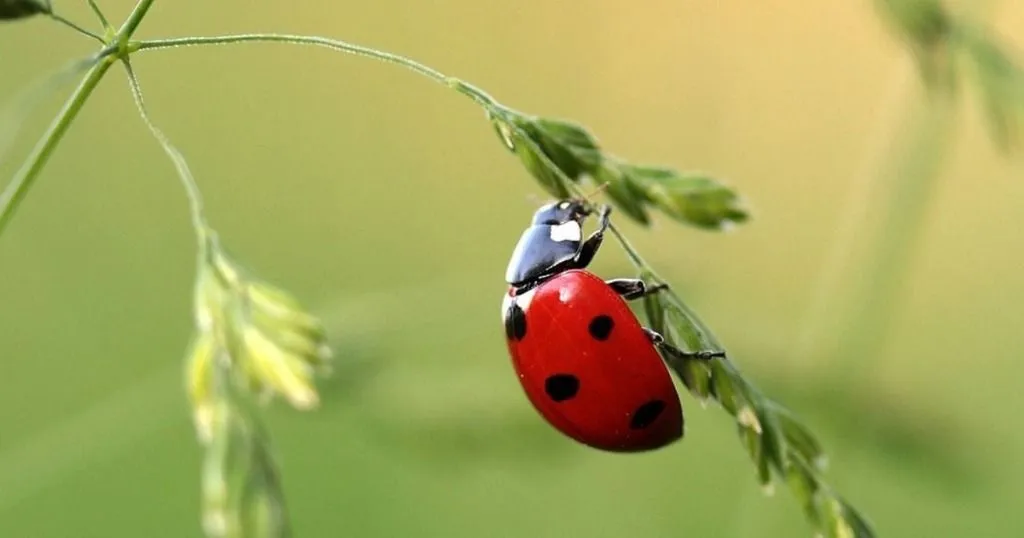
Ladybugs and lacewings do not spy on their prey’s alarm pheromone
Leaf sucking creatures like plant aphids are common and can cause considerable damage to plants. Therefore, quite a lot of effort is made to control these tiny creatures.
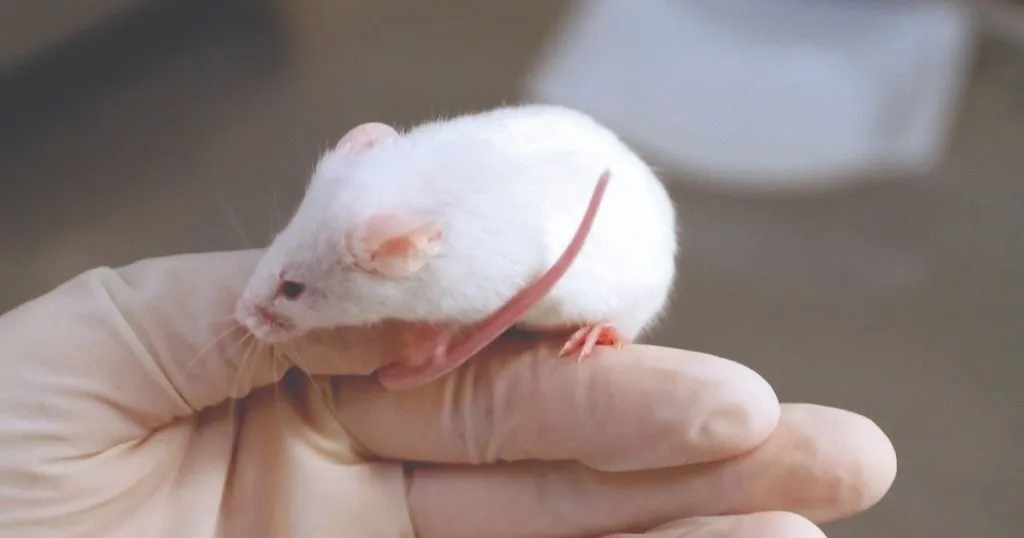
How to really challenge mice cerebellar plasticity
Jan-Willem Potters used the ErasmusLadder in his thesis research to study the role of specific mutations of plasticity in the cerebellar microcircuit of mice.
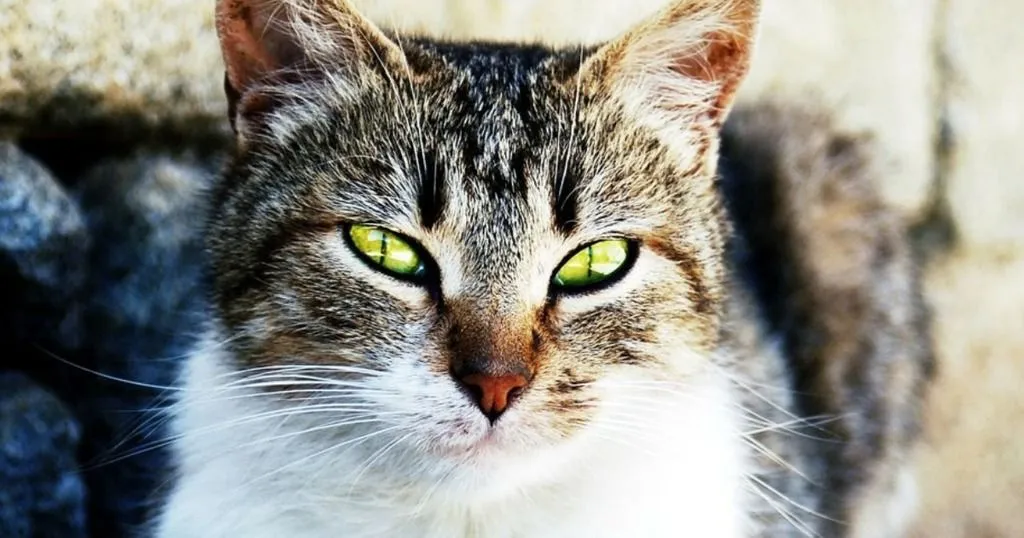
Picky cats and tasty food – sniffing is an indicator for tastiness
Cats can be extremely picky when it comes to food. If the cat doesn’t like it, it will refuse to eat. Reason enough for the pet food industry to try to find out what cats really like.
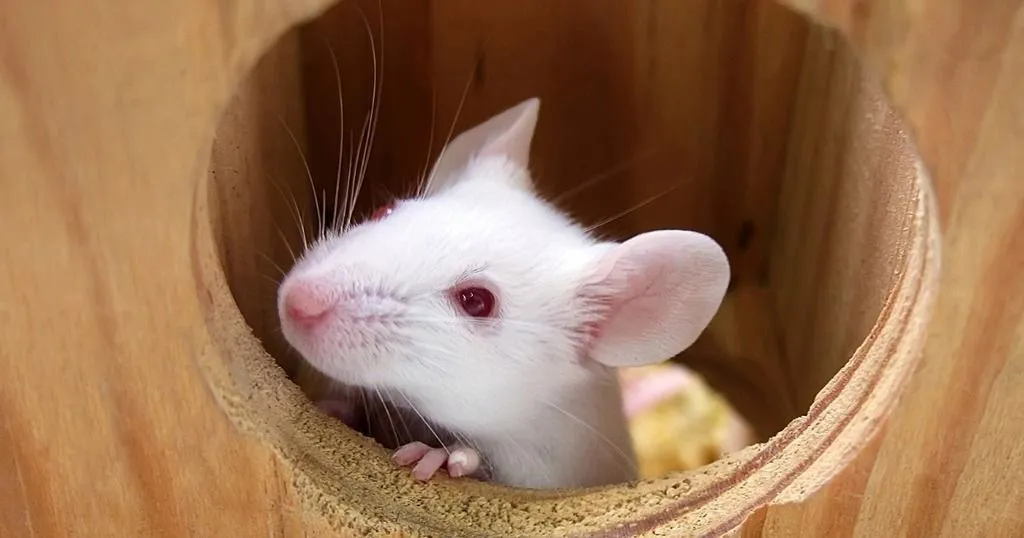
A high-throughput method to screen natural behavior of mice
Traditional standard tests with rats or mice are carried out immediately after human interference. Therefore, the behavior of the animals may not be natural and spontaneous.

Making sense of the senses: The real cost of paying attention
We live in a demanding world: the snort of an email, the squeal of a text, fare alerts, breaking news, SQUIRREL! What was I saying? Oh yes, we live in a distracted world.

Anxiety is ancient – how crayfish resemble vertebrates
Fear is something we all know. It changes our behavior: we freeze, try to escape, or respond with aggression. Fear can also cause anxiety, which is a more complex phenomenon.

Inhibitory avoidance learning in zebrafish (Danio rerio)
The zebrafish (Danio rerio) is increasingly being used as model in behavioural, neurobiological and genetic research.

Measuring experiential, behavioral, and physiological outputs
In a romantic relationship, it is undoubtedly important to show support when one’s partner shares his or her accomplishments and positive life events.

Walking the ladder: testing the cellular source of motor functioning in mice
The cerebellum, our “little brain”, is all about motor control; more specifically, it’s about coordination, precision, and timing.

What a horse likes to eat: how to test dietary preferences
Redgate and colleagues looked into the addition of a monadic phase (a phase in which only one food was offered at a time instead of all of the options) to choice testing.
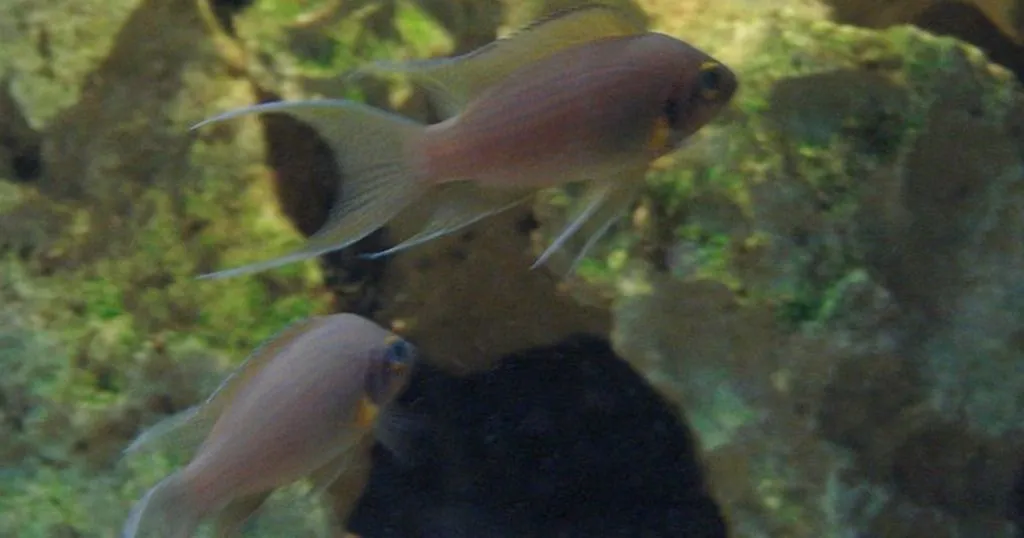
The accuracy of measuring fish aggression by using mirror tests
To examine the response of cichlids to their mirror image, Balzarini et al. used three sympatric species from Lake Tanganyika and did the mirror test for measuring aggression.
Thank you!
We'll get back to you shortly.
Please correct the following errors:
Thank you for registering!
We look forward to seeing you at the NoldusViso launch event.
Please correct the following errors: