Behavioral Research Blog
Insights, research, and innovations in human and animal behavior research
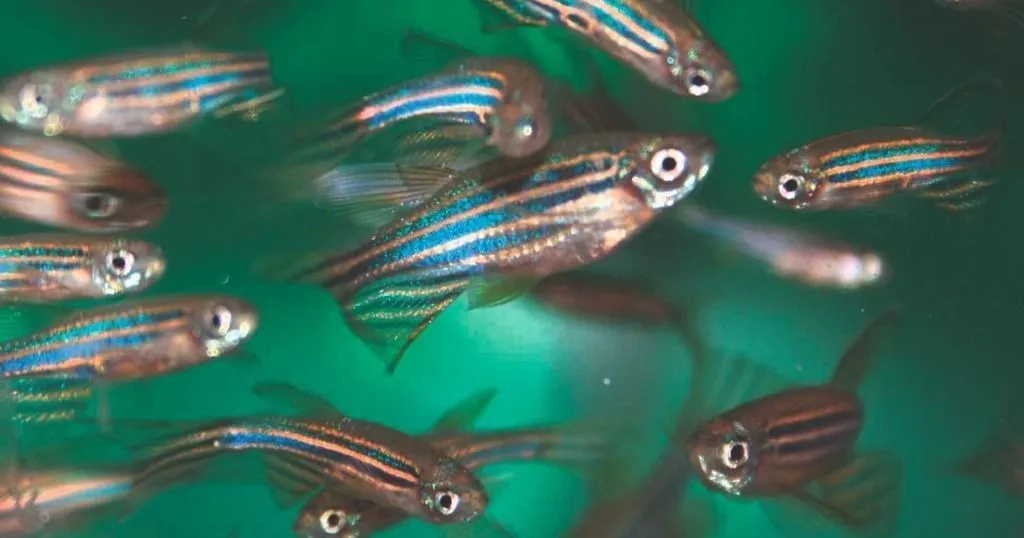
The search for robust fear inducing stimuli in zebrafish research
Zebrafish behavioral research has grown by leaps and bounds, and behavioral paradigms are being developed with the aim of better understanding mechanisms that might underlie aberrant behavioral phenotypes.

Clinical interviews – analyzing verbal and non-verbal behavior
In general, researchers choose the methods and techniques that best suit their research objectives. That’s no different when researching doctor-patient communication or any other clinical interview setting.
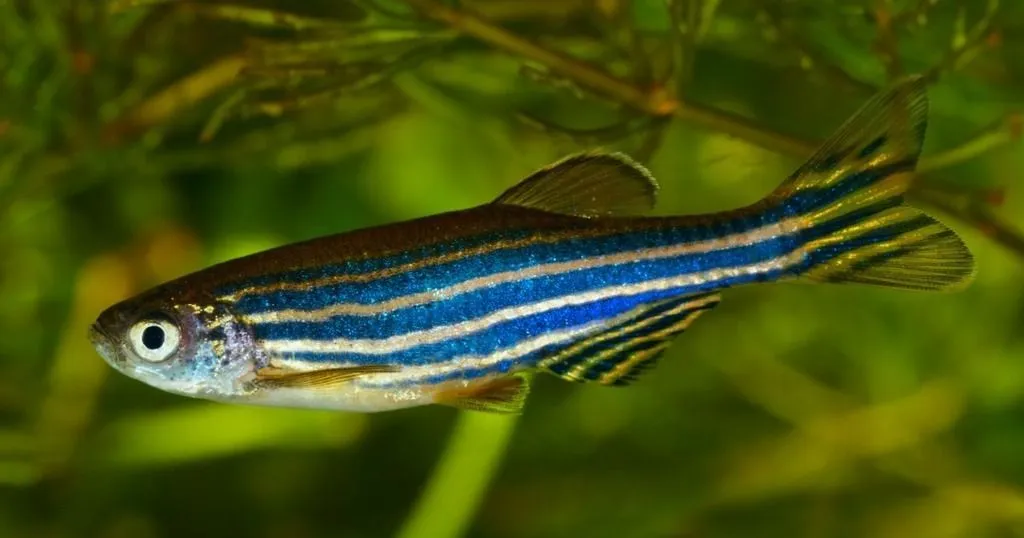
Zebrafish research: growing demands in South America
It was at the Society for Neuroscience last November that I was invited to speak at the second annual LAZEN meeting held last December in Porto Alegre, Brazil.
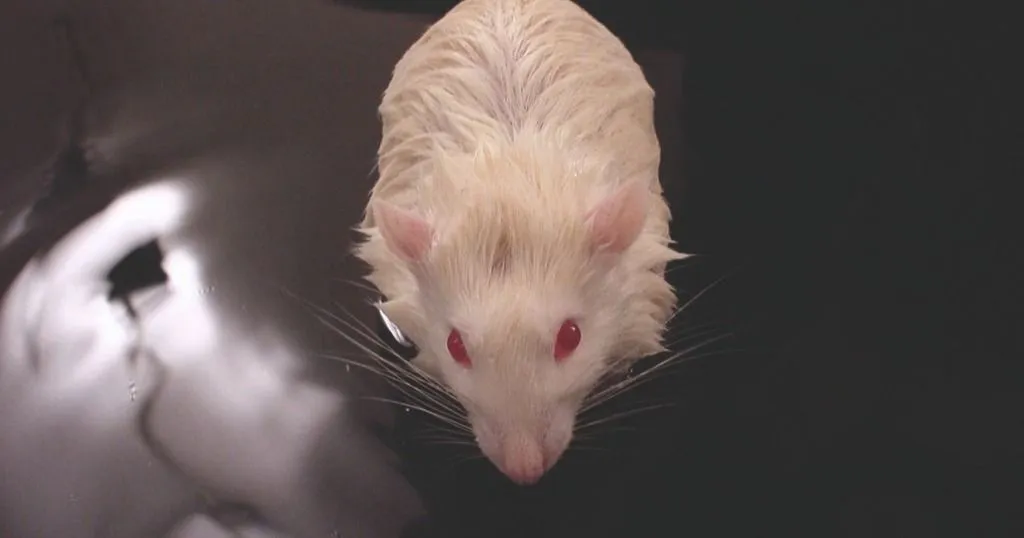
Three examples of swimming rats in traumatic brain injury research (TBI)
The Morris water maze and EthoVision, a validated solution to investigate learning and memory in rats and mice.

Observing behavior - Jury deliberations, what happens behind closed doors
Researchers increasingly study what goes on behind closed doors. Thirty mock-jury deliberations were filmed and behaviors were then coded using The Observer software.

Systematic behavioral observation – two coding scales
Structured observations are one of the many ways to gather data. Observing behavior rather than asking questions about it can provide you with a multitude of valuable information.
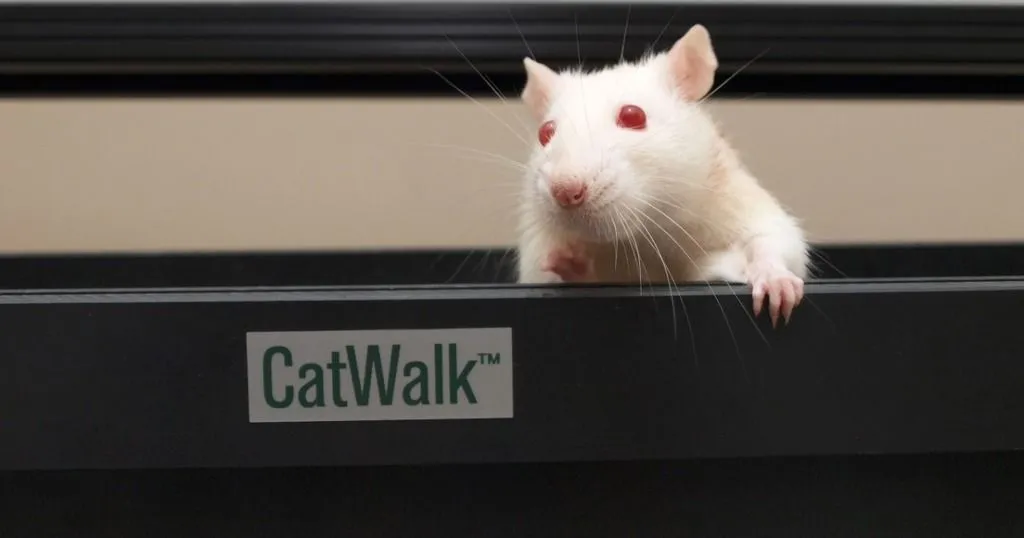
Recent applications of locomotor and gait analysis
Stem cell research is a promising area of research for spinal cord injury. With 1,25 million individuals suffering from chronic spinal cord injury in the US alone, new treatment approaches are necessary.

Horses: behavioral research, physiology and biomechanics
Besides the study of the relation between humans and popular pets such as cats and dogs, human-horse interaction is an increasingly popular subject of science.

Behavioral assays establish zebrafish in drug screening
Zebrafish are increasingly swimming into the view of large-scale drug screening projects. Behavioral screens can be used as a first-line detection tool for new drug effects, and their popularity continues to grow.
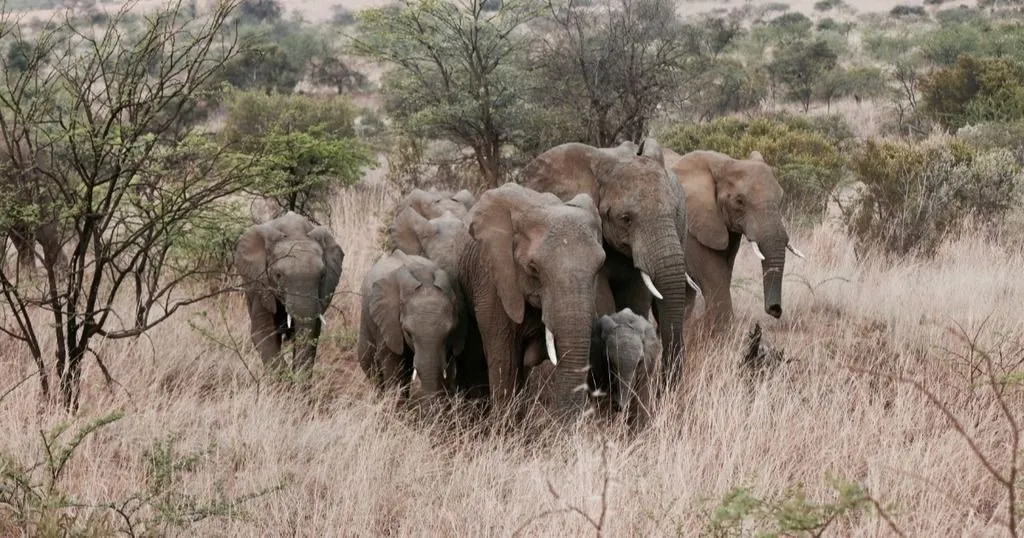
Observing social behavior and communication in wild elephants
A trunk-to-mouth greeting ritual. Yes. We are talking about elephants here.
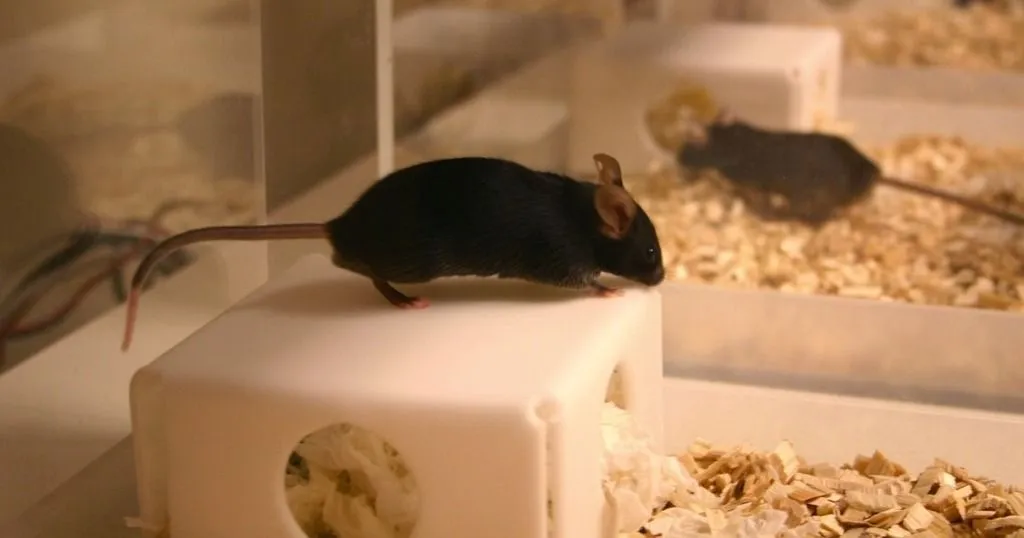
Learning to use animal models for psychiatric disorders
Recently Lucas Noldus was interviewed for a technology feature in Nature; “Inside the minds of mice and men” by Monya Baker.
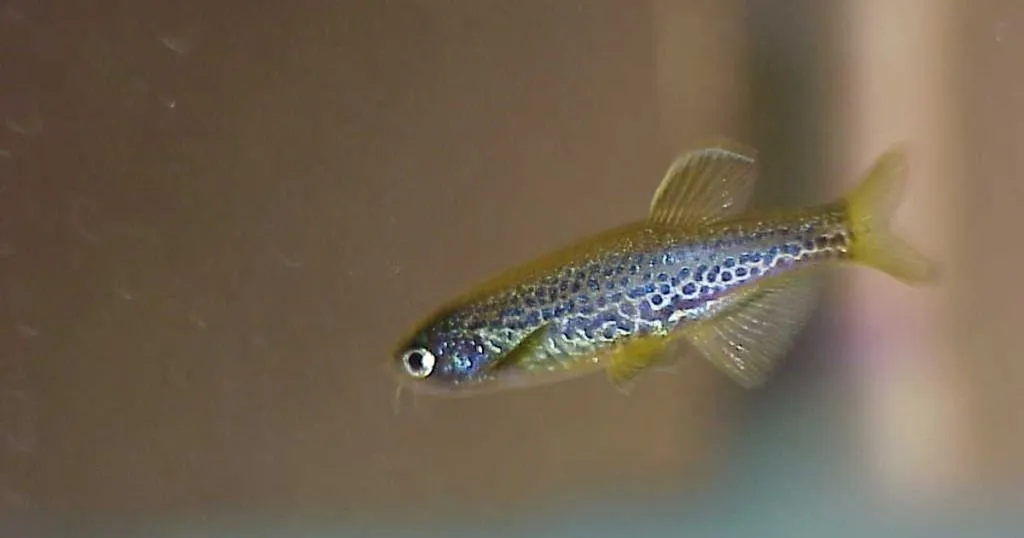
Zebrafish as lab animal increasingly popular
Zebrafish is the new rat. Or mouse. More and more rodents in the lab are being replaced by these nifty little striped fish. They are easy to maintain, reproduce and develop rapidly.
Thank you!
We'll get back to you shortly.
Please correct the following errors:
Thank you for registering!
We look forward to seeing you at the NoldusViso launch event.
Please correct the following errors: