Blog Posts Tagged: observational research

The complete guide to behavioral observation
Behavioral observation is essential to reliable research, training, and clinical work. Learn what it is, why it matters, and how to implement it effectively without sacrificing time or consistency.
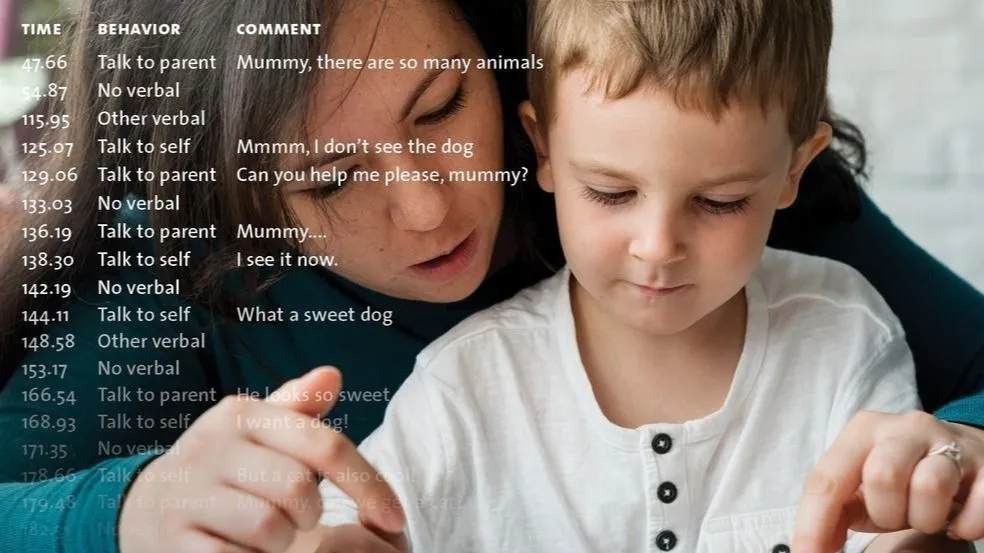
5 coding-scheme decisions you cannot undo later
A setup checklist for The Observer : the five structural choices that decide whether your scheme works on the first video or works against you.

Behavioral research explained: stimuli, emotion, interaction, and coding
Explore key concepts that shape human behavior research. This post brings together essential ideas that help researchers study behavior with more clarity.
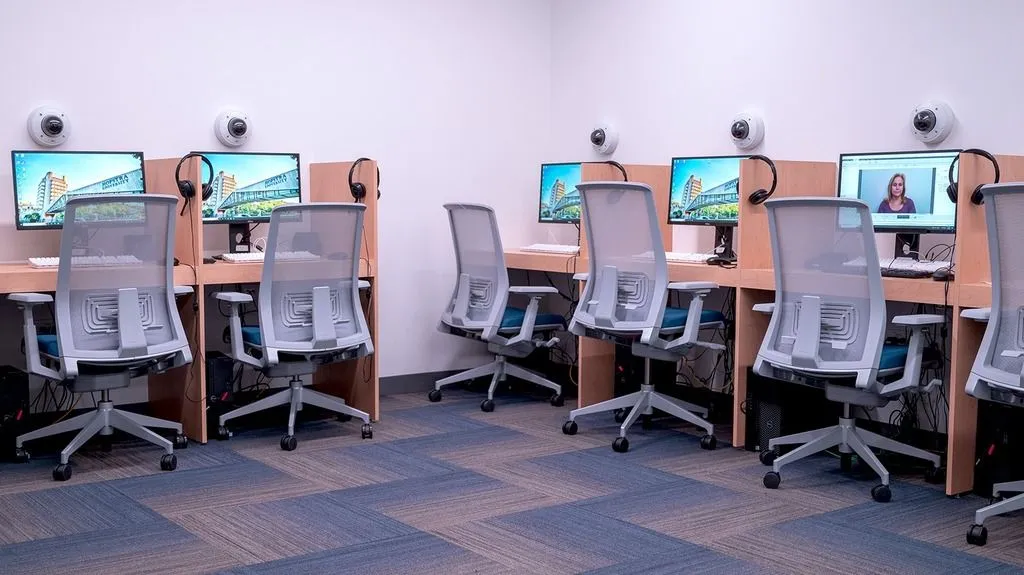
Understanding human behavior at Hofstra's Behavioral Research Lab
Discover how Hofstra University's Behavioral Research in Business Lab, directed by Dr. Anil Mathur, utilizes advanced methods like eye tracking and facial analysis to deepen insights into human behavior and business decision-making.
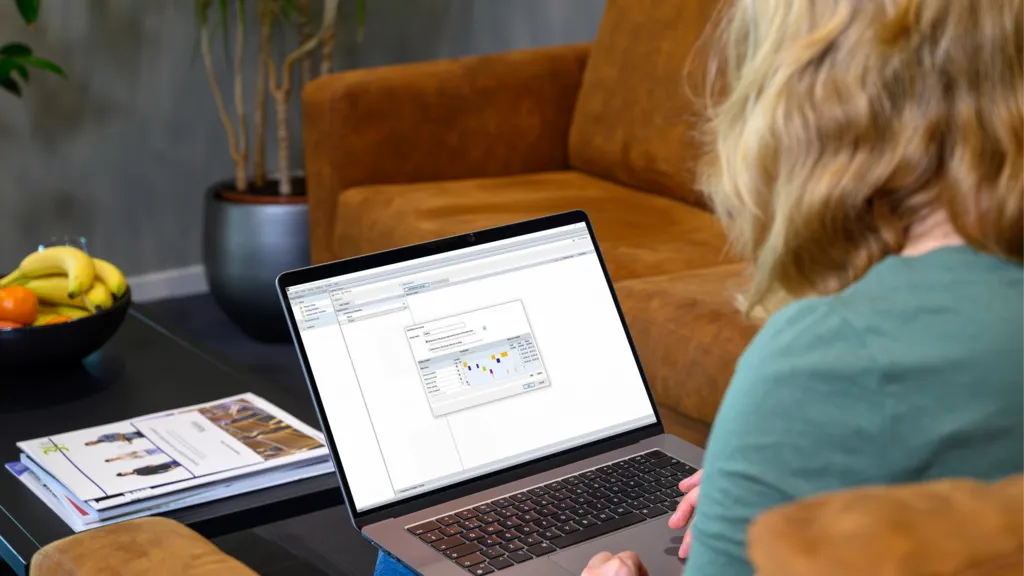
Why The Observer XT is the gold standard for behavioral research
In the ever-evolving field of behavioral research, having the right tools can make the difference between ordinary findings and groundbreaking insights.

Eating behaviors in childhood obesity
Is time spent looking at food related to eating behavior? Researcher Lundquist and her colleagues studied the relationship between delayed gratification and consumption of food.

Reducing eating pace: a behavioral intervention for childhood obesity
Studies on eating behavior play an important role in preventing childhood obesity. Faith and his team examined the effectiveness of a family-based behavioral intervention to reduce eating pace.

Language development and joint engagement in children with Down syndrome
In children with Down syndrome, delays in speech and language skills are common, while early social skills are relatively strong. How are these developmental milestones related?

Observing effective leadership and teamwork
How do organizations, leaders, teams, and employees work together to ensure efficient improvements and effective changes? The OBCC team combined video-based behavioral observations and physiological measures to examine this.
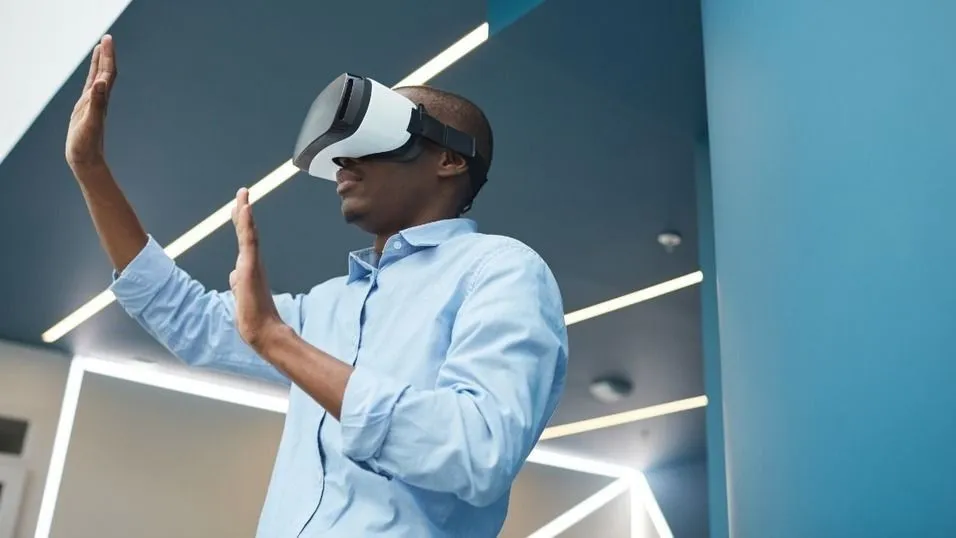
How students can learn through hands-on experience
In the field of engineering, practical experience is highly important. Students need to work with state-of-the-art equipment. However, often resources are limited. Might Virtual Reality (VR) provide a solution?

From start to finish: decreasing abandonment when self-designing a product
Research shows that we like to design your own products, but often abandon the process before we're done. Does it help to provide feedback, and if so, what type of feedback works best?

Design your own product: consumer experience and abandonment behavior
Researchers Krause and Franke studied how our experiences change while designing our own products. How do these experiences influence whether we finish a product or abandon the process?
Thank you!
We'll get back to you shortly.
Please correct the following errors:
Thank you for registering!
We look forward to seeing you at the NoldusViso launch event.
Please correct the following errors: