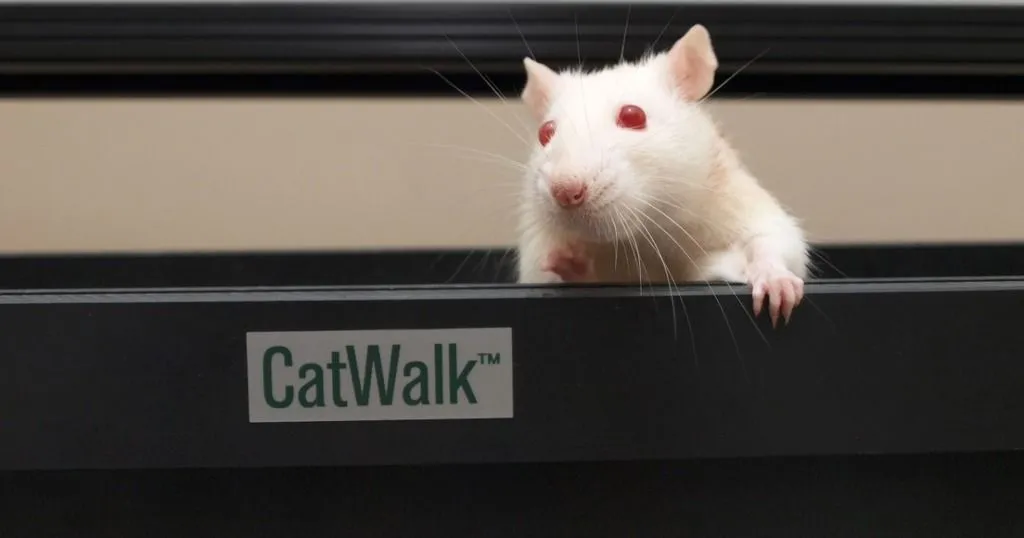
In a recent blog post, we talked about letting animals walk freely in gait research.
At Noldus, we strongly believe that this is the way to go in gait research, so our CatWalk XT system makes use of free gait. This is consistent with the constant feedback from, and collaborations with, scientists who actually perform gait, locomotor, or pain research.
Stress-less
Working with a closed-off, dark corridor like the CatWalk XT walkway has several advantages. It limits the amount of stress placed on the animal. Besides the obvious effect on the wellbeing of an animal, stress can also cause gait artifacts. The animal may freeze up or lose the desire to move at all. The straight corridor also guides the animal to walk in a straight line, which is beneficial for the footprint measurements.
Lights off please
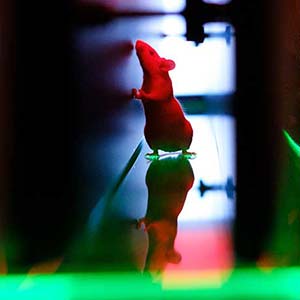
The dark environment inside the corridor provides the rats with a safe environment, mimicking the natural underground habitat of wild rats. They cannot see the red light in the ceiling that provides the background lighting that is used by the CatWalk XT software. (The CatWalk XT system uses the red ceiling light for body contour lighting, visible in the software and used to automatically classify footprints.)
Mates or food?
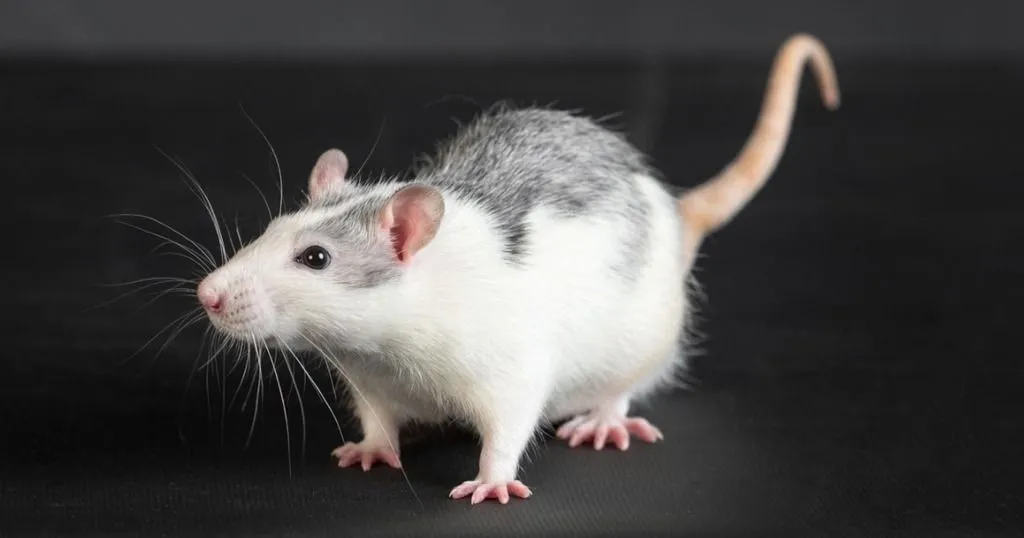
Generally, animals quickly learn to cross the corridor. Rats are especially good at this, says Kristina Ängeby Möller, researcher at Karolinska Institute. Although the rats do well crossing the corridor, a little motivation never hurts to get them to cross consistently. She gives some tips on how to positively motivate rats. Does food serve as a good motivator or do friends? You know rats are picky eaters…
Read more in this free white paper, courtesy of Kristina Ängeby Möller.
RESOURCES
Read more about CatWalk XT
Find out how CatWalk XT is used in a wide range of studies and how it can elevate your research!
-
check_circle
Free white papers and case studies
-
check_circle
Customer success stories
-
check_circle
Recent blog posts
Resources
arrow_forward