Blog Posts Tagged: zebrafish
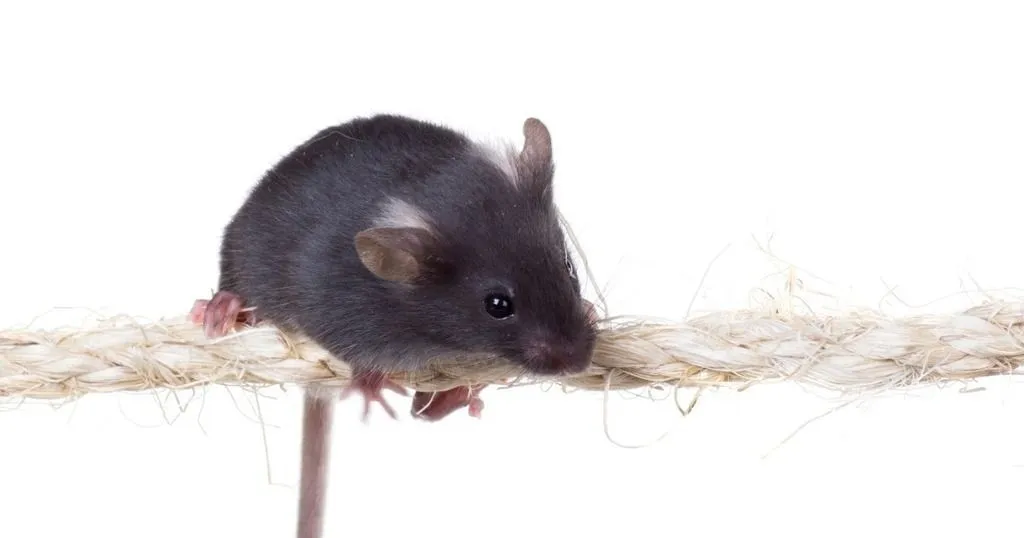
Homology and analogy in behavioral neuroscience
The point of this blog is to encourage you, as researchers, to ‘double think’, which is to say think like a scientist and think like an animal.
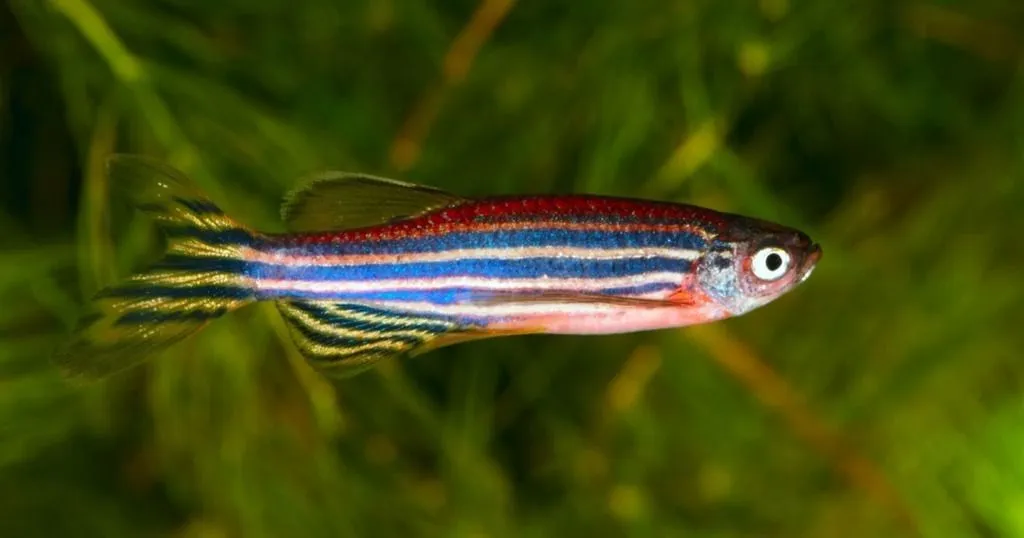
Toxicometabolism and behavior of zebrafish exposed to cannabinol
THC and CBD are well-know compounds of cannabis (Cannabis sativa), use for recreational purposes or health benefits. We have less knowledge of the effects of another active compound: CBN.
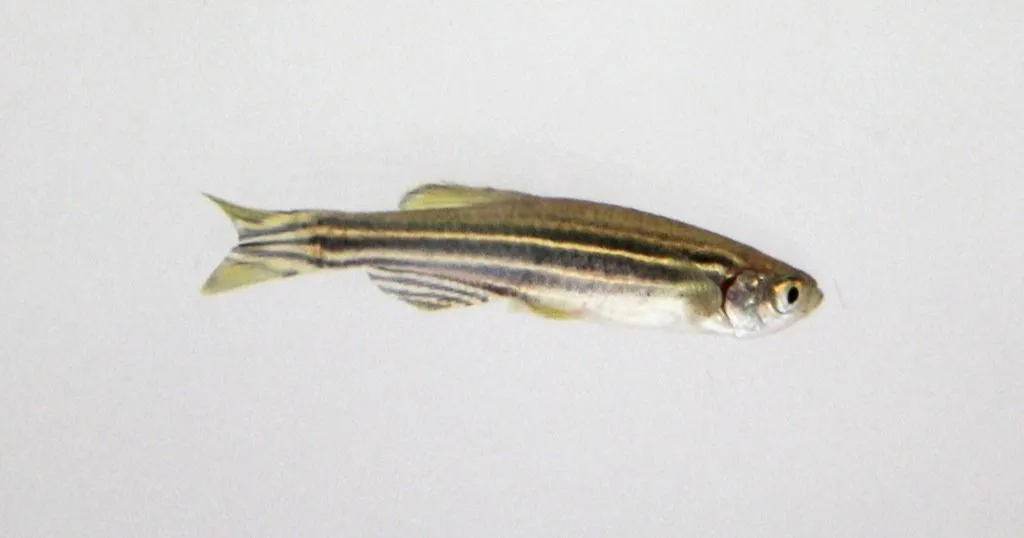
Zebrafish help us to understand neurodegenerative and neuromuscular diseases
Teresa Capriello and colleagues use zebrafish to study the neuronal mechanisms of heavy metals in connection to neurodegenerative and neuromuscular diseases.

The ultimate list of neuroscience lab software tools
Are you interested in starting a new lab, or perhaps in updating your current lab to its maximum potential? If so, this list of ultimate neuroscience software tools is the place to begin.
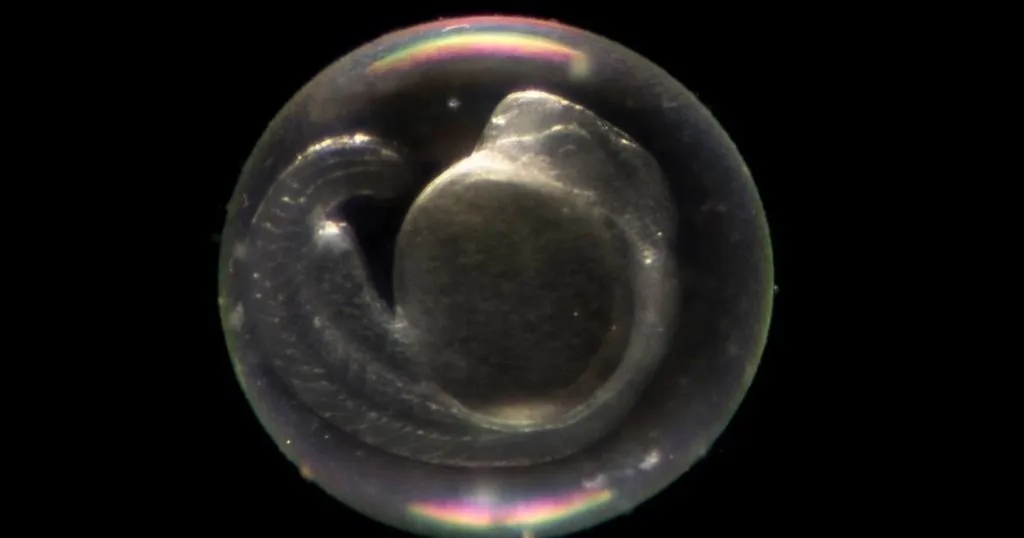
A new zebrafish model for ALS-related gene mutations
How zebrafish are helping us to discover the mechanisms behind this neurodegenerative disease.
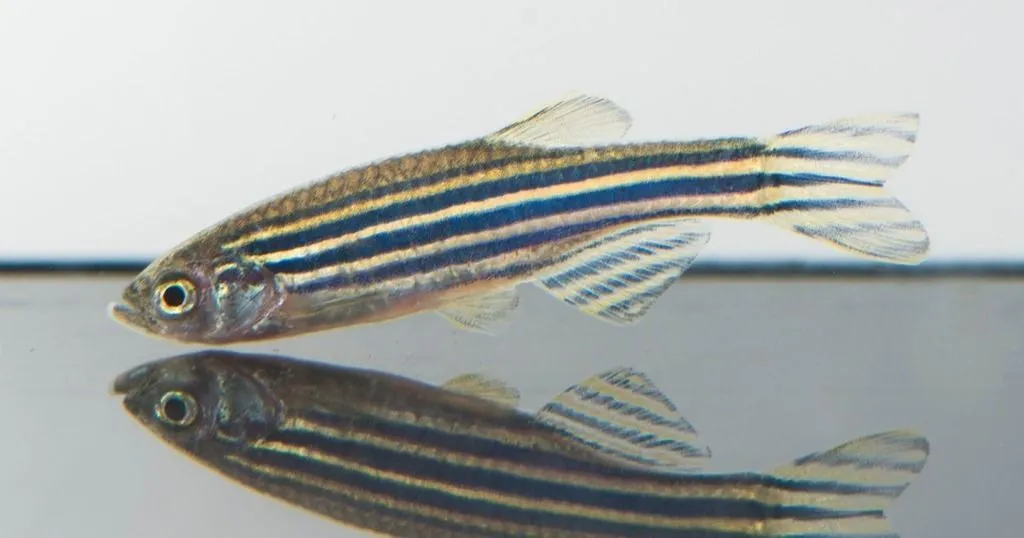
Knockout of Down syndrome gene in zebrafish leads to autistic-like behaviors
Knockout of Down syndrome gene in zebrafish leads to autistic-like behaviors: Though earlier knockout models in mice failed, researchers have developed a successful zebrafish model.
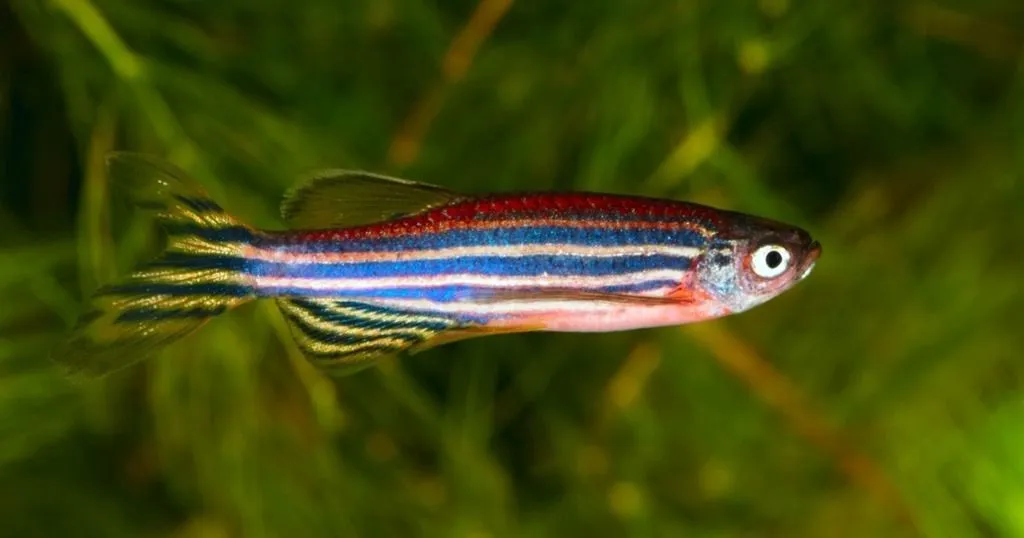
Putative neurorestorative drug for Parkinson’s disease tested in zebrafish
About zebrafish and their important role in finding a cure for Parkinson’s disease.
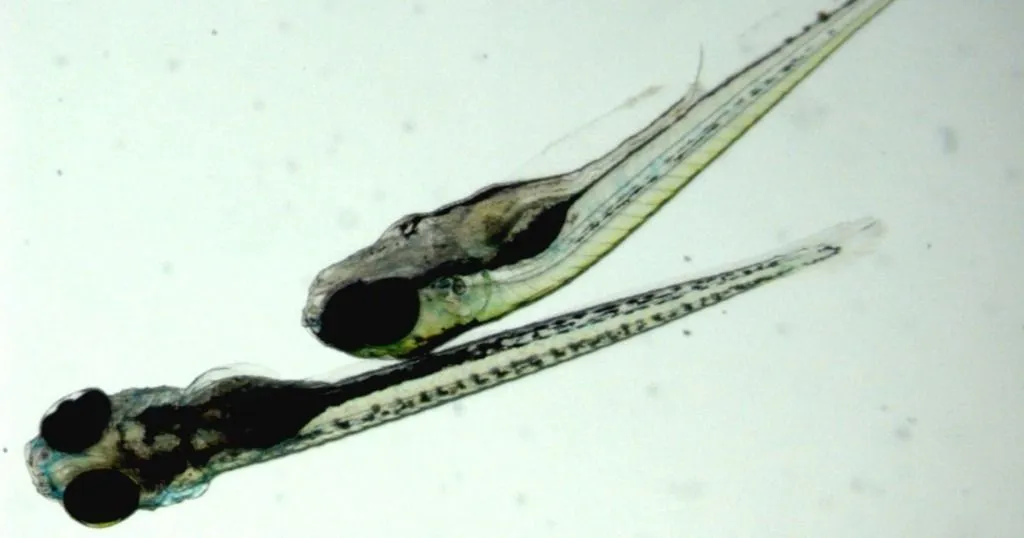
Strain differences in zebrafish behavior and physiology
A zebrafish is not just a zebrafish. Strain differences in zebrafish behavior and physiology.

How innovative solutions advance your behavioral research
Good behavioral research requires good methods, and good tools. Three Noldus customer stories display how innovative solutions have advanced their behavioral research.
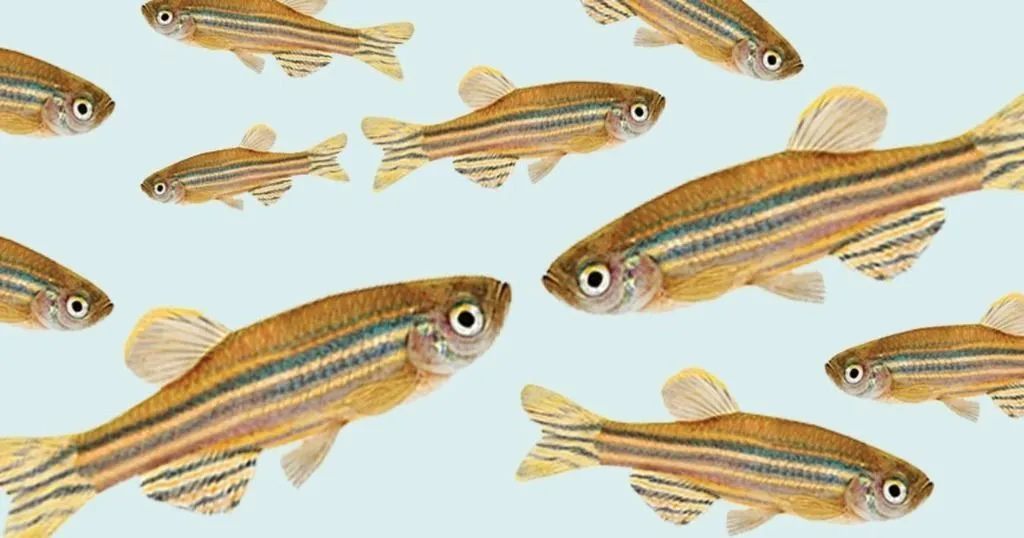
Social buffering in zebrafish
Shared sorrow is half a sorrow, according to the old proverb. New research indicates that social support is not only important for us humans, but also for zebrafish!
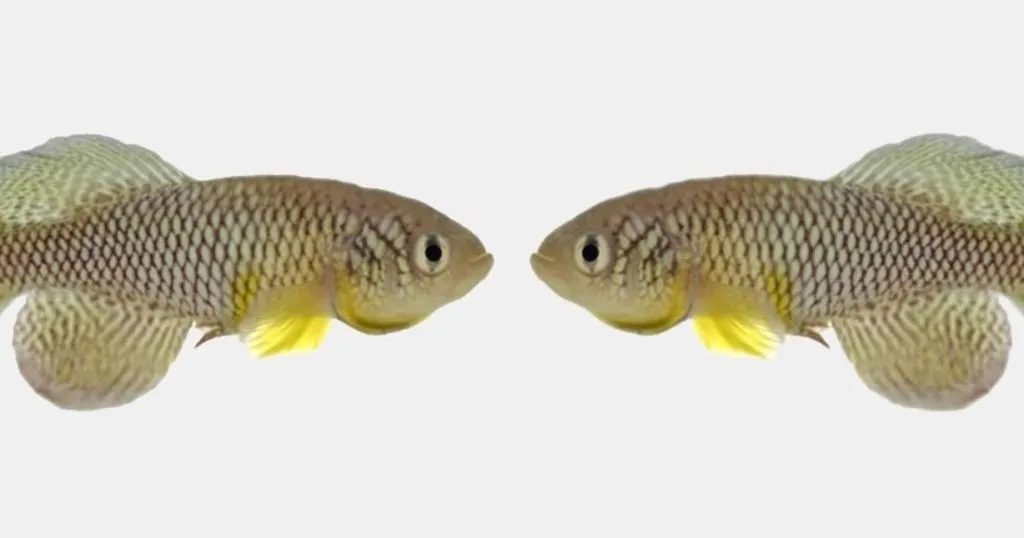
Fish live longer and are more active after eating “young poo”
Have you got the guts for it? Well, I hope you at least have the gut bacteria for it.
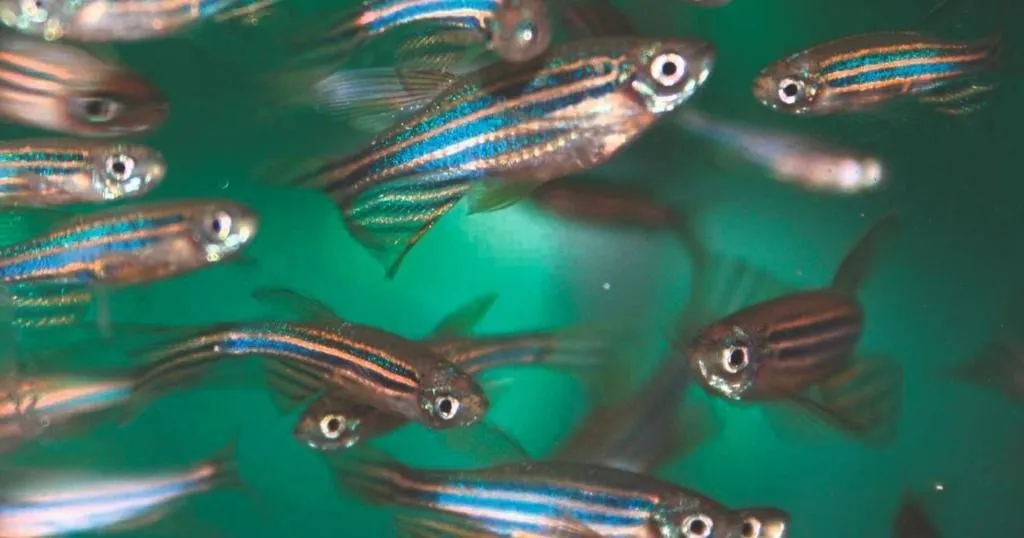
Isolated and stressed zebrafish as a model for major depression
Depression: a fifth (!) of us cope with it, making it the most prevalent psychiatric disorder. Prof. Gerlai recently investigated the interaction between mild stress and developmental isolation in zebrafish models.
Thank you!
We'll get back to you shortly.
Please correct the following errors:
Thank you for registering!
We look forward to seeing you at the NoldusViso launch event.
Please correct the following errors: