Behavioral Research Blog
Insights, research, and innovations in human and animal behavior research

For Pete’s Sake: Measuring Frustration
Within the field of human factors and usability, frustration poses an interesting challenge. It can be a barrier for learning. So how can we measure frustration in order to minimize it?
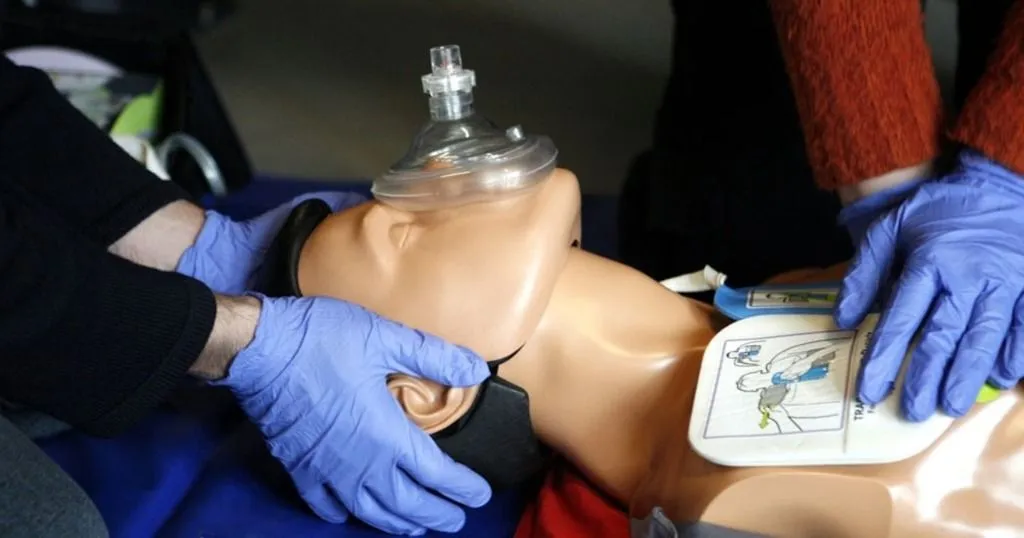
Evaluating ergonomics in healthcare – paramedics
The chance that a paramedic suffers an injury is 3x higher than other occupations. Because of the global health worker shortage, we need to make sure these professionals are taken care of.

Neuromarketing: hope or hype?
The application of neuroscience methods to marketing – neuromarketing research – is growing in popularity. Can neuroscience be the holy grail of the study of consumer behavior?

Parenting behaviors and executive function in Down syndrome
Understanding more about developmental delays in Down syndrome is vital in developing targeted interventions. In this study, the relationship between parenting behaviors and executive function was examined.

Direct observations help develop effective interventions in adolescence
Presenting a study in which family and friendship dynamics in adolescence were observed in order to develop more personalized interventions that prevent problem behaviors and adjustment issues.

Useful consumer neuroscience tools
Marketers track consumer behavior and try to understand it by learning more about the magic buy button.

The role of inhibitory control on substance use in adolescence
Adolescents are vulnerable to risk-taking behaviors such as substance use. Dr. Roy Otten and his team examined how early childhood stress and inhibitory control influence the risk of adolescent substance use.

Studying conflict interactions between mothers and adolescents
It is common for conflicts to arise between adolescents and their parents. However, severe conflicts can have negative effects on adolescent development. What can parents do to prevent escalating conflicts?

Early exploratory behavior in infants with Down syndrome
Object exploration is part of infants’ early development. How do infants with Down syndrome explore the world around them? And how is exploratory behavior related to their general development?
Cognitive neuroscience: Emotions
In my previous blog post, I shared some of the basics of cognitive neuroscience. In this blog post, we will zoom into a more specific part of cognitive neuroscience: emotions.

Machine learning and object detection
Humans are incredibly good at recognizing patterns. Now computers can do it as well, and that can be useful. Read more about machine learning and object detection.
Decreased learning abilities in diabetic rats: Silymarin to the rescue
Silymarin is a substance that works as an antioxidant, is anti-inflammatory and increases BDNF levels. After supplementing silymarin to diabetic rats, typical diabetes symptoms were greatly improved.
Thank you!
We'll get back to you shortly.
Please correct the following errors:
Thank you for registering!
We look forward to seeing you at the NoldusViso launch event.
Please correct the following errors: