Behavioral Research Blog
Insights, research, and innovations in human and animal behavior research

4 recent blog posts about understanding autism spectrum disorder
Our understanding of autism spectrum disorder (ASD) has developed a great deal over recent years, but there is still much work to be done.
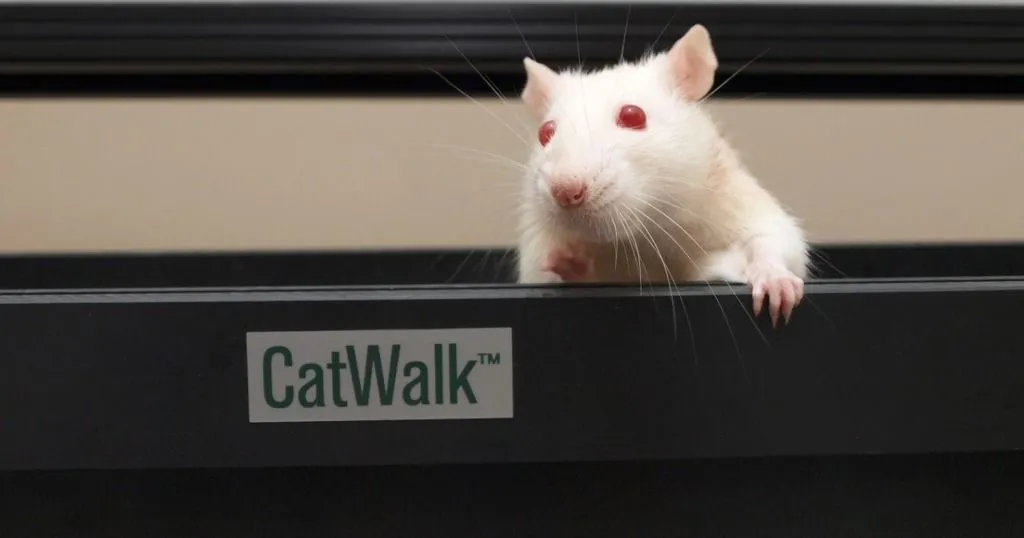
Assessing motor outcome in rats with peripheral nerve injury
At LBI Trauma, CatWalk XT is one of the most important tools to evaluate functional recovery in different animal models. Read more about what they found to be key factors when studying motor performance in rats with femoral nerve injury.

Four ways to study visitor behavior
Museums, zoos, theme parks, and aquariums all observe the behavior of their visitors in order to find the best ways to entertain and educate.
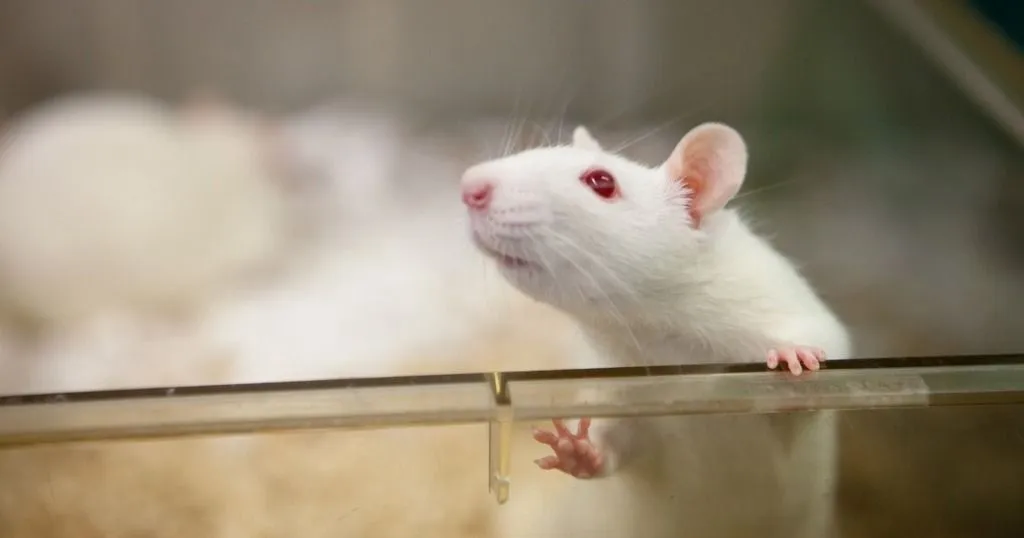
Antidepressants during pregnancy: effects on offspring social behavior
Many depressed women struggle with this: can I use antidepressants during pregnancy? The lab of Jocelien Olivier studies the effects of SSRI's on offspring behavior in an animal model.
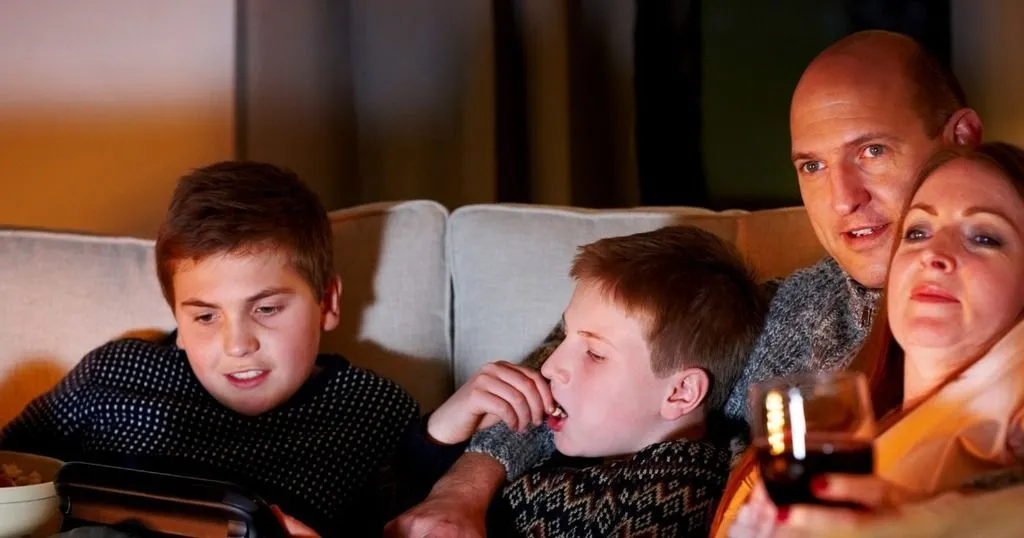
Consumer behavior research in the spotlight: consumption behavior
Why do we drink less when watching gut-wrenching movies? How does exposure to moral violations influence consumption?

How bank voles take the future into account
Bank voles are often exposed to predator odor and alarm pheromones. This perceived predation risk may cause cross-generational behavior changes, which seem to be context-dependent on their in utero exposure.

A coding scheme to capture interactive behaviors during triadic consultations
The research team of Yuan developed and refined a coding scheme which can serve as a tool to identify specific triadic communicative strategies that are effective in improving children’s engagement and reducing distress.

Working from home strategies
In the midst of an unprecedented global pandemic, many people find themselves in a particularly novel situation in the coming days and weeks: working from home.
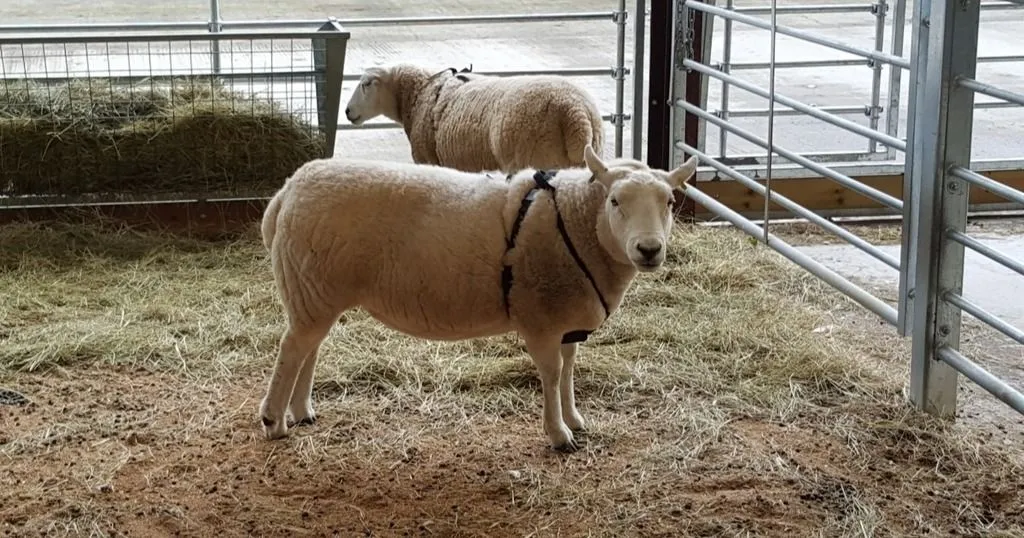
Livestock Research: Tracking sheep to learn their behavior
We recently installed TrackLab at Aberystwyth University in Wales, UK, for the tracking and detailed analysis of the spatial behavior of sheep.
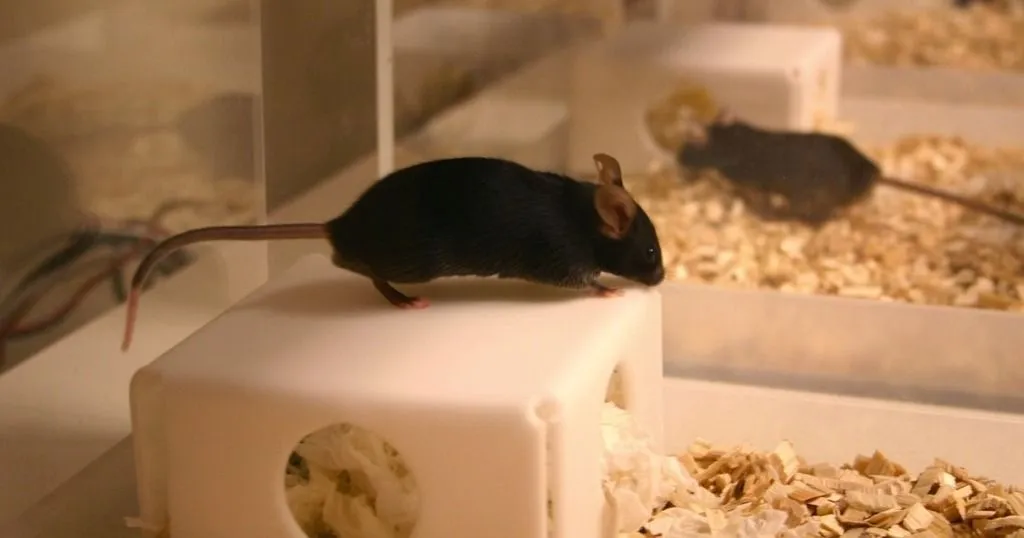
Non-invasive home cage testing of epilepsy in mice
Epilepsy is more than seizures; behavioral changes that occur in between seizures are rarely assessed. A new home cage study from the Baylor College of Medicine aims to change this.

Traumatic Brain Injury: effects on the brain and motor coordination
Do you think of wearing a helmet while skiing, cycling or horseback riding? Read more about how the brain is affected after the head injury and how you can examine locomotion in a mouse model with TBI.

Saying Ouch Without Saying It: Measuring Painful Faces
What happens when we’re in pain, real physical pain, but we cannot tell someone where or how badly it hurts? We can look at the facial expression!
Thank you!
We'll get back to you shortly.
Please correct the following errors:
Thank you for registering!
We look forward to seeing you at the NoldusViso launch event.
Please correct the following errors: