Behavioral Research Blog
Insights, research, and innovations in human and animal behavior research
Cognitive neuroscience: Emotions
In my previous blog post, I shared some of the basics of cognitive neuroscience. In this blog post, we will zoom into a more specific part of cognitive neuroscience: emotions.

Machine learning and object detection
Humans are incredibly good at recognizing patterns. Now computers can do it as well, and that can be useful. Read more about machine learning and object detection.
Decreased learning abilities in diabetic rats: Silymarin to the rescue
Silymarin is a substance that works as an antioxidant, is anti-inflammatory and increases BDNF levels. After supplementing silymarin to diabetic rats, typical diabetes symptoms were greatly improved.
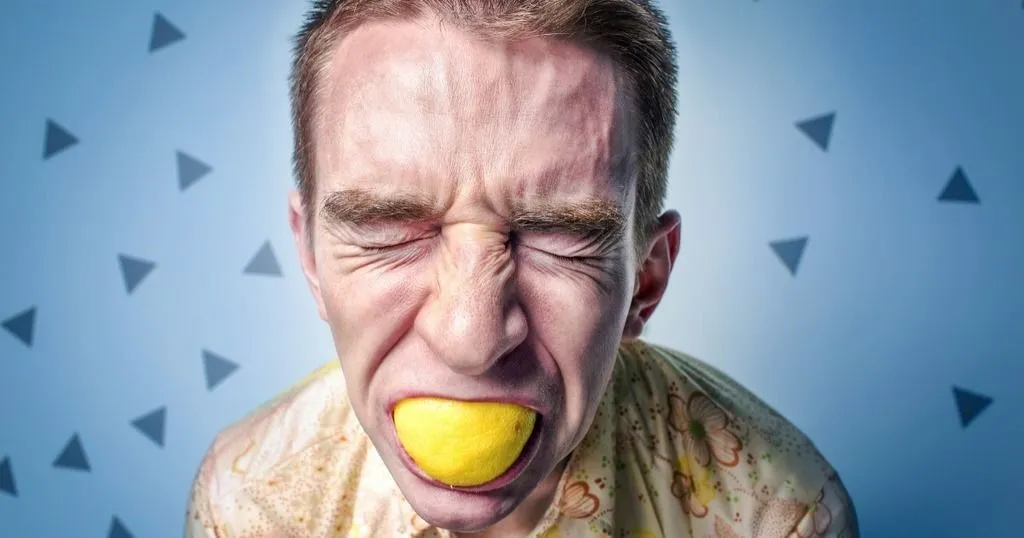
Consumers' food choices and emotions
Is there a relationship between food choice and a person’s mood? Bartkiene et al. examined the factors that influence our food choice, using facial expression analysis.

SUKIPANI: The magic word for making a smile
The SUKIPANI smile is an exercise to train the muscles you use while smiling. Dr. Sugahara explains the effect of the movements of the muscles and uses FaceReader to analyze the smiles.

Improving patient safety
We all agree that communication in the operating room is essential. It saves time and ensures a better quality of patient care. Using the WHO Surgical Safety Checklist supports this. How can we learn to use this checklist?
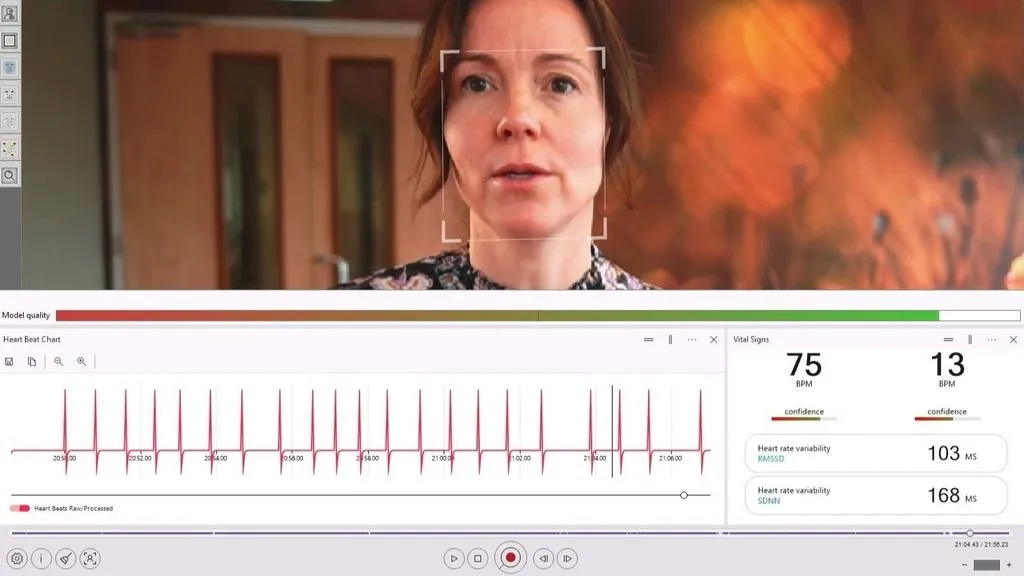
What is RPPG?
Nowadays, measuring heart rate and heart rate variability can be done remotely, without all kinds of devices being attached to the test participant, using remote photoplethysmography (RPPG). What is RPPG and how does it work?

Can caffeine prevent Alzheimer's?
What is the most popular drug in the world? It’s not alcohol, cannabis, or cocaine, but something most of us start with each day. Coffee; or, more specifically: caffeine.
Measuring the user experience of tube feeding
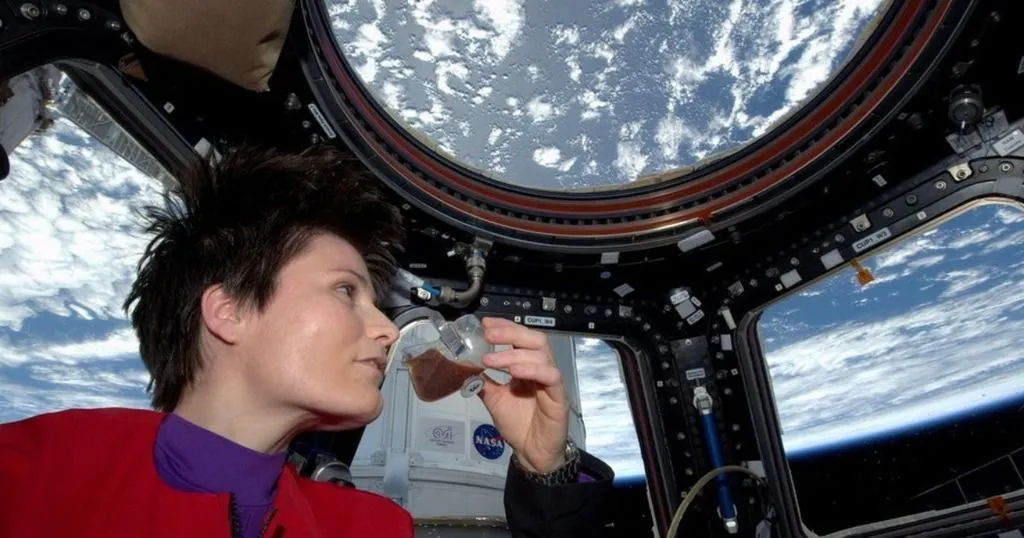
Tube feeding has had a fascinating history, but there is still scope for innovation. Noldus will develop a system to measure its users' experience in the FoodFriend project.

Depressed with a failing reward system: social stress disrupts brain waves
Chronic social stress has a huge impact on well-being. Gamma oscillations have been found to be an electrophysiological link between social stress and reward processing.

Working memory and emotion regulation in children with ADHD
How can we understand emotional reactivity in children with ADHD? In the current study, Tarle and her colleagues examined the relation between emotion regulation and working memory in children with and without this disorder.

Emotional responses to infant crying
Hearing an infant cry can cause negative emotions, which can impact the way we respond. Researchers Riem and Karreman instructed parents to apply specific emotion regulation strategies in response to infant crying.
Thank you!
We'll get back to you shortly.
Please correct the following errors:
Thank you for registering!
We look forward to seeing you at the NoldusViso launch event.
Please correct the following errors: