Behavioral Research Blog
Insights, research, and innovations in human and animal behavior research
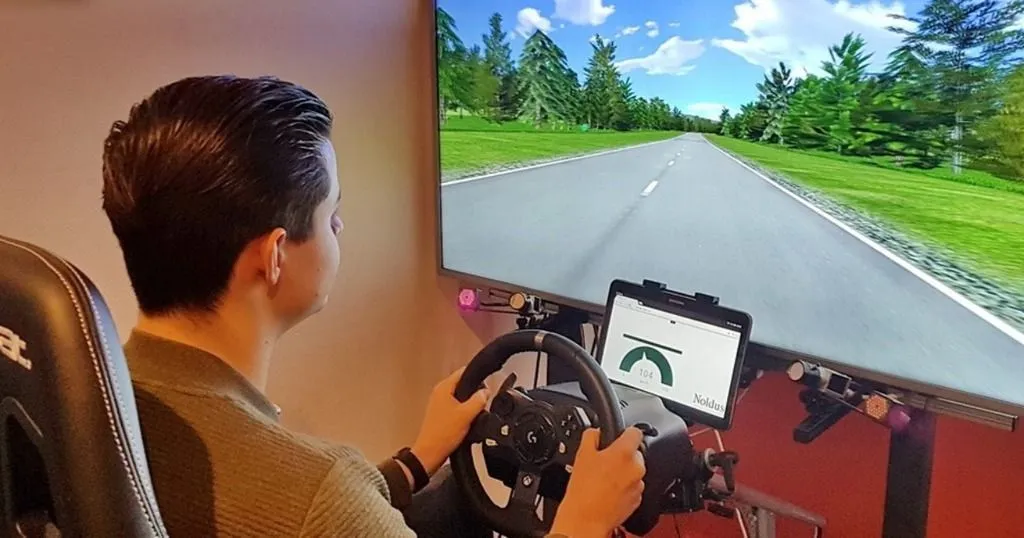
Hemineglect - and how to study recovery from it
Hemineglect is a condition caused by strokes or brain damage in which part of the sensory inputs to the brain are ignored and it is as if that part of the world which is sensed doesn't even exist.

Two examples of on-site observational studies with older persons
In certain cases, observations for your study are best performed on-site. In this blog, we describe examples of observational studies with older age groups, conducted at home or at a healthcare facility.
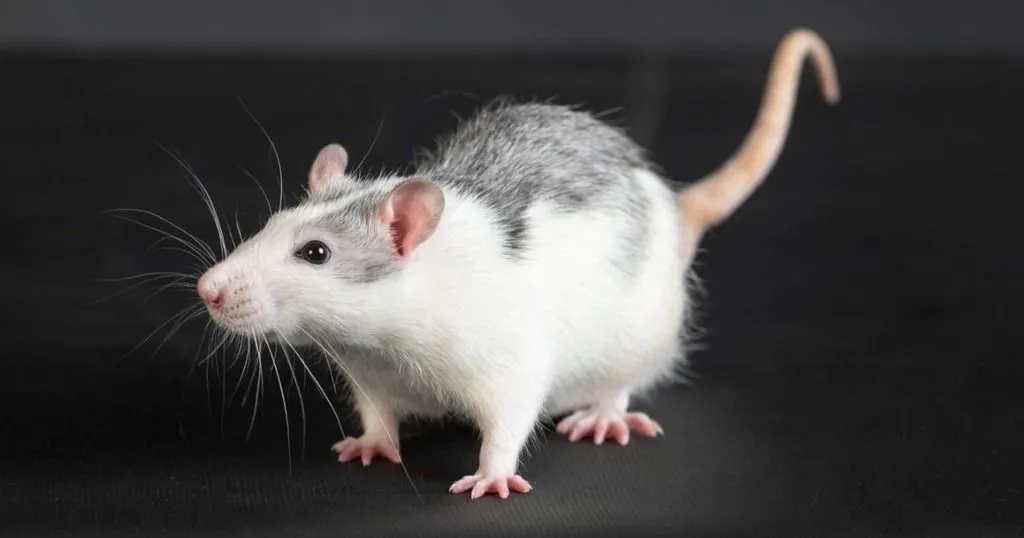
How to best assess pain-related behaviors in preclinical studies
Most humans can tell you they’re in pain. However, assessing pain sensitivity in rodents during preclinical studies is a challenge.

The effects of negative campaigning on emotions
Do people display different emotions when they watch a commercial with or without negative campaigns? Sabine Dennert shares her findings in this guest blog post.

ChickenStress project
The abolition of battery farming has improved chicken welfare, but there are still problems like feather pecking. In the ChickenStress project, we will try to understand better how to reduce stress and improve welfare.
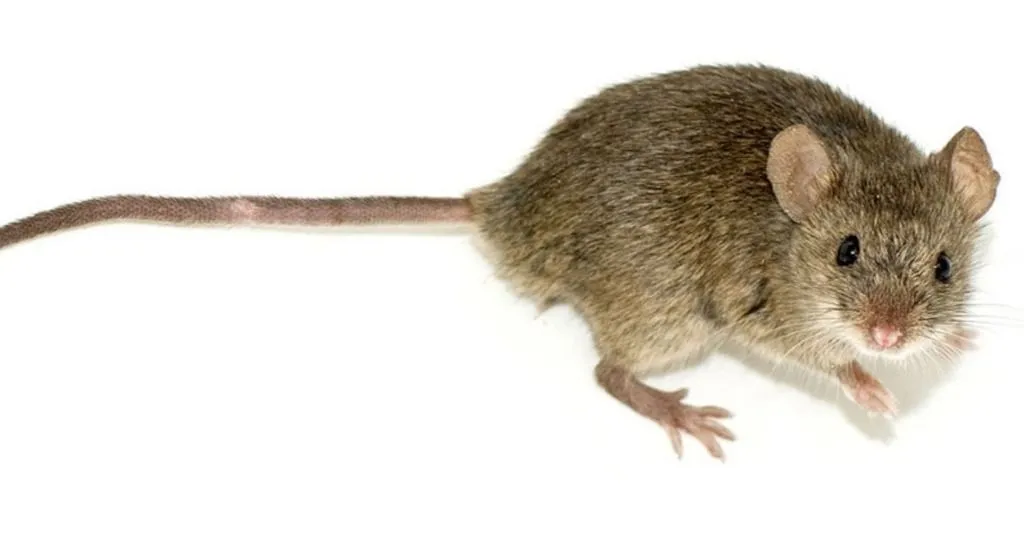
How mice regain their memory: Betaine against Alzheimer’s Disease
As a potential Alzheimer medicine, betaine was tested on an AD animal model in a novel object recognition test. Using video tracking, scientists studied the influence of betaine and betaine transporter on mouse memory.

What does an infant’s gaze tell us about how hungry they feel?
McNally and her colleagues developed a coding scheme to observe infant gaze behavior and applied it in a study of complementary feeding.
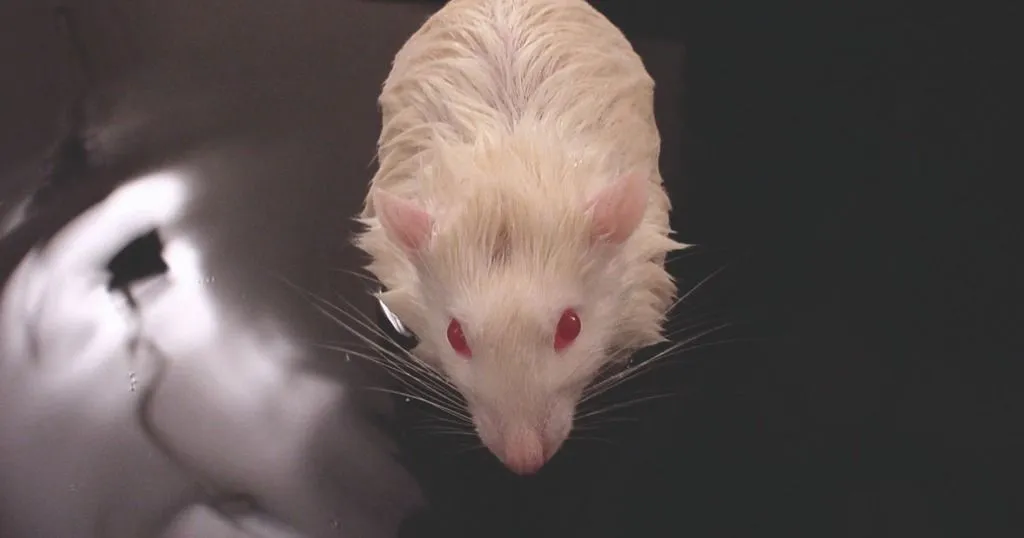
Diazepam in the battle against Alzheimer’s
Scientists have found out that a low dose of the tranquilizer diazepam reduces the breakdown of neurons, seen in the development of Alzheimer’s disease.

Assessing gait in a mouse model for Leigh Syndrome
There is an unmet medical need to develop clinical effective treatments for Leigh Syndrome and other mitochondrial diseases. Today, Dr. de Haas shares some of her research insights.

How do children interact with their older autistic siblings?
In celebration of World Autism Awareness Day, this blog post focuses on the social interactions between children and their older autistic siblings.

Serious gaming reduces anxiety in children
What is the effectiveness of the applied game called MindLight in teaching children how to cope with anxiety? Wols et al. investigated this game-based intervention.
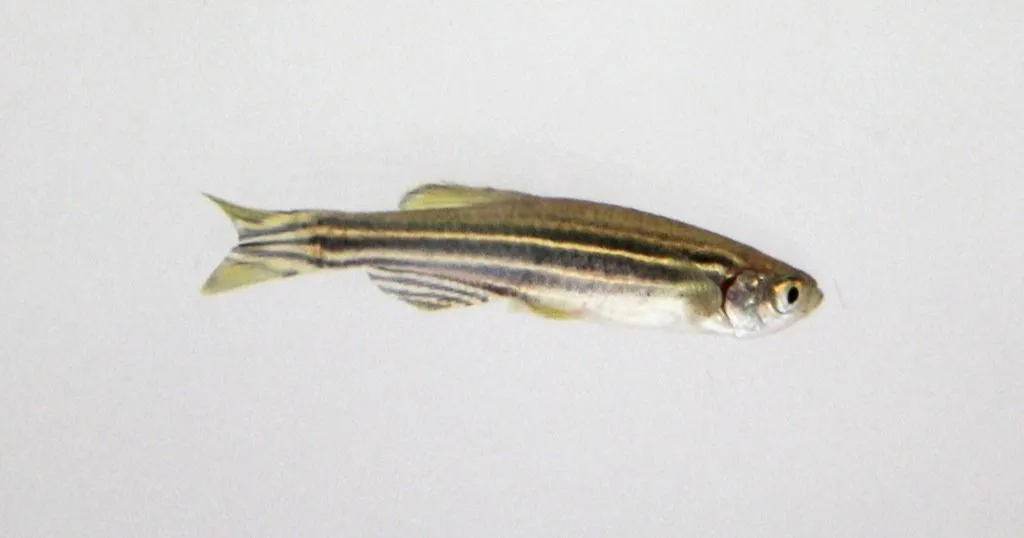
Zebrafish help us to understand neurodegenerative and neuromuscular diseases
Teresa Capriello and colleagues use zebrafish to study the neuronal mechanisms of heavy metals in connection to neurodegenerative and neuromuscular diseases.
Thank you!
We'll get back to you shortly.
Please correct the following errors:
Thank you for registering!
We look forward to seeing you at the NoldusViso launch event.
Please correct the following errors: