Behavioral Research Blog
Insights, research, and innovations in human and animal behavior research
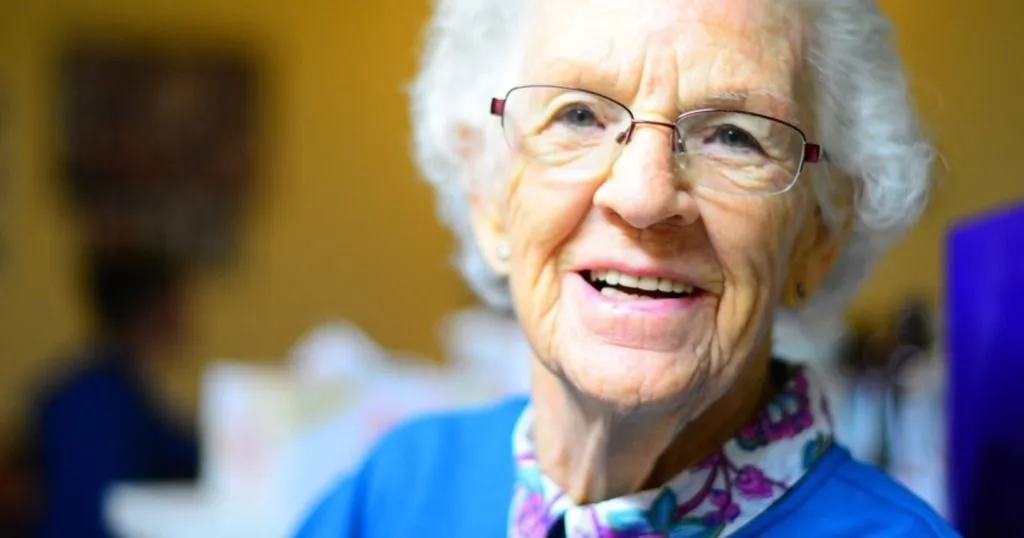
In home study of older persons
Older people are healthier these days and like to live in their own homes as long as possible. As a result, the need for home care services is increasing.
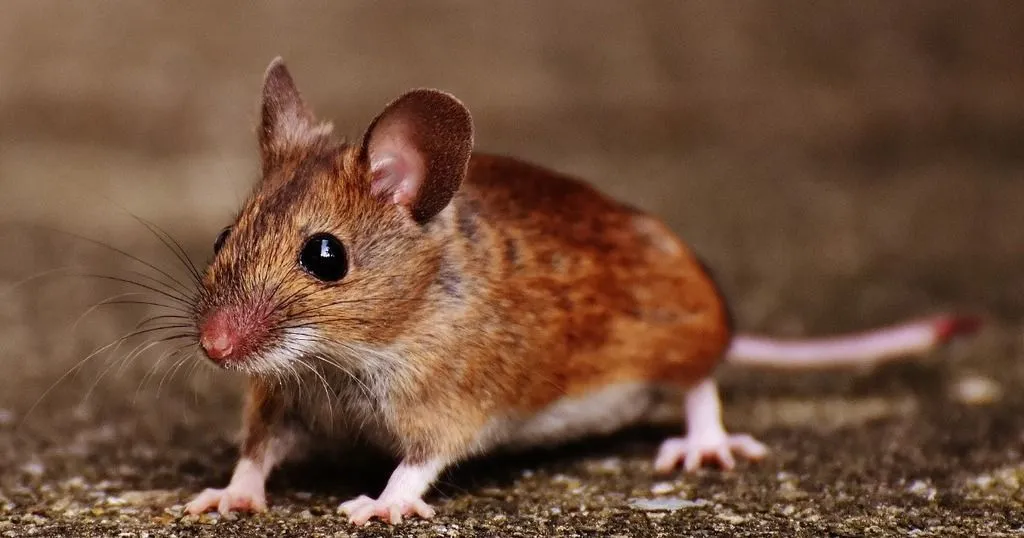
Why it doesn’t seem fair to prefer male mice in behavioral studies
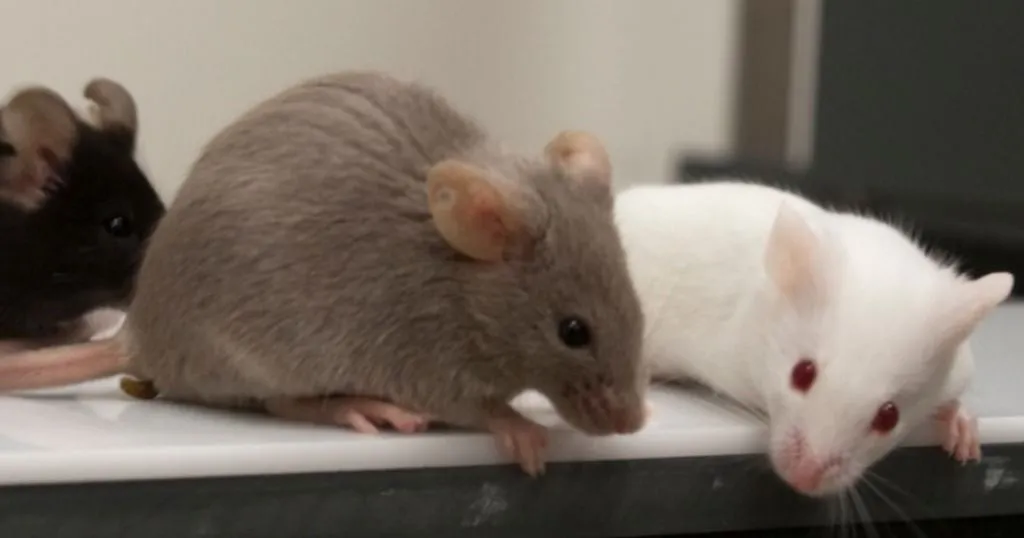
Is it justified to use male mice only in behavioral studies, as many diseases affect men and women differently? This might be the most important argument to favor including female mice in certain studies.
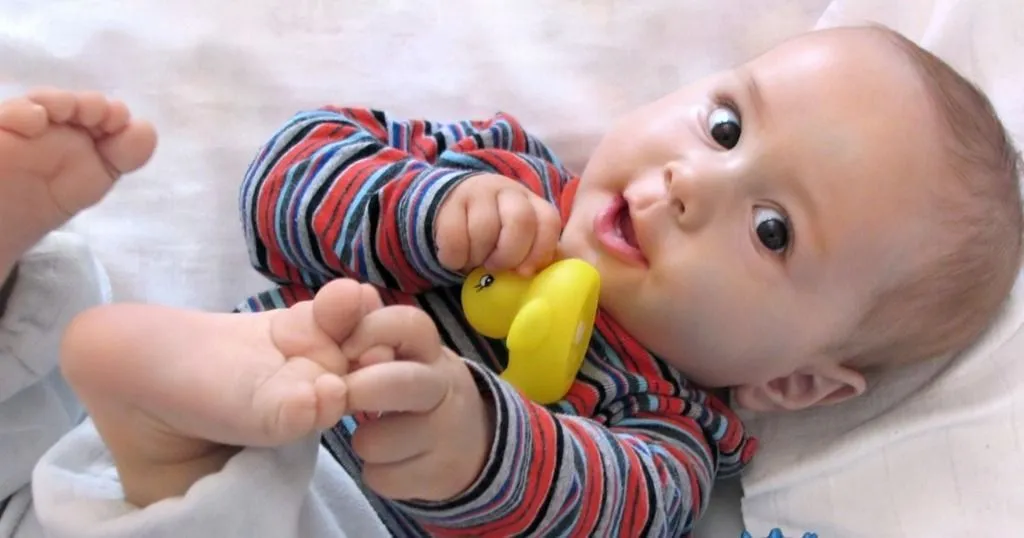
The response of oxytocin to mother-infant interaction
Researcher Rebecca Knapp was interested to know whether infant eye gaze away from the mother, or eye gaze directed to the mother, would correspond to increased maternal oxytocin. Read her blog post to learn more.
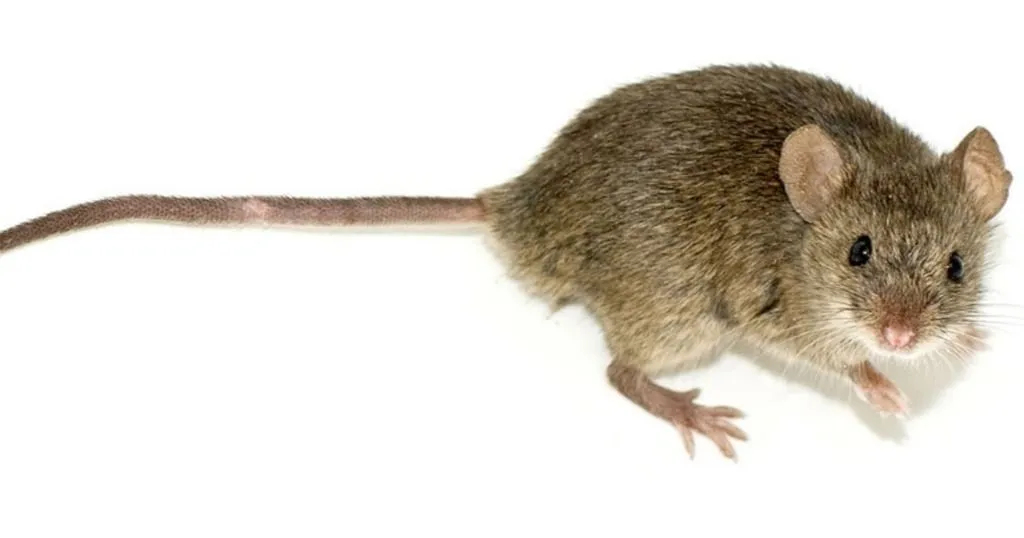
IR backlight in rodent behavioral testing
How do mice act in complete darkness? Ann-Kristina Fritz and her colleagues ordered a large, round open field with IR backlight, custom made by Noldus, to investigate.
The emotions of people who think they’re nice
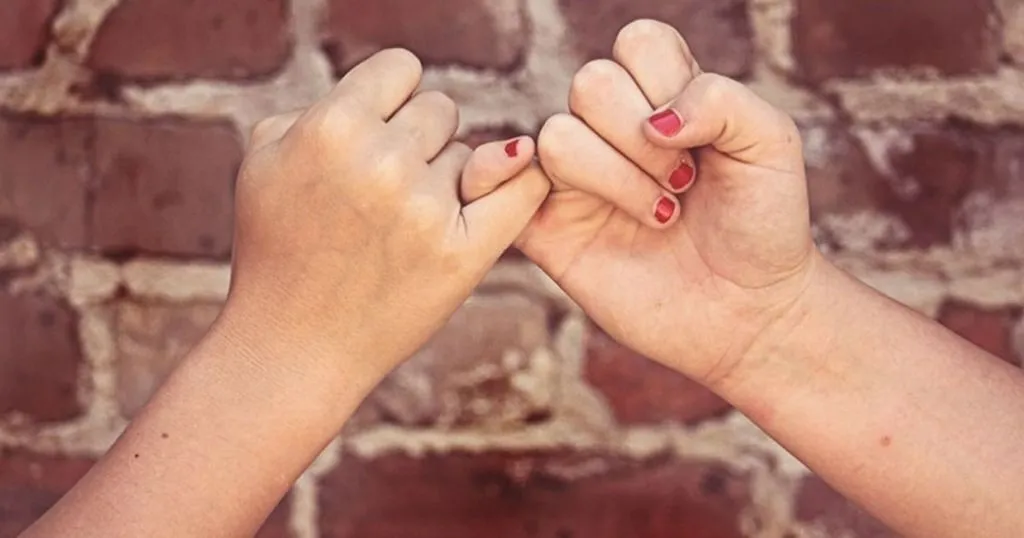
What does ‘nice’ actually mean in relation to psychological variables? And does it positively correlate with self-reported levels of health, happiness, and wellbeing?

Emotions distract people with eating disorders
Studies show that people with anorexia nervosa have reduced facial expressivity of emotions while viewing emotionally provoking stimuli. Researcher Leppanen and her team used FaceReader to investigate this.

Brain & behavior: data integration in horse studies
EEG recordings – they produce useful data, but are not always easy to obtain in animal studies. You can’t really ask a horse to sit still, so these researchers invented a promising new system for EEG recording.

Behavioral tests to select police horses
The personality of police horses influences how well they do in their ‘job’. That’s why personality tests are important for both animal and human welfare and safety.

Interview skills training for adolescents with language disorder examined
The study of Mathrick and colleagues evaluated an interview skills training package targeting both verbal and non-verbal skills for adolescents with severe and persistent Language Disorders.
Gait recovery and other effects: treatment of cervical myelopathy
At the Dr. Michael Fehlings' lab, they are on a quest to find out what exactly causes the lower success rate of delayed surgery in cervical myelopathy.
The impact of sounds on autistic children’s behaviors
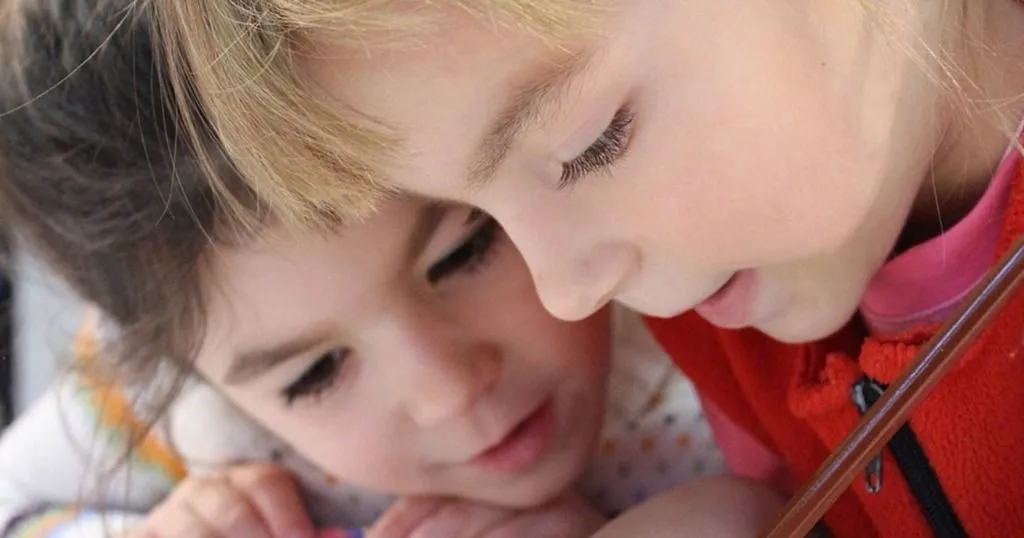
Children with autism can have trouble dealing with external distractions. Researcher Shireen Kanakri conducted a study to observe the impact of the acoustic environment on restrictive and repetitive behaviors.
Video tracking makes bird watching much easier
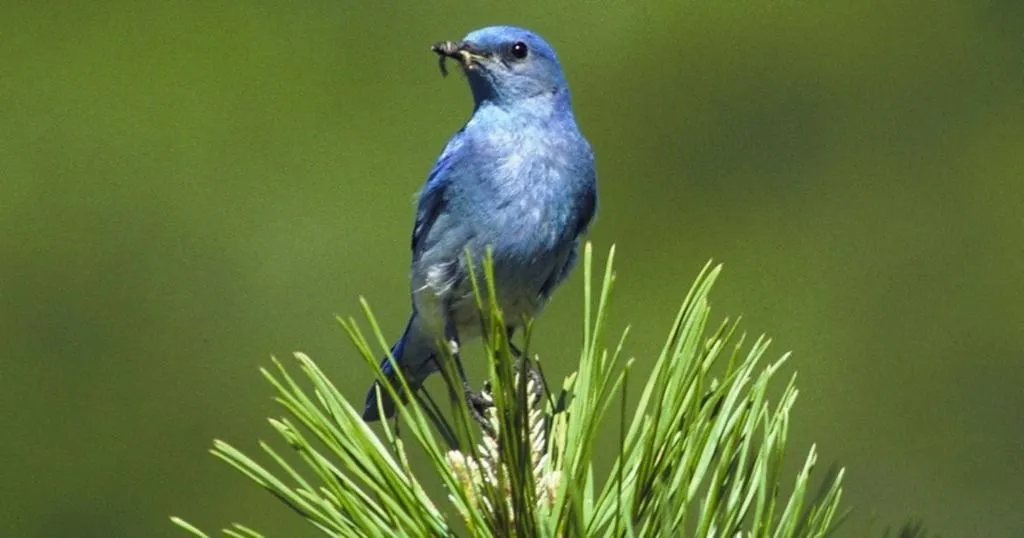
Everyone with children knows the phenomenon that what is good for a child is not always the best for a parent. The same counts for birds.
Thank you!
We'll get back to you shortly.
Please correct the following errors:
Thank you for registering!
We look forward to seeing you at the NoldusViso launch event.
Please correct the following errors: