Behavioral Research Blog
Insights, research, and innovations in human and animal behavior research

How to study communication in young children
If you are born profoundly deaf, it is very likely that modern technology in the form of cochlear implants can improve your hearing.

Buying a travel pillow: do our experiences make our expectations come true?
During a long flight, it is often tempting to take a nap in the airplane seat. Which travel pillow offers you the most comfort for this?
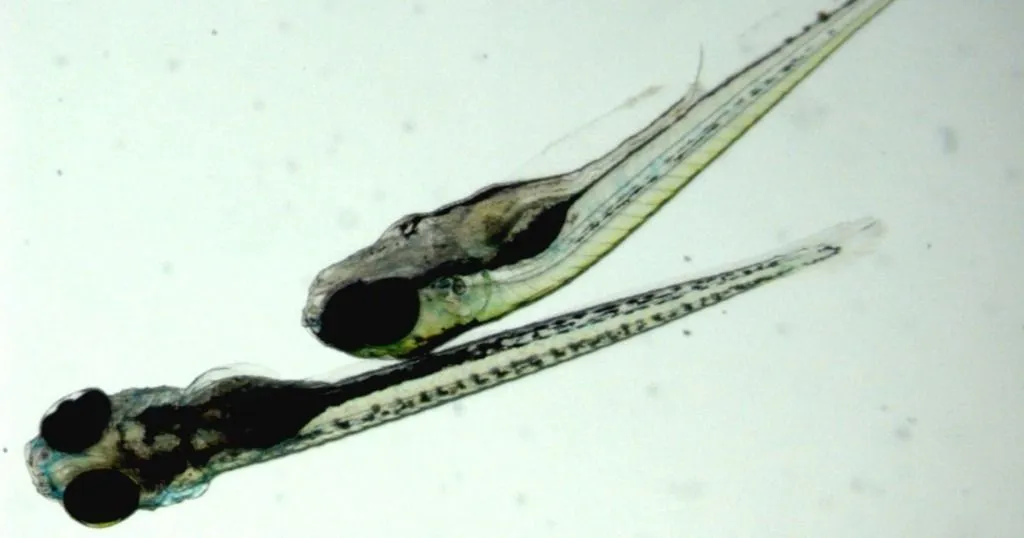
Strain differences in zebrafish behavior and physiology
A zebrafish is not just a zebrafish. Strain differences in zebrafish behavior and physiology.
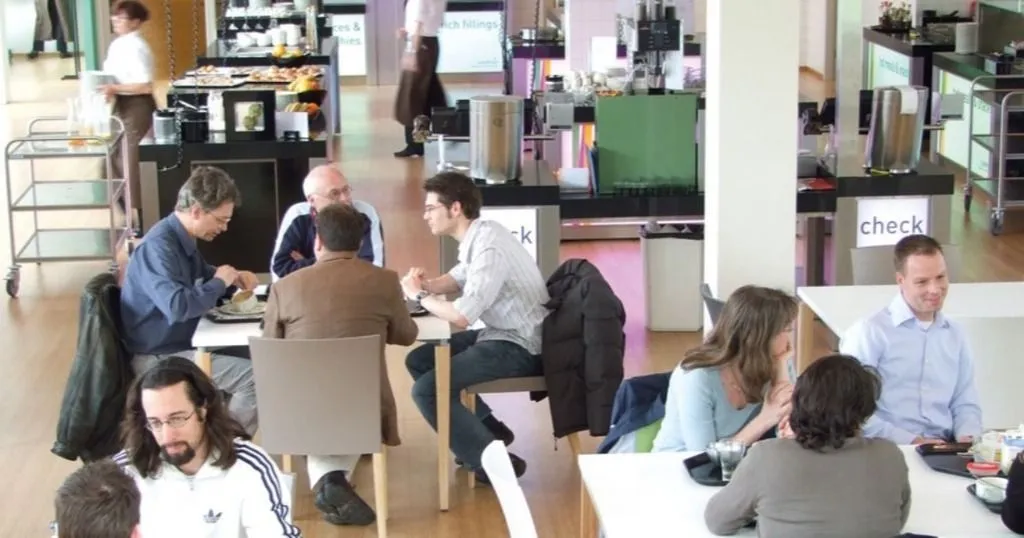
How innovative solutions advance your behavioral research
Good behavioral research requires good methods, and good tools. Three Noldus customer stories display how innovative solutions have advanced their behavioral research.

Tracking chickens: A promising approach for identifying feather-peckers
Manually observing chickens in barns is a tedious job to which ultra-wideband tracking offers a solution. But does it interfere with normal behavior?

How oncologists’ communication impacts patients’ information recall
In her study, Visser focuses on one of the possible mechanisms that may underlie limited information recall in patients: the relationship between emotional stress and memory performance.
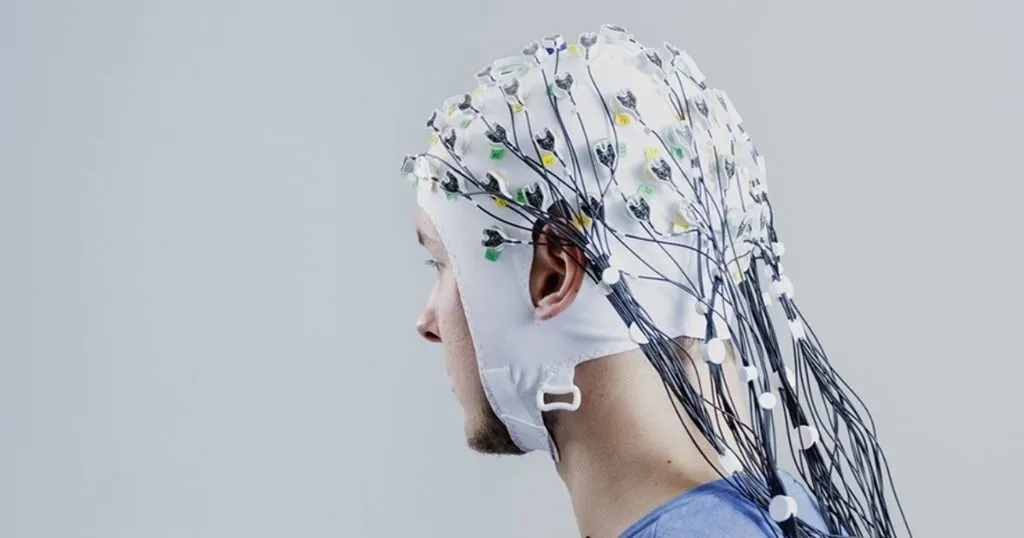
Understanding face perception in ASD
Researchers at KU Leuven want to gain more insight into whether or not there are differences in the implicit abilities of children with ASD to detect faces, different identities, and different expressions.

3 Emotional studies with FaceReader
Many researchers have discovered FaceReader as a tool for their research. These 3 recent studies with FaceReader show how emotion data helps you to better understand human-human, human-machine, and human-product interactions.

Interacting with autonomous cars
When I get in the train next week at the Düsseldorf airport, I know that there is something different about it in comparison to a normal train.

Robots helping people with dementia
Researcher Wendy Moyle and her team explored if the use of a robotic seal as a therapeutic tool would influence the emotional and behavioral symptoms of dementia.

Learn to cooperate toward shared goals using the principles of CRM
Teamwork plays an important role in ensuring patient safety and avoiding errors. The most commonly used method to promote teamwork, is training entire teams together to better prepare them for effective cooperation.

Video recording medical trainees who are interrupted during a complex task
Interruptions in your work have a negative effect on completing your tasks correctly. Jones and her team examined the impact of clinical interruptions on simulated trainee performances during central venous catheterization.
Thank you!
We'll get back to you shortly.
Please correct the following errors:
Thank you for registering!
We look forward to seeing you at the NoldusViso launch event.
Please correct the following errors: