Behavioral Research Blog
Insights, research, and innovations in human and animal behavior research

Do emotions affect preferences to opera music?
Many researchers are interested in the relationship between facial expressions and music preference. This is the first study that uses FaceReader to investigate this.

Consumer behavior: do we enjoy the buffet to its fullest potential?
In a buffet restaurant, do you also want to try another dish? Just because it's available? Read this blog post about how choice influences eating behavior.
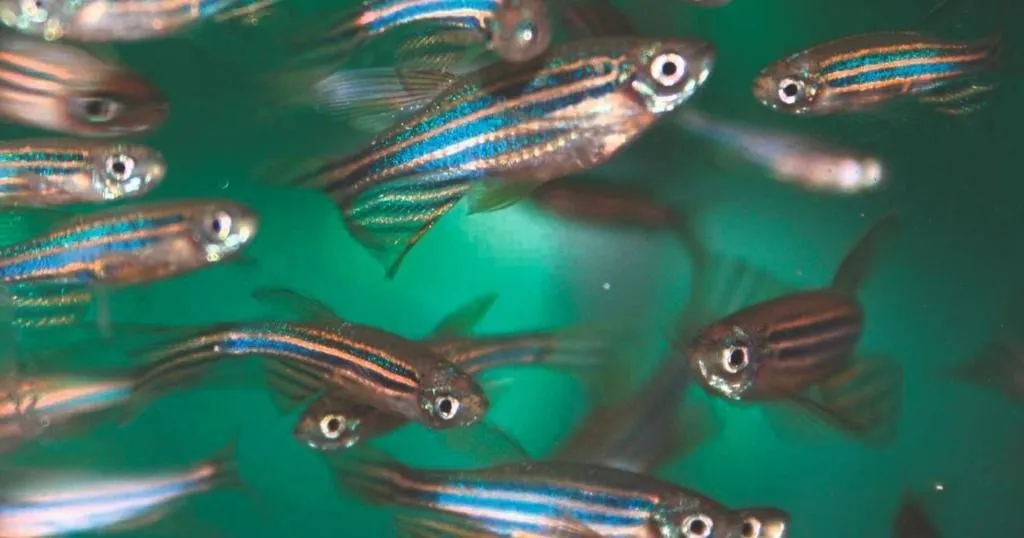
Isolated and stressed zebrafish as a model for major depression
Depression: a fifth (!) of us cope with it, making it the most prevalent psychiatric disorder. Prof. Gerlai recently investigated the interaction between mild stress and developmental isolation in zebrafish models.
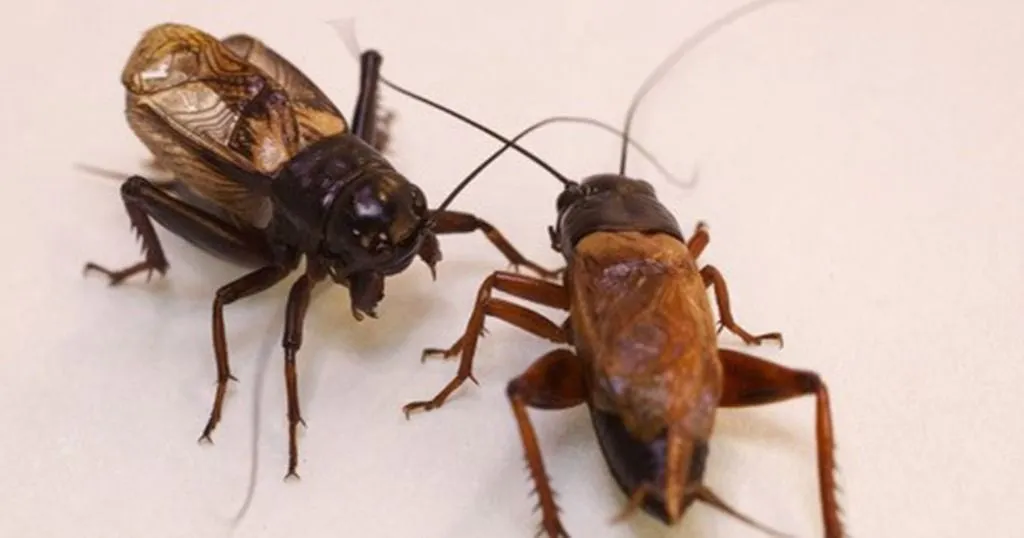
Dynamic winners and sluggish losers
We all know the phenomenon: some have it all. Look around a classroom and you see immediately who gets all the attention and who doesn’t, who are “winners”, and who are “losers”. Are we born this way, or do we learn it?

Effectiveness of video feedback in education
Did you know that video feedback in education is efficient? This and 5 more reasons why video debriefing in education is effective.
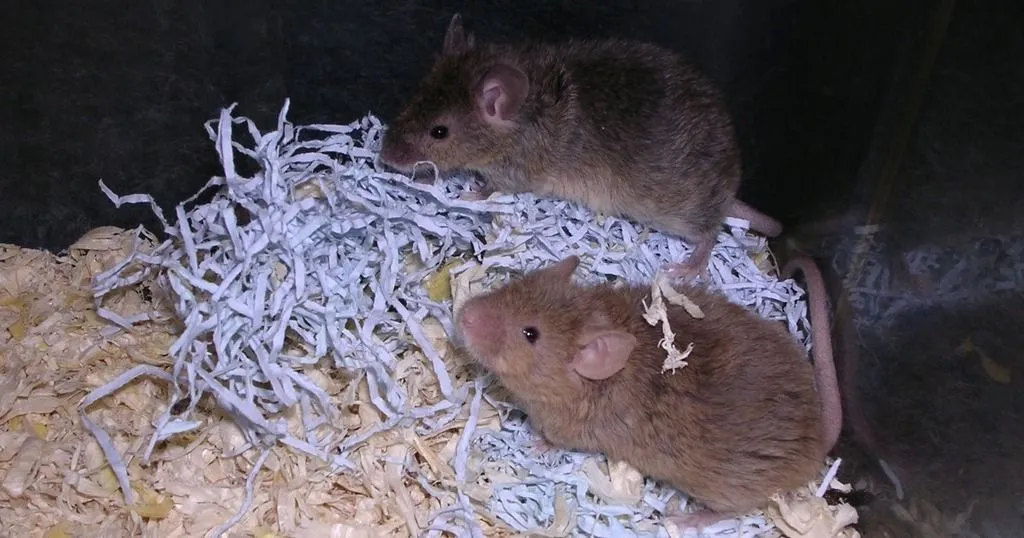
Spatial and odor memory impaired mice – new model for Alzheimer’s
Plaques and tangles… those of you even remotely familiar with Alzheimer’s disease (AD) will immediately recognize these hallmarks. But they are linked to familial AD, while sporadic AD is far more common.
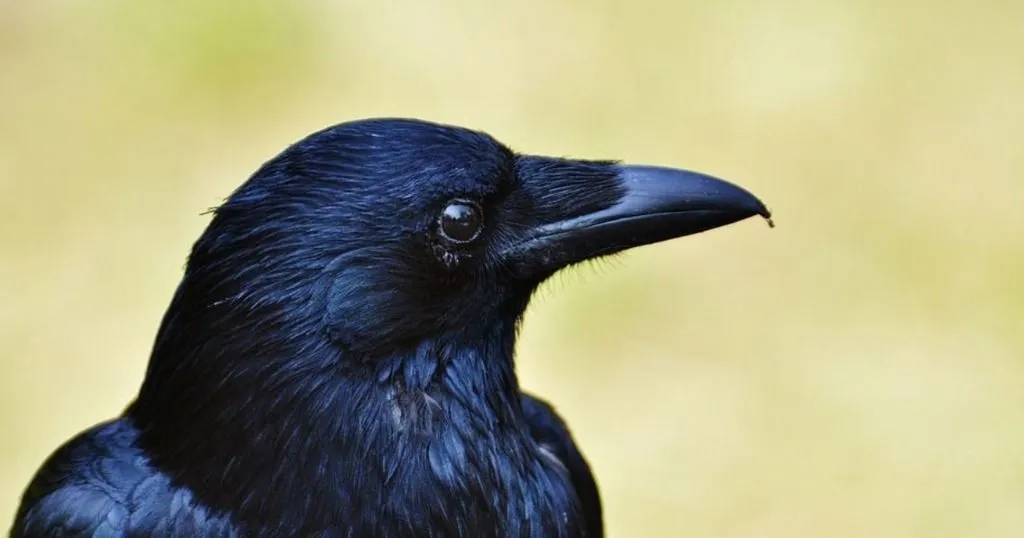
To be ravenous or to be social
Prosocial behavior, a voluntary behavior to benefit another, is an interesting concept from an evolutionary point of view. At first sight it may seem logical to be social.

Helping children cope with social anxiety
Researchers Colonnesi et al. investigated whether social anxiety in 4 year-olds is related to the level of Theory of Mind, and expressing shyness.
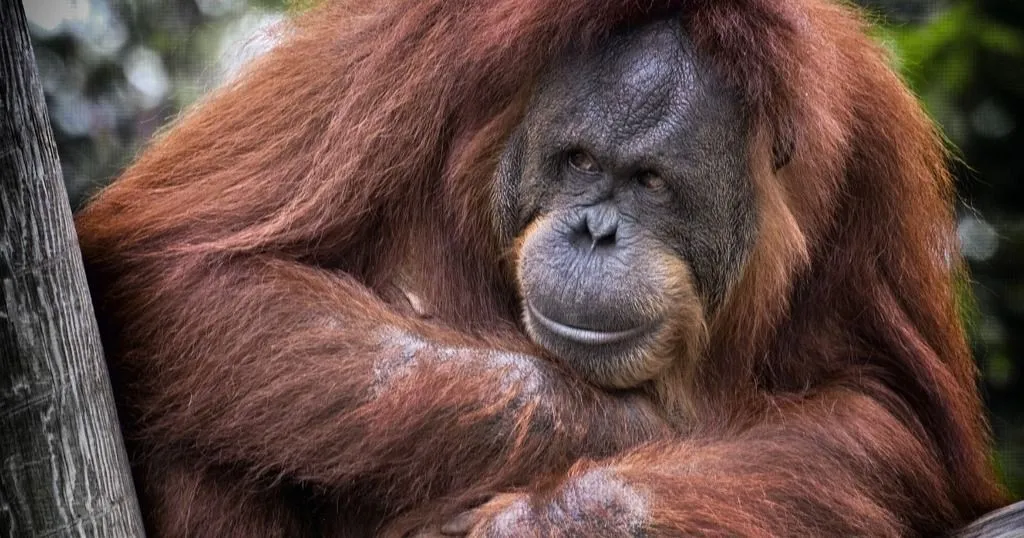
Free-choice digital interactive enrichment and human-animal interaction
Great apes have fast reflex, gazes, and movements: The Observer XT’s features allow frame by frame coding and accurate data integration.
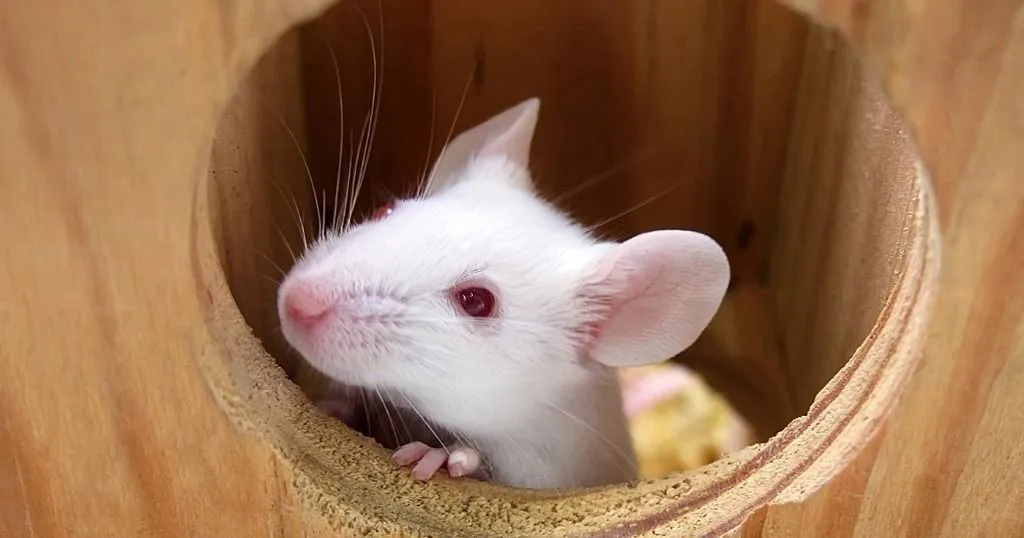
How obese mice get moving
By a showing of hands: how many of you started this New Year with the resolution to get moving? Burn off those extra holiday calories, or finally really get in shape?
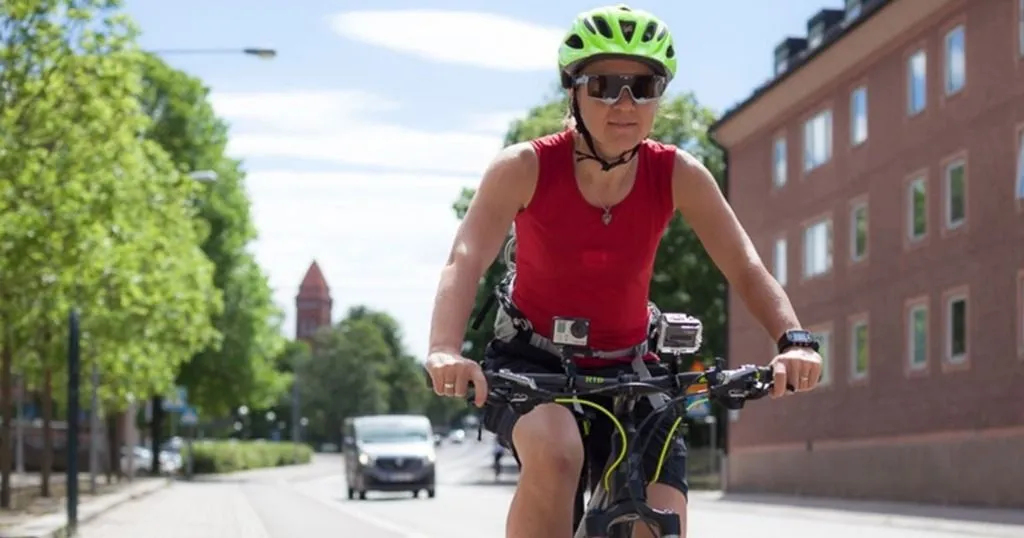
Attention! Drive safely
In a recent study with bicyclists, researchers at VTI, Sweden, observed cyclist behavior using eye tracking technology, video recordings, and behavioral coding.
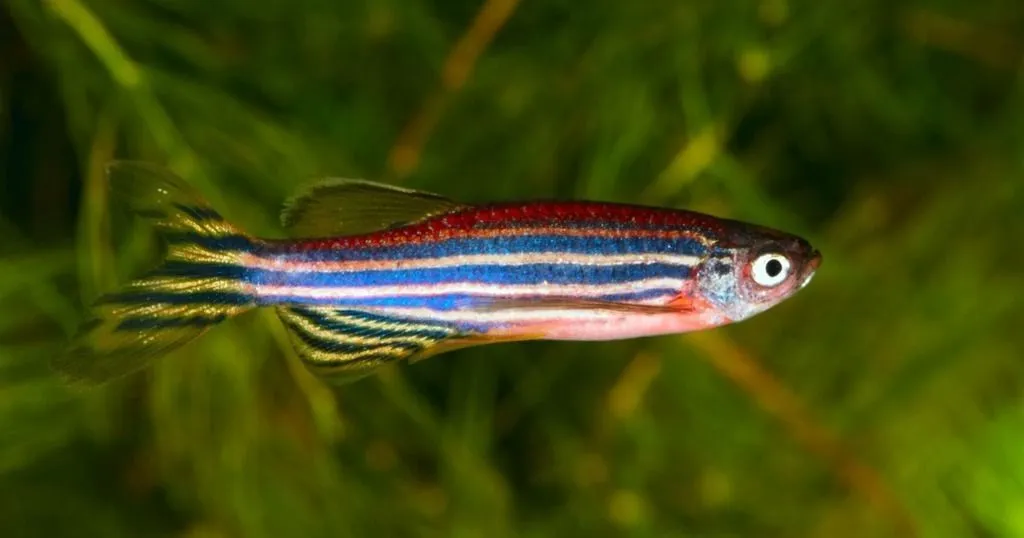
How optogenetics is used to study the stress response in zebrafish larvae
Stress might seem like a bad word, but it does have its perks. A recent study by Rodrigo J. De Marco uncovered the role of the pituitary in zebrafish larvae behavior after the onset of stress.
Thank you!
We'll get back to you shortly.
Please correct the following errors:
Thank you for registering!
We look forward to seeing you at the NoldusViso launch event.
Please correct the following errors: