Behavioral Research Blog
Insights, research, and innovations in human and animal behavior research

Interview skills training for adolescents with language disorder examined
The study of Mathrick and colleagues evaluated an interview skills training package targeting both verbal and non-verbal skills for adolescents with severe and persistent Language Disorders.
Gait recovery and other effects: treatment of cervical myelopathy
At the Dr. Michael Fehlings' lab, they are on a quest to find out what exactly causes the lower success rate of delayed surgery in cervical myelopathy.
The impact of sounds on autistic children’s behaviors
Children with autism can have trouble dealing with external distractions. Researcher Shireen Kanakri conducted a study to observe the impact of the acoustic environment on restrictive and repetitive behaviors.
Video tracking makes bird watching much easier
Everyone with children knows the phenomenon that what is good for a child is not always the best for a parent. The same counts for birds.

Measuring parent-infant behavior from another point of view
Parent-child interaction is an important focus of child development research. Lee’s research team compared recordings of play behavior from both a traditional third-person point of view, and through the babies' eyes.

Ticking clocks – tides and activity peaks in American horseshoe crabs
Recently, I came across an interesting paper in which American horseshoe crabs were video-tracked to investigate their internal clocks.
Flower preference in solitary bees
Mason bees are fascinating and friendly creatures. Tibor Bukovinszky and his colleagues investigated how their foraging behavior affects their offspring.

Time is of the essence in fish studies
You recently moved into your new house. How do you feel? How do you act in this new space? The answers may depend on how long you have lived there…

Fetal electrocardiography
The results of the fundamental research reported in Kim Verdurmen's thesis show that fetal ECG is a technique that is still developing but has shown to have multiple promising prospects, both during pregnancy and labour.
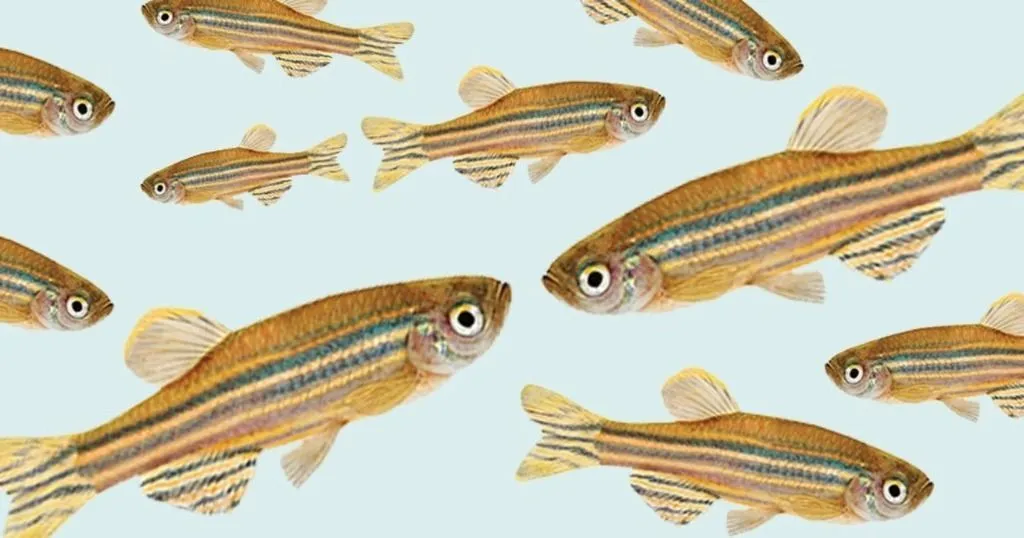
Social buffering in zebrafish
Shared sorrow is half a sorrow, according to the old proverb. New research indicates that social support is not only important for us humans, but also for zebrafish!
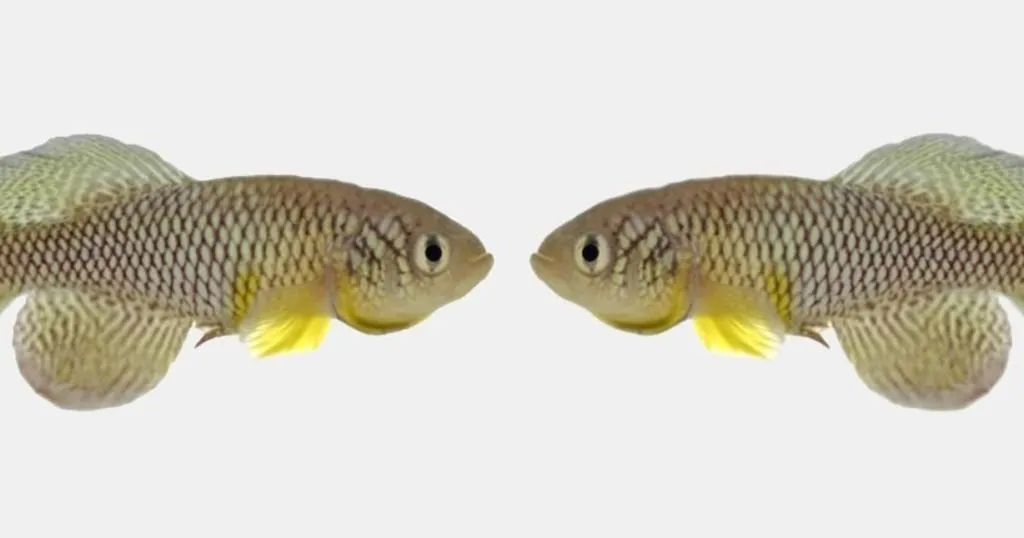
Fish live longer and are more active after eating “young poo”
Have you got the guts for it? Well, I hope you at least have the gut bacteria for it.
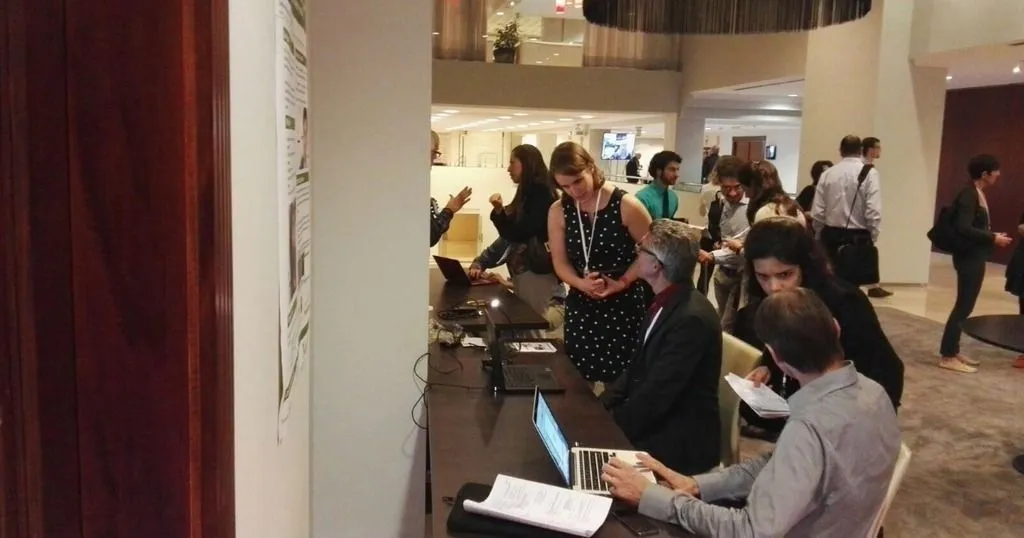
Technical demonstration of FaceReader in Seville, Spain
GO-LAB demonstrated FaceReader's amazing possibilities and efficient replacement of manual coding procedures.
Thank you!
We'll get back to you shortly.
Please correct the following errors:
Thank you for registering!
We look forward to seeing you at the NoldusViso launch event.
Please correct the following errors: