Behavioral Research Blog
Insights, research, and innovations in human and animal behavior research
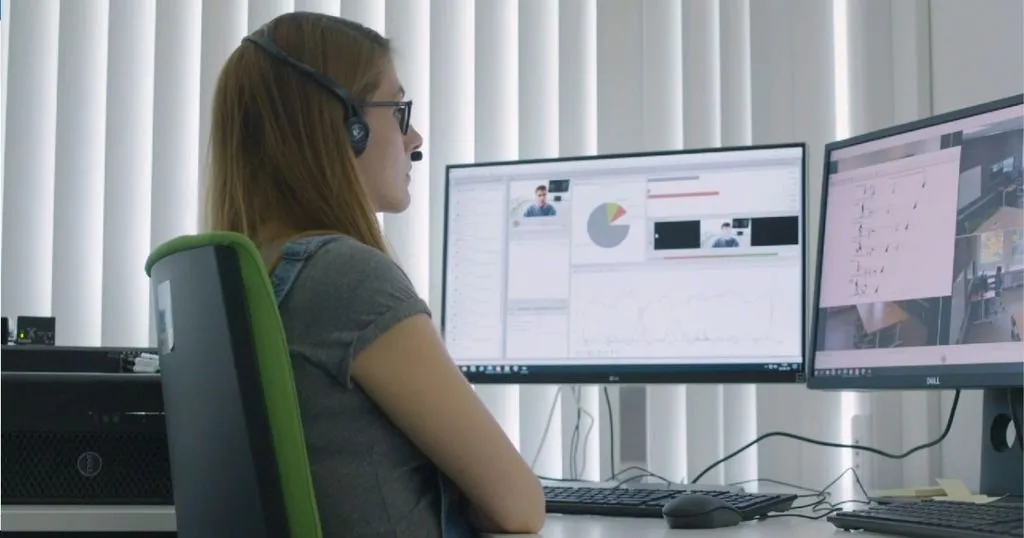
Understanding the digital world at the Social Media Lab
In this unique lab, technology is applied to understanding user experience, behavior on social media, and much more.
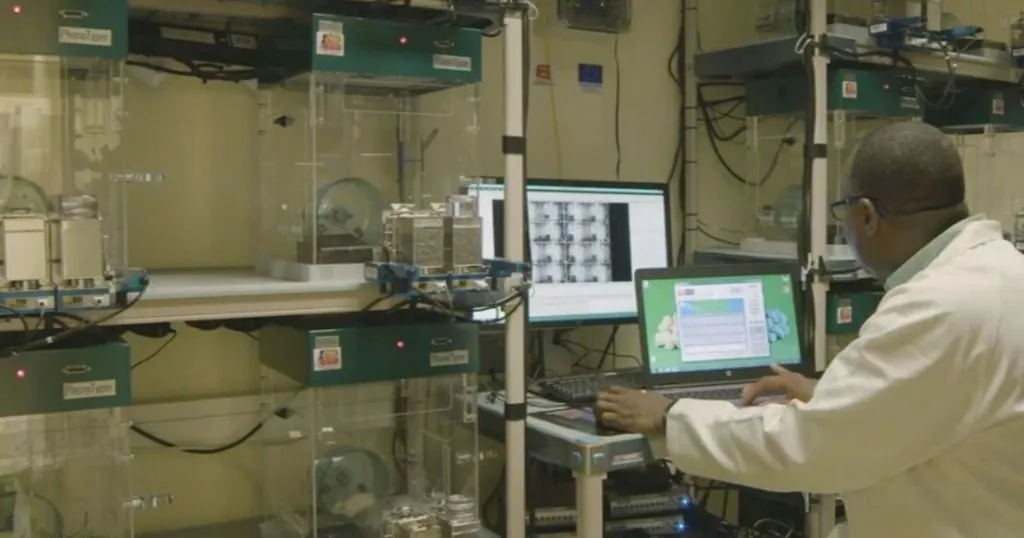
How to characterize behavioral phenotypes in a behavioral analysis facility
Introducing the Behavioral Analysis Facility. Researchers evaluate the behavioral and functional activities of new pharmacological drugs using diverse functional tests. Learn more about their recent projects.

Normalization of blood sugar reduces enhanced rewarding effect of smoking
Why are the rewarding effects of nicotine greater in diabetic rats?

Using facial expression analysis during a musical experiment
Music affects people, that's for sure. But to what extent varies per person. To measure facial expressions during a musical experiment, FaceReader Online is the easy-to-use tool.
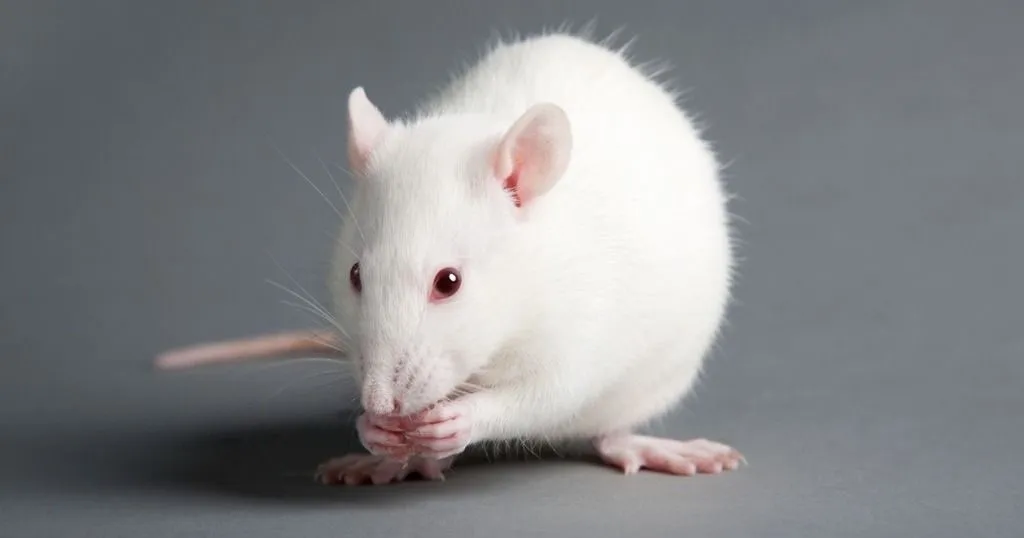
Using gait analysis to analyze Parkinson’s in rat model
Contrary to common methods, gait analysis can detect clinically relevant symptoms early on, researchers say.

The role of explicit bias in working with depressed cardiac patients
Using simulated medical encounters, Dr. Crapanzano and her team measured the influence of bias in the medical students' diagnosis and treatment plans for a patient presenting as mildly depressed.

World Cup success and emotions
Recent scientific research shows that emotional expressions like anger and happiness matter in being successful in the group phase of the soccer World Cup.
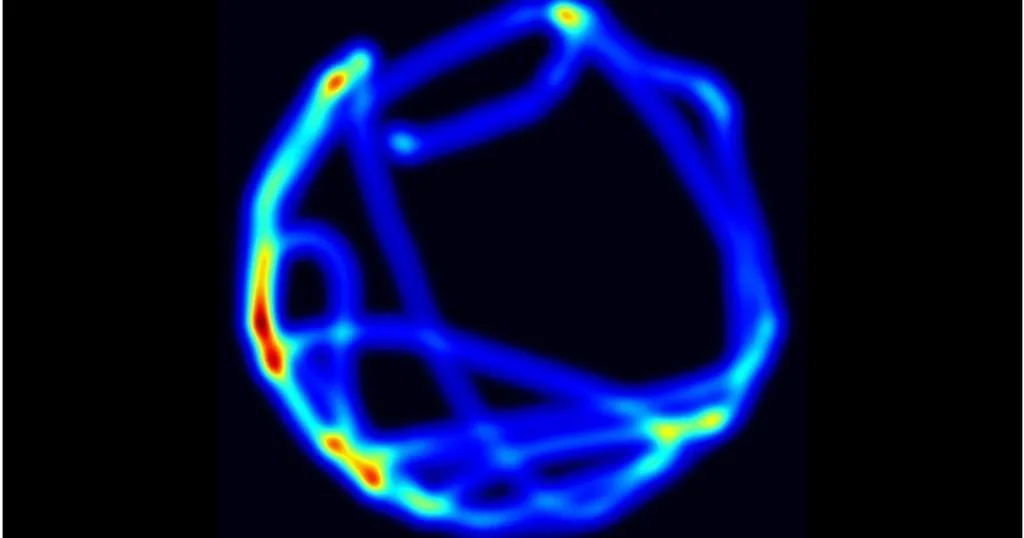
Alzheimer research and the Morris water maze task
First developed in 1981 by Richard Morris, the Morris water maze task is still one of the most popular tests for memory and learning in rodents.
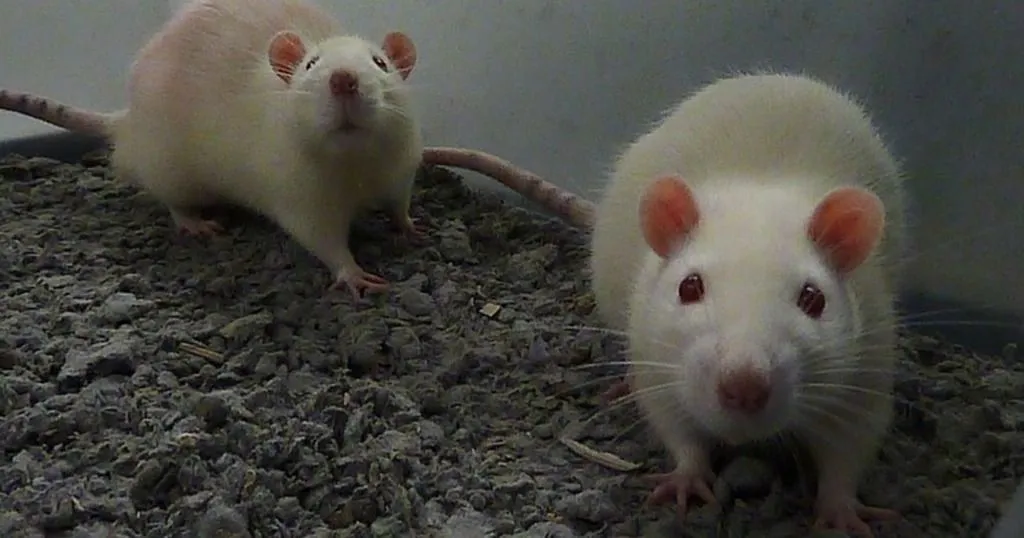
Towards automated homecage monitoring of group housed rats
Rodent social behavior is important in research on neuropsychiatric disorders, but major limitations hamper progress.

Many ways to measure behavior
So what kind of behavior can you measure? We haven't had time to follow all five behavior research tracks but here are a few highlights of the first conference day.
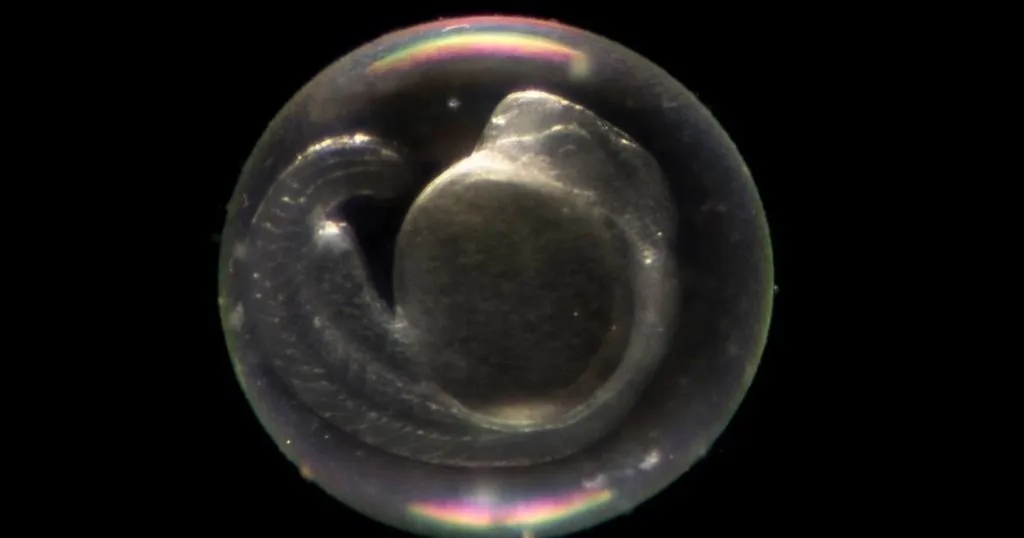
A new zebrafish model for ALS-related gene mutations
How zebrafish are helping us to discover the mechanisms behind this neurodegenerative disease.
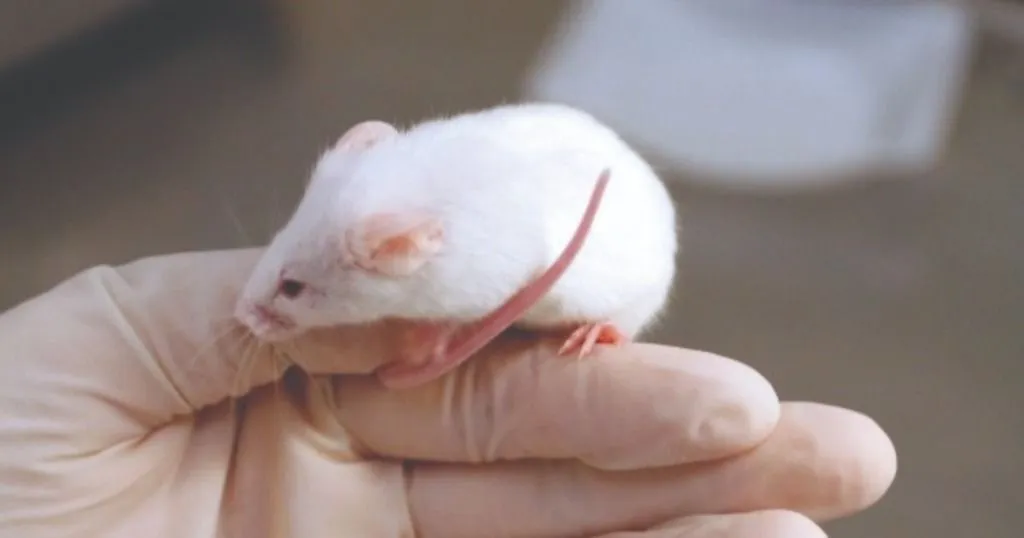
The effects of parasitic infections on learning and memory in mice
Worm infections can cause cognitive problems. But it’s unclear if it affects learning, memory, or both.
Thank you!
We'll get back to you shortly.
Please correct the following errors:
Thank you for registering!
We look forward to seeing you at the NoldusViso launch event.
Please correct the following errors: