Blog Posts Tagged: parkinson's disease

How to use facial expression analysis in pain research
As the world seeks more efficient research methods, automated facial expression analysis tools offer great potential for studying facial expressions. Could these tools be applied to pain assessment?

Agricultural pesticides and Parkinson's Disease: current screening procedures
Parkinson's disease, what are its symptoms? What role do environmental toxins play in its development? And why should we be critical on current toxin research methods?
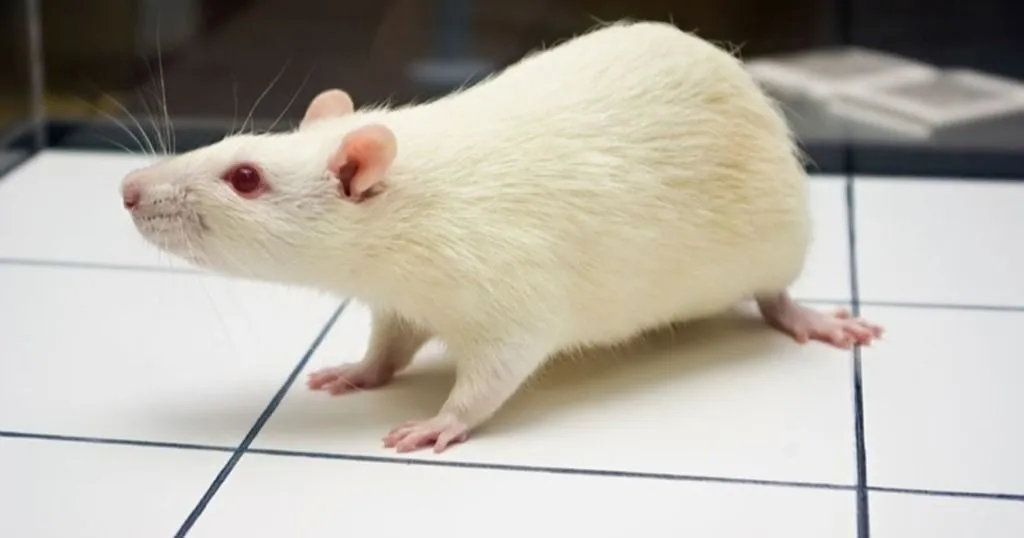
A 5-HT1A agonist and NMDA antagonist against Parkinson’s disease
Reducing side effects of L-Dopa with 5-HT1A receptor agonists can improve motor activity in a Parkinson’s disease model when combined with NMDA antagonists.

Choosing the right parameters in CatWalk XT
CatWalk XT provides the opportunity to study a variety of gait parameters. But, which parameters should you use for your mouse model? Read this blog to learn more!

What you need to know about the CatWalk gait analysis method
Let's take a little step back and talk about the history and technology of the CatWalk system. What was the reason of creating this gait analysis system for rats and mice? How does it work?
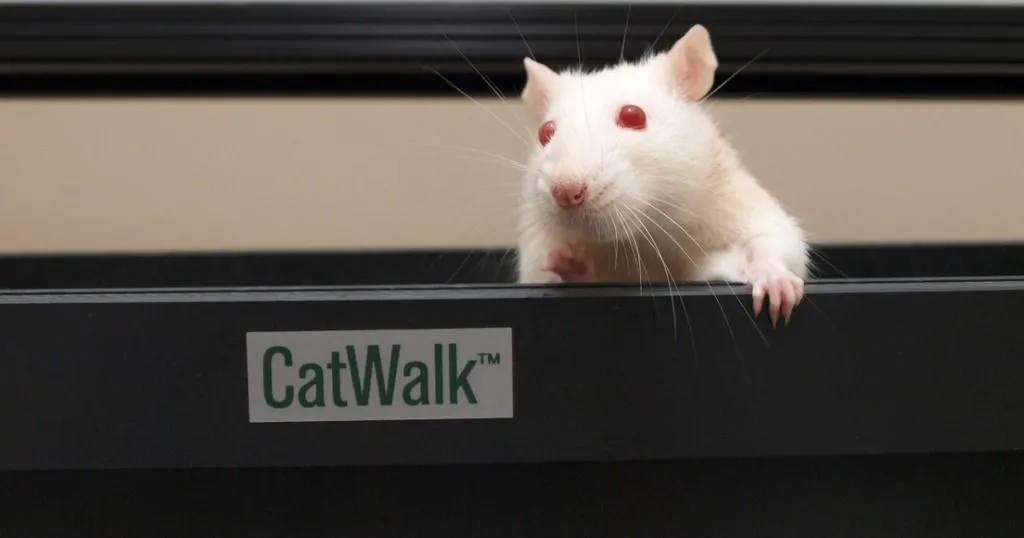
Using CatWalk XT to analyze variations in gait performance in adolescent mice
Rodents are the most common model organisms in biomedical research. Automated gait analysis provides a precise and objective means of analyzing behavioral and physiological changes in rodent models.
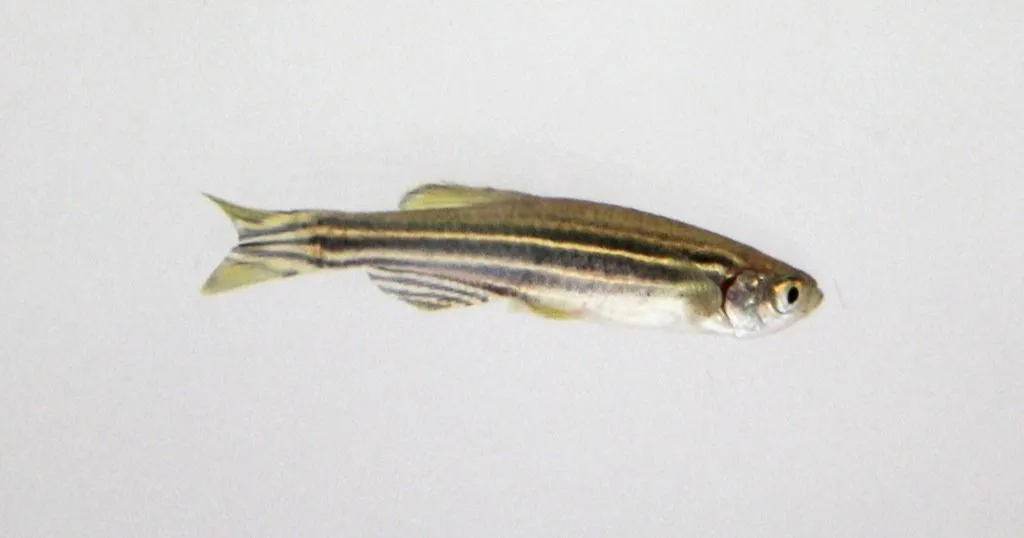
Zebrafish help us to understand neurodegenerative and neuromuscular diseases
Teresa Capriello and colleagues use zebrafish to study the neuronal mechanisms of heavy metals in connection to neurodegenerative and neuromuscular diseases.
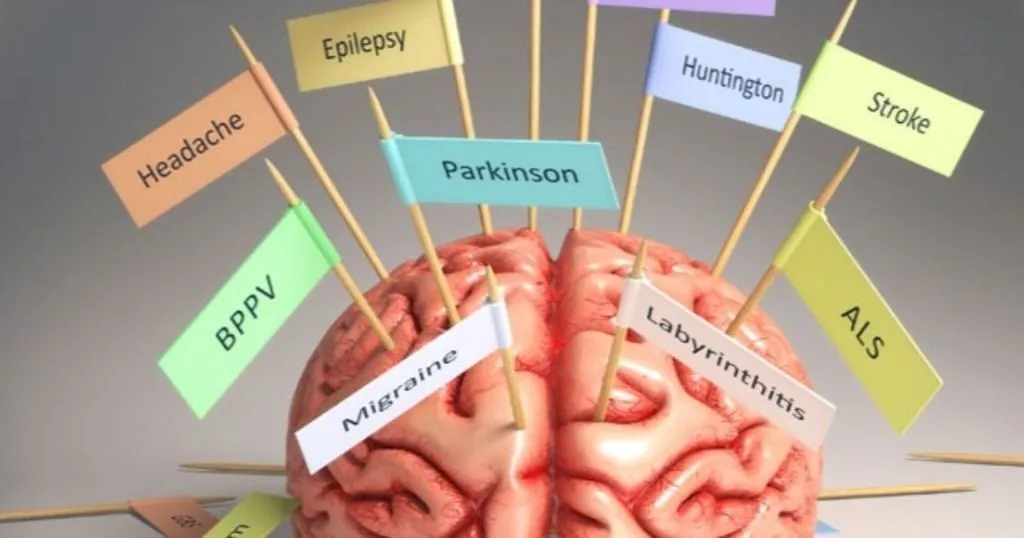
5 blog posts about brain research
During the annual Brain Awareness Week, international attention focuses on the brain to increase public awareness of the progress and benefits of brain research.

Parkinson's disease research - Relevant measures in pre-clinical studies
Parkinson’s disease: the neurodegenerative disorder that affects mobility in a life-changing way. Learn more about relevant measures in pre-clinical studies.
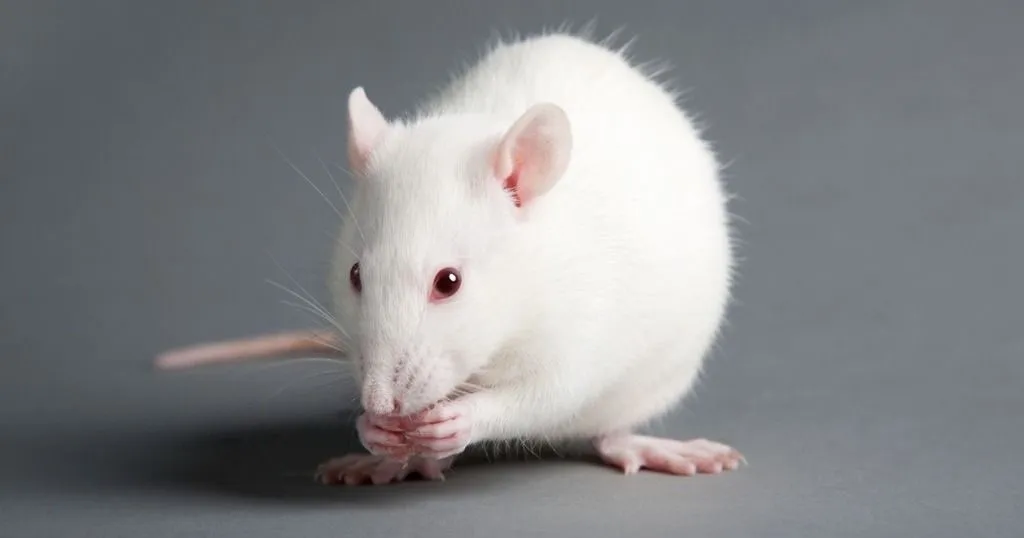
Using gait analysis to analyze Parkinson’s in rat model
Contrary to common methods, gait analysis can detect clinically relevant symptoms early on, researchers say.

Putative neurorestorative drug for Parkinson’s disease tested in zebrafish
About zebrafish and their important role in finding a cure for Parkinson’s disease.
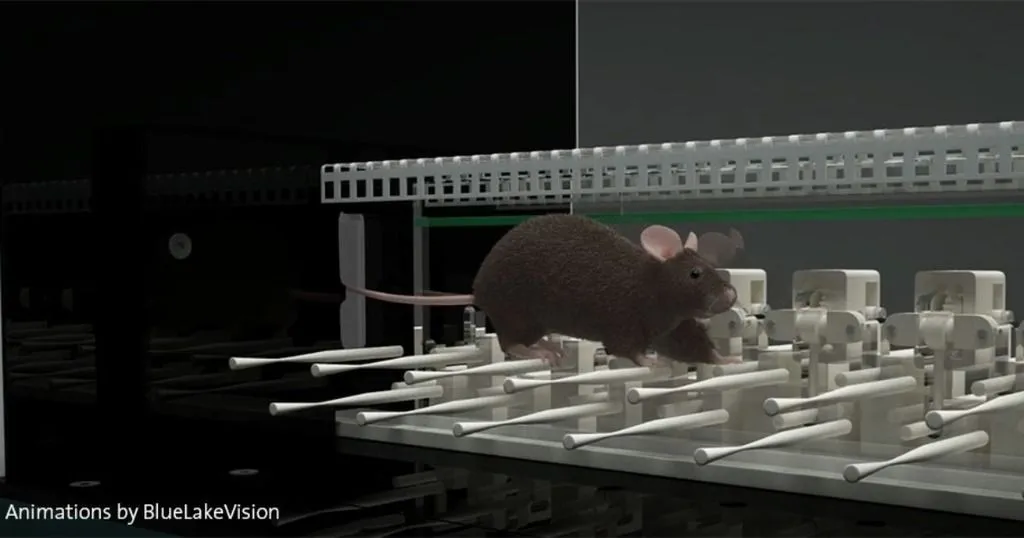
How to study ataxia
Ataxia is a common problem in Parkinson’s disease (PD), and many early onset Alzheimer’s disease patients (AD) also deal with it. Now there is a non-invasive test for mouse models.
Thank you!
We'll get back to you shortly.
Please correct the following errors:
Thank you for registering!
We look forward to seeing you at the NoldusViso launch event.
Please correct the following errors: