Human Behavior Research Blog Posts

Fake or real? AI illusions on the street
In Faux Out-Of-Home (FOOH) advertisement, real-world images are combined with computer-generated imagery and shared on social media. What happens to consumers' perceptions and emotions when you disclose that AI was used?

Conference about techniques and methods for measuring behavior
With so many meetings, in so many fields of behavioral research, what makes the Measuring Behavior conferences stand out?
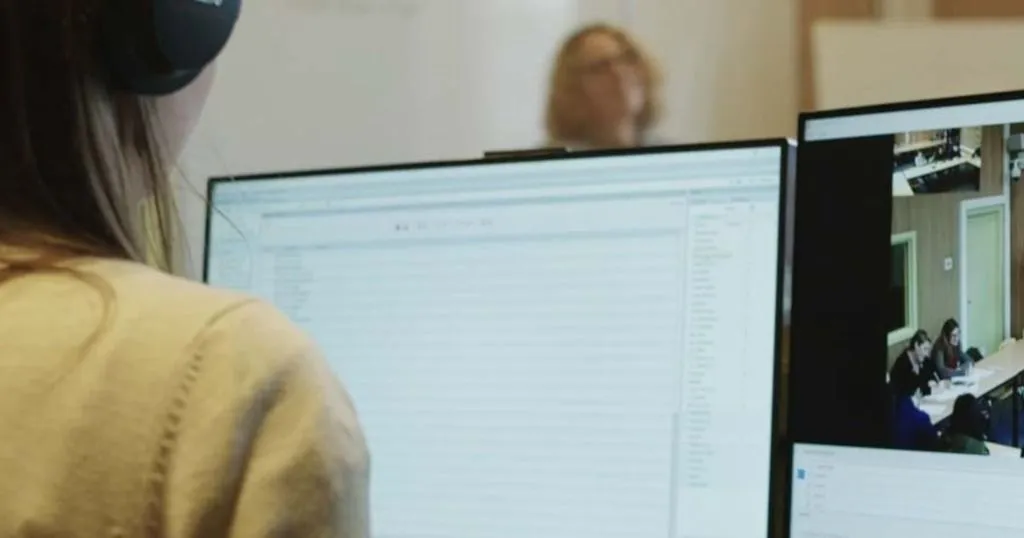
Should you use a combination of modes to optimize behavioral studies?
If you ask a scientist what they think of when you say, ‘behavioral study’, they will come up with wildly differing answers, depending on their own type of work.

5 tips to help behavioral researchers comply with privacy legislation
Privacy legislation can mean extra concerns for behavioral researchers, but these tips make your life easier.

How to increase attention in commercials for Gen-Z
Generation Z has the shortest attention span for commercials, yet they are becoming an increasingly important market segment. Understanding what captures their interest and how to engage them in commercials is crucial.

How to study developmental psychology: methods, designs & tools
What should you consider when setting up a study in the field of development psychology? Read on to learn more about methods, designs & tools.

How FaceReader is validated in research
In this blog post, we'll dive deeper into the validity and different applications of FaceReader—the most robust tool for automated facial expression analysis.

Human Factors and Ergonomics research in the spotlight
We want to set the spotlight on new developments and publications in Human Factors and Ergonomics research. From maritime simulation centers to the use of video observations in human factors research.

The 5 best ways to use FaceReader: a systematic review
Facial expressions offer a rich source of information about human emotions. In this study, Elisa Landmann examines the best ways to collect, handle, and analyze FaceReader data in different areas of research.

Why you want to find out if your customers are bored
Emotions deeply influence our daily lives, shaping our moods and behaviors - including our decision making. That's why facial expression analysis is often used in consumer and behavior research.

Student facial expression analysis while watching instructional videos
Is boredom the opposite of interest? Lídia Vinczéné Fekete and her research team used FaceReader and The Observer XT to find out what makes students get bored and which elements encourage interest.

How stress and emotions can affect performance
Medical first responders need to undergo extensive trainings to maintain and enhance their skills. Malfait and her team developed a methodology to measure the management of stress and emotions.

Thank you!
We'll get back to you shortly.
Please correct the following errors:
Thank you for registering!
We look forward to seeing you at the NoldusViso launch event.
Please correct the following errors: