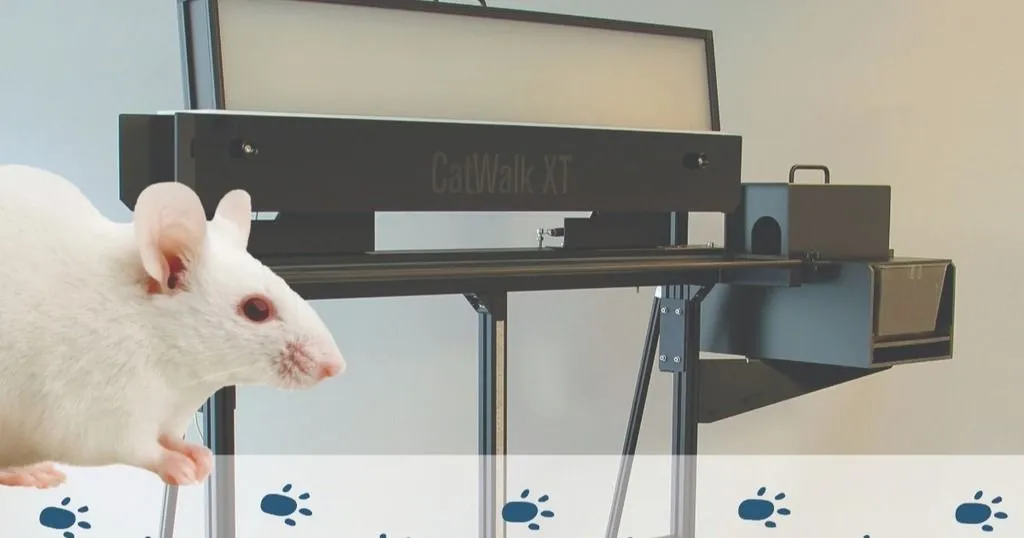
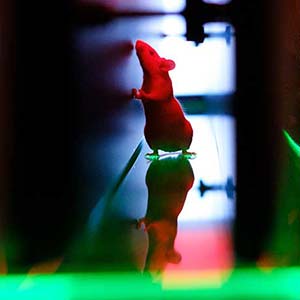
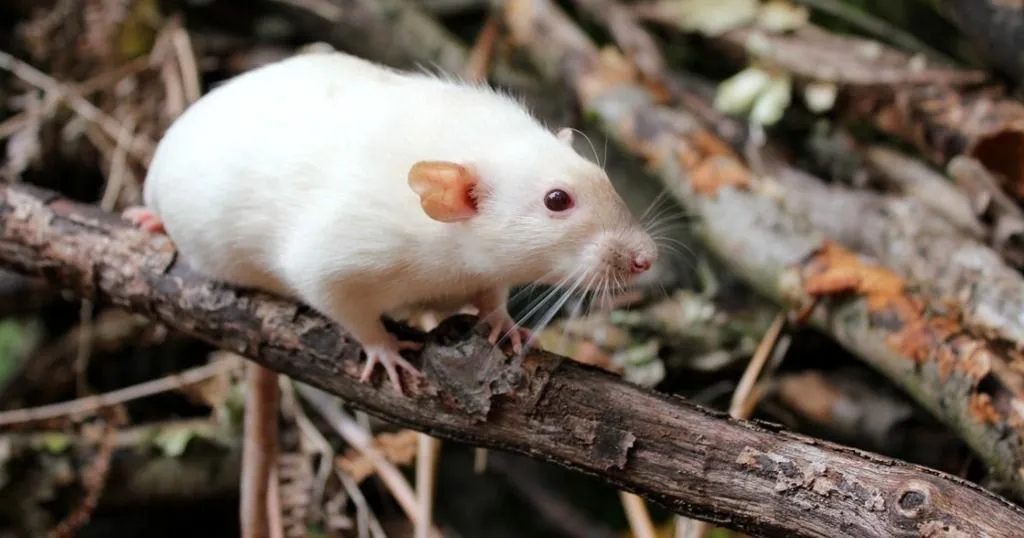
CatWalk XT has been used for gait analysis in multiple studies and has helped experimental procedures for a number of neurological disorders and in lesion models. The great benefit of this gait analysis system is that it lets mice walk freely without being forced. With the Illuminated Footprint Technology and a high-speed camera this system gives you an accurate and automated analysis of the locomotor ability of your rodents.
2. Evaluating walking mice with gait analysis after a complete spinal cord crush
Researchers from the University of Bochum recently achieved a major break-through in their search for a potential therapeutic approach for spinal cord injury (SCI). Spinal cord injury is damage of the spinal cord that often occurs after traumatic incidents like a car accident, a fall from great height or from a non-traumatic disease, such as tuberculosis.
In their study, the researchers discovered that a protein called hyper-interleukin-6 (hIL-6) stimulates signaling and axonal regeneration in a deeper brain area that is difficult to reach. These deeper brain areas are important for movement processes, such as walking and running. They injected the hIL-6 into the easily accessible sensorimotor cortex of the brain and observed the regeneration of neuros in a deeper level of the brain. The axonal regeneration in this level is essential for functional recovery after spinal cord injury. With the hIL-6 injected, paralyzed animals started to walk again after two to three weeks!
To evaluate this, the researchers used CatWalk XT for gait analysis of functional recovery after spinal cord injury. The CatWalk XT captures the actual footprints of the subjects and is therefore the ideal tool to get accurate results of each paw touching the glass, the total area touching the glass, stride length, base of support and regularity which are also the parameters that the researchers looked at in this study.
Curious to know more about this study? Click here to read more.
RESOURCES:
Find out how CatWalk XT is used in a wide range of studies and how it can elevate your research!
Learn more
arrow_forward