We explore new research investigating a link between bacterial-induced inflammation and long-term cognitive impairment. Recent data obtained with the Noldus PhenoTyper and EthoVision XT suggests this relationship is worth looking into.
Do bacterial infections matter?
Bacterial infections of the central nervous system (CNS) are known to cause long-term neurological complications and can lead to significant infection-driven brain dysfunction in both adults and children. Emerging evidence suggests that CNS infections might increase the risk of an individual developing dementia over a 15-year period, and there is a well-established link between Alzheimer's and immune response.
Unfortunately, while current therapeutic strategies can suppress inflammation, their ability to prevent cognitive decline after infection remains limited. This demonstrates a clear need for novel, efficacious treatments that limit or reverse neurological damage, and highlights the importance of ongoing research exploring the long-term brain effects of infections.
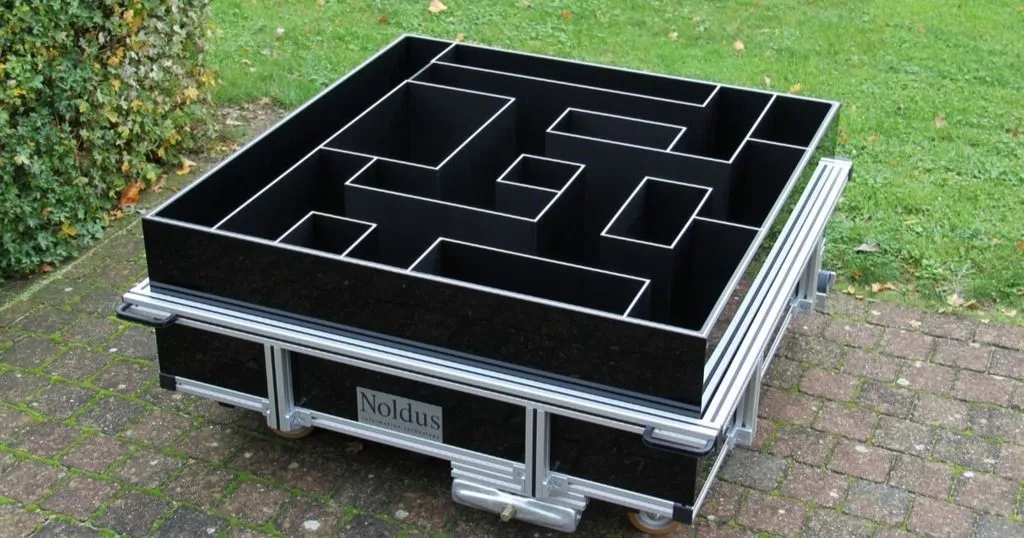
To understand the relationship between bacteria-induced neuroinflammation and post-infectious cognitive changes, researchers at University of Oklahoma Health Sciences Center conducted a series of rodent experiments using Noldus' PhenoTyper and EthoVision XT. This experimental setup enabled them to investigate how both systemic and CNS infections can progressively impair learning, memory and overall decision-making.
Neuroinflammation and memory loss: Testing cognitive decline after infection
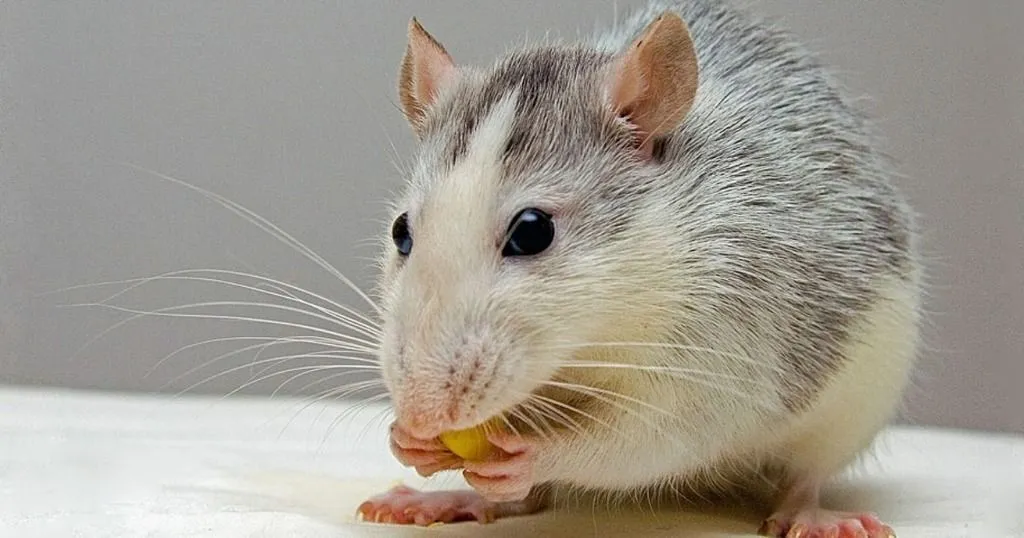
To understand the association between infection and decision-making, Cassidy and colleagues (2023) exposed mice to one of two strains of Listeria bacteria: A wild-type neuroinvasive strain capable of infecting the brain, and a non-neuroinvasive mutant strain lacking the gene listeriolysin O. A third group of mice received only sham (PBS) injections, with all mice receiving antibiotics for 14 days.
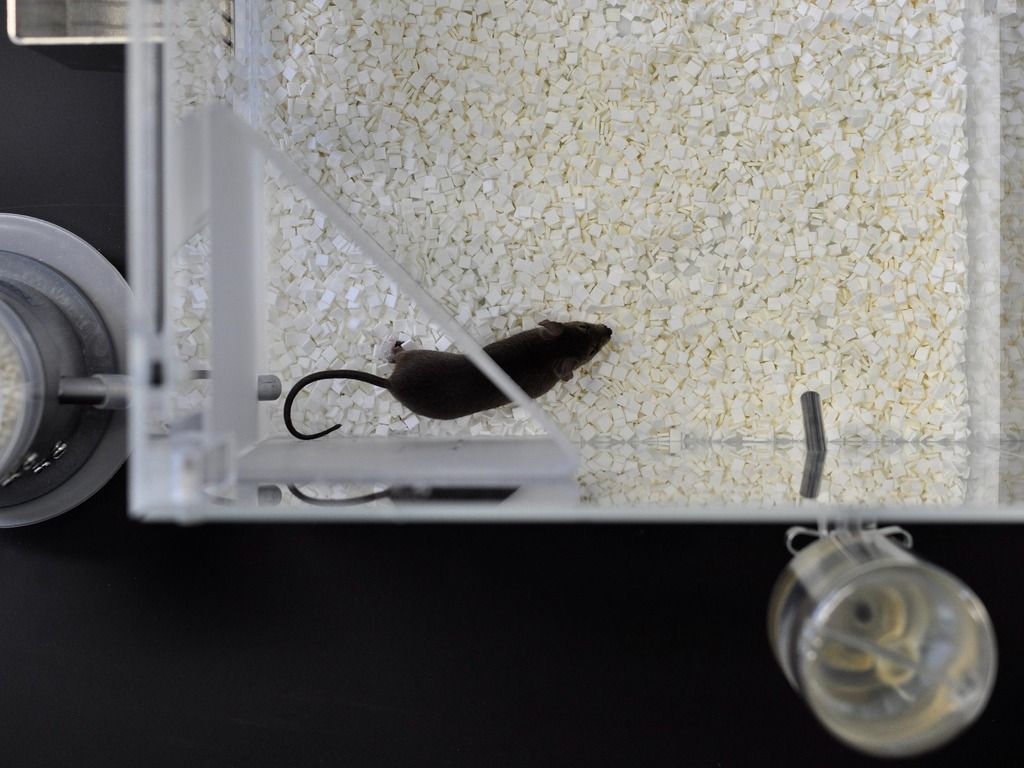
At either 1 month or 4 months post-injection, mice underwent a series of behavioral tests designed to assess learning and memory. These included reward-based discrimination tasks carried out in a Noldus PhenoTyper cage fitted with a Cognition Wall, with continuous tracking of movement and decision-making by an overhead camera running EthoVision XT software. The Automated Home Cage-based Observation and Data Analysis (AHCoDA) platform enabled researchers to analyze each mouse's decision-making patterns over time, to understand whether prior infection affected performance.
Beneath the surface: Neuroscience and the immune system
Following the behavioral phase, the researchers collected brain samples and assessed whether alterations in T-cell subsets correlated with the observed deficits in learning, memory and decision-making, to understand how inflammation influences post-infectious cognitive changes.
How advanced behavioral tracking and automated neuroscience tools provided insight
PhenoTyper and Cognition Wall: Automated home-cage testing
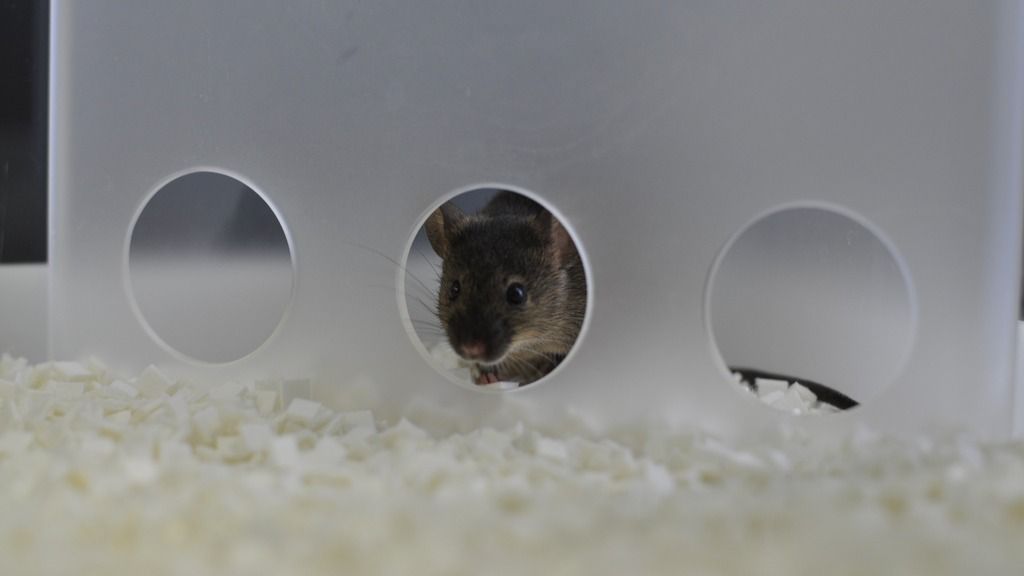
- To reduce handling stress, mice were individually housed and trained in an automated PhenoTyper cage with a Cognition Wall for four days.
- During days 1-2 the leftmost door was associated with a food-based reward to assess discrimination.
- During days 3-4 the protocol was reversed, with the reward associated with the rightmost door. Mice were forced to discard the old habit while learning a new rule, a test of reversal learning.
- How could your research benefit from automated cognition testing?
Automated performance tracking with EthoVision XT
- An overhead infrared camera relayed real-time data to EthoVision XT software, which enabled tracking of each mouse's movement, correct or incorrect door-entry choices, and changes in exploration patterns.
- Automated tracking eliminates the need for manual scoring, providing precise measurements of learning speed, while capturing subtle differences in behavior and learning patterns.
- Do you need non-invasive, continuous tracking to capture deep insights?
Continuous, non-invasive monitoring with AHCoDA
- To reduce stress and enable long-term, non-invasive monitoring of the mice, the data were integrated into the AHCoDA system.
- This system provided information on hundreds to thousands of entries (trials), yielding a robust, reliable and unbiased dataset, and provided insight that standard or manual methodologies would miss.
- Would high-throughput, unbiased data collection accelerate your research?
BUYER'S GUIDE
The perfect video tracking setup
Interested in creating a video tracking setup, but you don't know where to start? Then this buyer's guide is for you!
-
check_circle
Benefits of video tracking software
-
check_circle
Additional equipment options
-
check_circle
The ideal setup for your study
Submit to download
download
A surprising link and implications for future research
The present study adds important and novel insight into the relationship between neuroinflammation and cognition.
Progressive decline. Cognitive impairments not only persist long after Listeria infection has resolved, but appear to progressively decline over time, as decision-making was significantly worse 4 months post infection than at 1 month.
Systemic inflammation influences behavior. Even mice exposed to the non-neuroinvasive Listeria strain displayed signs of cognitive decline and impaired decision making, demonstrating that even inflammation outside of the brain can alter central processes including learning and decision-making.
These findings provide important parallels in human disease, where chronic or recurrent infections might contribute to progressive cognitive decline, while emphasizing the limitations of using short-term anti-inflammatory agents, which fail to address infection-driven brain dysfunction or prevent post-infectious cognitive changes.
Conclusion: Bacterial infections do matter – Insights into Neuroscience and the immune system
While many aspects of the neuroinflammatory process and cognition remain unclear, this study demonstrates that bacterial infections do indeed matter, as both central and systemic bacterial infections were shown to significantly impact both behavior and brain function.
By combining automated neuroscience tools including the Phenotyper for non-invasive home-cage testing, EthoVision XT for automated movement tracking and AHCoDA for unbiased data analysis, the researchers identified subtle changes in learning and decision-making driven by inflammation. Learn about how Noldus PhenoTyper and EthoVision XT can enhance your research.
The impact of long-term cognitive decline after infection highlights the fundamental need for the development of effective therapies that address infection-driven brain dysfunction as well as the importance of understanding the interplay between neuroscience and the immune system.
References
Cassidy, B. R., Logan, S., Farley, J. A., Owen, D. B., Sonntag, W. E. & Drevets, D. A. (2023).
Progressive cognitive impairment after recovery from neuroinvasive and non-neuroinvasive Listeria monocytogenes infection
Front. Immunol. 14, 1146690